The Zipper Pouches for Apparel reorder planning guide is really a guide to avoiding the small errors that become expensive on the second order. The first run can absorb a little drift. The repeat run exposes everything: a pouch that is 3 mm too narrow, a zipper that does not close with the same feel, print that looks fine on screen but shifts the barcode into the wrong zone, or a film that was quietly swapped for a thinner grade. None of those issues are dramatic alone. Together, they slow packing, complicate receiving, and create a new problem every time the product comes back.
For apparel programs, packaging is part of the SKU history, not a separate accessory. A folded tee, a sock set, or a light loungewear bundle all behave differently once they are packed, sealed, stacked, and shipped. That is why reorder planning works best when the pouch is specified with the same discipline as the garment itself: one approved size, one film construction, one zipper profile, one artwork file, and one recorded packing method. Once those pieces are fixed, the next buy becomes more predictable and easier to price.
Zipper pouches for apparel reorder planning guide: where delays start
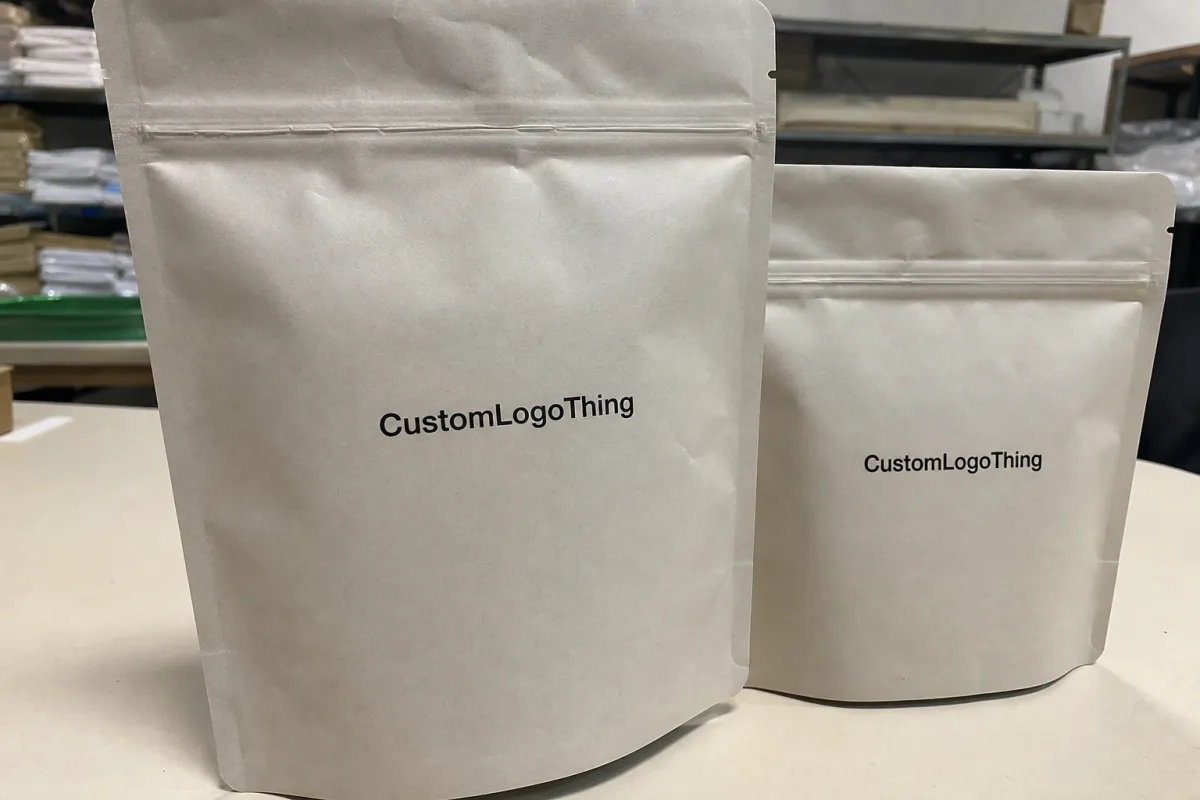
Most packaging delays begin with assumptions that were harmless on the launch order. A packing line can tolerate a pouch that feels slightly off if the team is under pressure to ship. On a reorder, that same tolerance disappears. Operators expect the pouch to behave exactly like the approved sample, and any variation becomes visible immediately.
The zipper itself often causes the first complaint. If the closure requires extra pressure, folds at the top edge can interfere with sealing. If the track is too loose, the pouch opens during handling and makes stacking unreliable. A consistent zipper bite matters because it affects speed, presentation, and how many pouches a warehouse can handle per hour without rework.
Packaging that works for replenishment is packaging that can be repeated. That sounds obvious, but repeatability is where many apparel programs break down. One supplier records dimensions in one format, another references artwork in a different version, and a third packs the finished goods in a carton count that does not match the receiving plan. Reorders then become negotiations instead of transactions.
"The low-cost pouch is not low-cost if it slows the line, forces manual corrections, or turns a straightforward reorder into a spec review."
Seasonal ordering makes the stakes higher. When product arrives in waves, packaging cannot be in a state of discussion while inventory is already on site. A temporary workaround at the warehouse often becomes the default solution, and that is how short-term decisions end up shaping long-term operations.
Picking the right pouch build for folded garments and sets
The correct pouch size is based on the folded product, not the flat garment measurement. That distinction matters more than many buyers expect. A women’s tee, a heavyweight hoodie insert, and a three-pack sock bundle all occupy different volumes once folded and compressed. Measuring the finished fold first gives a more realistic view of how much clearance the pouch needs for a clean insertion and an easy zipper close.
Flat pouches are usually enough for lightweight apparel and accessories. Gusseted pouches are better once the product has real thickness or the pack needs to sit more squarely in a carton or on a shelf. The extra expansion helps the film hold shape instead of fighting the contents. That usually translates into faster packing and fewer wrinkled or overstretched corners.
Material choice should follow the packing goal. Clear film supports visibility and barcode reading. Frosted film softens the appearance and masks minor folding inconsistency. Printed film supports branding, but it raises the bar on registration, ink coverage, and proof approval. Each option has a place; the wrong one is usually the one chosen for aesthetic reasons without considering line speed or reorder discipline.
| Build | Best use | Typical unit price at 5,000 pcs | Operational note |
|---|---|---|---|
| Flat clear pouch, 2.5-3 mil | Tees, socks, light accessories | $0.10-$0.18 | Fast to pack, easy to scan, low setup complexity |
| Frosted zipper pouch, 3 mil | Retail presentation, mixed bundles | $0.14-$0.24 | Hides handling marks and small fold variation |
| Printed pouch, custom size | Brand-forward apparel programs | $0.18-$0.35 | Needs tighter proofing and color control |
| Gusseted pouch, heavier gauge | Loungewear, bulkier folded sets | $0.22-$0.40 | Better stackability and more room on the line |
Useful features should be tied to the packing method. Tear notches are practical if the pouch is meant to be opened without scissors. Hang holes matter for retail display. Venting can help a compressed set settle after packing, although not every style needs it. If the pouch supports returns handling or scan-based fulfillment, keep the clear window free of print and seal placement that could interfere with scanning.
Film, zipper, and print specs that keep reorders consistent
Repeat orders expose every shortcut in the original spec. Film thickness, seal strength, zipper engagement, and bag tolerance should stay fixed unless the product itself changes. If the pouch was approved at 3 mil, the next run should not quietly arrive at 2.5 mil because the plant had a different material on hand.
Print control deserves the same discipline. Panel placement needs to stay consistent, barcode readability should be checked on the actual substrate, and white ink coverage must be judged on production material rather than on a lighter mock-up that flatters the artwork. Small shifts are normal. Uncontrolled variation is not.
Sample approval should mirror production construction as closely as possible. A simple layout mock-up can help with placement, but it does not tell you how the zipper feels, how stiff the film is, or how the pouch behaves after repeated handling. A useful spec sheet records dimensions, gauge, zipper style, print notes, carton pack-out, and the exact artwork version tied to the style code. If that document is missing, the reorder will drift.
Environment changes the package too. Static cling shows up more often with lightweight film. Scuff resistance matters when cartons move through more than one facility. Cold-weather brittleness can appear on winter shipments if the resin blend is too stiff for the route. For transit testing, many teams refer to ISTA methods. If a program uses fiber-based inserts or cartons, FSC certification can be relevant for responsible sourcing.
- Film gauge: keep thickness fixed unless product weight or shipping method changes.
- Zipper profile: standardize the closure feel so operators do not relearn the pack each reorder.
- Artwork version: one approved file, one barcode placement, one color target.
- Tolerance: define acceptable variation before production starts.
Cost, MOQ, and quote factors that shape unit price
Pricing is more predictable than many buyers assume once the spec is fixed. Bigger pouches require more film. Heavier gauges cost more. A different zipper profile adds cost. Higher ink coverage increases it again. Custom dimensions and uncommon finishes usually raise the Minimum Order Quantity because the production line has to be set up for a specific build instead of a standard one.
Buyers often get a better quote by simplifying the build before they negotiate volume. If two pouch styles can share the same size, film family, and zipper type, the supplier has more room to hold pricing steady across repeat orders. That does not mean stripping away needed protection or brand value. It means cutting out complexity that does not change the customer experience.
Unit price is only part of the bill. Freight, carton pack-out, proofing, and setup charges can move the landed cost enough to matter on a replenishment program. A bag that looks inexpensive at quote stage may become less attractive once the warehouse needs a different carton configuration or the order must ship faster than planned.
For custom printed zipper pouches, a realistic MOQ is often 3,000 to 10,000 pieces depending on size, print coverage, and whether the build is standard or fully custom. Shorter runs usually carry a higher per-unit cost because the fixed work is spread over fewer pieces. If annual volume is likely to repeat, ask for tiered pricing rather than only one immediate order price. That gives sourcing a clearer picture of where savings appear at the next break.
Here is the quote logic that should be documented before release:
- Pouch dimensions and gauge.
- Clear, frosted, or printed construction.
- Zipper style and any added features.
- Artwork count, ink coverage, and barcode needs.
- Total quantity, carton count, and freight method.
Process and turnaround: proofing, samples, and lead time checkpoints
A clean reorder process starts with a complete RFQ and ends with a release that does not need interpretation. The handoff should confirm dimensions, artwork files, zipper style, pack count, and any special finish. Once those items are locked, the supplier can build the proof, make the sample, and schedule production without chasing missing information.
Delay usually comes from avoidable back-and-forth. One round of artwork revisions is normal. Two or three rounds usually mean the starting brief was too loose. Lead time also stretches when the sample arrives in a material that is not production-grade, because the buyer approves the wrong feel and the line still needs adjustment later.
Sample lead time and production lead time should be quoted separately. They are not always the same, and blending them hides risk. A reorder can move faster when the artwork is already approved, the spec sheet already exists, and the supplier can reference the previous job instead of rebuilding the file package from scratch.
For a standard repeat order, 12-15 business days from proof approval to shipment is a reasonable working range, though quantity, print complexity, and current line load can push that longer. Larger or more customized runs may take more time. Freight planning matters too. If shipping is left until the end, the calendar tightens quickly.
Supplier capability that matters when orders repeat
On repeat orders, supplier capability is less about a polished quote and more about whether the plant can reproduce the same result without unnecessary friction. Stable converting, consistent sealing, and a clear process for handling change requests are the basics. If a supplier cannot show how specs are archived, how materials are tracked, and how version control is maintained, reorder risk rises fast.
Material traceability matters because buyers need the same pouch to look and perform the same way across seasons. Lot control helps with that. So does disciplined recordkeeping on artwork, film source, zipper type, and pack configuration. If one apparel colorway changes but the packaging should stay identical, a capable supplier can update only the needed item and leave the rest untouched.
Support functions also matter more than many teams expect. Barcode verification catches issues before cartons leave the building. Carton configuration guidance helps warehouse teams plan cube and pallet load. Spec archiving keeps the next merchandiser or buyer from starting over. Those are not flashy services, but they reduce friction in actual production programs.
"A clean reorder comes from recordkeeping, not luck. The next job should start from the last approved facts, not from memory."
That stability has another benefit for apparel teams: fewer internal handoffs. Merchandising, sourcing, and warehouse operations can work from the same approved record, which reduces the small misunderstandings that usually create the biggest delays.
Reorder triggers, safety stock, and planning for seasonal volume
Packaging should be reordered based on weeks of cover, not only on a raw unit count. A fast-selling core basic needs a different trigger than a slower style, even if both use the same pouch. If the trigger is too low, the team pays for rush freight or accepts a less suitable substitute. If the trigger is too high, working capital gets trapped in packaging that sits in storage.
I would separate safety stock rules for core basics, seasonal drops, and promotional packs. Core basics deserve the most stable replenishment plan because they cycle all year. Seasonal styles need earlier triggers because the sales window is short. Promotional bundles need extra caution because forecast swings are common once the marketing plan changes.
Carton quantity and pallet configuration deserve attention too. A pouch that packs well in a carton but creates awkward pallet height can slow receiving and make the warehouse less efficient. A pouch that arrives in full-case quantities aligned to the pick plan usually moves through the building with fewer questions.
The best planning ties pouch buying to the apparel buy plan. Packaging should arrive before inbound product, not after the team is already trying to pack orders. That one discipline cuts air freight, missed ship windows, and emergency substitutions that weaken the finished presentation.
Next steps to place the next apparel pouch order cleanly
Start with the facts: folded garment measurements, target quantity, artwork files, preferred finish, and any barcode or hang-hole requirement. Then compare two or three spec options so the team can weigh clarity, presentation, and unit cost instead of guessing from one build. A clear pouch is not always the right answer, and a printed pouch is not always worth the extra spend.
Ask for sample approval against the actual apparel SKU. A placeholder sample can hide problems that only appear with the real fold, real fabric thickness, and real packing motion. Confirm MOQ, Lead Time, freight method, and carton pack counts in writing before release so operations can plan with confidence. That discipline saves far more time than it takes.
For repeat programs, the most useful habit is simple: document the final spec sheet and tie it to the style code. That is what turns a one-off purchase into a reusable buying pattern. It also makes the Zipper Pouches for Apparel reorder planning guide less about firefighting and more about maintaining a process that already works.
What size zipper pouch works best for apparel reorder planning?
Match the pouch to the folded garment dimensions, not the flat garment size, so the fit is accurate on the packing line. Leave enough room for easy insertion and zipper closure without creating excess air or a sloppy presentation. Use separate size standards for tees, socks, accessories, and multi-piece sets because each category packs differently.
How do zipper pouch specs affect apparel reorder cost?
Thickness, zipper style, print coverage, and custom sizing are the main drivers that move unit cost. Higher MOQ usually lowers the per-unit price, while short runs and custom features raise it. Freight, carton pack-out, and proofing can change the landed cost even when the unit price seems stable.
What should I confirm before reordering printed apparel pouches?
Confirm the approved artwork file, color targets, barcode placement, and any white ink requirements. Verify the exact pouch dimensions, zipper style, and film gauge against the last approved production run. Ask for written approval on the spec sheet so sourcing, art, and production all reference the same version.
What lead time should I expect for custom zipper pouches?
Lead time depends on sample approval, print complexity, material availability, and current production load. Repeat orders usually move faster when the spec and artwork are already approved and unchanged. Request separate timelines for sampling, production, and freight so the shipment date is realistic.
How can I reduce MOQ risk on apparel pouch reorders?
Standardize pouch sizes and film structures across multiple apparel styles to improve order flexibility. Use the same approved construction whenever possible so the factory can repeat the job efficiently. Plan reorders earlier and consolidate styles where practical to reach better pricing without overbuying.
Clear records, stable specs, and early replenishment planning keep packaging from becoming the weak link. If the next order starts from a locked spec sheet, the process becomes easier to repeat, easier to price, and less likely to break under deadline pressure.


