An apparel Premium Cuffed Beanies reorder plan matters because knitted headwear behaves like a quiet trap for small variation. A cuff that is 5 mm taller, a yarn lot with a slightly drier hand, or a crown that closes a little tighter can change how the beanie sits on a shelf and how it sits on a head. Two units can pass the same photo shoot and still look like different products once a buyer opens the carton.
That is why reorder work is less about inspiration than control. The first run usually absorbs the learning curve: sample rounds, approval delays, color matching, and packaging decisions. The second run should harvest that work, not repeat it. If the first version sold because it stacked neatly, held embroidery cleanly, and did not collapse after unpacking, the repeat order needs to preserve those traits with as little drift as possible.
The stakes are not abstract. Winter accessories are often bought against a short selling window, which means one bad variation can sit in inventory until the weather changes. In wholesale, a slightly altered cuff height can create problems with planograms, photo consistency, and replenishment data. In direct-to-consumer channels, it can trigger return comments that sound vague but are still expensive: too tight, too shallow, logo looks smaller, shape feels off. None of that requires a redesign. It only requires a missing detail.
A clean reorder should feel almost dull: the same spec, the same placement, the same finish, and no surprise changes hidden in a new PO.
The hidden cost of a "small" beanie change
Most buyers do not spot the problem until the new production lands. The yarn may still match the approved shade, the logo may still be centered, and the bag may still be sealed properly. Yet the cuff can sit higher, the crown can lose its softness, or the knit can feel tighter because a machine was re-tensioned or a different operator interpreted the spec a little differently. On paper, nothing broke. In practice, the product no longer behaves like the same style.
That mismatch creates hidden cost. A retail team may need new photography. A warehouse may need relabeling or a second quality check. A sales team may hesitate to promote a product that no longer matches the approved sample. Even a few millimeters can matter because the cuff is the part customers see first, and a beanie is judged in seconds, not minutes.
Think of repeat production like reprinting a newspaper page. The headline is already written; the value is in matching the proof. Once a buyer has approved a style, the next order should defend that proof. That is the core logic behind an apparel Premium Cuffed Beanies reorder plan: keep the proven build stable, then document every exception before the factory starts knitting.
For a premium cuffed beanie, the build usually comes down to a handful of variables. Yarn content affects handfeel and warmth. Gauge affects surface density and how crisp the logo area appears. Cuff depth determines how much branding space is visible. Crown depth and body length determine whether the beanie looks snug, relaxed, or slouchy. If one of those shifts, the style can still technically be the same SKU while visually becoming another product.
That is where reorders often go wrong. Teams assume the previous approval still covers the new run, but one person changed the spec note, another updated a packing instruction, and nobody noticed that the sample on file was three revisions old. Good reorder control is boring in a very specific way: it makes sure the boring details survive the handoff.
How to lock the right cuffed beanie build
A premium cuffed beanie is built from a few measurable choices, and each one affects repeatability. Material is the first decision. Many premium programs use 100% acrylic because it is consistent, affordable, and easy to color match. Others use acrylic-wool blends for a softer hand or a more natural retail story. A heavier yarn can add body, but it can also push the unit price up and make the beanie less forgiving if the fit is already tight.
Knit structure matters just as much. A tighter gauge usually creates a cleaner face for embroidery and a more compact shelf profile. A looser gauge can feel softer and warmer, but it may show more distortion around the logo area. Buyers sometimes treat these as aesthetic choices only, yet they also affect production speed, yarn consumption, and the amount of finishing needed after knitting.
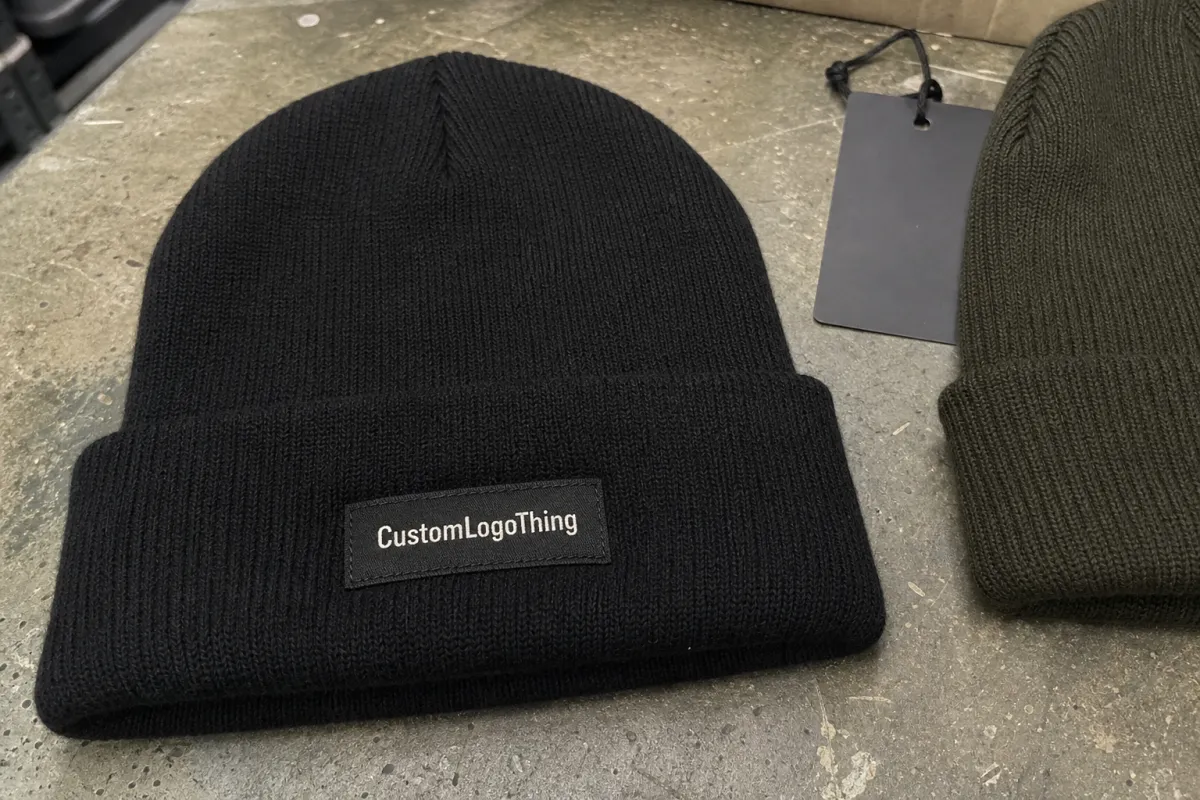
Decoration needs the same discipline. Embroidery looks sharp when the knit is stable and the front panel has enough flat area. Woven labels and patches each ask for different spacing rules, and a design that looked balanced on a flat mockup can feel crowded on a cuff that flexes. An apparel premium cuffed Beanies Reorder Plan should start with the approved decoration method, thread colors, and placement dimensions, not with a loose phrase like "same logo, same beanie."
Fit is the part many teams underestimate. A shallow cuff can feel modern and compact. A deeper cuff often reads stronger on a retail shelf and leaves more room for branding. Crown depth changes the silhouette; a little extra body can create a relaxed drape, while a shorter body gives a firmer, more traditional shape. If the first run was approved for a specific look, keep that production sample as the control, and compare every reorder against it physically, not from memory.
There is also a channel issue. Wholesale buyers often want a shape that stacks neatly and keeps its outline in a box. Direct-to-consumer programs may prefer a softer hand and lower freight volume, because packaging weight can change margin by more than people expect. A 20-gram increase per unit does not sound dramatic until it is multiplied across thousands of pieces and moved by air. That sort of math shows up quickly on a freight invoice.
Specification lockpoints for repeat production
If a reorder is going to land cleanly, the spec sheet needs enough detail that two different production teams can read it the same way. Vague instructions invite interpretation, and interpretation is where drift begins. The critical fields are the finished measurements, yarn type, gauge, stitch count, approved color standard, artwork format, label dimensions, folding method, and carton pack-out. An apparel Premium Cuffed Beanies reorder plan works best when those items are documented, dated, and attached to the purchase order.
Here are the lockpoints that should not be left open-ended:
- Finished measurements: overall length, cuff height, and relaxed width.
- Material callout: acrylic, acrylic-wool blend, or another approved yarn blend.
- Construction details: gauge, stitch count, crown shaping, and seam finish.
- Color references: Pantone target, lab dip approval, or prior production match.
- Decoration file: vector artwork, embroidery placement, thread colors, or patch spec.
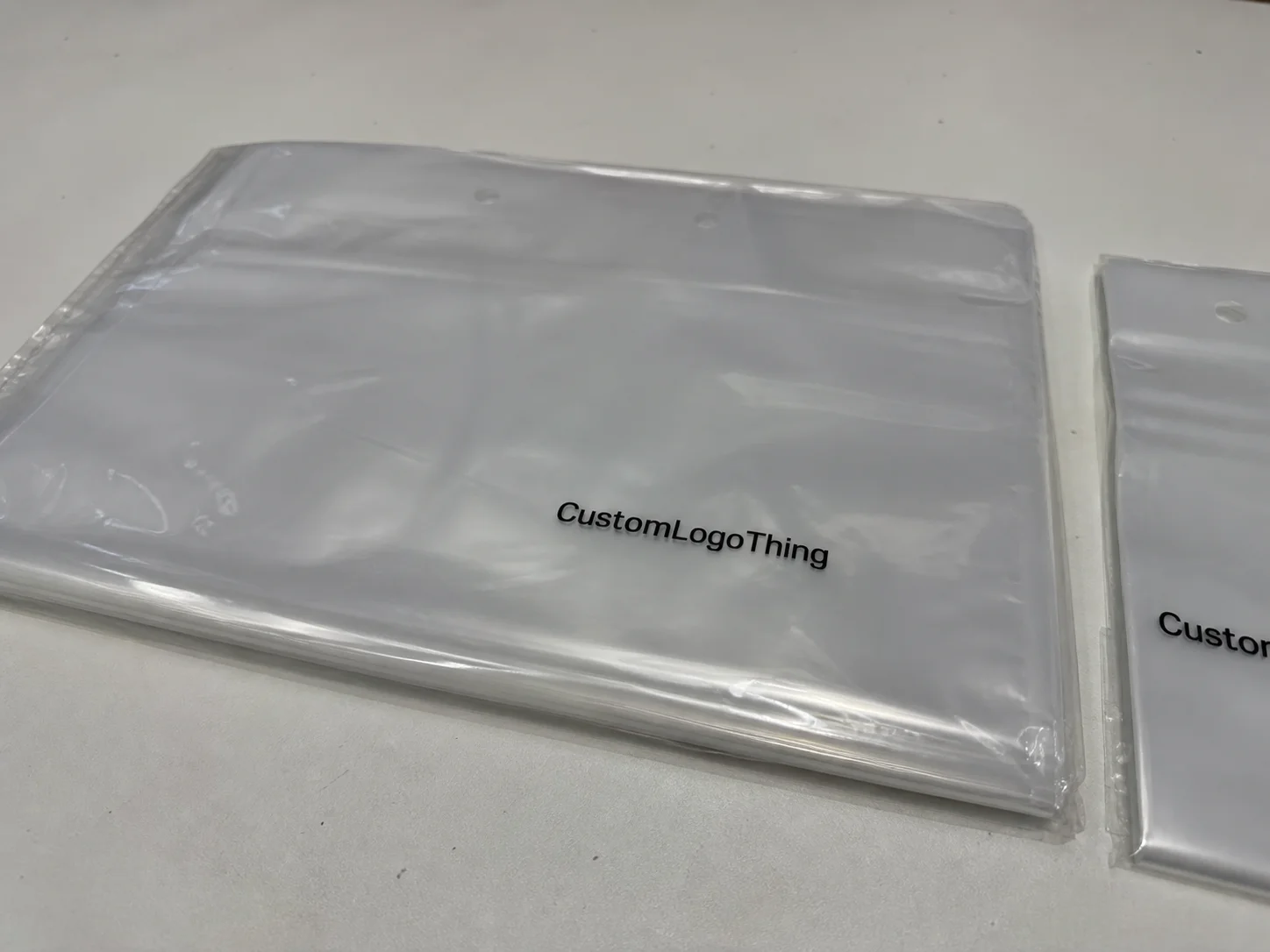
- Packaging spec: folding method, polybag count, carton pack-out, and barcode placement.
Tolerances deserve their own line, not a footnote. A few millimeters on cuff depth can change the visible decoration area. A small shift in relaxed width can change head feel enough to trigger complaints from a customer who never uses technical language. The buyer should know what is acceptable before production starts, because if the factory is guessing later, it usually guesses conservatively and then ships something that no longer matches the first sample.
Packaging details can also move the economics. Carton pack-out changes compression, freight efficiency, and receiving speed. Retail-ready labeling changes labor on the back end. If paper inserts are part of the program, FSC-certified stock may be worth specifying when the brand needs that claim for packaging or marketing copy. For transit behavior, many teams lean on the same sort of handling logic used in ISTA testing, because carton damage often starts before the customer ever sees the product. The product can be perfect and still arrive poorly presented if the pack-out is wrong.
One practical habit helps here: keep one approved control sample sealed and tagged. It should sit beside the spec sheet, not buried in a drawer or left with an outdated PO. A beanie reorder is too small to survive fuzzy documentation. The cost of a misplaced sample is not the sample itself; it is the next production run that loses its reference point.
Cost, MOQ, and unit price drivers
Pricing for a cuffed beanie reorder is usually driven by a short list of variables, and most of them are predictable. Yarn choice is the first lever. Standard acrylic is generally less expensive than specialty blends, and heavier yarn weights can increase both material cost and machine time. Stitch complexity comes next. Dense knit programs take longer to run and may require more finishing work, especially if the surface has to stay clean for embroidery or patch attachment.
Decoration adds cost in layers, not one at a time. A single embroidery location is one thing; multiple logos, woven labels, custom patches, inside labels, and retail tagging each add labor and setup time. Packaging can be just as influential. A simple bulk fold costs less than retail-ready bagging with barcode placement and insert cards. Small changes compound quickly, which is why the quote should be tied to the exact repeat build rather than a loosely described version of it.
MOQ affects the unit price directly. Smaller runs carry more setup cost per piece because the factory still has to reserve yarn, calibrate the machines, confirm the decoration, and pack the cartons. Larger runs usually reduce the unit cost if the spec stays fixed, but only if the buyer can truly absorb the volume. A reorder should not be priced like a sample project. It should be priced like a repeat build with a known approval path.
| Reorder size | Typical unit price range | What usually drives the price | Best fit |
|---|---|---|---|
| 300-750 units | $4.80-$8.50 | Higher setup load, more labor per piece, small-run packaging | Test replenishment, limited drops, careful demand checks |
| 1,000-3,000 units | $3.20-$5.90 | Balanced production efficiency, stable spec, moderate decoration | Core seasonal restock and channel replenishment |
| 5,000+ units | $2.40-$4.70 | Better machine efficiency, lower setup impact, fixed packing plan | Proven styles, wholesale programs, broader rollout |
Those ranges assume a standard premium cuffed beanie with a stable knit build, one decoration location, and ordinary packaging. They will move if the yarn is imported, if the order needs custom inside labeling, or if the buyer asks for retail-ready folding and barcode placement. That is why the previous production file matters so much. A supplier quoting the exact repeat build can budget more honestly than one guessing from a one-line description.
There is another cost issue that shows up late: sampling after approval. Some buyers request one more round of samples for reassurance, but if the spec has not changed, that extra round can add days without adding information. A fit check on the sealed control sample is often more useful than producing a new sample that merely proves the factory can repeat what it already approved. The exception is a high-risk change, such as switching yarn source, altering the embroidery size, or changing pack-out. In that case, the extra sample is justified.
Production steps and lead time checkpoints
A repeat order moves faster when the production path already exists. The usual sequence is straightforward: confirm the spec, reserve yarn, review artwork if needed, schedule the machines, knit the bodies, finish and trim, inspect, fold, pack, and ship. On a simple run with stock yarn and a single decoration method, lead time often lands around 12-18 business days from final approval. If the order needs special yarn allocation, more complex decoration, or custom packaging, 20-30 business days is a more realistic planning window.
Where does the schedule slip? Usually at approval. Artwork files that are not clean enough for embroidery can freeze the line. Color confirmation can stall the whole job if the prior lab dip is not documented clearly. Delivery instructions can add hidden time if the order needs multiple destinations or split cartons. Reorder timing is rarely lost on the machine; it is usually lost before the machine starts.
An apparel Premium Cuffed Beanies reorder plan should include a backward calendar. Start with the in-stock deadline, then work back to the shipment date, production start, and final approval. That approach sounds ordinary, but it prevents the common mistake of fixing the logo first and the deadline later. A good reorder is not just a production problem. It is a scheduling problem with texture.
There is a useful comparison here. A first run is a discovery process; a reorder is a replication process. The second should spend its time on execution rather than re-approval. If the first sample already proved the crown shape, cuff depth, and decoration area, the reorder only needs to preserve those decisions. Every extra question after that should be treated as a change order, not as housekeeping.
Late freight planning also deserves attention. A beanie can be knitted correctly and still miss the selling window if shipping assumptions are too optimistic. Air freight protects timing but can erase margin. Ocean freight saves money but adds uncertainty. For smaller seasonal drops, the freight choice can matter as much as the decoration choice, especially if the reorder is intended to replenish a fast-moving channel rather than sit in a warehouse waiting for the next quarter.
What a reliable supplier checks before rerunning the order
The strongest suppliers do not treat a reorder like a simple reprint. They compare the approved sample, the current spec sheet, the artwork files, and the packaging notes line by line before production begins. That sounds basic, but it catches the errors that are hardest to spot later: an outdated logo file, a color callout that was never updated, a label size from an old revision, or a carton pack-out that changed after the first quote.
Quality control on beanies is more physical than many buyers expect. They check measurement against the control sample, not only against the paper spec. They look for stitch consistency across the cuff and body, loose yarn ends at the seam, embroidery distortion, shade banding across dye lots, and fold consistency in the packed unit. A small issue in any one of those areas can make the whole lot look inconsistent even if the dimensions are technically within tolerance.
Communication matters because repeat orders often move in pieces. A buyer may want one delivery date for a retail warehouse and another for a distribution center. If those instructions are not clear before packing starts, the supplier may complete the production correctly and still create an operational mess. Reliable partners ask the annoying questions early, because the cost of clarification is lower before the cartons are sealed.
That habit is especially valuable in knitted goods, where material behavior can change with temperature, humidity, and lot variation. Acrylic and acrylic blends are forgiving, but they are not identical from one run to the next. A supplier that understands repeat business will check for compressed width after folding, consistent cuff rollback, and label placement under real handling conditions. The point is not perfection. The point is reducing the chance that a supposedly identical beanie arrives with a different visual profile.
Some buyers also ask for transit checks that resemble ISTA logic or an internal drop test. That is sensible for retail programs, because carton damage often shows up as creasing, scuffing, or uneven stack height rather than a clear product defect. A clean reorder is more than a clean knit. It is a packed unit that survives the trip and still presents like the approved sample.
Next steps to confirm the reorder cleanly
If the goal is a clean replenishment, gather the approved sample, the last PO, the final artwork files, and the exact quantity split before asking for a new quote. Then confirm the delivery target before discussing optional upgrades. That sequence matters because the ship date determines the production window, and the production window determines what is actually realistic. The strongest apparel premium cuffed beanies reorder plan keeps those priorities in order instead of fixing style details before the calendar is even set.
From there, ask for a repeat quote tied to the locked spec. If you want the same beanie with different packaging, new label requirements, or a revised delivery split, separate those changes clearly. Bundling them together only hides the cost drivers. It also makes it harder to tell whether the product changed or the logistics changed.
- Confirm the approved control sample and keep one on file for comparison.
- Attach the prior production details, including measurements, yarn, decoration, and pack-out.
- Set the in-stock deadline first, then work backward to approval and shipment.
- Ask whether the reorder is identical or whether any spec changes need a new price.
- Use the same document set for purchasing, receiving, and quality checks so nothing gets lost between teams.
The simplest rule is also the one most often missed: do not assume the old order is still current. A beanie reorder can drift through old artwork, an outdated size callout, or a packing note that never got updated after the first run. If the documents stay tight, the repeat stays predictable, and the next production run behaves like a true reorder rather than a new experiment.
What should I lock before reordering premium cuffed beanies?
Lock the approved sample, finished measurements, yarn type, decoration method, and packaging format before requesting a new run. If anything changed on the last order, call it out clearly so the quote matches the exact repeat build. Keep one control sample for comparison so future production can be checked against the same standard.
How do MOQ and pricing change on a cuffed beanie reorder?
MOQ and unit price usually move with quantity, yarn choice, decoration complexity, and how much setup work is required. Smaller repeat runs tend to carry more setup cost per piece, while larger runs usually lower the unit price if the spec stays stable. Extra colors, custom labels, or special packing can raise the price even when the beanie itself stays the same.
Can a premium cuffed beanie reorder match the first run exactly?
Yes, if the original spec sheet, sample, and artwork files are complete and still current. The key is to control measurements, decoration placement, and finishing details instead of treating the reorder like a fresh design. A documented tolerance range helps the buyer know what counts as acceptable variation.
What is a typical lead time for a repeat beanie order?
Lead time depends on quantity, stock yarn availability, decoration complexity, and how quickly approvals are returned. A repeat order is usually faster than a first run because the build is already established, but changes can add days or weeks. The clearest way to protect timing is to confirm the ship date before approving artwork or production.
What information speeds up an apparel beanie reorder quote?
Send the previous PO, approved sample details, quantity target, color count, logo files, and packaging instructions together. If you need the same cuffed beanie with a different delivery split, include those addresses and dates up front. The more complete the order brief, the faster the supplier can price the exact repeat without follow-up questions, and that keeps the apparel premium cuffed beanies reorder plan moving in the right direction.