Two caps can look nearly identical in a product render and still behave very differently on a shelf. One keeps its shape, takes decoration cleanly, and survives packing without complaint. The other droops, pills, or reads cheap under store lighting. That difference is why the apparel Retail Merch Caps material guide matters: the fabric, structure, visor build, and finishing choices decide whether the cap feels like a real retail item or a fast mockup with a logo on top.
Buyers are not only purchasing a surface for branding. They are buying a small wearable object that has to hold shape, feel comfortable, survive transit, and make sense at a target price point. A slightly higher unit cost often buys fewer headaches later. Returns, rework, and weak sell-through usually cost more than the extra cents spent on the right cloth or reinforcement.
Apparel retail merch caps material guide: what buyers miss first
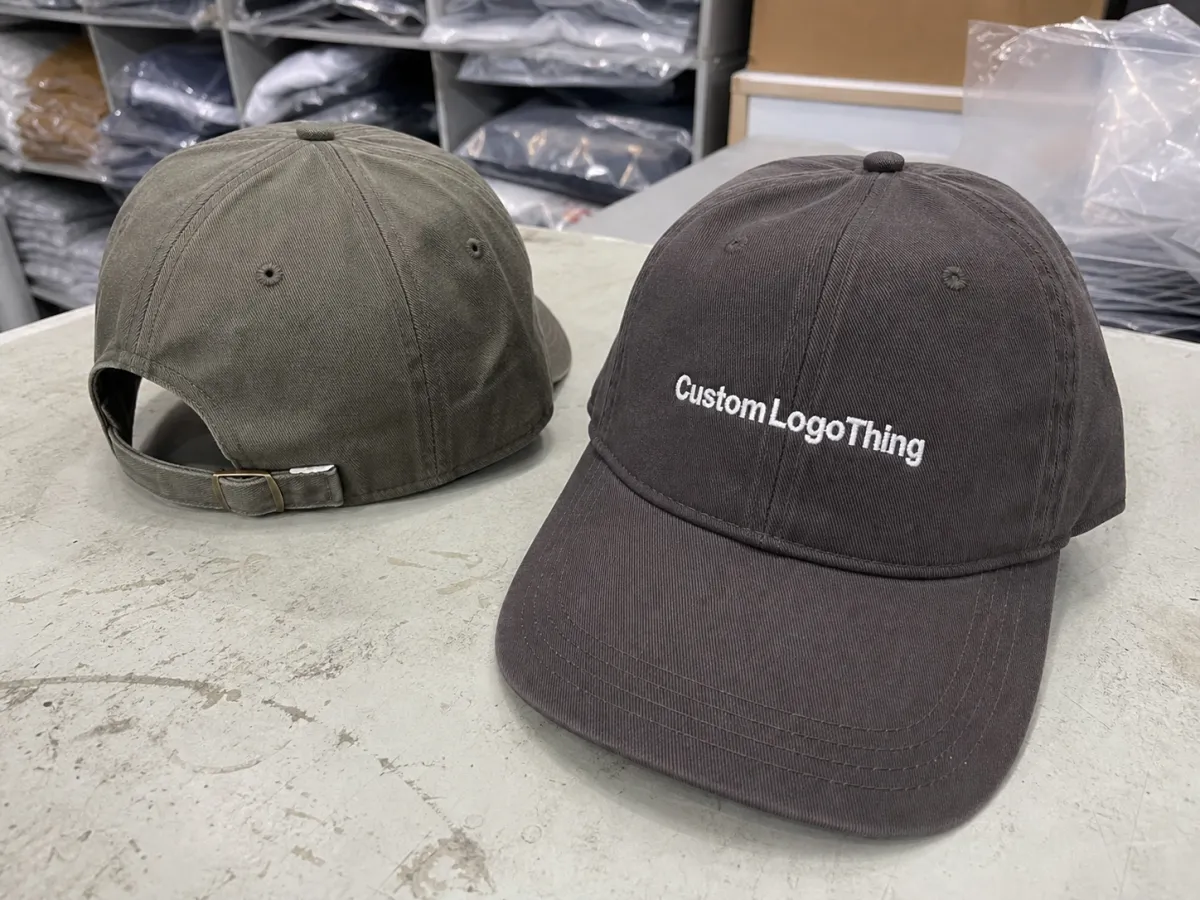
The first thing many buyers miss is that a cap is never one material decision. The crown panels, visor, underbill, sweatband, closure, stitching, reinforcement, and any lining all interact. A 6-panel structured cap with fused front panels projects a cleaner retail silhouette, while a softer 5-panel style tends to read more casual and street-oriented. Those differences are not cosmetic afterthoughts. They control how the cap sits on a head, how the logo lands, and how the item presents on display.
A fabric that looks premium in a swatch can still fail in use if the build is wrong. Cotton twill, for example, has broad appeal because it feels familiar and prints well, but if the visor is too soft or the front panel lacks support, the cap loses its crisp shape quickly. The opposite problem happens too: a front panel that is too stiff can make the cap feel promotional rather than retail-ready. In store, customers notice balance before they notice stitch count.
That is why the apparel Retail Merch Caps material guide has to start with the cap as a system. The shell fabric matters, but so does the hidden structure. Buckram, interfacing, seam tape, and sweatband construction often determine whether embroidery sits flat and whether the cap survives shipping in one piece. A cap that photographs well and then collapses on the floor is more expensive than it looks.
A cap that feels right in the hand usually outperforms one that only looks right in a PDF.
Retail merch buyers should also think about the end use. A souvenir cap, a streetwear cap, and a performance-style merch cap do not need the same handfeel or finish. The right choice depends on customer expectation, price point, and the amount of wear the item is expected to take. A cap built for a quick event giveaway can tolerate a simpler spec. A cap intended to sit on a retail wall needs more durability and a sharper visual finish.
How cap materials influence structure, comfort, and decoration
Material choice affects three things immediately: structure, comfort, and decoration. If one of those is wrong, the cap usually shows it fast. Structure is the easiest to see. A structured front holds the logo stage and keeps the crown upright. An unstructured cap reads softer and more relaxed, but that softness can work against a large embroidered mark or a detailed patch. The shape of the panel matters as much as the panel fabric itself.
Decoration depends on stability. Dense embroidery needs a firm surface so the stitches do not pucker or pull the panel out of line. Woven patches and applique can handle a little more flexibility, but they still need a surface that will not warp after heat, packing, or handling. Screen print and heat transfer work better on smoother synthetics, yet those methods also reveal texture. Fine lettering that looks clear on a flat proof can blur on a rough or brushed surface. That is where many approval mistakes begin.
Comfort is less visible, but it drives repeat wear. Cotton-heavy fabrics usually feel familiar against the skin, while polyester and nylon can feel cleaner and dry faster. Breathability matters if the cap will be worn for long hours or in warm conditions. Mesh backs and perforated side panels help airflow, but they also change the retail read of the cap. A soft brushed cotton cap feels casual and lived-in. A smooth polyester cap feels sharper and more technical. Neither is universally better.
Weight matters too. A heavy cap can feel premium in the hand, yet that same weight can make it hotter and less flexible on the head. A very light cap may wear comfortably but fold too easily in transit. Buyers often focus on the shell fabric and ignore the sweatband, but the sweatband is where comfort gets won or lost. If it is too rigid, the cap feels restrictive. If it is too flimsy, the structure collapses faster.
Fabric, finish, and construction choices that shape retail appeal
Most retail caps are built from a small group of familiar fabrics, but the finish changes the result more than many buyers expect. Cotton twill remains a standard because it is easy to source, holds print and embroidery well, and feels natural to a broad consumer base. Brushed cotton softens the surface and can raise the perceived quality. Washed cotton gives a broken-in look that works for vintage, heritage, and streetwear collections. On the more technical side, polyester and polyester-cotton blends often deliver better color retention and easier care, while nylon brings a cleaner, slightly sportier finish. Mesh improves airflow, and recycled materials are increasingly used where sustainability claims are part of the assortment.
Finish changes how the cap reads on shelf. A brushed surface feels softer and more approachable. A washed surface suggests relaxed wear and a less manufactured look. Smooth synthetics reflect store lighting differently, often appearing sharper and more precise. That can work well for athletic merch or cleaner logo programs. The most expensive option is not always the most suitable one. The real test is whether the fabric supports the brand story at the price the customer expects to pay.
Construction details deserve equal attention. Panel count changes seam placement and crown geometry. A higher crown usually gives the logo more presence, while a lower crown feels closer to fashion-led caps. Visor curve affects side profile and overall attitude. Stitch density influences both appearance and durability. Even small details such as seam tape, underbill color, and sweatband binding can move a cap from generic to deliberate.
There are a few checks that consistently catch problems early:
- Colorfastness testing if the cap will sit under strong retail lighting or be handled often.
- Shrink resistance for cotton-heavy styles, especially if the item may encounter moisture.
- Stain behavior on pale colors, since carton rub and shelf dust show quickly.
- Shape retention after packing, because a crushed front panel changes the entire presentation.
Packaging is part of the product, not an afterthought. Caps often ship better with kraft paper support inside a corrugated cardboard shipper to protect the crown and brim. If sustainability claims are part of the brief, FSC certified paper inserts, post-consumer waste content, or carefully specified biodegradable packaging can reinforce the message without complicating the packout. Standards from groups like ISTA are useful because crushed crowns and bent visors are predictable transit failures, not surprises.
Decoration method should be matched to the fabric early, not after the sample is built. Embroidery looks strong on stable twill and structured fronts. A woven patch can sit on more surfaces, but it still needs a base that resists warping. Heat transfer can be efficient for smaller runs, though the finish may look flatter on textured cloth. If the logo has tight letter spacing or fine detail, the wrong substrate will blur the artwork long before the buyer notices the thread count.
Cap production steps, sample timing, and lead time
The production path is simple on paper and less simple in practice. A typical run starts with the brief, tech pack, or reference review, then moves into material sourcing, proofing, sample development, approval, bulk production, inspection, and shipment. The cleaner the spec, the smoother the process. When artwork, fabric targets, and packaging expectations are vague, the schedule starts slipping almost immediately.
Sample timing is where buyers usually learn whether a project is under control. A straightforward visual sample may take about 5 to 10 business days once materials are confirmed. A more complex decorated sample can take longer if it involves custom thread, special wash effects, or patch development. Bulk production often falls in the 12 to 20 business day range after approval, but that is a planning range, not a guarantee. Fabric availability, factory queue, decoration method, and seasonality can all add time.
Lead time and turnaround are related but not identical. A factory can decorate caps quickly once the line is set, yet still need extra days to source a specific fabric, dye a custom color, or prepare a new closure. That is why approval speed matters so much. Each revision to panel color, logo size, seam placement, or packaging adds friction. The biggest delays are rarely dramatic; they are usually a handful of small unanswered questions.
Physical samples are worth the wait. Photos hide too much. The handfeel of the cloth, the stiffness of the visor, the depth of the crown, and the comfort of the sweatband are all easier to judge in person. Retail caps live or die on these details. A cap that looks acceptable in a mockup may still feel awkward on the head, and that is hard to fix after bulk production starts.
Cap pricing, MOQ, and unit cost tradeoffs for merch buyers
Price is never just a single number. The real cost of a retail cap depends on fabric type, panel count, decoration method, closure style, washing or dyeing, packaging, and quantity. A simple cotton twill cap with a small embroidered logo can cost far less than a fully built retail piece with custom labels, woven patches, branded insert cards, and individual packing. The build mix matters more than the headline rate.
MOQ changes the equation quickly. Higher quantities spread setup and tooling across more units, which usually lowers unit cost. Smaller runs can still make sense, but they often carry higher setup fees and fewer material choices. A buyer ordering 300 caps will almost always see a different cost structure than one ordering 5,000. That does not make the small order inefficient. It means the spec has to match the budget and the sales plan from the start.
| Cap build | Typical unit cost range | Best use case | Main tradeoff |
|---|---|---|---|
| Basic cotton twill, small embroidery | $1.80-$3.20 at 1,000-3,000 pcs | Entry retail merch, events with resale value | Less premium handfeel and fewer finish options |
| Structured polyester blend, stitched patch | $2.60-$4.80 at 1,000-5,000 pcs | Retail shelves, cleaner logo presentation | Slightly higher setup and decoration cost |
| Washed cotton or brushed cotton, detailed embroidery | $3.20-$5.90 at 1,000-3,000 pcs | Streetwear, premium lifestyle merch | More sampling, plus more color variation risk |
| Recycled material build with branded packaging | $3.80-$6.50 at 1,000-5,000 pcs | Sustainability-led retail programs | Paper goods, inserts, and compliance raise cost |
Those figures are directional, not fixed quotes. Thread count, logo coverage, closure choice, and packaging all move the final number. The cleanest way to compare vendors is to break the quote into blank cap cost, decoration, sampling, shipping, and packaging. That makes it easier to see where a cheaper number is only cheaper because something was removed from the build.
Revision creep is a real cost driver. Three sample rounds, one color correction, and a rushed freight upgrade can erase any savings from a low starting quote. The same risk appears when a premium material is chosen for a cap that needs to hit a modest shelf price. The cap still has to leave room for margin, packaging, and fulfillment. Good buying means protecting the retail math, not just the factory price.
Common mistakes when choosing merch cap materials
The most common mistake is trusting the mockup too much. Some fabrics look expensive on screen but feel thin in the hand. Others look plain in a render and end up feeling strong and well-made once they are sewn. Mockups are useful for artwork placement and color direction, but they do not reveal texture, stretch, or recovery. Those are physical qualities, and physical qualities change wear perception fast.
Another frequent problem is separating decoration from material choice. Dense embroidery on a very light front panel can pucker the crown. A patch adhesive may not bond well to a textured finish. Dark fabrics can distort logo color, especially if the artwork depends on clean contrast. If the logo matters, the material and the decoration method should be chosen together. Treating them as separate decisions usually creates avoidable sample rounds.
Fit gets overlooked more than it should. Crown depth changes how the cap sits on different head shapes. A sweatband that is too rigid can make the cap uncomfortable. A visor that is too heavy can tip the front downward and change the silhouette. Breathability matters as well, especially for pieces that will be worn in warm markets or for long periods. A beautiful cap that people wear once is not performing the way retail merch should.
There is also a habit of approving from photos alone. That saves time in the short term and creates problems later. Photos are not enough to judge stiffness, closure feel, weight balance, or how the cap lands on a head. If the order has meaningful budget behind it, request swatches or a full sample. The delay is small compared with the cost of correcting a weak bulk run.
Sustainability claims need discipline. A paper insert may be FSC certified, a master carton may contain post-consumer waste, and a sleeve may be described as biodegradable packaging, but those terms are not interchangeable. If the buyer wants to tell a green story, the material spec and the documentation should support that story clearly. The FSC reference language is helpful for paper and board, especially when procurement teams need cleaner wording.
Expert tips and next steps for a cleaner buyer spec
The best cap orders usually begin with a spec sheet that leaves little to interpretation. Include target retail price, intended audience, preferred fabric, decoration method, closure style, color range, quantity, and packaging expectations. If the cap needs to feel athletic, streetwear, souvenir, or premium lifestyle, say that plainly. One sentence of positioning can eliminate several rounds of back-and-forth later.
Clarify how the cap will be packed. If the item needs to land display-ready, note whether it should include tissue, a branded insert, a fold-and-ship layout, or a transit-first carton build. For many programs, modest kraft paper support inside a corrugated cardboard shipper is enough to preserve shape. If sustainability is part of the brief, specify whether recycled board, FSC-certified paper, or a lighter packout is required, and make sure the protection still holds up in transit.
A cleaner buyer spec usually answers these questions before the quote is released:
- Cap shape: structured or unstructured, 5-panel or 6-panel, low crown or mid crown.
- Decoration method: embroidery, patch, print, applique, or a combination.
- Material feel: swatch, sample, or both if the fabric is unusual.
- Packaging spec: retail-ready, bulk packed, or transit-first.
- Budget ceiling: enough room for fabric, finish, and margin.
The strongest buying decision is usually the one that matches the cap to its real job. A cap meant for everyday wear needs comfort and shape retention. A streetwear piece needs texture and attitude. A souvenir cap needs clear value and fast readability. A performance-style merch cap needs breathability and easy care. Those priorities are not interchangeable, and that is exactly why the Apparel Retail Merch Caps material guide belongs at the beginning of the process rather than the end.
Once the spec is fixed, Request a Quote that separates the cap body, decoration, sample, and packaging. Then verify the feel, fit, and shape with a physical sample or swatch set before bulk release. That last check usually saves time, money, and a long round of avoidable corrections.
What should I look for in an apparel retail merch caps material guide before ordering?
Focus on fabric feel, structure, decoration compatibility, and how the cap will hold up after handling, shipping, and repeated wear. Compare the material against your retail price point so the cap feels premium enough without pushing unit cost past margin limits.
Which cap material is best for embroidered retail merch caps?
Medium-weight cotton twill, polyester blends, and structured fronts usually give embroidery better support than very soft or overly thin fabrics. If the logo is dense or detailed, ask for a sample stitch-out so you can check puckering and logo clarity before bulk approval.
How does material choice change unit cost for merch caps?
Higher-end fabrics, specialty washes, and complex construction raise material and labor cost, while simpler blank caps usually keep pricing lower. Decoration method also matters, because embroidery, patches, and custom labels each add setup time and per-piece cost.
How long does cap production usually take after approval?
Timing depends on fabric sourcing, sample revisions, and decoration setup, but production usually moves faster once artwork and materials are approved. Add extra time for custom colors, special finishes, or seasonal congestion if the order must arrive by a hard retail launch date.
What is the safest way to compare cap samples before buying?
Check fit, crown shape, brim firmness, sweatband comfort, and logo placement in real lighting rather than relying on digital photos alone. Compare multiple samples side by side against your target customer and price point so the final choice is based on performance, not just appearance.


