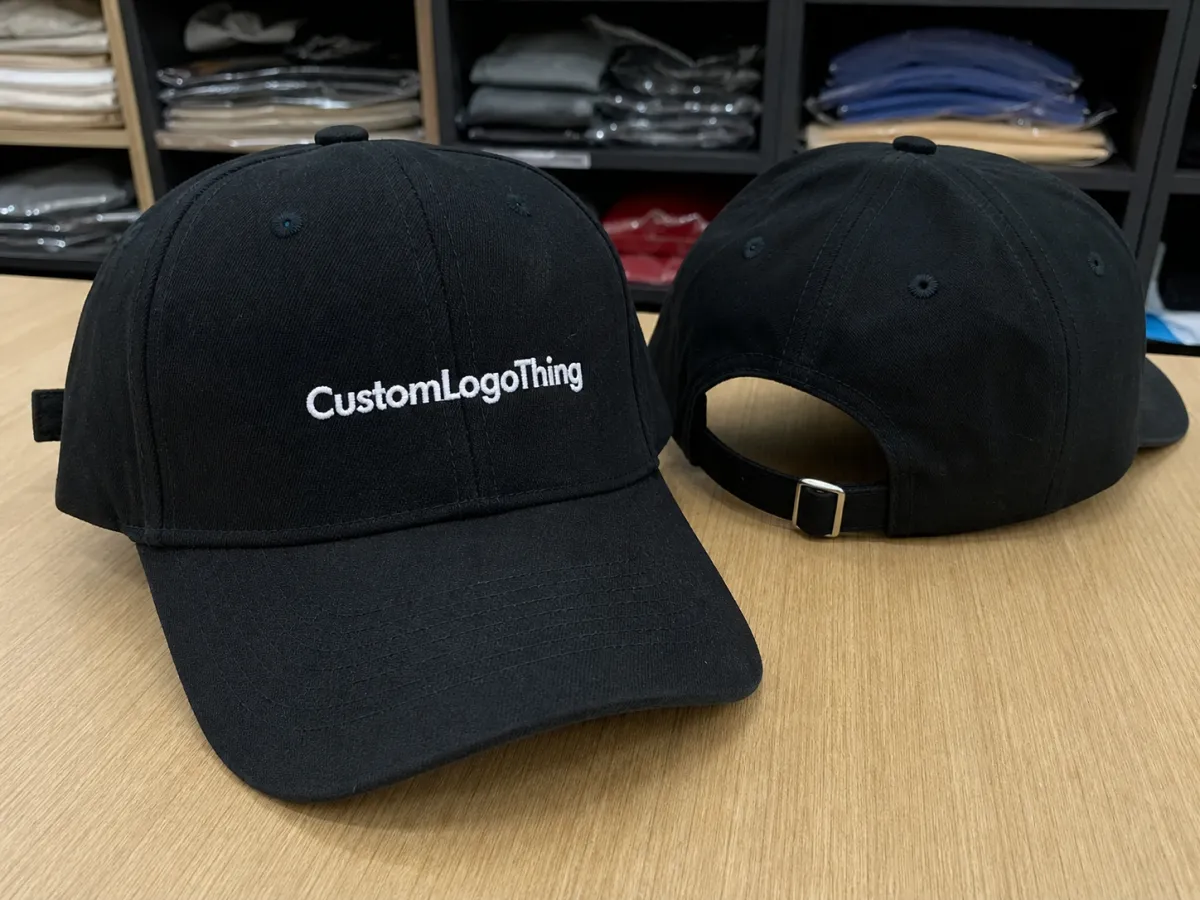
Caps sit in a rare category. They can move at a live event, hold their own on a retail wall, and avoid the size-run problems that complicate tees and hoodies. That is why searches around event merch Retail Merch Caps moq usually come from buyers who are not just looking for decoration ideas. They are trying to solve three things at once: margin, speed, and inventory risk.
The cap itself is only half the decision. MOQ shapes whether the order is a test run, a profitable small drop, or a bulk buy that will sit too long if the design underperforms. A 100-piece run can be the right answer for a booth at a weekend event. The same cap at 1,000 pieces may be a better retail bet if the art is broad enough to carry through multiple seasons. The math changes fast, and buyers feel that difference immediately in the quote.
One reason caps stay popular is simple: one size reduces friction. Fewer fit issues mean fewer returns and less sorting. A product that can ship, display, and sell without size breakdowns has a natural advantage in pop-up stores, campus programs, music merch tables, and trade show counters. That advantage disappears, though, if the style, decoration method, and pack-out do not match the channel.
“A cap that has to work for both an event table and a retail shelf needs more than a strong logo. Crown shape, closure, and finish all affect whether the item feels like impulse merch or a real product.”
That is the practical starting point. Not the logo alone. Not the lowest unit price alone. The right cap program is built around how the item will actually be sold, worn, and packed.
Event merch retail merch caps MOQ: what buyers miss first
Most first-time buyers focus on artwork. The more useful question is how the cap has to behave in the market. Event merch needs a design that reads quickly from a few feet away, holds attention without long explanation, and keeps the price friendly enough for an impulse buy. Retail merch asks for a cleaner silhouette, better finishing, and enough consistency to sit beside other branded goods without looking temporary. Those are not the same assignment.
MOQ is where that difference shows up. A low MOQ can make a launch possible, but the unit cost may be high enough that the cap only works as a premium item. Higher MOQ usually improves bulk pricing, yet it also increases exposure if the design does not move. That tradeoff gets sharper in cap programs because buyers often assume one blank will solve both event and retail needs. Sometimes it does. Often it only works if the spec is tuned carefully.
There is also a hidden benefit to caps that larger apparel pieces do not have. Because they are one size, a 250-piece cap order can be easier to approve than a 250-piece tee order split across multiple sizes. That simplicity is a major reason caps remain a go-to item for launch merchandise, sponsor giveaways that need a premium feel, and retail test programs where the buyer wants a lower-risk first run.
Channel behavior matters more than many quote sheets admit. Event merch usually rewards speed, easy visual recognition, and packaging that can be opened, counted, and sold quickly. Retail merch wants repeatable color, more controlled hand feel, and a finishing level that does not collapse under close inspection. A quote that ignores that split can look attractive on paper and still fail in the store.
The biggest mistake is treating MOQ as a separate administrative number instead of a production constraint. MOQ is tied to setup time, sewing line efficiency, decoration tooling, and pack-out. If a supplier is quoting a run that feels unusually low, there is usually a reason: stocked blanks, a simpler build, or fewer customization points. That can be useful. It can also mean the design has to be adjusted to fit the production method rather than the other way around.
Pick the cap style that fits the sales channel
Style choice drives perception quickly. Structured snapbacks create a sharper front panel and a more retail-ready profile. Unstructured dad caps feel softer and more casual, which often suits lifestyle brands, artist merch, and lower-pressure event sales. Trucker caps still perform well when breathability matters. Five-panels give a flatter canvas for decoration. Fitted caps look clean, but they complicate inventory and usually make MOQ less forgiving.
Crown height, brim shape, and closure type change the value signal more than many buyers expect. A mid-profile cap with a pre-curved brim reads differently from a high-profile flat-brim snapback, even if the blank cost is nearly the same. Closure matters too. Snapbacks are easy to stock. Strapbacks feel a little more premium. Fitted caps can look polished, but they require tighter forecasting, which is usually the opposite of what a small test order needs.
From a production standpoint, fewer silhouettes almost always helps. One style in two colors is easier to schedule than five styles spread across different panels, closures, and decoration placements. More silhouettes usually mean more setup, more approval friction, and more packing complexity. Even when the per-piece price does not move much, the project becomes harder to manage and easier to miscount.
That matters differently by channel. Event merch often does best with one style that can be bought in volume and sold immediately. Retail merch usually performs better with one carefully chosen silhouette that feels intentional and durable. If the cap line is meant to support both, start with the style that can handle the more demanding channel first. A design that works in retail will usually survive an event table. The reverse is less reliable.
A practical shortcut helps here: if the logo needs a bold, upright front panel, structured styles usually work best. If the artwork feels more like a casual lifestyle mark, a dad cap or unstructured cap is often the cleaner choice. If the design needs a wide decoration area and simple construction, five-panel styles deserve attention. That fit between silhouette and sales job keeps the order from becoming a cheap-looking compromise.
Materials, decoration, and build specs that affect sell-through
The blank is not just a blank. Fabric choice changes both feel and durability. Cotton twill is still a reliable option because it takes embroidery cleanly and feels familiar to most buyers. Brushed cotton softens the hand and often reads as more premium. Polyester blends resist wrinkling and can hold deeper color. Mesh backs reduce heat build-up on trucker styles. Foam fronts create a retro look that still sells when the art needs a louder stage presence.
Decoration method changes the economics as much as the appearance. Flat embroidery remains the baseline because it is durable, readable, and familiar. 3D puff embroidery adds depth and gives a cap more shelf pop, but it works best with cleaner letterforms and simpler marks. Woven patches are useful when the artwork includes detail that stitches would blur. Leather patches can push a cap toward a more premium price point. Printed patches and woven labels can solve artwork issues without inflating stitch counts.
Retail-facing caps need scrutiny beyond the front logo. Buyers should check stitch density, seam alignment, crown symmetry, sweatband quality, and color consistency between the sample and the bulk run. A cap can look excellent in a single image and still feel off when the panels twist or the inside finishing feels thin. In retail, those details are part of the product. They are not background noise.
Material and construction also affect how the cap ages. A slightly heavier crown can help a structured style keep its shape after repeated wear. A lighter unstructured style may feel better on first touch but can lose form faster if the fabric is too soft or the brim construction is weak. This is where buyers need to think beyond launch day. A cap that sells quickly at an event may still be a poor retail item if it looks tired after a week of wear.
Packaging changes the perceived value too. A simple polybag can be fine for event merch, especially if the cap is moving fast and the packaging is only there for handling. Retail merch often benefits from hang tags, barcode labels, and cleaner folding or bagging standards. FSC-certified paper for tags or inserts can support sustainability claims when the brand needs that detail. If shipment durability matters, packaging test standards from groups like ISTA give buyers a useful reference for carton performance. The cap itself may be small, but crushed brims and sloppy carton specs still create expensive problems.
Packaging specs should be written down with the rest of the order. Bag type, carton count, master carton dimensions, and label placement are all part of the production quote. If those details are left vague, the buyer may save a little time at the start and lose much more later in warehouse handling or damaged goods.
Pricing, MOQ, and unit cost signals
Cap pricing looks straightforward until the extras appear. Digitizing, patch tooling, custom labels, special packaging, and rush scheduling can move the final number more than the blank itself. The silhouette matters, but the decoration path and pack-out determine whether the order stays in range.
The usual pattern is predictable. Smaller runs cost more per piece. Larger runs improve unit cost but increase inventory risk. That sounds obvious until a quote arrives with a decorated cap at a price that only works if the buyer commits to a bigger quantity than planned. The reverse also happens: a low-MOQ quote can look attractive, then become expensive once a patch setup fee, carton spec, and individual bagging are added.
Ask for tiered pricing. A single price hides the point where the economics start to improve. The jump between 50, 100, 250, and 500 pieces can be wide, especially when the decoration method changes. That is where the real decision lives. Not in the headline number, but in the breakpoint where a test run becomes a sensible bulk buy.
Common cost drivers usually include the following:
- Decoration complexity: more thread colors, dense stitch counts, and 3D puff work usually increase cost per piece.
- Tooling fees: woven patches, leather patches, and custom labels may require separate setup.
- Setup charges: digitizing, proofing, and art cleanup are often front-loaded into the first run.
- Packaging requirements: polybags, hang tags, barcode labels, and custom cartons all affect the final quote.
- Shipping timing: rush production and split shipments usually add premiums.
| Cap style | Typical MOQ | Typical cost per piece | Best fit | Notes |
|---|---|---|---|---|
| Embroidered dad cap | 50-100 | $3.90-$6.20 | Lifestyle retail, softer event merch | Good hand feel; lower visual rigidity |
| Structured snapback | 100-250 | $4.20-$7.50 | Sports, brand drops, retail walls | Strong front panel for logos |
| Trucker cap | 100-250 | $3.60-$6.80 | Outdoor events, promo programs | Mesh back helps comfort and sell-through |
| Five-panel cap with patch | 100-300 | $4.80-$8.40 | Streetwear, premium retail merch | Patch quality becomes the main value signal |
Those figures are directional, not universal. A stocked blank with simple embroidery and standard bagging can sit at the lower end. Add a dense logo, special patch work, or retail-ready pack-out and the same order moves quickly toward the high end. MOQ influences price, but the decoration path influences it just as much.
For buyers comparing event merch Retail Merch Caps moq across several sales channels, the useful question is not “What is the cheapest cap?” It is “What quantity gives the best margin without leaving dead stock?” That question is less convenient, but it leads to better purchasing decisions.
Order process, timeline, and lead time
The order process works better when the brief is complete on the first pass. Send quantity, cap style, logo file, color targets, decoration method, packaging needs, and delivery date together. That gives the quote a chance to be accurate instead of optimistic. If the launch date is fixed, say so early. Production time is only part of the schedule. Proofing, revisions, approvals, and waiting for stock all take time too.
A normal workflow usually moves through inquiry, quote, artwork proof, sample approval, production, quality check, and shipping. Most delays happen before production starts. Vector cleanup can take a day or two. Patch mockups can take longer if colors need adjustment. If the logo includes tiny text or thin lines, the art may need to be simplified for embroidery so it stays readable on the crown. That adjustment is not a nuisance. It is often what saves the order.
Lead time depends on three variables: decoration method, order size, and whether blanks are already in stock. A straightforward embroidered run on stock caps may be ready in about 12-15 business days after proof approval. Patch-heavy builds, mixed color orders, or custom packaging can push the schedule closer to 15-25 business days. Rush service is sometimes possible, but it usually costs more and reduces flexibility in proofing.
Quality control should be built into the schedule, not treated as a final afterthought. Buyers should expect checks for logo placement, thread tension, patch alignment, color accuracy, seam consistency, and pack-out count. On larger runs, a practical inspection plan includes random sampling from several cartons rather than only checking the first box. That is how buyers catch issues like a small shade shift or a slightly off-center patch before the whole shipment is released.
Shipping deserves the same attention. Caps are compact, but they can still be damaged if cartons are packed too loosely or stacked badly. For orders going to multiple stores or a direct-to-consumer launch, carton labeling and stackability matter. Parcel carriers are not gentle, and a good cap can look cheap after a crushed brim. The closer the packing standard gets to the destination, the fewer problems appear at receiving.
The clean order sequence is simple: lock the design, confirm the delivery window, then place the order. Buyers who reverse that order often pay for it in rush fees or compromised decoration choices. There is no advantage to chasing the perfect proof if the event date is already fixed.
What a solid cap program needs to deliver
A solid cap program does not impress with sales language. It reduces surprises. Buyers need repeatable results between the sample and the bulk run, clean documentation, and enough clarity to reorder later without rebuilding the whole spec. That matters more than a flashy mockup because a cap is rarely a one-time purchase. If the first run works, the second run should not require detective work.
Spec clarity is what makes comparison possible. The buyer should be able to see the difference between an embroidered cap for faster sell-through, a patch cap with stronger retail presence, a premium build with upgraded packaging, and a lower-risk test run that proves demand before a larger order. If those options are buried in vague language, the quote becomes hard to approve and harder to defend internally.
Good QC is not complicated, but it is specific. The front logo should be centered. The brim should hold its shape. The panel seams should lie cleanly. The inside sweatband should feel consistent from sample to bulk. The color should match across cartons, not just on the hero sample. If a patch is part of the design, its edge finish matters as much as the artwork itself. Buyers who inspect those details usually spot problems early enough to fix them.
Reordering is another place where good documentation pays off. A well-recorded first run shortens art prep on the second order and lowers the chance of color drift or panel variation. That matters in retail, where repeated runs are common, and in event merch, where a successful design may need a fast follow-up. A clean spec sheet is a quiet form of insurance.
What buyers usually appreciate most is a quote that makes choices visible instead of hiding them. A dependable cap program should show how the unit cost shifts with quantity, how the finish changes with each decoration method, and how packaging affects both presentation and warehouse handling. That is the point where buying becomes planning rather than guesswork.
Next steps to build a usable quote
If the goal is a quote that can actually be used, send the details that change the number. Quantity target, backup quantity, cap silhouette, artwork file, color count, decoration method, packaging needs, and ship date belong in the first message. A complete brief shortens back-and-forth and usually yields a more useful pricing table on the first round.
Ask for quantity breaks, not just one number. The point is to find the breakpoint where MOQ improves unit cost enough to justify a larger order. That matters whether the cap is going into a retail launch, an event booth, or a mixed program that has to serve both. The quantity table often tells the real story faster than the product rendering does.
A mockup or sample image is still useful, but it should be reviewed for proportion and readability, not just overall attractiveness. If the logo is busy, embroidery may require simplification. If the cap is meant for premium retail merch, packaging should be shown in the proof as well, because shelf presentation can lift perceived value as much as a small material upgrade.
What to prepare before requesting a quote:
- Quantity target and backup quantity.
- Cap silhouette and preferred colorways.
- Vector artwork or the cleanest file available.
- Decoration method: embroidery, patch, print, or mixed.
- Packaging needs, including labels, bagging, and cartons.
- Delivery deadline and any launch date that cannot move.
If the cap has to serve both event merch and retail merch, say that upfront. It changes the recommended materials, the finishing level, and the margin math. That is the fastest path to a quote that reflects how the product will really be sold instead of how it looks in a mockup.
For buyers working through event merch retail merch caps moq, the best result usually comes from a spec that is clear enough to price, simple enough to produce, and polished enough to sell. That balance is the whole job.
What is the usual MOQ for custom event merch caps?
MOQ depends on the cap style and the decoration method. A simple embroidered cap may be available in smaller runs, while patch-heavy or custom-finished styles often require a higher minimum because of setup and tooling.
Can retail merch cap orders mix colors under one MOQ?
Sometimes, but the answer depends on whether the supplier treats color changes as one style or multiple SKUs. Multiple colors can raise packing complexity and may affect unit cost, so ask for a color-by-color breakdown.
How long does cap production take after artwork approval?
Lead time varies by decoration complexity, order size, and stock availability. A straightforward embroidered order on stocked blanks may move in roughly 12-15 business days after approval, while more complex builds can take 15-25 business days or longer.
What logo files work best for embroidered caps?
Vector files are the safest starting point because they hold clean edges during digitizing. If the design has tiny type or fine detail, a simplification pass is usually needed so the stitch work stays readable on the curved crown.
How should I budget for event merch vs retail cap pricing?
Budget around MOQ, decoration method, packaging, and lead time. Event caps usually prioritize Lower Unit Cost and faster movement, while retail caps need stronger finishing and a more controlled presentation. The right budget is the one that protects margin without leaving inventory behind.