The Apparel Trucker Caps sample checklist matters because a small miss on a sample can become a large problem in bulk. A logo that is a few millimeters off, a crown that sits too high, or a mesh that feels stiffer than expected can change how the whole order looks and wears once production starts.
A useful checklist does more than confirm that the sample “looks fine.” It helps you verify structure, decoration, fit, materials, and production readiness before the factory cuts into volume. That is the real purpose: reduce uncertainty before the order gets expensive.
Buyers also need to separate sample types. A concept sample checks silhouette and general shape. A decorated sample proves the branding method, whether embroidery, woven patch, rubber patch, or heat-applied decoration. A pre-production sample should be the closest match to the final order, so it deserves the strictest review.
Why a Small Sample Miss Can Reshape the Whole Order
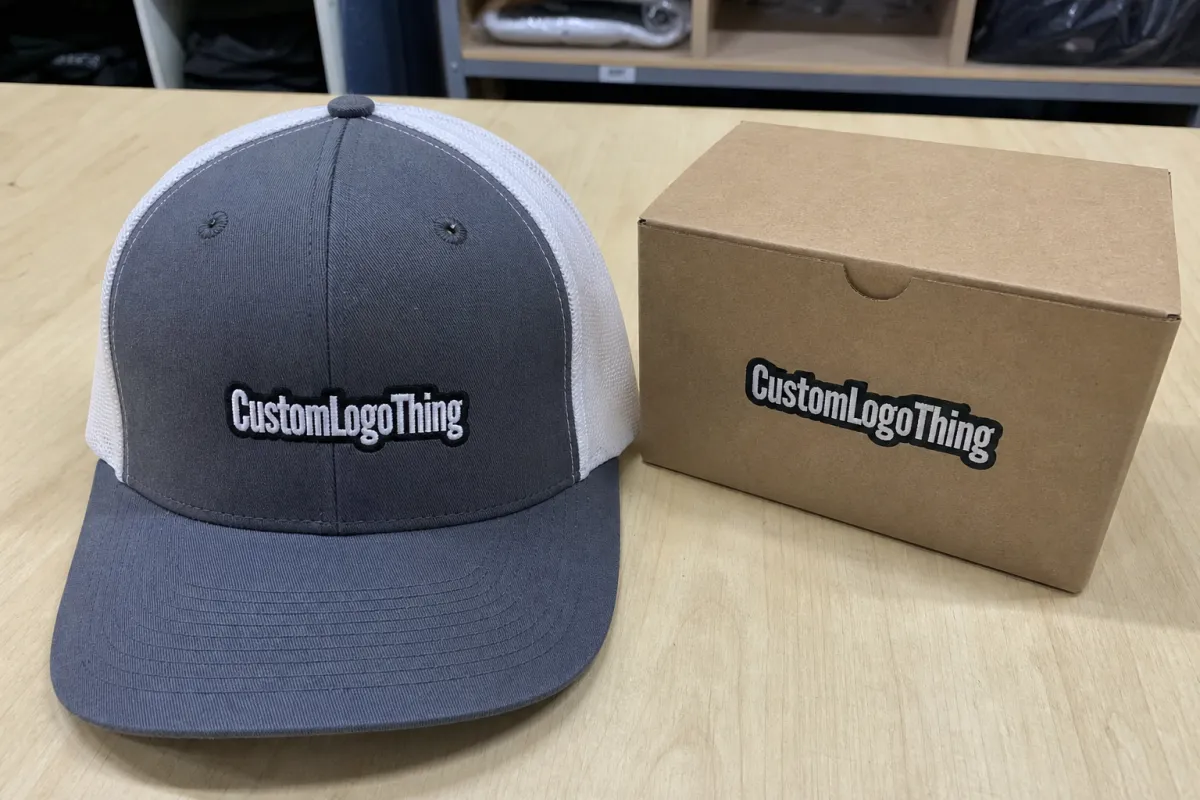
Trucker caps are less forgiving than they appear. The front panel carries the brand, the mesh back changes the hand feel, and the brim shape affects the full profile. If one of those shifts, the cap reads differently on head, on shelf, and in photos.
A slightly understructured front panel can distort embroidery. A snapback that only fits comfortably at the outer holes will frustrate part of the audience. A dense mesh back may make the cap feel hotter and more promo-driven than retail-ready. These are not minor style notes; they affect whether the cap gets worn.
The checklist helps separate acceptable variation from real risk. A loose thread can usually be trimmed. A wrong crown height, a seam cutting through the logo, or a patch placed too close to the front seam is harder to fix because the same error repeats across the run. Once production starts, small design mistakes turn into inventory problems.
A sample should answer one question: can this be reproduced cleanly at scale?
Experienced buyers usually look at three things first: structure, decoration, and wearability. Structure covers panel count, crown height, brim curve, and front panel firmness. Decoration covers placement, stitch density, patch finish, and color registration. Wearability covers sweatband pressure, fit range, and whether the cap sits naturally on a real head rather than only on a display form.
A concept sample may be enough for shape approval. A decorated sample confirms the branding method. A pre-production sample should settle final sign-off, especially when the order uses custom mesh, specialty patches, or exact color matching.
Sample Process, Timeline, and Turnaround
A clean sample process starts with a complete brief. Factories move faster when they receive vector artwork, target quantity, closure preference, crown profile, decoration method, Pantone references, and packaging notes in the first round. Missing details almost always create another revision and another delay.
The path is usually straightforward: artwork review, material sourcing, blank cap build, decoration, shipment, and revision if needed. What slows it down depends on the order. Embroidery digitizing may take a day or two. Custom patch tooling can take a week or more. Specialty color matching may require several lab dips before the front panel and mesh read correctly together. Freight adds another variable, especially with customs or courier delays.
Set a review deadline before the sample ships. Ask for the ship date in writing. Ask whether a revision resets the clock. Ask what portion of the sample fee, if any, will be credited against bulk production. Those questions are practical, and they prevent most schedule disputes later.
| Sample Type | What It Confirms | Typical Fee Range | Best Use Case |
|---|---|---|---|
| Concept sample | Shape, crown height, basic silhouette | $20-$45 | Early style approval |
| Decorated sample | Logo placement, stitch quality, patch finish | $50-$120 | Brand and decoration approval |
| Pre-production sample | Closest match to bulk materials and trim | $75-$180 | Final buyer sign-off |
Those ranges are planning references, not quotes. A complex embroidery layout, a custom woven patch, or a specialty snapback closure can raise the sample cost. Freight is usually separate, and rush handling often is too.
For packaging, carton marks, or insert cards, paper sourcing can matter as well. If those components are part of the order, FSC certification is worth requesting. If you need clearer expectations for packed-goods transit, the discipline behind ISTA testing methods is useful even when the order is not going through a formal lab program.
Key Factors to Inspect on the Cap Itself
Start with the build. Measure crown height, panel count, front panel firmness, brim curve, and closure adjustability. A six-panel trucker cap with a structured front behaves very differently from a softer five-panel style, and the decoration sits on top of that construction.
Front panel material deserves attention. A heavier foam backing can improve shape retention, but it may also change the hand feel and make the cap warmer. A lighter structured buckram front may hold embroidery well, yet still wrinkle if the stitch count is too dense. On a cap, “premium” usually means a balance of shape retention, stitch clarity, and comfort, not just a more expensive fabric.
Decoration details need their own review. Check logo width, stitch density, and the distance from the logo to any seam or edge. If the design uses a patch, look for clean trimming and proper alignment. Heat-applied decoration should sit flat without lifting, silvering, or curled edges. In embroidery, thread tension matters because uneven pull can compress one side of the logo and make the other side look wider.
Color is another common trap. The mesh back, front fabric, thread, under-brim, and sweatband may all look different under daylight versus indoor LED light. A cap can look matched in a supplier photo and then shift under store lighting. Compare the sample in more than one light source if possible. If exact brand color matters, ask for a Pantone reference and a lab dip or material swatch rather than trusting a screen image.
A short wear test is worth more than a desk inspection. Put the cap on for 30 to 60 minutes. Pay attention to crown depth, sweatband pressure, visor angle, and whether the closure lands in a comfortable range. If the cap pinches, rides too high, or tilts awkwardly, that complaint will multiply once the order reaches end users.
Use this part of the apparel trucker Caps Sample Checklist to capture the details that are hard to fix later:
- Front panel structure should support the logo without collapsing.
- Mesh stiffness should feel intentional, not scratchy or flimsy.
- Brim shape should match the approved curve, not a generic stock profile.
- Closure range should suit the target head sizes.
- Logo placement should clear seams, piping, or crown breaks.
Seasoned buyers keep notes from each sample cycle because notes turn subjective approval into a repeatable spec. That is what keeps the next order from becoming a fresh debate over the same details.
Cost, Pricing, and MOQ Variables to Compare
Sample fees and production pricing are not the same thing. Mixing them up creates confusion, especially when one supplier credits part of the sample fee against the first order and another treats the sample as non-refundable development labor. Neither approach is unusual. The important part is that the rule is stated before approval.
The main cost drivers are decoration method, customization level, and order size. Embroidery is usually less expensive than a custom patch tool, but stitch count can push the price up quickly. Custom-dyed mesh, specialty closures, and branded interior labels all increase setup time. More color changes mean more handling, and more handling means more chances for mismatch.
MOQ follows the same logic. A factory may accept a lower minimum on a near-stock trucker cap, then raise the minimum once the order needs custom fabric, custom mesh, or unique trim. That is not a negotiation trick; it is a consequence of material waste and line setup.
Unit cost also changes with construction. A cap with a structured front panel, interior tape, custom label, and branded packaging will cost more than a plain blank base with a single-color logo. Buyers who compare only the headline number often miss the gap between a stripped-down sample and a production-ready build.
A clean quote should separate artwork edits, digitizing, patch tooling, freight, rush service, and revision rounds. If the supplier charges for each revision, that detail should be visible up front. The same applies to extra packing, split deliveries, and small color breaks. These are the charges that quietly move a quote from acceptable to expensive.
Use the apparel trucker Caps Sample Checklist to compare quotes line by line rather than by total alone. If two suppliers show similar unit pricing, the safer option is often the one that has already explained its assumptions in writing.
Step-by-Step Approval Guide for a Clean Sign-Off
The approval process works best when it is boring. A comparison matrix is usually enough. List every required detail: cap style, crown height, mesh color, front panel structure, logo dimensions, closure type, and packaging. Then mark each item as match, acceptable variance, or reject.
- Review the spec sheet and compare it with the sample one point at a time.
- Photograph the sample in the same light and from the same angles each time.
- Measure critical dimensions, especially logo width, crown depth, and brim width.
- Wear-test the cap for comfort and fit before giving final approval.
- Record the decision in writing so production has one source of truth.
Equal conditions matter. A cap can look “better” simply because the lighting changed or the camera angle shifted. Using the same head form or the same person for each photo helps make comparisons honest. If the sample passes in daylight and under indoor light, that is a stronger signal than a polished product image.
Be precise in the feedback. “Looks good” is not enough. Better notes sound more like this: “Approve structure, reduce logo height by 3 mm, and move the patch 4 mm lower to clear the seam.” The goal is to make the factory’s next move obvious.
A final sign-off should end in one of three outcomes: approve, request revisions, or reject and restart. Anything softer invites confusion.
Common Mistakes That Create Rework or Delays
The biggest mistake is approving from a mockup alone. Flat artwork cannot show how a seam cuts through a logo, how the crown curves, or how the mesh changes the feel of the cap. A render helps with concept approval, but it cannot replace a real sample.
Skipping wear testing is another common failure. This matters most for tighter fits, heavier front panels, and caps meant for long promotional events. If the wearer feels pressure after 20 minutes, the end customer may feel it even sooner.
Vague comments create hidden delays. “Make it better” or “adjust the logo” leaves too much room for interpretation. Measurements beat adjectives every time. A factory can act on a dimension; it cannot reliably act on a feeling unless the feeling is translated into a spec.
Documentation matters too. If a revision is agreed by email, keep that note with the sample record. If a change is discussed on a call, write it down immediately. Production teams often work from multiple threads, and memory is a poor substitute for a written instruction.
If a revision cannot be measured, photographed, or described in one sentence, it is probably too vague to send to production.
Another mistake is approving a sample that is technically correct but commercially wrong. That happens when the cap matches the spec sheet but not the buyer audience. A retail brand may want softer hand feel and refined finishing. A promotional buyer may care more about price and logo visibility. If those priorities are not agreed before sampling starts, the sample may pass and still fail the order.
Expert Tips and Next Steps for Faster Approval
Fast approvals usually come from teams that use the same scorecard every time. They check fit, structure, decoration, and color in the same order across suppliers, which makes comparison much easier.
Ask for a pre-production sample whenever the cap uses custom embroidery, specialty patches, or exact color matching. Those are the details most likely to drift between prototype and bulk run. The extra sample cost is often small compared with correcting a whole order.
One decision-maker is better than five reviewers. Too many opinions slow everything down and often produce contradictory notes. Assign one owner, set one feedback deadline, and keep the approval chain short.
For future orders, send the supplier a finished tech pack, target quantity, brand colors, decoration method, and the exact closure style you want. Attach the apparel Trucker Caps Sample Checklist you plan to use. That small step tells the factory what matters most before production begins.
The practical rule is simple: treat the sample as a mirror of the bulk order, not a rough sketch of it. If the sample is right, the run is usually calm. If the sample is rushed, the order tends to inherit that rush all the way through.
Frequently Asked Questions
What should be on an apparel trucker caps sample checklist?
Start with fit, crown depth, brim shape, mesh quality, and closure type. Then check logo size, placement, stitch count, patch edges, and color accuracy. A short wear test and a photo review under the same lighting conditions help judge the sample in real use, not just on a desk.
How many samples do I need before approving trucker caps?
One decorated sample can be enough if the spec is simple and the supplier is proven. Use a second revision if color matching, embroidery, or patch construction is critical. A pre-production sample is the safer choice when the final order is large or the margin for error is small.
What affects trucker cap sample cost and final pricing?
Customization level is usually the biggest driver. Embroidery, patches, special fabrics, and closure upgrades all add cost. MOQ, stitch count, tooling, freight, rush service, and revision rounds can also raise the total if they are not clarified early.
How long does a trucker cap sample usually take?
Simple blank or near-stock samples can move quickly if materials are already on hand. Custom decoration, digitizing, color matching, and patch tooling usually add extra days. International shipping and revision cycles are the most common reasons a sample misses the original date.
What is the difference between a proto sample and a pre-production sample?
A proto sample tests the idea, shape, or decoration approach before the process is fully locked in. A pre-production sample should match the final bulk order as closely as possible in fabric, trim, and decoration. If final approval is the goal, use the pre-production sample, not the prototype, as the decision reference.
Which defects usually deserve a revision instead of a rejection?
Minor thread cleanup, small packing changes, or a slight trim adjustment often justify a revision. A wrong crown shape, poor fit, misplaced logo, or mismatched color usually calls for a stronger response. The decision depends on whether the issue affects the whole run or only the sample unit.