If you are comparing options for Bakery Brands Zipper Pouch Bags unit cost review, the useful question is not which pouch looks attractive in a mockup. It is which structure protects the product long enough to sell through without complaints, returns, or stale inventory. Weak barrier film, the wrong zipper, and poor sizing usually create the expensive mistakes. Not the recipe.
From a packaging buyer’s perspective, Zipper Pouch Bags solve a simple problem with expensive consequences: freshness loss after first opening. They also make it easier to shelf, stack, carry, and reclose dry bakery products without turning the package into a nuisance for the customer. For cookies, granola, biscotti, crackers, shelf-stable snack cakes, and dry mixes, the right pouch protects the product and improves shelf presentation at the same time.
The structure still has to fit the product. Weight, oil content, barrier demand, print coverage, and target unit cost all influence the decision. Spoilage cost usually matters more than bag cost, but buyers still need both numbers on the table.
Why bakery brands switch to zipper pouch bags when shelf life matters
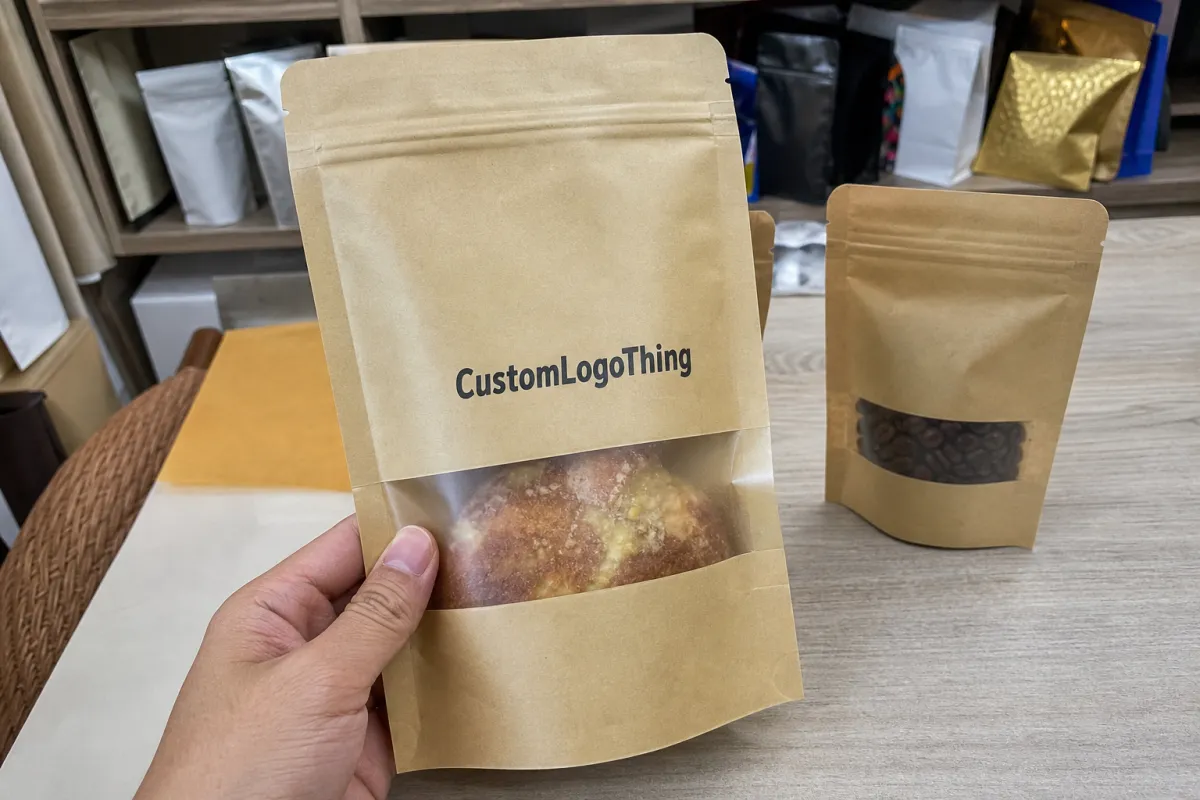
Stale-product complaints rarely begin with a bad bakery item. They usually begin with packaging that cannot hold up to moisture, oxygen, or handling. Brands switch to zipper pouch bags because the pouch adds a resealable layer of protection after opening, and that matters when a product moves through distribution or sits in a pantry for more than one sitting.
In practice, resealable pouches can reduce returns, improve repeat purchase behavior, and keep the shelf display cleaner. The value proposition is plain: open it, use some, close it again without a clip, tape, or rubber band. That sounds basic because it is. Basic works when the alternative is a stale cookie.
There is also a retail advantage. Stand-up pouches display well, take up less shelf depth than rigid tubs, and are easier to face up in a crowded retail block. For dry bakery products, that usually means better shelf order and easier portion control. Portability matters too. A customer putting cookies or crackers into a bag wants convenience, not seam failures or corners that split under light pressure.
Products that commonly benefit from zipper pouches include:
- Cookies and sandwich biscuits
- Granola and clusters
- Biscotti and shelf-stable snack cakes
- Crackers and savory baked snacks
- Dry mixes and baking ingredients
- Pastries only when moisture and fat content are compatible with the film structure
That last point matters. Not every baked item belongs in the same bag. Butter-rich pastries, highly aromatic products, and fragile items can behave very differently from dry biscuits. If the packaging spec ignores that difference, the unit price may look fine while the shelf life quietly erodes.
Product details that affect performance and buyer approval
Three pouch formats show up often for bakery programs: stand-up pouches, flat pouches, and window pouches. Stand-up pouches are usually easiest to place in retail because they display cleanly and hold shape once filled. Flat pouches can make sense for lighter products, trial packs, inserts, or secondary packaging. Window pouches work when visible product appeal helps sell the item, but the window reduces printable area and can narrow barrier options if the structure is not chosen carefully.
Zipper choice changes the customer experience more than many buyers expect. The standard press-to-close zipper is the most common and usually the best starting point for dry bakery goods. It is simple, familiar, and cost-effective. Child-resistant-style closures or tamper-evident features should be tied to the product, channel, or regulatory requirement. Otherwise they add complexity without solving a real problem.
Barrier layers are where a lot of packaging budgets go wrong. A pouch may look sturdy, but the film stack is what actually protects the bakery item. A typical structure may include an outer printed layer, an inner food-safe sealant layer, and optional barrier components such as foil or EVOH for moisture and oxygen resistance. Matte or gloss finishes affect appearance and scuff resistance, but they do not replace a proper barrier.
Grease resistance matters for buttery or oily baked goods. Low-grade film can absorb oil, wrinkle, or lose seal integrity faster than expected. Once that happens, the package looks tired on shelf and the product ages faster. That is a poor combination for any bakery brand trying to protect margin.
Print method also changes buyer approval. Digital print is often faster for smaller runs and artwork changes. Rotogravure tends to be better suited to larger volumes where consistency matters more than speed of artwork changes. Flexographic printing can sit in the middle, depending on the supplier’s equipment and color requirements. The tradeoff is usually color consistency versus setup complexity. More colors, more cost. Heavy coverage and complex gradients push the number higher still.
Buyer tip: do not approve an empty sample and stop there. Ask for a sample filled with the actual product. Cookies behave differently from granola. Oil migration, panel stiffness, and headspace all change the way the bag feels and performs.
“A pouch that looks perfect empty and fails full is not a win. It is a nicer-looking problem.”
Specifications bakery buyers should compare before ordering
Before approving a pouch, compare measurable specs. That is where the decision becomes useful. Packaging teams can get carried away with broad descriptions until the first production issue appears. Then exact dimensions and film thickness suddenly matter a great deal.
Start with the basics:
- Size and finished dimensions
- Gusset depth for stand-up stability
- Film thickness, often quoted in microns or mils
- Zipper width and closure style
- Seal strength
- Barrier rating for moisture and oxygen protection
Fill-weight matching is where many bakery buyers under-spec or over-spec the pouch. If the pouch is too small, the seal area gets stressed and the bag looks overstuffed. Too large, and the product sits awkwardly with too much dead air, which can make the package look underfilled. A 100g cookie program may need a very different footprint from a 500g granola pouch. Same category. Different behavior.
Food-contact compliance belongs on the checklist as well. Ask the supplier what documentation they can provide for the intended market. Depending on the destination, buyers may need references to relevant food-contact requirements, migration testing, or declaration paperwork. If the product crosses borders, check the country-specific standards before artwork approval. Late compliance checks create avoidable delays.
Optional features should be linked to use cases, not wish lists. Clear windows make sense if product visibility supports sales. Hang holes help with peg display. Tear notches improve opening convenience. Degassing valves are generally more relevant to roasted coffee than bakery snacks, so do not pay for them unless the product actually needs venting.
Branding specs matter too. Confirm printable area, resolution, and whether white ink underprint is needed for dark films. If color accuracy matters, request Pantone matching guidance and a proofing method that reflects the final structure. Color on paper and color on film are not the same thing.
Storage conditions belong in the brief. Ambient heat, humidity, and warehouse dwell time can affect film choice. A pouch that performs well in a cool, dry warehouse may not behave the same way in a humid distribution lane. Tell the supplier where the product will live before they make assumptions.
Bakery brands zipper pouch bags unit cost review: what actually drives price
Now the part everyone asks for first and should probably understand second: price. A proper bakery Brands Zipper Pouch Bags unit cost review starts with the biggest cost drivers. Material structure, size, print colors, zipper type, barrier level, and order volume all move the number. Often by more than buyers expect.
Unprinted stock pouches cost far less than custom-printed high-barrier bags. If you are using a clear or plain pouch, the cost per piece can be low. Once you add custom graphics, matte finish, upgraded barrier, and specialty zipper features, the unit cost climbs quickly. That is not a trick. It is the math of custom production.
| Option | Typical MOQ | Indicative Unit Cost | Best For |
|---|---|---|---|
| Plain stock zipper pouch | Low to medium | $0.08-$0.18 | Testing, pilot runs, simple dry products |
| Custom-printed standard barrier pouch | 3,000-10,000 pieces | $0.14-$0.32 | Cookies, granola, crackers, retail launch SKUs |
| Custom high-barrier pouch with zipper | 5,000-20,000 pieces | $0.22-$0.48 | Products sensitive to moisture or oxygen |
| Premium finish with specialty features | 10,000+ pieces | $0.30-$0.65 | Brand-led retail programs with stricter shelf goals |
Those ranges are practical, not promised. Size, artwork complexity, zipper type, and current material pricing can move them. If a quote lands far outside these bands, ask why. Sometimes there is a real spec issue. Sometimes there is a markup that deserves a second look.
MOQ is another major lever. Lower runs tend to cost more per unit because setup effort gets spread across fewer bags. Larger orders usually reduce unit cost, but only if the inventory can be stored and sold without tying up cash. That is an operational decision, not just a pricing one.
Watch for hidden costs. A quote may look attractive until you see the rest of the bill:
- Tooling fees for plates, cylinders, or printing setup
- Setup charges for artwork or machine preparation
- Sampling or prototype bag fees
- Freight, especially for heavy cartons
- Carton packaging or palletization charges
Compare total landed cost, not the first line of the quotation. A lower per-piece quote with high freight can lose to a slightly higher factory price with better shipping terms. Buyers often notice this only after the order has already been approved. The spreadsheet looked tidy. The reality did not.
The cheapest pouch often becomes the most expensive one after spoilage, weak shelf appeal, or reorder problems. A bakery bag is not only a container. It is part of the product’s sell-through.
Process and turnaround: from sample approval to production
The workflow is straightforward: inquiry, specification review, artwork check, sampling, approval, production, inspection, and shipment. If any one of those steps is rushed or vague, the timeline stretches. The issue is usually not the machine. It is the missing detail.
Most delays happen for ordinary reasons. Artwork arrives without a proper dieline. The buyer takes too long to approve a sample. Someone changes the zipper spec after the proof is already done. Or color matching begins before the pouch structure is locked. That last one wastes time every time.
For custom bakery pouches, a realistic timeline is often 12-15 business days from proof approval to production completion for straightforward runs. Complex artwork, larger quantities, or higher-barrier constructions usually take longer. Add shipping and the calendar changes again. Air freight moves product faster but increases landed cost. Sea freight lowers transport cost but demands more planning. The right choice depends on launch timing, not optimism.
Digital sampling or prototype bags can speed internal decisions, especially for smaller launches or new bakery SKUs. They help buyers test feel, print layout, and shelf presence before committing to bulk production. Still, a prototype is not the same as production validation. Final confirmation should happen on the actual production structure because film behavior can change once the real materials run on the line.
My practical advice: lock artwork early, approve the pouch structure before color matching starts, and keep one decision-maker involved on the buyer side. Too many approvals by committee usually means nobody owns the deadline.
How to choose the right supplier for bakery pouch programs
Not every packaging supplier is built for bakery work. Some can print a nice bag, but bakery packaging needs consistent film sourcing, reliable sealing, color control, and follow-through when specs change. Ask for experience with food packaging, not just custom bags in general.
Request recent bakery samples. Better yet, ask for examples that match your product type. Cookie pouches are not the same as granola pouches. Greasy baked goods behave differently from dry, brittle ones. A supplier who understands that distinction will save time and prevent bad spec choices.
A good supplier should help compare structures, explain tradeoffs in plain language, and provide compliance documentation without making the process harder than it needs to be. In-house printing and controlled production also matter. They support color accuracy, faster issue resolution, and fewer handoffs. More handoffs usually mean more chances for someone to misread the brief.
Service expectations should be clear before the order is placed:
- Clear proofing process
- Transparent change fees
- Timely production updates
- Repeat-order consistency on the same specs
- Reasonable support on quote revisions
Repeat ordering is bigger than many teams realize. If the pouch needs to be reordered every quarter, the supplier should be able to hold the same material structure, zipper style, and print setup so the next batch matches the first. Packaging inconsistency is a brand tax. It wastes time and creates customer confusion.
For buyers who want to connect packaging choices to product outcomes, the Case Studies page is a useful place to review structure decisions rather than just design polish. If you need broader packaging and sustainability references, industry sources like packaging.org and fsc.org are also worth checking.
Next steps to request a quote and avoid costly revisions
If you want an accurate quote, send the supplier the right inputs the first time. That means product type, fill weight, target dimensions, zipper preference, print artwork, and order quantity. Leave out the guesswork. It creates revisions.
The fastest way to get a useful price is to send one product photo, one dieline if available, and one clear note on shelf-life goals. If the product is sensitive to moisture or oil, say so. If you want a matte finish or a clear window, say that too. Vague briefs produce vague quotes.
Ask for two quote options so you can compare real tradeoffs. For example:
- Standard barrier vs. upgraded barrier
- Matte finish vs. gloss finish
- Basic zipper vs. premium zipper
That comparison shows whether the extra unit cost buys actual performance or only nicer-looking paperwork. Also request a sample pack and confirm shipping terms before approving mass production. Freight terms, carton configuration, and transit method can move the final landed cost enough to affect margin.
If you need a practical buying sequence, use this order: review specs, compare landed cost, approve a sample, then place the order. That sequence avoids the costly revision cycle that happens when design gets ahead of material reality.
For Bakery Brands Zipper Pouch Bags unit cost review, the strongest decision is simple: buy the pouch that protects sell-through, not the one that merely looks inexpensive on paper. The right bag should fit the product, the shelf, and the margin target. That is how you avoid paying twice for the same package.
What affects bakery brands zipper pouch bags unit cost review the most?
Material structure and barrier level usually have the biggest impact. Print colors, zipper style, and order quantity also move the price quickly. Freight and setup charges can change the true landed cost more than buyers expect.
What MOQ should bakery brands expect for custom zipper pouch bags?
MOQ depends on print method, bag size, and factory setup. Simple structures often allow lower runs than full custom high-barrier pouches. Ask for MOQ by SKU instead of a vague company-wide number.
How do I know which pouch material is right for cookies or granola?
Use a stronger barrier if the product loses crispness or absorbs moisture easily. Choose grease-resistant film for buttery or oily baked goods. Test filled samples under real storage conditions before ordering.
How long does production usually take for custom bakery zipper pouches?
Timeline depends on artwork approval, sampling, and production queue. Custom printed pouches take longer than stock or unprinted options. Shipping method can add or subtract a lot from the final delivery date.
What should I send to get an accurate quote for bakery pouch bags?
Send product type, fill weight, dimensions, artwork, and target quantity. Include zipper preference, finish preference, and any barrier or compliance needs. Share your launch date so the quote reflects realistic production and transit timing.


