A knit beanie can look polished in a mockup and still fail the moment it is worn, packed, or photographed beside the rest of a beauty set. That gap is exactly why a beauty Cuffed Knit Beanies material sample guide matters before a private-label order moves any further. One physical sample reveals more than a stack of renderings: handfeel, stretch recovery, color depth, cuff balance, decoration quality, and whether the product can actually be repeated without drifting.
For beauty brands, the beanie is rarely a standalone item. It sits inside a seasonal bundle, a loyalty gift, or a curated launch box, which means the sample has to prove both wearability and presentation. A soft texture is not enough if the cuff collapses in transit. A clean logo is not enough if the backing feels scratchy against the skin. The sample is where those tradeoffs stop being theoretical.
That is the real value of a focused sampling process: it replaces guesswork with evidence. Instead of debating whether a yarn “feels premium,” a buyer can compare it against the packaging, the intended retail price, and the customer’s likely use. A good sample becomes a filter. A bad one becomes an expensive lesson.
Why sampling saves money and reputation
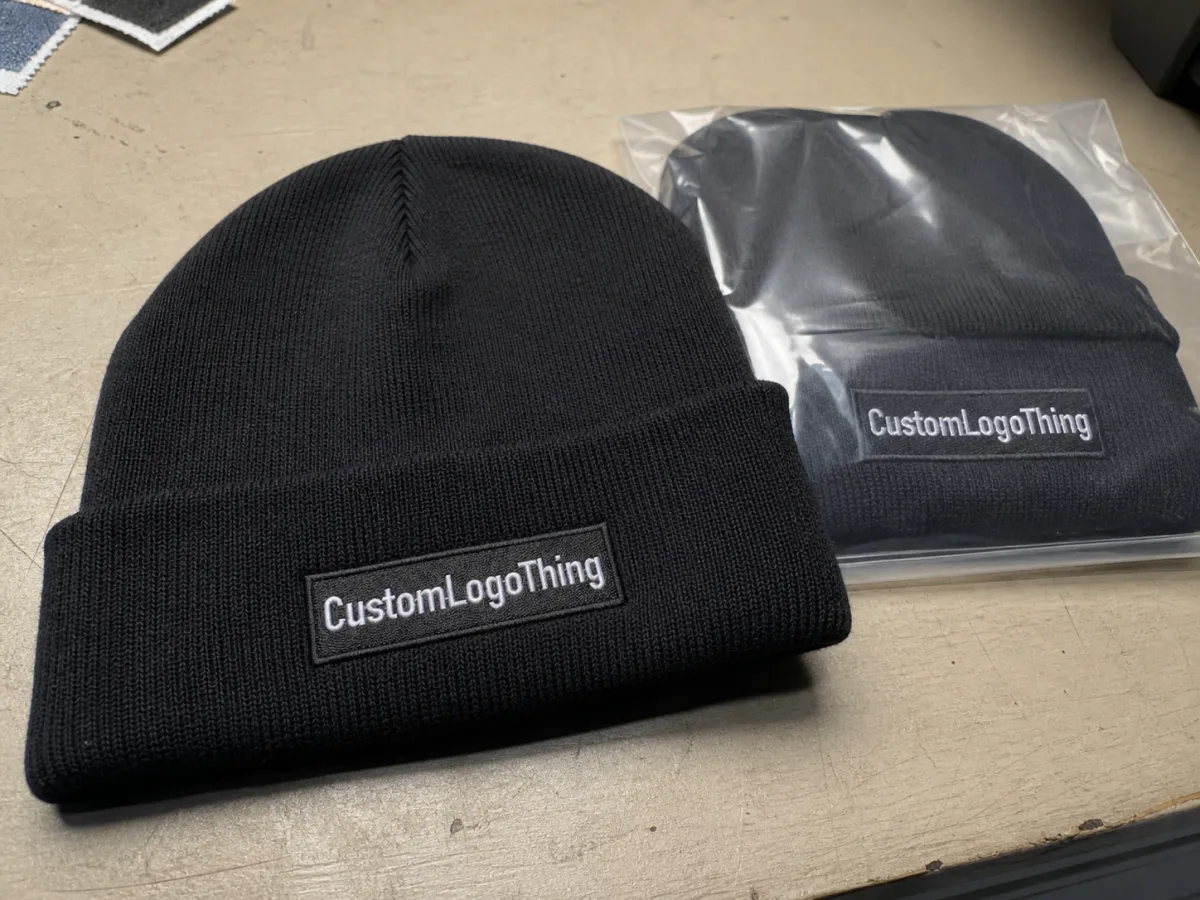
The biggest beanie mistakes are usually small enough to miss in a spreadsheet. A cuff that stretches unevenly. A crown that puckers after knitting. A logo that looks centered until the beanie is worn and suddenly sits off by a few millimeters. None of those issues sounds dramatic, yet each one can force a correction across a bulk run.
That is why sampling should be treated as a decision point, not a courtesy step. If a prototype can survive wear, close inspection, and packing, the production risk drops sharply. If it cannot, the cheapest path is to stop and revise. Reworking 30 samples is inconvenient. Reworking 3,000 finished units is a budget problem, a timing problem, and often a launch problem.
Beauty buyers feel that pressure more than most. A beanie in this category has to work on two levels at once: it should feel comfortable enough to wear for more than a few minutes, and it should look composed in a gift set, social image, or shelf display. If the product only succeeds in one setting, the brand pays for the gap later.
“A mockup sells the concept. The sample proves the concept can survive production.”
That is why a beauty Cuffed Knit Beanies material sample guide is useful as a buying tool. It turns a broad conversation about style into a check against actual fiber behavior, construction, and packaging compatibility. If the sample arrives and immediately feels too scratchy, too loose, or too heavy for the intended kit, the issue is clear before the order becomes expensive.
Sampling also exposes less obvious problems. Some softer yarns show better comfort but create a weaker surface for embroidery. Some denser knits hold shape beautifully but lose the relaxed look many beauty brands want. A sample lets the buyer see those contradictions early, while there is still room to adjust yarn, gauge, or cuff height.
What the sample actually proves
Start with the fabric, not the decoration. The yarn type, stitch density, and gauge determine most of the end result, including softness, drape, warmth, and how the beanie behaves after packing. A tight rib often looks more refined and keeps its shape well. A looser knit can feel easier and more relaxed, but it may also lose structure faster. Neither is automatically better.
The cuff changes the product more than many first-time buyers expect. A cuff adds visual weight, improves forehead comfort, and gives the beanie a finished edge in photography. It also introduces another variable: if the cuff height is too tall, the beanie can overwhelm a smaller face. If it is too short, the design can look underbuilt. A difference of 1 cm can be enough to change the silhouette.
Decoration deserves equal scrutiny. Embroidery, woven patches, labels, and heat-applied graphics all interact differently with knit surfaces. A logo that looks crisp in a flat file can sink into the knit or distort under tension. Check both the front and the back of the decoration. Loose thread tails, stiff backing, or a rough patch edge are the kinds of details customers notice without trying to.
The sample should also answer a simple question: does the product hold up after real wear? Put it on for 15 to 20 minutes. Stretch the cuff. Let the fabric warm up. A beanie that feels acceptable in a quick touch test can become itchy, tight, or overly warm once the fibers settle against skin and hair. For beauty kits, that matters because the customer often judges comfort in seconds.
Use the sample to inspect fit, finish, and repeatability together:
- Handfeel: note whether the yarn feels dry, brushed, slick, or softly textured.
- Stretch recovery: pull the cuff and see whether it springs back cleanly.
- Seam quality: look for flat joins and even tension at the crown.
- Silhouette: check whether it stands upright, slouches naturally, or collapses.
- Repeatability: ask whether the factory can reproduce the same result at scale.
The sample should be reviewed in the context of its end use. If the beanie will ship in a rigid gift box, test it inside the actual packaging. If it will sit in a folded mailer with tissue and inserts, compare it against those materials rather than judging it alone under office lighting. A product can look right on a desk and look wrong in a bundle.
Materials, yarn, cuff, and color decisions
Material choice drives the rest of the project. Acrylic remains common because it is affordable, consistent, and easy to match across production lots. Recycled polyester can support a sustainability story, but handfeel varies more than buyers expect depending on fiber source and finishing. Wool blends add warmth and a more natural feel, though they can introduce higher cost and more care in wear testing. Mixed yarns can balance structure and softness, but they complicate sourcing if one component becomes hard to restock.
For beauty programs, the preferred material is usually the one that looks premium without feeling heavy or irritating. A slightly lighter yarn can photograph better and sit more neatly inside a beauty box than a dense, winter-weight knit. The customer rarely inspects fiber content first. They notice whether it feels thoughtful, easy to wear, and worth keeping.
Color behaves differently on knit fabric than it does on a flat swatch. Texture catches light, so a navy yarn may read lighter once knitted. A blush tone can look warmer or cooler depending on stitch density. Pantone references help, but they do not replace a physical swatch or lab dip. If the color needs to match other items in a beauty set, ask for a knitted strike-off before final approval.
The cuff width and crown shape also deserve close attention. A 7 cm cuff often reads clean and modern. A 9 cm cuff can create more room for branding and feel more substantial in a gift set. Crown shaping is the part people overlook until it goes wrong. Too abrupt, and the top puckers. Too soft, and the beanie can collapse after folding, shipping, or repeated wear.
Packaging belongs in the same conversation because the product is usually sold as a complete experience. If the brand needs insert cards, hang tags, or tissue, ask whether the paper components can be FSC certified and printed on kraft stock. If waste reduction matters, any recycled content or post-consumer waste claim should be documented clearly. The language must match the supply chain, not the mood board.
Corrugated cardboard remains the baseline for most shipping protection because it is cheap, stackable, and easy to spec. Biodegradable packaging can support a cleaner brand presentation, but it should still be tested for crush resistance, print scuffing, and fit. A prettier package is not useful if the beanie arrives creased or compressed.
If you want a useful external reference for transit testing, the International Safe Transit Association publishes standards and guidance at ista.org. For paper sourcing and certified packaging claims, the Forest Stewardship Council provides guidance at fsc.org.
| Material option | Typical feel | Best use case | Sample watchouts | Typical cost impact |
|---|---|---|---|---|
| Acrylic | Soft, flexible, easy to color-match | Promo bundles and broad retail use | Can pill if finishing is weak; check recovery | Lowest baseline; easiest to scale |
| Recycled polyester | Smoother, sometimes slightly slick | Sustainability-led beauty programs | Handfeel varies by source; confirm color stability | Usually a modest premium over acrylic |
| Wool blend | Warmer, more natural, sometimes drier | Premium cold-weather collections | May itch for sensitive users; test wash response | Higher yarn cost and more careful handling |
| Mixed yarn knit | Balanced, often more structured | Fashion-forward private label | Harder to reproduce if yarn supply shifts | Varies widely by blend and gauge |
The point of the table is not to replace sampling. It is to make the sample easier to judge. A brand that understands the material tradeoffs enters the review with better questions, fewer vague comments, and less risk of approving a piece for the wrong reason. The best decisions happen when the material, color, decoration, and packaging are considered together rather than one at a time.
Cost, MOQ, and fee structures
Sample price depends on the yarn, construction, decoration method, and packaging request. A plain prototype is cheaper than a custom piece with embroidery, woven labels, and presentation packaging. That sounds obvious, but many buyers still ask for a price before they clarify the spec. Without the spec, the quote is only a guess.
For custom knit headwear, sample fees often land somewhere around $25-$120 per style. Basic versions sit at the low end. Samples that need new artwork setup, special yarns, or multiple revisions climb quickly. If the project needs color development as well, expect more back-and-forth and more time. Ask whether the sample fee will be credited toward bulk production, and get the answer in writing. Many suppliers do that, but not all.
MOQ changes the economics in a straight line. Lower minimums usually mean less room for customization and a higher unit cost. Larger runs spread setup expenses across more pieces, which improves pricing and gives the factory more room to fine-tune finishing. For beauty brands, the order size often sits in between: large enough to justify development, small enough that every added dollar matters.
A sample that costs a little more can still be the cheaper choice. If it prevents a production error, it saves money through lower rework, fewer delays, and less freight waste. That is not a theoretical argument. A correction late in the calendar can force a brand to miss a seasonal window, and a missed window is more expensive than a more careful prototype.
Ask for a line-item quote. A separated breakdown makes it easier to see where the cost is coming from: yarn, knitting, decoration, finishing, packing. It also clarifies what changes will affect price most. Moving from a plain woven label to embroidery is not the same as switching yarn weights. If the supplier does not show the split, the buyer is left negotiating in the dark.
Lead time and development steps
A clean sampling workflow should feel structured from the start. The usual sequence is brief, feasibility review, mockup or tech confirmation, knitting, inspection, revision if needed, and final approval. Once the sample is signed off, the factory should have a reference point for gauge, color, fit, and finishing. That is what reduces surprises later.
Lead time varies more than buyers expect. Yarn availability, decoration setup, factory workload, and the number of revisions all affect the schedule. A simple sample may take about 7-14 business days after the brief is confirmed. More customized pieces, especially those needing special yarn or multiple adjustments, can take 12-20 business days or longer. That is normal development time, not a warning sign.
The fastest way to slow the process is to send a vague brief. The fastest way to move it is to send measurements, reference photos, Pantone targets, artwork files, cuff depth, intended packaging, and the end use in one package. If the beanie is for a holiday gift box, say that. If it needs to fit beside other beauty items inside a folded mailer, say that too. The factory can only work with the context it receives.
It helps to ask for one revision allowance before the sample is made. One revision is often enough when the brief is clear. If the design is more complex, two or more touchpoints may be realistic. That is not a failure of the process. It is a normal response to knit construction, where small changes can alter the final handfeel or silhouette more than expected.
Once the approval sample is locked, production becomes more predictable. The factory can use it to match gauge, color, and finish rather than reinterpreting the brief every time a question comes up. That is the point of a well-run beauty cuffed knit Beanies Material Sample guide: fewer surprises after approval and fewer explanations after launch.
Common review mistakes
The most common mistake is judging the sample only by appearance. A beanie can look tidy in a still photo and still feel wrong on skin. Comfort, stretch recovery, seam placement, and wash response all matter. If those elements are skipped, the review turns into a photo approval rather than a product approval.
Vague feedback causes another kind of delay. “Make it softer” does not help much. “The cuff feels tight after 20 minutes” does. “The logo should feel premium” is too broad. “The embroidery needs higher stitch density so the edge reads cleanly in close-up photos” gives the supplier something specific to correct.
Lighting changes the read more than many teams realize. A sample reviewed under warm office lighting can appear more yellow. The same piece under daylight can seem sharper and cooler. That is why color approval should happen against the actual packaging, or at least in the same lighting conditions that will be used for final merchandising. Otherwise, the sample review is partly an illusion.
Skipping wear tests is another easy mistake. A cuff can roll after several hours. A loose stitch can become visible once the fabric stretches. A logo can shift slightly when the wearer pulls the beanie low over the ears. None of that shows in a static image, and all of it affects how the item feels in use.
There is also a shipping mistake that surfaces too late. If the product will be packed into gift sets or retail cartons, check how it handles stacking, compression, and transit vibration. Corrugated cardboard protects well, but the final packed unit still needs to keep its shape. If the brand uses kraft paper inserts or biodegradable packaging, confirm those materials do not scuff the knit or distort the cuff during shipping.
Approval should cover the product and the pack together. The beanie and its packaging are part of the same customer experience. If one is refined and the other looks improvised, the whole presentation suffers.
What to send to your supplier
A strong brief makes the sample round faster and cleaner. Include size, fiber content, cuff depth, target handfeel, logo method, color references, packaging needs, and the intended customer. “Premium beauty beanie” is too vague. “Soft-touch rib knit, 8 cm cuff, matte embroidered logo, blush tone, folded presentation with FSC-certified paper insert” is specific enough to work from.
Visual references help, but one image is rarely enough. Send two or three photos that show silhouette, cuff shape, and logo scale. If the color matters, include a Pantone reference and ask for a knitted swatch or lab dip. If the beanie has to align with the rest of a beauty kit, show the other components too. Context reduces drift.
For commercial clarity, ask for three things in the same message: the sample timeline, the revision allowance, and the full quotation breakdown. That keeps the development and pricing discussions aligned. It also prevents the common mismatch where a buyer likes the sample but discovers the final price no longer fits the launch budget.
A simple approval sequence works best:
- Review the sample after a wear test and packaging check.
- Lock fit, color, and decoration before confirming the purchase order.
- Approve the color standard with a swatch or lab dip.
- Reserve the production slot before the season tightens.
That sequence keeps the order moving without asking the supplier to guess. It also gives the buyer a cleaner route from sample to bulk production. That is the point of the process, and the reason a well-built beauty cuffed knit Beanies Material Sample guide pays off: fewer revisions, fewer surprises, and a final product that feels considered rather than improvised.
What should a beanie sample include?
A useful sample should show the actual yarn, cuff construction, fit, logo placement, and finishing quality. Ask whether the sample uses the same decoration method and packaging plan planned for production. Those details change both presentation and shipping performance.
How long does a sample usually take?
Lead time depends on yarn availability, decoration setup, and revision count. A straightforward sample often takes about 7-14 business days, while customized work can take longer. Confirm the factory's timeline before approval so the development stage does not disrupt your launch window.
What is a normal sample fee?
Sample pricing varies with material, customization, and whether the item is a stock blank or a custom prototype. Many custom samples fall around $25-$120 per style. Confirm whether the fee is refundable or credited to the bulk order before moving ahead.
How should material options be compared?
Compare softness, stretch recovery, warmth, durability, and how each material holds color and decoration. Test the sample in real wear, not just by touch, because knit behavior changes once the cuff is stretched and the beanie has been worn for a while.
What should be fixed before final approval?
Check fit, color match, stitch consistency, logo clarity, cuff shape, and comfort after wear. Give feedback tied to measurements or visible references so the supplier can adjust accurately instead of guessing at what needs to improve.


