The biggest mistake with custom embroidered beanies is not color. It is fit, stretch recovery, and what the logo does after the knit gets pulled on and worn. A good beauty embroidered Beanies Material Sample guide saves you from approving something that looks polished on a table and awkward on an actual head.
Beauty brands live or die on first impression details. Softness matters. Crown shape matters. So does whether the embroidery reads cleanly under bright product lighting, where every pucker and loose loop suddenly looks like a design decision somebody forgot to make.
A sample should function as a decision tool, not a souvenir. If the beanie is going into a launch kit, a seasonal promo, or a retail assortment, the sample has to show whether the material feels premium enough for the brand story and whether the decoration can survive normal wear. A beanie can look elegant flat and lose that effect the moment the crown collapses.
What a Beauty Embroidered Beanies Material Sample Guide Reveals Before You Buy 500 Units
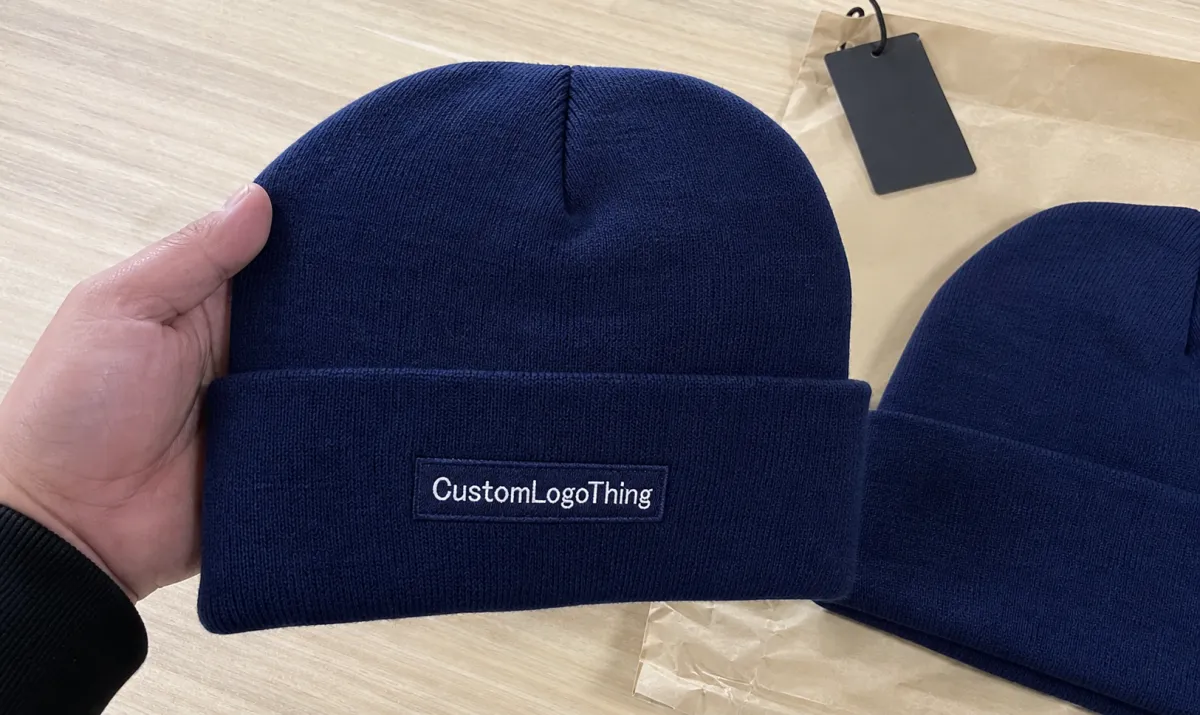
Most beanie failures are not color mistakes. They are stretch issues, poor cuff balance, embroidery distortion, or a knit that turns scratchy once it touches skin. A proper beauty Embroidered Beanies Material Sample guide catches those problems before a 500-unit order locks them in and turns a small miss into an expensive one.
For beauty buyers, the sample has to prove more than the logo exists. It has to show softness against the forehead, how the cuff frames the face, and whether the shape still feels intentional after the beanie is pulled down, folded, and photographed from a few angles. A beanie that looks sharp in a flat lay can lose its appeal when the crown sags or the stitch density drags the knit sideways.
The material itself deserves close attention. Acrylic is common because it is affordable, consistent, and easy to knit in color. Cotton feels more breathable but usually has less bounce, so it can relax out of shape faster. Wool adds warmth and a natural hand-feel, though some buyers reject it because of itch or cost. Blends often deliver the best tradeoff, especially when one goal is softness and another is keeping the silhouette from drooping after wear. Recycled polyester and recycled acrylic are also showing up more often, but the hand-feel, dye behavior, and finishing quality vary widely between mills. Two yarns can both be labeled “eco” and still behave very differently in production.
For beauty packaging, the sample should also reflect how the product will be folded and presented. A snug fold in kraft paper, a shipper made from corrugated cardboard, or a retail-ready wrap using biodegradable packaging can change the finished impression more than many buyers expect. If your program uses FSC paper or has ISTA-style transit expectations, say so early. A beanie that fits beautifully in a flat mailer may need a different fold if it is going into a press box or display tray.
One subtle but important point: the sample should match the actual knit gauge and finished weight as closely as possible. A sample built from a lighter yarn or a looser gauge can feel softer, but that softness may vanish in bulk production if the factory switches to a denser spec. In practice, the hand-feel of the sample is only useful if the yarn, gauge, and finishing process are close to final order conditions.
How Beanie Sampling Works From Swatch to Approval
Sampling usually starts with fabric or yarn selection. First you choose the base knit: rib knit, jersey knit, chunky cuff, brushed finish, or a tighter fine-gauge option. Then the factory checks embroidery placement, stitch count, thread color, and how much give the knit has so the logo does not tunnel or buckle.
Do not confuse the three sample types, because each one answers a different question:
- Fabric swatch - Shows yarn feel, thickness, stretch, and color direction, but not the final beanie shape.
- Decorated sample - Shows embroidery placement, thread tension, and fit on the finished beanie.
- Pre-production sample - Tries to match the final bulk order, including labels, folding, and packaging.
For beauty launches, a decorated sample is the minimum useful step. If the order matters for retail or a paid campaign, ask for a pre-production sample as well. That second sample is not redundant; it checks whether the factory can repeat the first result with the final yarn, labels, and finishing details. When cuff height or crown shape is part of the brand look, even a 1 cm shift can change the visual balance more than the logo size does.
Communication is where a lot of sampling drifts off course. Send the logo file in vector format, Pantone or close color references, and reference images that show the mood you want. If the beanie should feel luxe rather than sporty, spell that out. If the embroidery must stay low-profile so it does not snag on hair or makeup sponges inside a PR kit, say that too. Vague instructions create expensive guesswork.
Ask for photos at each stage if the supplier can provide them: flat knit, embroidered knit, blocked shape, and finished sample packed for shipping. That sequence tells you more than one final image ever will. It also makes it easier to spot whether the factory changed the knit structure, trimmed the logo size, or quietly swapped a thread color because the original shade was difficult to source.
There is one more detail buyers overlook: backing choice. Some embroidery comes with a soft backing that feels acceptable on skin, while other versions use a stiffer stabilizer that can scratch at the forehead line. If the beanie will be worn for long periods or used in winter campaigns where comfort matters, the back of the embroidery deserves as much attention as the front.
Cost, MOQ, and Unit Price Drivers for Sample Runs
Sample pricing follows the same logic as bulk pricing, just with more setup pain baked in. Yarn type matters. Stitch count matters. Thread color count matters. So does whether the factory is making a fully custom sample from scratch or pulling something close from stock and decorating it for review.
Here is the practical range I would expect for custom embroidered beanies:
| Sample Type | Typical Cost | Typical Lead Time | What It Tells You |
|---|---|---|---|
| Fabric swatch | $0-$15 | 2-5 business days | Yarn feel, stretch, and color direction |
| Decorated sample | $35-$95 | 7-12 business days | Embroidery quality, fit, and logo placement |
| Pre-production sample | $50-$140 | 10-18 business days | Final materials, labels, packaging, and bulk readiness |
MOQ changes the picture fast. Lower quantities usually push unit price up because setup labor gets spread across fewer pieces. A small custom run may land around $6.00-$10.00 per unit, while 500 to 1,000 pieces often move into the $3.20-$6.50 range depending on knit density, embroidery coverage, and packaging. Premium yarns, recycled blends, or multiple embroidery locations usually push the price upward. Not dramatically. Just enough to matter when the budget gets reconciled against reality.
The main cost drivers are easy to miss if you only look at the logo. Dense embroidery adds machine time and can force the factory to slow the stitch speed to avoid puckering. A heavier cuff uses more yarn. A softer yarn may pill less gracefully in testing but cost more to source. Custom dye lots also add time and can create a minimum order beyond the beanie itself, especially if the color has to match a precise brand shade rather than a standard stock tone.
Hidden add-ons are where people get annoyed. Shipping, rush fees, revision rounds, color matching, and custom packaging all add up. If you want the beanie wrapped in tissue, inside a kraft sleeve, then packed into a corrugated shipper with FSC-certified paper components, ask for those line items early. A budget is easier to manage when the quotes show the real work instead of hiding it under a friendly subtotal.
Paid samples are worth it when the order is tied to a launch or a retail deadline. Spending $60 on a sample is easy to justify if it prevents a $3,000 bulk correction or a product that misses the brand tone. The arithmetic is boring, but it is still the cleanest argument in manufacturing.
Production Steps, Timeline, and Lead Time for Approval
The cleaner the first spec sheet, the shorter the turnaround. That is the rule. Not magic, not luck. A normal workflow looks like this: inquiry, quote confirmation, artwork review, sample production, shipping, feedback, revision if needed, and final approval. If the first round is tidy, a standard custom sample can usually move in roughly 12-20 business days. Add more time for special yarn sourcing, revised embroidery, or packaging tests.
Where does production slow down? Usually in the same five places:
- Artwork arrives in the wrong format.
- Color direction is vague or changes late.
- Embroidery size gets revised after sample work starts.
- The buyer wants a softer yarn after approving a firmer one.
- Packaging shifts from plain wrap to retail-ready presentation.
If the beanie is tied to a beauty launch, do not treat packaging as an afterthought. A beanie can fold neatly in a plain poly bag, but the same piece may need a different presentation if it is going into a press box or store display. That is where recycled materials, FSC paper, and simple biodegradable packaging choices can help the product feel responsible without looking cheap. Good packaging does not need to perform. It just needs to protect the product and keep the brand story intact.
Transit planning matters more than most buyers expect. Ask how the outer shipper is packed. A strong corrugated carton, an inner stacking plan, and a consistent folding method reduce crushed crowns and bent labels. If the vendor says “we just toss them in a box,” ask more questions. The shipping method is part of the quality control chain, not a separate convenience.
If the timeline is tight, lock artwork and specs first. Every change after that can reset the clock. A factory cannot build certainty out of a moving target, and a polite email does not make a moving target less disruptive.
One reason schedules slip is that buyers underestimate revision time. A sample that needs one small embroidery shift can often be corrected quickly. A sample that needs a different yarn, a new backing, and a packaging change is no longer a revision; it is a second development cycle. That difference matters when a launch date is already fixed.
Step-by-Step Checklist for Reviewing Fit, Stitching, and Finish
Review the sample like someone who has to approve it twice. First, test the fit. Stretch the beanie across the head opening, check cuff depth, and see whether the crown shape sits cleanly without squeezing the temples. Comfort is not optional for beauty merchandise. If it feels tight in hand, it will feel tight on a customer too.
Then check the embroidery. Look for crisp edges, even thread tension, and smooth backing. Pull lightly on the knit around the logo to see whether the stitching distorts the fabric. If the design is too large for the knit gauge, the beanie will pucker. If the thread is too dense, the area can feel stiff, scratchy, or heavy.
Here is the part buyers skip too often: hand-feel and wear response. Rub the beanie against the neck and forehead area. Stretch it once or twice, then let it rest. Does it spring back? Does the knit keep its shape? Does it start to look tired after a few tugs? That tells you more than a clean product photo ever will.
“If the sample is wrong in fit, do not talk yourself into it because the embroidery is pretty. Pretty is not a spec.”
Use a simple scorecard so the approval is based on repeatable criteria, not mood. I suggest checking these points:
- Fit - head stretch, cuff depth, crown shape, and comfort.
- Stitching - edge clarity, backing texture, thread tension, and logo placement.
- Finish - softness, seam quality, pilling risk, and overall polish.
- Packaging - fold consistency, label placement, and shipper protection.
Also look at the sample under the same lighting you will use for product photos or retail review. A beanie can read matte and refined in one light, then look fuzzy and cheap under harsh white LEDs. That is why a beauty Embroidered Beanies Material Sample guide should always include a visual check, not just a tactile one.
Small defects are worth documenting, not just noticing. A loose thread at the cuff edge, a slightly crooked logo, or a seam that twists after stretching may seem minor in isolation. Repeated across 500 units, those same details become the reason the product feels less premium than the brand intended.
Common Sample Mistakes That Warp Beauty Beanie Orders
The most common mistake is judging the sample by color alone. Color matters, yes, but knit texture, stitch density, and how the logo sits on the crown often have a bigger effect on perceived quality. Two black beanies can feel completely different in brand value because one has a dense, polished knit and the other feels rushed and uneven.
Another mistake is skipping wash and wear testing. Even a short test can show shrinkage, curling, loose stitching, or pilling. If the beanie will be worn in colder weather, folded into a bag, or used in photo shoots, that test matters. You do not need a lab coat to notice the cuff sagging after one stretch cycle.
Vague feedback is a separate trap. “Make it nicer” is not useful. Neither is “make it more premium.” Tell the factory what to change: reduce stitch count by 10-15%, soften the yarn, raise the cuff by 1 cm, move the logo 8 mm to the left, or switch to a smoother backing. Good feedback is specific enough that a technician can act on it without decoding brand poetry.
The last trap is approving a sample that was made under different specs than the bulk order. Maybe the sample used a different yarn lot, a smaller logo, or a lighter embroidery fill. Maybe the packaging was only a placeholder. If the sample and bulk spec sheet do not match line by line, you are not approving the same product. You are approving a cousin.
For brands making sustainability claims, proof matters. If the box says FSC-certified or recycled materials, ask for documentation. If a supplier offers post-consumer waste content in paper wraps, ask what percentage and which component. Buyers get burned when “eco” means one token sleeve and a lot of vague enthusiasm.
There is also a hidden fit issue that appears only when the beanie is worn with hair styling or makeup routines. A cuff that feels fine on a plain fit test can interfere with hair volume, smear product onto the lining, or sit too high once styled hair is tucked underneath. That is why beauty buyers should test the beanie in conditions closer to use, not just on a flat desk.
Expert Tips and Final Approval Next Steps
Make one page do the heavy lifting. A simple approval sheet should lock the fabric type, color reference, logo size, placement, label style, fold method, and packaging format before bulk production starts. If the supplier agrees to those points in writing, the odds of the classic “we thought you meant something else” conversation drop sharply.
Order a backup sample if the launch depends on exact matching across multiple SKUs, such as a beauty collection gift set or seasonal promo drop. One beanie sample may prove the concept. A second one can protect you from color drift, thread variation, or a packaging change that looks minor on a screen and annoying in real life.
Keep a reference library of approved samples. Snap photos, store the physical sample if you can, and note the supplier, yarn code, thread colors, stitch count, and packaging detail. When a restock comes up six months later, you will not have to rebuild the spec from scratch like some kind of manufacturing archaeologist.
Before you sign off, compare the sample to the spec sheet one last time, confirm the price at your actual quantity, and check the lead time against your launch calendar. If the sample uses the right material, the right fit, the right embroidery, and the right presentation, approve it. If one of those pieces is off, fix it now. A beauty Embroidered Beanies Material sample guide only helps if it leads to a real decision, not just admiration for a nice-looking sample.
One final buyer habit separates smooth programs from messy ones: keep the approval criteria simple enough to repeat. If the team cannot restate the requirements in a few lines, the specification is too vague. Clear sampling is not about being rigid. It is about reducing the number of surprises that reach bulk production.
What does a beauty beanies material sample usually include?
A typical sample includes the base knit, embroidery placement, and the final hand-feel of the beanie. Ask whether you are seeing a true production-style sample or only a fabric swatch, because those two things answer different questions. If packaging matters, request the label, hangtag, or folding style too so the sample reflects the final presentation.
How many embroidered beanie samples should I approve before bulk order?
One sample is often enough if the spec sheet is tight and the factory is experienced. Order a second sample if you need a backup color, a different logo placement, or a more premium finish. Approve only after fit, stitch quality, and material feel all match the target use case.
What should I check on a sample for soft-touch beauty beanies?
Check whether the yarn feels soft against skin and whether the inner seam or backing feels scratchy. Stretch the beanie and confirm it bounces back instead of bagging out or warping the logo. Look at the embroidery from a short distance and up close so you catch both visual impact and production defects.
Does a sample fee get credited toward the full beanie order?
Sometimes yes, but not always; it depends on the supplier and how custom the sample is. Ask whether the fee covers setup, materials, and shipping, or only the sample production itself. Get the credit policy in writing before you approve anything, because assumptions are expensive.
How long is the turnaround for a custom beanie sample?
Simple samples can move quickly, while custom yarn, embroidery changes, or revisions extend lead time. Shipping time matters as much as production time, especially if you are working against a launch date. If the timeline is tight, lock artwork and specs first so the factory is not waiting on you.