A beanie looks simple on a screen, but beauty pom pom beanies Bulk Order Planning starts to matter the moment you compare yarn shades, pom construction, and how the finished cartons will land in retail or warehouse receiving.
For buyers at Custom Logo Things, the goal is straightforward: lock the right body, the right trim, and the right pack-out before the quote is final, so the order stays predictable and the margin does not disappear in rework, slow approvals, or surprise freight changes. If you already know you are building a winter promotion or private-label capsule, the right Wholesale Programs path can save a lot of back-and-forth.
Beauty Pom Pom Beanies Bulk Order Planning for Buyers
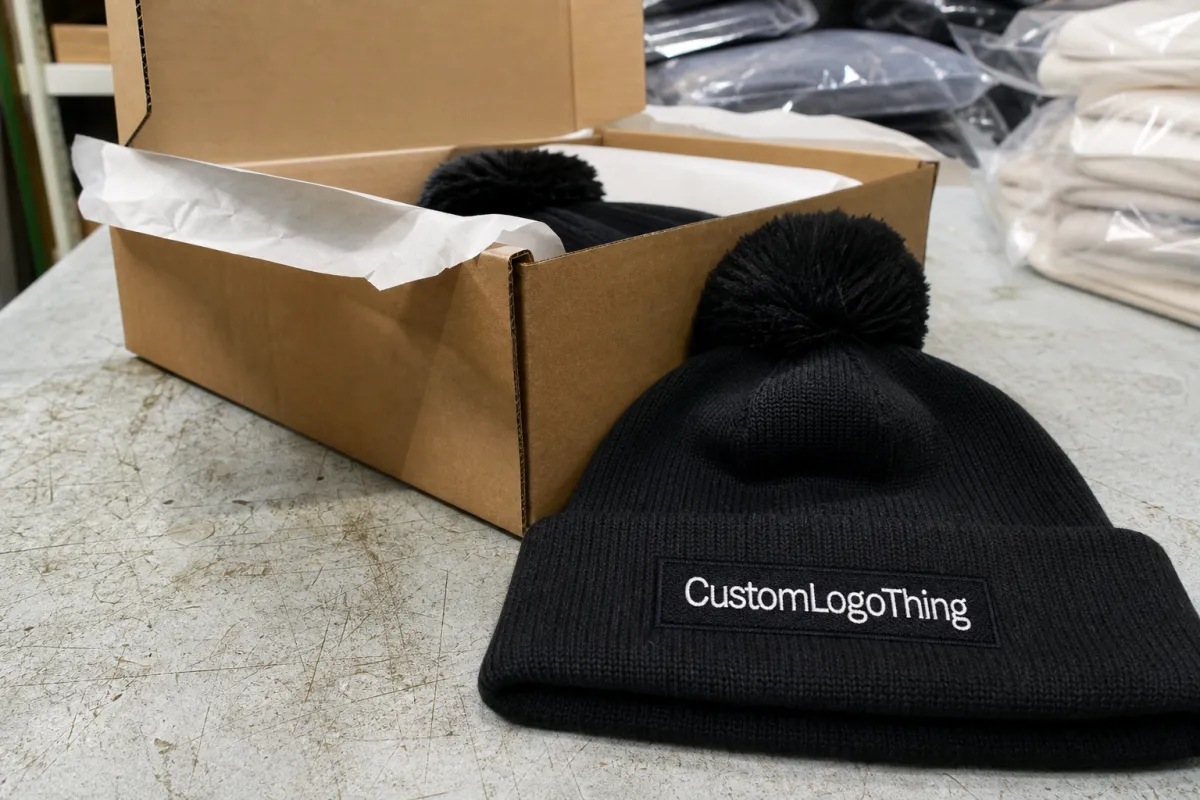
The first mistake many buyers make is treating a pom beanie like a basic commodity. On paper, it is a knit cap with a decorative top; in production, it can be a small stack of decisions that affect hand feel, stitch consistency, color match, decoration cost, and final packing. That is why beauty pom pom Beanies Bulk Order Planning protects margin before anyone approves the sample.
Here is the practical reality: a beanie that looks clean in a mockup can still change quickly once the yarn arrives and the factory starts knitting. A shade that looked close online may read warmer under store lighting. A pom that felt full in the sample may shrink in density if the yarn supplier changes. Even a tiny shift in cuff depth can change the way a logo sits in product photos. In bulk, those details are not cosmetic; they decide whether the assortment looks consistent across stores, marketplaces, and seasonal promotions.
Early planning also keeps the approval cycle from drifting. If the logo placement, trim style, and packaging format are all still open while sampling begins, the process turns into a series of revisions instead of one clean confirmation. From a buyer’s point of view, that usually means more labor, more days, and a higher chance of uneven inventory across colors or channels.
“The cleanest orders are the ones where the spec sheet tells the whole story before the sample is made.”
That is the real value of planning well. You get cleaner approvals, fewer surprises, and a better chance of landing on a unit cost that still leaves room for retail margin. The rest of the process becomes a control exercise rather than a rescue operation.
For buyers who need a broader packaging or order-setup framework, the same discipline applies across our FAQ and other buying resources: define the product once, then let the factory build to that decision.
Selecting the Right Knit Body, Fit, and Pom Construction
The body of the beanie drives comfort, warmth, and price more than many buyers expect. Acrylic is the most common starting point because it holds color well, feels soft enough for everyday wear, and keeps the piece cost manageable. Recycled acrylic is a strong option for brands that want a cleaner sustainability story without moving all the way into a premium wool program. Wool blends bring more warmth and a more natural hand feel, but they usually require tighter yarn controls and a higher budget. Mixed-fiber knits can sit in the middle, giving a softer drape or better stretch recovery depending on the construction.
Fit matters just as much. A cuffed beanie gives the best logo space and usually photographs well because the front panel is stable. A slouch fit reads a little more relaxed and fashion-led, which can work for gifting or lifestyle collections. A classic close-fit silhouette is practical and often easier to size for broad retail distribution. For beauty-focused merchandising, the cuffed profile is often the safest choice because it shows embroidery, woven labels, or patches cleanly.
The pom itself deserves real attention. A yarn pom is the most familiar and often the easiest to keep on budget. A faux-fur pom reads more premium and can improve shelf appeal, but it adds material and labor complexity. Oversized poms create stronger visual impact, while stitched attachment usually holds up better than loose hardware if the item will see heavy wear. Removable poms can be a nice feature, but they also add parts, packaging decisions, and a higher chance of assembly errors.
For beauty pom pom Beanies Bulk Order Planning, the best finish is usually a soft-touch knit, a neutral or pastel color story, and a pom that stays full without looking overly bulky. The goal is not only warmth; it is a polished item that looks good on shelf, in flat lays, and in close-up product photography.
Quick comparison often helps buyers narrow the field:
| Construction | Typical Look | Budget Impact | Best Use |
|---|---|---|---|
| Acrylic body + yarn pom | Clean, familiar, easy to color-match | Lowest | Core retail styles and high-volume promos |
| Recycled acrylic + yarn pom | Similar to standard acrylic with a more current materials story | Moderate | Private label and value-conscious sustainability claims |
| Wool blend + faux-fur pom | Warmer hand feel, more premium shelf presence | Higher | Gifting, boutique assortments, premium seasonal launches |
Specification Details Buyers Should Lock Before Sampling
If you want cleaner quotes, lock the spec sheet before sampling starts. The core details should include finished measurements, knit gauge, yarn weight, pom diameter, cuff depth, and label placement. Those are not small notes; they are the map the factory uses to build the item the same way twice.
Color standards deserve special care. A bulk run with multiple shades can go off track fast if the buyer only uses casual names like “dusty pink” or “soft beige.” Better practice is to pair a clear color reference with a physical swatch, Pantone guidance where possible, and approval notes about whether slight shade variation is acceptable. That matters even more for beauty collections, where a neutral that photographs well is often more valuable than a technically trendy color that looks off in natural light.
Branding choices need to be decided early too. A woven label behaves differently than embroidery. A patch sits differently than a heat transfer. A hangtag sounds simple, but if it uses paper stock, string, or folded inserts, the packing method can change. For paper components, FSC-certified stock can be a smart request, and the certification basics are explained clearly at fsc.org. If your team is working through broader packaging language, industry references at packaging.org can help everyone stay aligned on terms before production starts.
Care labeling and carton labeling should be handled at the same time. A proper spec should cover fiber content, wash instructions, country of origin, brand or RN details where required, and the pack count per inner or master carton. Buyers sometimes leave those details for later, then find they are the reason a finished order cannot move quickly through receiving or retail setup.
The best quotes usually come from complete information, not from a loose description and a few reference images. Incomplete specs tend to produce more revisions, more sample cycles, and a slower approval path. If the order is meant to hit a launch date, that delay has a cost of its own.
Cost, Pricing, and MOQ Drivers for Bulk Orders
Pricing for custom pom beanies is mostly a function of material choice, knit density, pom type, decoration method, packaging format, and freight mode. That sounds basic, but buyers often compare quotes that are not built on the same spec. A lower piece price may simply mean thinner yarn, a smaller pom, no individual polybag, or a simpler logo method.
MOQ changes for the same reason. A standard acrylic body in a stock color can often support a lower minimum than a custom-dyed yarn or a multi-color assortment. Add a faux-fur pom, a patch, and private-label packaging, and the factory now has more setup steps, more material handling, and more chances for mismatched parts. That extra complexity usually pushes the minimum higher.
In practical terms, piece price often trends down as quantity rises because sampling, setup, and labor get spread over more units. Smaller runs can still make sense, especially for a pilot launch or a high-end gift program, but the buyer should expect a higher per-piece cost. A run of 500 pieces might carry a noticeably higher unit cost than a 5,000-piece order, not because the factory is being difficult, but because the fixed work is being divided across fewer finished goods.
A useful way to compare options is to keep the spec constant and ask for side-by-side pricing. For example, compare standard yarn pom, faux-fur pom, and premium wool blend versions with the same logo method and packaging. That makes the tradeoff easy to see. If the gap is only a few cents, the higher-finish option may be worth it. If the gap is several dollars, the buyer may want to keep the core style simple and use a premium version only for a smaller seasonal line.
For reference, broad pricing at meaningful bulk levels can look like this, though the final number depends on yarn market swings and shipping terms:
- Standard acrylic with yarn pom: about $3.20-$4.10 per unit at 5,000 pieces.
- Recycled acrylic with woven label: about $3.80-$4.90 per unit at 5,000 pieces.
- Wool blend with faux-fur pom and patch: about $5.40-$7.20 per unit at 5,000 pieces.
If you are balancing risk, a smart mix is to keep one core color family and add only a few seasonal accents. That keeps inventory simpler, lowers the chance of overbuying a trend color, and still gives the assortment enough visual variety to feel current.
Production Steps, Lead Time, and Approval Milestones
A clean order follows a predictable path: inquiry, quote review, spec confirmation, sample development, revisions, pre-production approval, bulk production, inspection, and dispatch. Buyers who understand that flow usually get better results because they know which decisions must be locked before the next step can start.
Lead time depends on yarn sourcing, color matching, decoration complexity, order size, and factory capacity. A straightforward order may move from proof approval into bulk production in roughly 12-15 business days, while more complex orders can take 18-25 business days or longer. If the yarn must be custom-dyed or the pom construction is unusual, expect the schedule to stretch. Rush requests can help in some cases, but they often narrow the material options and reduce flexibility on trim or packaging.
Sample corrections deserve buffer time. A one-day delay on the sample side can become a week once color approval, logo changes, or pom adjustments enter the picture. This is why milestone checks matter. A pre-production sample signoff confirms the actual build. Carton approval confirms how the goods will ship. Those two steps catch avoidable errors while they are still cheap to fix.
For shipping verification, it is smart to think in terms of transit stress, not just production quality. The testing methods used by ISTA are a helpful reference for carton performance, stacking, and distribution handling. Even if every order does not require formal lab testing, the mindset is useful: if the carton cannot survive warehouse handling, the product inside will not arrive in the same condition it left the line.
Buyers should also align production with merchandising dates. If a launch is tied to a holiday sell-through target or a back-to-school capsule, reverse-plan the calendar. That means working backward from the delivery date, not forward from the quote date. Once freight is added, the real timeline can shift quickly. Ocean freight may suit larger, planned orders, while air freight can protect a rush launch but adds cost and pressure to carton discipline.
Good schedule discipline is not glamorous, but it is one of the biggest reasons beauty Pom Pom Beanies bulk order planning succeeds in the first place.
What a Reliable Supplier Should Handle for You
A reliable supplier does more than accept the order and send a sample. The right partner confirms the spec in plain language, points out build limits honestly, and keeps the buyer updated as the order moves. That matters because many problems never come from a lack of effort; they come from a lack of clarity.
Strong manufacturing support usually shows up in small but important ways. The supplier should tell you whether a stitch pattern will hold the logo cleanly, whether the chosen yarn will support the pom volume you want, and whether the pack-out will fit the shipment plan. If a requested detail will inflate cost or slow production, the supplier should say so before the order is approved. That kind of restraint is worth more than a quick yes.
Quality checkpoints matter just as much. Look for inspection on stitch consistency, pom symmetry, color matching, label alignment, and carton count verification before goods leave the facility. Those checks are simple on paper, but they catch the kind of issues that create store-level complaints later. A clean master carton count also helps receiving teams trust the shipment, which saves time on the buyer side.
Here is the standard I would want as a buyer: documentation that follows the product from quote to ship date, honest discussion of tradeoffs, and a final pack-out that matches the approved sample. Anything less introduces avoidable risk.
A good supplier should not try to sell every idea back to you. The better move is to explain what the product will actually do in production, then build the order around that reality.
That process discipline is what builds trust. Not hype. Not overselling. Just clear decisions, documented approvals, and a steady hand on the production line.
How to Finalize Specs and Place the Order With Confidence
Before you request the final quote, gather the details that move the price and timeline. The most useful list is short: target quantity, color count, logo method, pom style, packaging needs, and delivery destination. If any of those items are still open, the quote will only be an estimate, and the estimate may not hold once the final spec is set.
I also recommend confirming measurements, material choice, label placement, and carton pack-out in one approval step. That gives everyone a single version of the truth. Once production begins, changes become expensive fast because yarn has already been sourced, trims may already be cut, and the production line is set up for the approved build.
If budget is tight, ask for two or three side-by-side options. A standard acrylic build, a recycled acrylic build, and a premium wool-blend version can make the tradeoffs obvious. Buyers can then compare unit cost, feel, shelf appeal, and timing without guessing. That is far better than comparing one low quote to one premium quote that are not actually built the same way.
Sample approval should happen under the lighting and conditions that matter for your channel. Retail lighting is not the same as office light. Photo content light is not the same as warehouse light. Check hand feel, logo clarity, pom shape, and color match where the item will actually be judged. That one step catches a lot of mistakes before they become bulk problems.
For buyers who want a repeatable buying process, beauty pom pom Beanies Bulk Order Planning becomes much easier once the spec, the quote, and the timeline are aligned. At that point, the order is no longer a gamble; it is a controlled production run with clear expectations from the first approval to the final carton.
If you are ready to move, send a complete spec package, compare the finished options carefully, and use the same standard on every reorder. That is how beauty pom pom beanies bulk order planning stays efficient, protects margin, and supports a launch schedule that actually holds.
FAQ
What should I send for a beauty pom pom beanie bulk order quote?
Send the target quantity by color or style, plus the body material, pom type, logo method, and packaging requirements. Add your delivery window and ship-to location so freight and schedule can be included in the landed cost instead of guessed later.
How do pom style and yarn choice change the unit cost?
Faux-fur poms, oversized poms, and specialty yarns usually cost more because they add material or labor complexity. Heavier knits and custom-dyed yarns can also raise both production time and price, while a simple yarn pom with stock color yarn usually keeps the piece cost lower.
What MOQ should I expect for custom beanies?
MOQ depends on the construction, color count, and embellishment method rather than one fixed number. Standard blanks and stock colors often allow smaller runs, while custom yarn, premium trims, or multiple logo placements usually require a higher minimum.
How long does production usually take for bulk pom pom beanies?
Timing depends on sample approval, yarn sourcing, order size, and how complex the pom and branding details are. A clean approval cycle can keep the order moving in roughly 12-15 business days for simpler builds, while more complex versions can take longer; freight time should be planned separately.
Can I mix colors or sizes in one order?
Yes, many orders can be split across colors or size ratios as long as the run structure is confirmed before production starts. Keeping the same base construction helps protect pricing, and asking for carton count confirmation keeps mixed orders organized through shipping and receiving.

