Beer Embroidered Baseball Caps Bulk Order Planning Guide
A taproom buyer who needs 300 matching caps for staff, promo nights, and distributor gifts is not shopping for a novelty item. Beer embroidered baseball caps Bulk Order Planning is really about repeatability: the same logo size, the same thread colors, the same fit, and the same result after the third reorder as on the first delivery. If the cap profile shifts, the stitch file is fuzzy, or the minimum order quantity is hidden until late in the process, a straightforward merchandise program becomes a chain of revisions.
The easiest way to keep that from happening is to start with the unglamorous details. Choose the cap style, confirm the placement, settle the decoration size, and agree on the production window before anyone talks about price. That order of operations saves more money than a rushed approval ever will.
Beer embroidered baseball caps bulk order planning basics
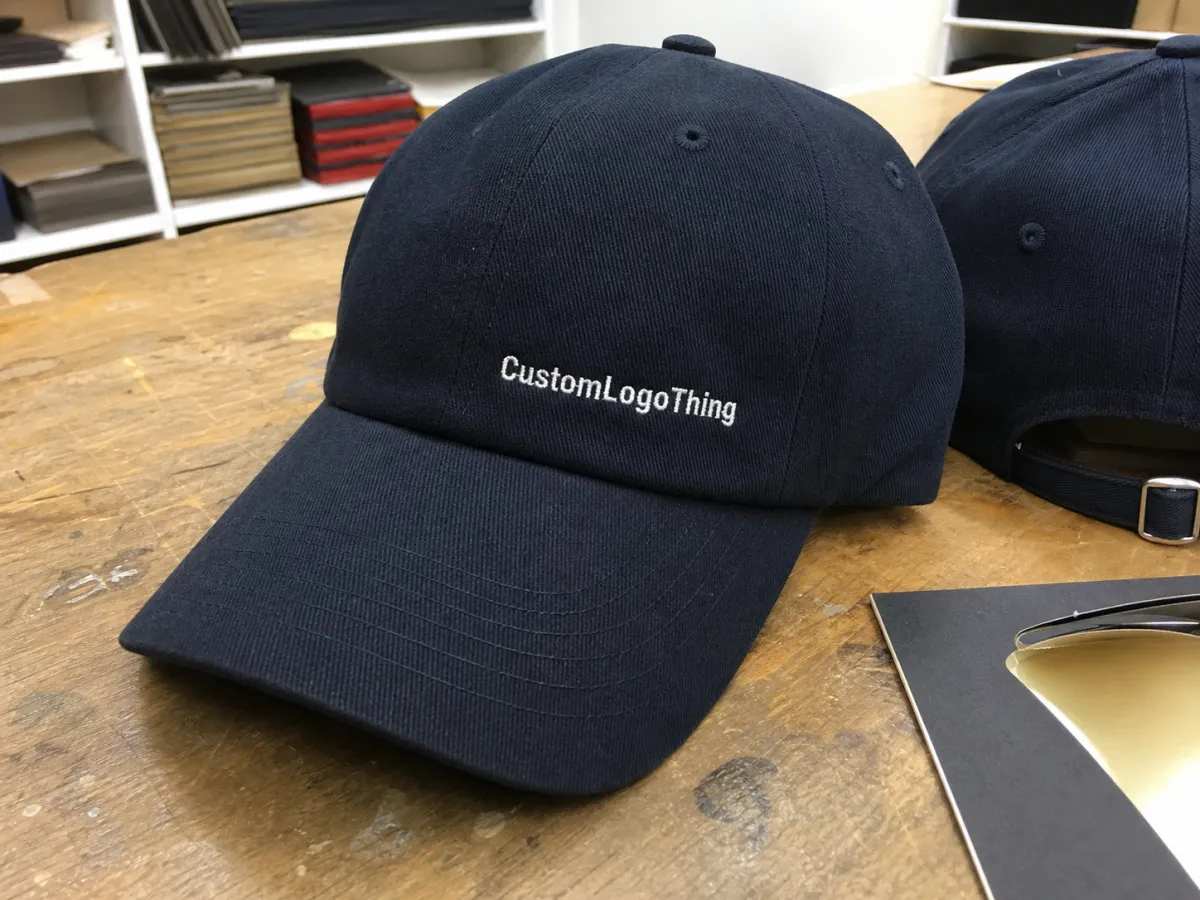
Beer-branded caps sit at the intersection of merchandising, staff uniforming, and practical wear. A brewery, taproom, distributor, or event team usually needs one consistent look across a large run, not a stack of samples that only look right under showroom lighting. That is why beer Embroidered Baseball Caps bulk order planning is a production conversation first and a design conversation second.
Embroidery is a smart fit for this category because it lasts, it reads cleanly from a distance, and it can be repeated on future orders once the stitch file is locked. Compared with many print methods, embroidery also gives the cap a more tactile finish. That suits beer brands that lean on heritage cues, textured packaging, vintage-style marks, or a compact logo on the front panel.
The business logic is simple. The fewer surprises there are around logo size, cap profile, thread color, and minimums, the smoother procurement goes. If the caps are for a launch event, a holiday push, or staff onboarding, the real goal is not just a nice sample. It is a repeatable product that stays inside budget and still looks controlled when it lands in boxes.
In practice, the bulk buyer is purchasing predictability. One clean spec sheet, one approved mockup, one known cap model. That is what keeps the order from turning into a project with moving parts.
The cap that looks fine in a single sample can expose problems fast once the order reaches dozens or hundreds of pieces.
Embroidery details that change the final look
Embroidery seems straightforward until the stitch file is built. Then the details start to matter. Stitch count, density, underlay, and thread transitions all affect how crisp the logo looks on the crown. A compact icon with one or two thread colors usually stitches cleanly. A badge with tiny type, gradient-like shading, or lots of color breaks often needs simplification so the lettering does not fill in and the edge does not blur.
Digitizing is the hidden step most buyers never see, but it drives the final quality more than the logo artwork alone. A good digitizer knows where to reduce detail, where to widen a stroke, and when to remove elements that will not survive a needle. A bad stitch map can make a strong brand mark look tired, especially on low-contrast caps or on fabric that stretches during hooping.
Cap construction changes the result just as much as the art. A structured crown supports embroidery better than a soft, unstructured cap because the front panels hold their shape. Mid-profile caps tend to feel more universal for mixed wearers. Low-profile caps sit closer to the head and can make a logo appear smaller than expected. Curved bills feel natural for brewery uniforms; flat bills read more retail-forward.
Thread color matching deserves real attention. Warm neutrals, deep greens, black, cream, and metallic accents can look excellent on beer-related branding, but a slight shift in thread tone changes the whole mood of the piece. If the brand uses Pantone references, send them early. If the logo is normally used in print, ask for an embroidery conversion that preserves the mark instead of forcing every print detail into stitches that cannot support it.
There are also limits buyers should expect. Tiny text below about 0.20 inches high usually becomes difficult to read. Thin outlines can disappear. Complex gradients have to be translated into solid thread colors. And 3D puff embroidery, while sharp on a simple mark, is usually a poor choice for detailed brewery logos because it can distort small counters and fine letterforms.
- Fewer stitches usually mean cleaner edges on small logos.
- More color changes usually add setup time and raise cost.
- Thicker thread coverage adds texture, but it can close up tight lettering.
- One front placement is easier to repeat across a reorder program than multiple locations.
Specs to confirm before you request a quote
The fastest quotes come from complete specs. Before pricing a bulk cap order, lock down the cap style, panel count, closure type, colorway, decoration location, and approximate imprint size. A six-panel structured cotton twill cap with a hook-and-loop closure does not price the same way a mesh-back snapback or a garment-washed chino cap does, and that difference needs to be visible from the start.
Send vector artwork if you have it. AI, EPS, and PDF vector files are much easier to digitize cleanly than a low-resolution JPEG copied from a website. If the brewery, taproom, or event team already uses a house style for packaging, signage, or glassware, mention that too. The embroidery should feel like it belongs to the rest of the brand system, not like it came from a separate design file.
Fit and wearability deserve attention as well. Adjustable one-size caps keep bulk orders simple and avoid split pricing. Fitted styles look cleaner on some retail displays, but they complicate inventory. For most promotional and staff programs, one adjustable style is the most practical choice because it covers the widest number of wearers with the least friction.
A useful spec sheet usually includes the following:
- Cap style: structured or unstructured, six-panel or five-panel, trucker or solid front
- Material: cotton twill, washed chino, performance polyester, or mesh-back blend
- Closure: snapback, hook-and-loop, buckle, or fitted
- Decoration: front only, front plus side, or front plus back
- Artwork file: vector preferred, with Pantone references if available
The more exact that source document is, the fewer revisions you need later. That is the difference between a straightforward purchase order and a thread of emails trying to reconstruct decisions that should have been settled once.
For teams that manage recurring merchandise, it also helps to save the approved spec as the master reference for reorders. A cleaned-up file beats an old email thread every time.
Cost, MOQ, and unit price drivers
Unit price on embroidered caps is shaped by a few predictable factors: decoration complexity, stitch count, thread changes, blank quality, labeling, and whether the order includes multiple colorways. The cap itself is only part of the cost. Digitizing, machine setup, thread loading, proofing, and finishing all affect the final number.
MOQ usually reflects how much setup the decorator needs before the first finished cap is ready. Smaller runs often carry a higher per-unit price because the fixed work is spread across fewer pieces. Once the quantity rises, the unit price usually falls, especially if the artwork is simple and the program stays to one decoration position.
For simple domestic runs using in-stock blanks, one front logo, and standard closures, the market often falls into these rough tiers:
| Program type | Typical cap spec | Common MOQ | Ballpark unit price | What drives the cost |
|---|---|---|---|---|
| Entry-level bulk run | 6-panel cotton twill, one front logo, simple stitch map | 48-72 pieces | $4.50-$6.75 | Limited setup, short stitch time, fewer finishing steps |
| Standard branded program | Structured cap, 1-2 logo colors, front embroidery only | 72-144 pieces | $6.00-$9.25 | Better blank quality and more consistent fit across the run |
| Premium retail-style run | Garment-washed chino or performance cap, higher stitch count, side detail | 144+ pieces | $8.00-$12.50 | Longer decoration time, more handling, and a more refined blank |
Those numbers are ballparks, not promises. A clean logo on a common blank can land near the low end. A complicated mark on a premium cap, especially with extra labeling or packaging, climbs quickly. Freight, taxes, and any last-mile handling are separate variables and should be quoted separately so the buyer can compare apples to apples.
One often-overlooked line item is digitizing. Some suppliers fold it into the setup fee; others quote it separately. Simple logos may be digitized for a modest flat charge, while detailed marks with multiple color blocks or small text can cost more. That is normal. It is also why a lower unit price can be misleading if the setup charges are hiding elsewhere.
The easiest way to lower the price is usually not to ask for a discount after the quote arrives. It is to reduce complexity before quoting starts. Fewer thread colors, one placement instead of two, a cleaner redraw, and a tighter cap color plan all help. If you are comparing several versions of the same design, pick one master spec and keep the variations to a minimum.
Production steps and lead time from art file to delivery
A reliable run follows a predictable path: artwork review, digitizing, digital proofing, sample or strike-off if needed, production, finishing, inspection, and shipment. Each step catches a different kind of error. Artwork review checks file quality. Digitizing converts the logo into a stitch file. Proofing confirms size, placement, and thread mapping. Production and inspection verify that the finished caps match the approved spec.
That sequence sounds basic, but schedules usually slip in the approval stage. Logo redraws, last-minute color changes, quantity changes, and unclear placement instructions all add time. If the team is still debating whether the logo should sit high or low on the front panel, the order is not ready for production. Clean approvals come from decisions made before the quote request is sent.
Lead time should be discussed in ranges, not promises. For many bulk embroidered cap orders, a normal window is often 10-20 business days from proof approval. Larger programs, complex artwork, or multiple decoration positions can take longer. Simple in-stock orders sometimes move faster; special blanks, custom labels, or large mixed-color runs usually stretch the schedule. Rush production may be possible, but it tends to trade margin for speed, and that trade-off should be visible before anyone signs off.
There are practical manufacturing constraints behind those timelines. Needle count affects stitch time. Dense artwork takes longer to sew and is more prone to thread breakage. Thin front panels can pucker if the underlay is not tuned correctly. Dark thread on a dark cap may need a lighter border to keep the logo readable. None of that is dramatic, but all of it affects how quickly a run can move from proof to carton.
If the order includes carton labels, retail sleeves, or insert cards, packaging decisions can add another approval layer. For distribution-heavy programs, transit testing standards such as ISTA-style checks are worth asking about. If paper components are involved, FSC-certified options may matter for procurement teams that track sourcing claims. Those are not decorative details; they help prevent surprises after the caps are already boxed.
Inspection should be specific, not vague. A proper check looks at thread tension, stitch registration, crown alignment, color consistency, and carton count. On larger orders, it is worth confirming that sample units were pulled from the full run rather than only from the first few caps off the machine. Early pieces can look perfect while the rest of the order tells a different story.
What a dependable bulk supplier should handle for you
A dependable supplier does more than take the order. They should clarify the spec, clean up the artwork when needed, explain what is and is not included in the quote, and give you a realistic schedule. If the logo needs to be simplified for embroidery, that should be explained plainly. If the cap style you want has a longer lead time, you should know that before the purchase order goes out.
Consistency controls matter just as much as the quote. The supplier should check color matching, stitch placement, and front-panel alignment, then inspect the run before shipment. On large programs, that discipline reduces the gap between the approved sample and the finished goods. If the order has multiple colors or multiple decorations, the shop should explain how those runs will be separated and identified.
Good suppliers also understand that branded merchandise and packaging often move together. A cap may need a size sticker, an individual polybag, a custom hang tag, or a coordinated presentation for retail shelves. None of that is complicated on its own, but each piece adds another point where a sloppy process can show up. The best partner keeps those details visible from the start.
Honest quoting is part of that trust. A clear price that separates the blank cap, decoration, setup, and finishing steps is easier to compare than a vague all-in number. If a supplier can explain the difference between a basic run and a premium cap program without hype, that is usually a better sign than a polished sales pitch.
The right supplier leaves you with a readable paper trail: approved art, approved cap spec, approved timeline, and approved cost. That is what makes a reorder easier later. It is also what keeps beer embroidered baseball caps Bulk Order Planning from becoming guesswork.
Next steps for a faster quote and cleaner approval
A useful quote request should include the logo file, target quantity, preferred cap style, color references, delivery deadline, and any examples you want to match. If you have a budget range, include that too. It narrows the options quickly and keeps the conversation focused on cap programs that actually fit the order.
Ask for pricing that separates the cap cost, embroidery setup, decoration, and any finishing or labeling. That makes comparisons easier and exposes hidden assumptions. If you need alternate colors, confirm whether they can live inside one production run or whether each colorway will be treated as a separate line item. The same question applies to mixed sizes, special packaging, and reorder expectations.
Sample approval rules should be clear before production starts. Some buyers want a digital proof only; others want a physical strike-off before the full run begins. Both paths are valid. The important part is knowing which route you are on and how it affects cost and timing.
A practical ordering sequence looks like this: send a complete spec, approve the proof quickly, keep the artwork simple where possible, and choose the cap style that supports the logo instead of fighting it. If the order will be reordered later, save the approved spec and keep the thread callouts, placement, and cap model on file so the next run is easier to place.
That is the cleanest way to buy with fewer surprises. Bulk cap programs work best when the blank, the decoration, and the delivery rules are fixed before production starts, because that is what keeps the unit cost predictable and the finished caps consistent from the first box to the last.
What is the best quantity for beer embroidered baseball caps bulk orders?
The best quantity depends on your MOQ, budget, and whether the caps are for one event, ongoing retail use, or staff uniforms. Larger quantities usually lower the unit price because setup and digitizing costs are spread across more pieces. If you expect a reorder, it can make sense to buy enough to cover the first run and keep a small reserve for replacements.
How long does bulk production usually take for embroidered beer caps?
Lead time depends on artwork approval, digitizing, cap availability, and whether a sample or strike-off is needed. Simple orders can move faster than complex multi-placement embroidery or multi-color cap programs. The quickest way to avoid delays is to approve artwork promptly and submit final quantities before production begins.
Can I mix cap colors in one bulk embroidered order?
Often yes, but mixing colors can affect pricing and sometimes minimums if each color is treated as a separate line item. A tighter color plan usually keeps production simpler and helps preserve consistency across the whole order. If you need multiple colors, ask whether they can be grouped into one run or need separate setup.
What affects the unit cost most on beer embroidered baseball caps?
The biggest drivers are embroidery complexity, stitch count, cap quality, number of thread colors, and how many locations are decorated. Extra steps such as special packaging, labeling, or mixed sizes can also increase the final cost. Reducing artwork complexity before quoting is one of the most effective ways to control unit price.
What should I send to get a fast quote for bulk cap planning?
Send a vector logo, desired quantity, cap style preference, color references, and the delivery date you need to hit. If you have a target budget, include it; that helps narrow cap options and decoration choices quickly. The more complete the spec sheet is up front, the fewer quote revisions you will need.


