Restaurant printed poly mailers Bulk Order Planning affects more than the price line on a PO. A weak plan creates the kind of slow drift that is easy to miss at first: extra labels at the pack table, a seal that does not hold, cartons that arrive before there is room to store them, and reorders that turn into emergencies. A better plan takes pressure off the team instead of adding another thing to manage.
For restaurants shipping shelf-stable retail items, merch, gift cards, loyalty kits, and meal-kit add-ons, the mailer becomes part of the operating system. It is packaging, yes, but it is also a labor step, a brand surface, and a replenishment item that has to fit warehouse reality. Buyers comparing Custom Poly Mailers with broader Custom Packaging Products usually get better results when they think about consumption rate, print setup, and storage footprint before they think about the headline unit cost.
Used well, a printed mailer standardizes the outbound workflow: fill, seal, scan, ship. Used badly, it becomes another SKU that runs out too fast or arrives with the wrong dimensions for the product inside. The real question is whether the bag makes the pack line easier to run.
Why Restaurant Printed Poly Mailers Bulk Order Planning Reduces Packing Friction
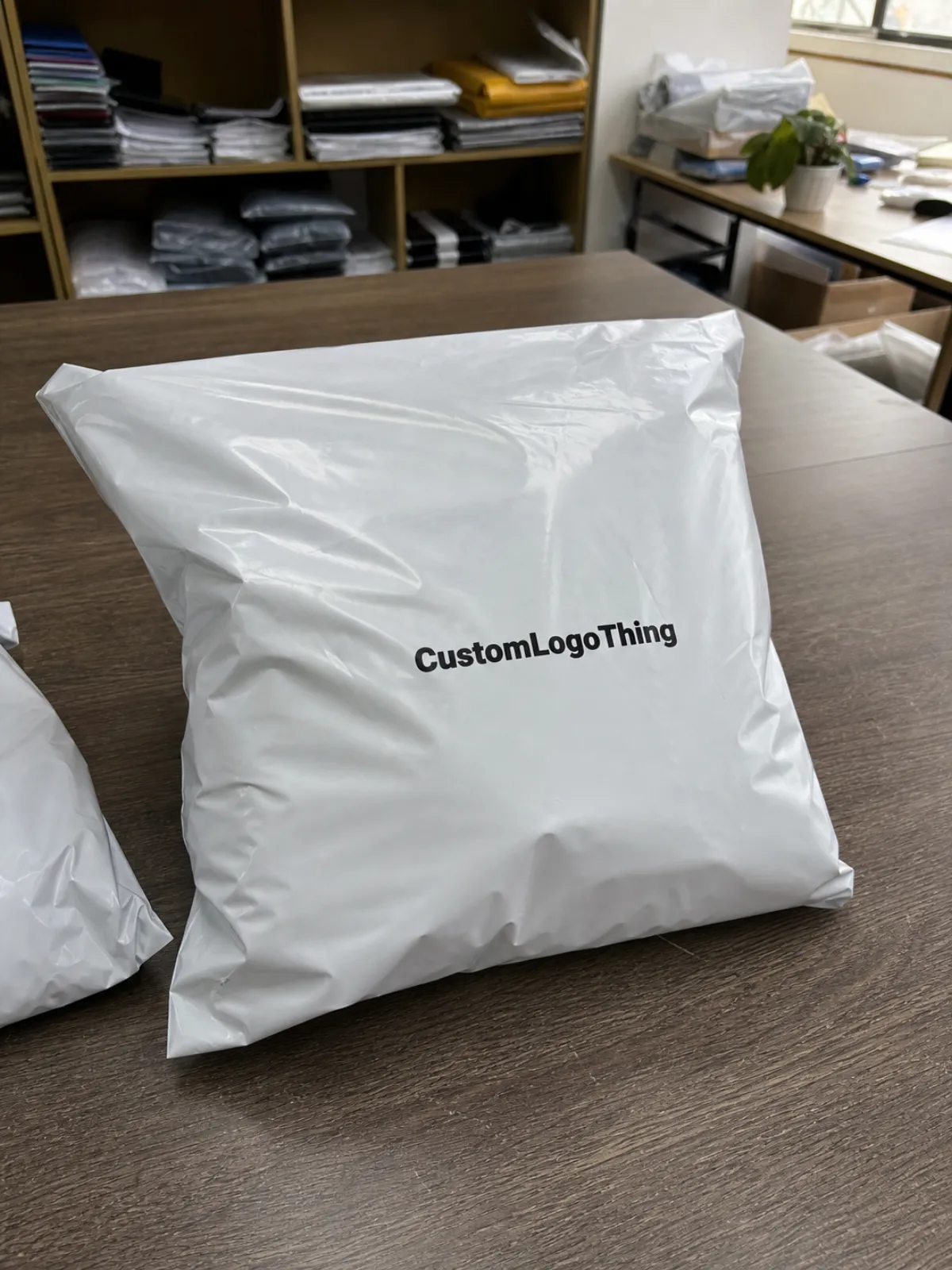
Most buyers look at print cost first. The bigger win usually comes from cutting out small tasks that repeat all day. A plain mailer may look cheaper on paper, but the team still has to apply labels, verify order type, choose the right bag, and deal with inconsistent presentation from one shift to the next. A printed mailer absorbs some of that work. That matters in busy operations where seconds add up across hundreds of outbound orders.
This is especially true for restaurants shipping products that need protection but not a rigid carton. Shelf-stable snacks, branded apparel, inserts, gift cards, promotional bundles, and simple ecommerce add-ons fit that profile. A mailer is not the right answer for hot food, chilled shipments without insulation, or anything that needs hard-side crush protection. The packaging has to match the product, not the other way around.
There is also a training benefit. New staff do not need to memorize three different bag types or stop to ask which label belongs on which package. A standardized mailer gives the team one default pack-out and fewer chances to mix things up. That kind of consistency makes audits easier, helps managers spot waste, and gives purchasing a cleaner forecast for the next order.
For multi-location brands, the value is even more obvious. One store may burn through a carton faster because of promo volume, while another moves slowly and risks over-ordering. Bulk planning turns that variation into a single replenishment rhythm. It also gives the team a benchmark for how many units are consumed per week, which is usually more useful than a rough guess from the previous quarter.
Branded packaging also changes the customer experience before the package is opened. A printed mailer signals the brand during transit, which can matter for subscription shipments, seasonal product drops, and repeat-order programs. It is a subtle thing, but it still makes the shipment feel deliberate instead of improvised.
There is a practical comparison worth making: a low-cost plain mailer with separate labeling can still be more expensive in labor than a slightly pricier printed version. The math depends on order volume, but the labor line is real. A smart bulk order plan accounts for both materials and the minutes spent at the packing table.
Film Gauge, Seal Strength, and Print Coverage That Travel Well
Poly mailers are simple at first glance, but the material choices matter. Film gauge affects puncture resistance, stretch, and how well the bag handles edges during transit. For restaurant programs, a light retail item can often run in a moderate gauge, while a heavier bundle or anything with sharper corners usually needs a thicker film to reduce tear risk along the seal and corners.
Many buyers compare options in the 1.5 mil to 3 mil range. That is a useful planning band, not a rule. A 2 mil bag can be perfectly appropriate for folded apparel, inserts, or flat retail goods. If the contents are denser, irregular, or likely to rub against other parcels, thicker film is usually the safer choice. Lower gauge is not automatically better just because the price is lower.
Seal strength deserves the same attention. A self-seal flap should close cleanly and stay closed under normal parcel handling. Weak adhesive slows packing because staff start adding tape, checking the seal twice, or reworking the bag after closure. That creates exactly the kind of friction the mailer was supposed to remove. Tamper-evident closures can be useful for some restaurant shipments, but they only help if the seal actually holds.
Print coverage changes the economics and the appearance. A small logo on one panel is cheaper and usually more durable from a scuff perspective. Large-area artwork can look sharper from a branding standpoint, but it also raises the cost and makes any abrasion easier to see. Matte finishes tend to read as understated and clean. Gloss can make color pop under warehouse lighting. Either can work; the point is to choose based on handling conditions, not just the mockup on a screen.
Many restaurant shipments benefit from opaque or tinted film that hides the contents during transit. That adds a little privacy and makes the package feel more finished. If the order is food-adjacent retail rather than direct food contact, the design can usually accommodate more print area and a clearer branded surface. For route durability, buyers often think in terms similar to parcel-test standards such as ISTA, because the weak point usually shows up in vibration, compression, or repeated handling rather than in the first mile.
Fit matters more than many new buyers expect. Too much slack inside the bag lets contents shift and stresses the closure. Too little room can wrinkle the film, distort the print, and make the package harder to seal. The right size keeps the load flat enough to look deliberate and small enough to travel without unnecessary movement.
A useful real-world rule: if the contents are sharp, oddly shaped, or likely to compress differently in transit, ask for samples and test them under load before placing the full order. A spec sheet can look fine and still fail at the packing table.
Artwork Setup, Panel Sizes, and Branding Specs to Lock Before Ordering
Artwork is where many Restaurant Printed Poly Mailers Bulk Order Planning projects lose time. Before production starts, the supplier needs the correct logo file, the number of colors, the imprint area, and the exact panel location for the art. Front, back, gusset, and flap placements all require actual measurements. Guessing here leads to proof delays later, and proof delays are expensive because they push the whole timeline back.
Vector files are the cleanest starting point because they hold line quality at production scale. If a raster file is the only option, it needs to be high resolution and prepared at the final size. A blurry logo on a proof usually turns into a blurry logo on the bag, so this is not the place to wing it.
Panel size matters just as much. A mailer that looks large on a screen can have very little usable imprint area once seams, adhesive flaps, and safe margins are factored in. Suppliers usually work from a print template, and that template is more useful than a rough sketch. Buyers should check bleed, safe zone, and any edge restrictions before approving the artwork. If the design touches a seam or folds over a closure area, the result can look crooked even if the file itself is technically correct.
Color expectations should be set early. Pantone matches, CMYK approximations, and plain one-color prints each behave differently depending on the film and ink system. On a slick surface, some colors read darker or flatter than they do in a brand guide. That is why proofing matters. A screen preview only tells part of the story.
There is also a practical question of how much branding is actually useful. Full-coverage art can look sharp, but if the mailer is mostly handled in storage and transit, a simpler layout may deliver most of the value with less cost and less risk of scuffing. In many restaurant programs, a clean logo, a short line of copy, and a strong brand color are enough.
Branding specs also need to match the pack-out process. If a store uses the same mailer for multiple product types, the artwork cannot be so product-specific that it causes confusion. A flexible design works better than one that only makes sense for a single seasonal campaign. That keeps inventory usable even when the promotion changes.
Pricing, MOQ, and Quote Factors That Move the Unit Cost
Unit cost is driven by more than volume. MOQ, number of print colors, film gauge, bag size, finish, and shipping terms all move the number on the quote. Buyers often ask for the cheapest price per thousand without checking whether the spec is even the right fit for the product. That can create a false win on paper and a messy run in practice.
MOQ is the first lever to understand. A low MOQ helps if the design is new, if the brand wants to test demand, or if storage space is tight. A higher MOQ usually improves unit economics, but only if the team can actually consume the inventory before it goes stale or gets in the way. There is no benefit to a bargain rate if the cartons sit untouched for a year.
Print method matters too. Simpler layouts, fewer colors, and standard sizes usually keep costs down. Specialty finishes, heavy coverage, and custom dimensions add cost because they increase setup and material use. That does not mean they are bad choices. It just means the quote needs to be read as a bundle of tradeoffs, not as a single number.
Shipping can make the quote look better or worse than it really is. FOB terms, freight class, carton count, and delivery location all affect landed cost. A cheap unit price can turn into an average or even expensive order once freight is added. For that reason, restaurants with multiple locations often do better when they compare landed cost against labor savings, not just carton price.
Lead-time pricing can also change the result. Rush work, split shipments, and proof revisions often add cost. If the order is tied to a launch date, it is worth building margin into the schedule so the team is not paying for urgency later.
A good quote conversation includes sample availability, artwork review, production slot, and freight estimate. If a supplier cannot explain those pieces clearly, the price is probably not the full story.
Production Steps, Timeline, and Lead Time Planning
A clean production timeline starts before the order is placed. The first step is usually artwork confirmation, followed by proof review, prepress setup, production, curing or finishing if needed, packing, and freight booking. Each of those steps can introduce delay if the inputs are not ready.
Proof review is where many teams lose time. The proof should be checked for logo placement, color expectations, size, spelling, panel orientation, and any legal or label text that needs to appear. One missed detail can send the file back into the queue. That is why a fast approval process is more valuable than a rushed one. Quick does not help if the proof has to be redone twice.
Lead time should be built around actual consumption, not hope. If the order runs out in six weeks, the reorder should not begin in week six. That sounds obvious, but it is a common failure point in restaurants where demand moves with promotions and seasonality. A simple reorder trigger based on weeks of supply can prevent a lot of panic later.
Inventory space matters as much as production time. Cartons that arrive early can create their own problem if they block access to other supplies or force the team to stack them in awkward places. The best schedule is one the operation can absorb without rearranging the back room.
Multi-location systems need a little more discipline. Store-level demand can vary enough that one site needs a different replenishment cadence from another. Central purchasing should set the forecast, but each location still needs a simple way to report actual burn rate. Otherwise, the next order is just a guess with nicer formatting.
There is also a quality-control moment at receipt. The team should check count, print quality, seal performance, and basic dimensions before the inventory goes into active use. Finding a problem after the cartons are already distributed is much harder to fix.
What a Reliable Packaging Partner Handles Before the Press Run
A good packaging partner does more than quote a price and wait for approval. They should help confirm the spec, flag print limitations, point out size issues, and explain what will happen if the art or material choice does not fit the use case. That kind of guidance saves time because it catches problems before production starts.
They should also be willing to talk through samples. A sample tells the truth that a mockup cannot. It shows how the film feels, how the seal closes, whether the size works with the actual product, and whether the print reads clearly under warehouse lighting. For restaurant buyers, that test is often the difference between a decent order and a repeat order.
Another good sign is whether the partner can explain the production sequence in plain language. Buyers do not need a lecture. They need to know when they will see the proof, what they are approving, what the likely risk points are, and how long each step takes. Clear answers are usually a better signal than slick sales language.
Reliable partners also help with reorder discipline. They can keep the artwork on file, note the approved spec, and reduce the chance that a future order drifts from the original. That is especially useful for restaurant brands with multiple stakeholders, because the person reordering later is not always the person who approved the first run.
When the partner is strong, the process feels boring in the best way. The order arrives on time, the bags work as expected, and nobody has to improvise at the packing table.
Next Steps: Build a Clean PO and Reorder Checklist
The easiest way to avoid mistakes is to write the order details down in one place. A clean PO should include the mailer size, film gauge, print method, number of colors, finish, quantity, ship-to address, and approved art reference. If the team wants a reorder to match the first run, the previous proof and spec should stay attached to the record.
A reorder checklist helps even more. It should cover inventory on hand, lead time, current consumption rate, and the date the next order needs to land. That is enough to stop most last-minute scrambles. If a restaurant sells through packaging faster during a promo cycle, the checklist can be adjusted without rebuilding the whole process.
It also helps to name one person who owns the packaging decision. Not every detail has to live with purchasing, but someone should be responsible for confirming the art, checking the sample, and triggering the reorder. Otherwise, the task bounces around until the inventory runs low.
Keep the process simple enough that the team will actually use it. A packaging system only works if people can follow it during a busy shift. The best version is usually the one with the fewest steps and the least guessing.
FAQ
What kind of restaurants use printed poly mailers?
Restaurants that ship branded merchandise, shelf-stable products, gift items, loyalty kits, and small ecommerce add-ons usually get the most value from them.
How do I choose the right gauge?
Match the gauge to the product weight, shape, and sharpness. Flat, light items can use a lighter film, while denser or sharper contents usually need a thicker option.
Are printed mailers better than plain mailers?
They are often better when labor, consistency, and brand presentation matter enough to justify the added print cost.
What should I send for artwork?
A vector logo file is best. If that is not available, send the highest-resolution version you have and ask the supplier to check whether it will reproduce cleanly.
Can I order a small run first?
Yes, if the supplier offers it. A smaller test order is a good way to check fit, print quality, and real-world handling before committing to a larger quantity.


