Beer Frosted Zipper Bags Material Sample Guide for Buyers starts with one blunt truth: the Beer Frosted Zipper Bags material sample guide matters because frosted film can look premium even when the zipper feel, seal quality, or stiffness is wrong in hand.
A sample is not a formality. It is a decision tool. One mismatched prototype can hide problems that only show up after filling, stacking, shipping, or cold storage, and those problems rarely stay small once a production run begins.
Frosted finishes make the category deceptively tricky. They soften glare, make graphics feel more elevated, and can hide minor surface flaws, which sounds helpful until you realize photos become less trustworthy and print contrast becomes harder to judge. A smart sample process turns that blur into evidence.
Beer frosted zipper bags material sample guide: what buyers miss first
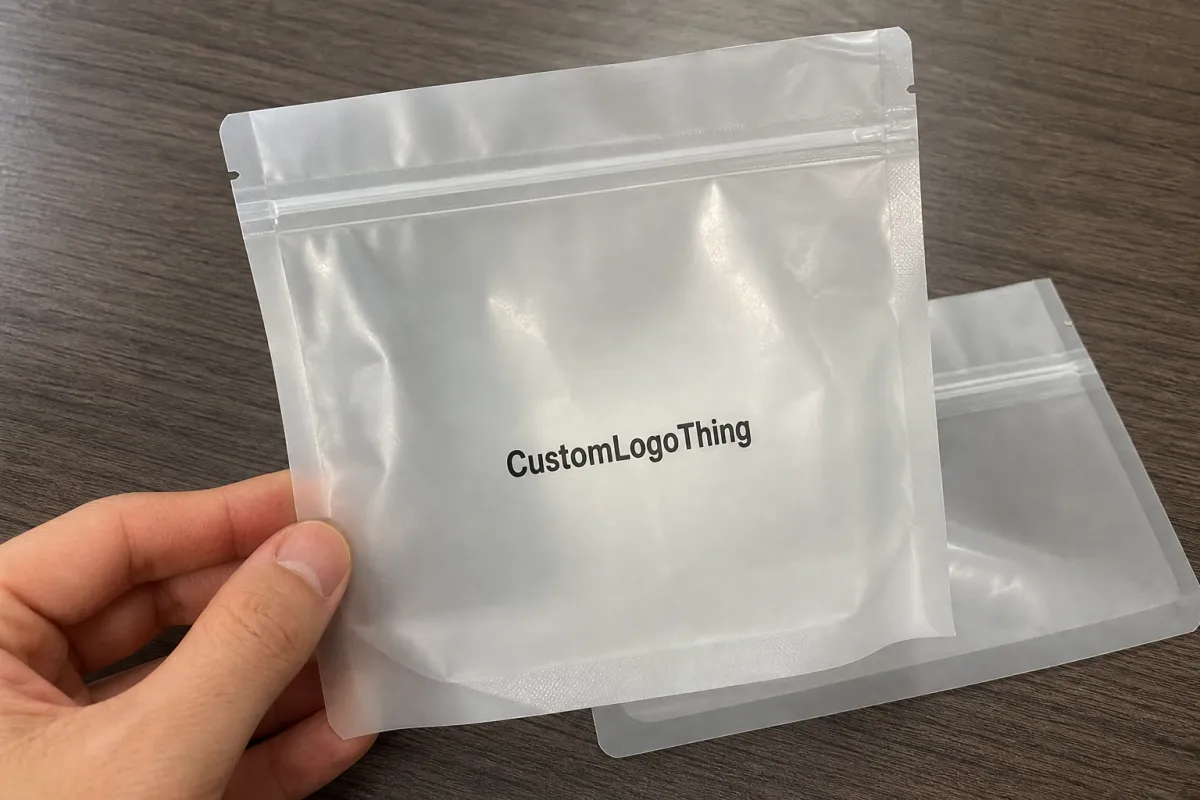
Most buyers focus on how the bag looks on a screen. That is usually the wrong first test. In practice, the tactile details decide whether the bag feels like a premium retail pack or a cheap pouch wearing a frosted coat. The hand feel, the zipper resistance, and the way the top edge sits after closing all matter more than a polished mockup.
The other miss is judging the sample too quickly. A bag can seem fine for five minutes on a desk and still fail after repeated opening, a few hours in a chilled case, or a day packed beside corrugated cardboard inserts. If the final packout includes kraft paper sleeves, labels, or secondary cartons, the whole system should be reviewed together, not as separate parts.
“The sample looked great until we filled it with the real product weight. Then the zipper started feeling loose, and the corners stopped laying flat.”
That complaint shows up often enough to be a pattern. Buyers assume the frosted finish is the main decision point, but the bag is a system made of at least three variables: film, zipper, and structure. Miss one, and the rest of the spec starts to wobble.
For a packaging buyer, the goal is simple: identify whether the sample proves the exact performance you need, not whether it photographs well. If you are comparing a frosted zipper bag against paper-based outer packaging such as FSC certified cartons or kraft paper wraps, keep the roles separate. A recycled materials story can support the brand, but it does not rescue a weak closure.
How frosted film, zipper seals, and barrier layers work together
The frosted outer film is what most people notice first. It cuts shine, adds a soft visual texture, and often makes the product feel more refined. But the same finish can mute printed color density. Deep blacks may look lighter, reds can flatten, and fine type can lose sharpness unless the artwork is adjusted for the surface.
The zipper deserves equal attention. A good sample should tell you whether the closure opens with clean resistance, locks evenly across the full width, and survives repeated cycles without drifting out of alignment. I usually advise buyers to test the zipper at least 20 to 30 times on the sample, because the first two openings are rarely the real story.
Barrier performance sits underneath all of that. Not every frosted zipper bag needs the same structure, but the intended use should dictate the film stack. Heavier contents need more stiffness and better support at the seams. Moisture-sensitive items need a stronger barrier. Chilled goods need a sample that stays flat and does not warp when temperature changes.
When the bag will travel through distribution, the sample should also be treated as a transit test candidate. That does not require a full lab program for every buyer, but it does mean thinking like a shipping engineer for a few minutes. If the pack will be handled in bulk, stacked in cases, or moved through refrigerated storage, the sample should survive those conditions without the zipper walking open or the frosted surface scuffing visibly.
- Film: check frost level, transparency, stiffness, and scuff resistance.
- Zipper: check closure feel, alignment, resealability, and edge finish.
- Structure: check seal integrity, corner shape, and load behavior.
Where standards help, use them. For transit handling, many teams map sample checks to ISTA distribution profiles, especially if the pack is moving through e-commerce or wholesale channels. For seal testing and tensile checks, ASTM methods such as F88 for seal strength and D882 for film tensile behavior give buyers a more disciplined way to talk about what failed and why.
Material choice, printability, and seal strength: the key specs
Four spec choices drive most of the outcome: film thickness, frost level, print method, and closure strength. For lighter retail use, buyers often sit in a range around 80 to 120 microns. For heavier fills, chilled handling, or a more rigid feel, 120 to 180 microns is a more common discussion point. The right number depends on the product weight and how the bag will be packed, not on a generic premium claim.
Printability is where frosted surfaces surprise people. Some accept graphics cleanly with modest ink coverage. Others need a white underprint, a stronger ink deposit, or simplified artwork to keep logos readable. If the logo relies on thin lines or small text, ask for a printed sample rather than trusting a blank material swatch.
Seal strength is just as visible in a sample as it is in a lab result. Look at the edge finish. Does the seal stay flat, or does it curl? Does the seam show stress whitening after flexing? Does the corner crack when the bag is bent? Small surface defects can signal a bigger weakness in the heat seal window or material compatibility.
Fit is another quiet failure point. A sample should be loaded with the actual product weight, or something close to it, so the buyer can see whether the bag is oversized, pinched, or oddly slack. A pouch that feels roomy on an empty table may sit badly once filled. That mismatch is expensive because it affects both presentation and handling.
If sustainability language is part of the buying brief, keep the language specific. A carton can be made from recycled materials, a shipper can be FSC certified, and inserts can be from post-consumer waste or kraft paper. Those claims help the whole package story. They do not automatically change the bag requirement, and they do not make a weak zipper acceptable. Biodegradable packaging claims should be treated carefully and only used where the material system truly supports them.
A better sample is not the prettiest one. It is the one that tells the truth about print contrast, seal quality, and how the bag behaves after repeated handling.
Sample request process, timeline, and approval checkpoints
Start by defining the full spec before asking for a sample. Size, finish, zipper style, artwork requirements, and intended fill weight all need to be clear. If those inputs are fuzzy, the sample will be fuzzy too, and the revision cycle starts before the first bag arrives.
The typical timeline depends on complexity. A plain material sample is often faster than a fully custom printed version. Once artwork, special frost levels, or multiple zipper options enter the brief, the schedule stretches. A common pattern is 3 to 7 business days for a simple sample, 7 to 14 business days for a printed one, and longer if the buyer asks for revisions after the first round.
Approval should happen in stages, not all at once. One person can confirm the spec sheet. Another can review appearance and print quality. A third should run end-use testing with the real product. That keeps comments from colliding, which happens more often than teams admit.
- Material confirmation: verify film gauge, frosted intensity, and zipper type.
- Print review: check color, opacity, logo scale, and legibility.
- Fit check: load the real product and inspect shape retention.
- Performance test: cycle the zipper, flex the seams, and inspect scuffing.
- Final sign-off: lock the approved spec before production begins.
Use the sample stage to reduce ambiguity in writing. If the supplier sends a production sample, a revised sample, or a pre-production sample, label it clearly in your records. That small discipline saves time later when a purchase team asks why one version looked slightly clearer or thicker than another.
For buyers who also care about sourcing language, this is the right moment to confirm whether any paper-based components are FSC certified and whether outer cartons use corrugated cardboard with recycled materials content. That makes the sustainability story more defensible internally and avoids mixing bag spec decisions with shipper spec decisions.
Cost, pricing, MOQ, and what drives the quote
Pricing is usually easier to explain than to predict. The biggest drivers are film grade, frosted finish, zipper style, print complexity, size, and whether the sample is plain or production-like. A plain unprinted sample may be low-cost or even free aside from shipping. A printed proof with a custom zipper can cost materially more because setup time is built into the quote.
MOQ matters, but sample pricing and order pricing do not always move together. Some vendors credit the sample fee back if the order proceeds. Others do not. The final unit price often depends on whether the approved sample can be produced at scale without changing the film system, the zipper format, or the print method.
| Sample Type | Typical Fee | Typical Lead Time | Best Use |
|---|---|---|---|
| Plain material sample | $20-$60 | 3-7 business days | Check frost level, stiffness, and basic zipper feel |
| Printed mockup sample | $60-$180 | 7-14 business days | Review artwork, logo contrast, and white underprint |
| Production-match sample | $100-$250 | 10-18 business days | Approve the closest version to the final order |
The hidden costs usually show up in the revisions. Extra artwork adjustments, alternative zipper profiles, rush shipping, or barrier upgrades can move the quote faster than the buyer expects. A frost finish itself is not always the expensive part; the bigger swing often comes from the structure underneath it.
Compare total landed cost, not only unit price. If one sample takes two extra revisions and a faster courier, it may look cheaper on paper but cost more by the time the buyer gets approval. That is especially true for international programs where lead time and freight are part of the decision.
Common sample mistakes that distort the final order
The most common mistake is approving the look without testing the function. A bag can photograph beautifully and still fail on zipper feel, seal strength, or product fit. That mistake is easy to make because frosted film flatters the eye. It hides enough detail to create false confidence.
The second mistake is testing with the wrong contents. A lightweight demo fill does not show how the bag behaves with real weight, cold conditions, or repeated handling. If the final product is denser, sharper, or more rigid than the test fill, the sample result is almost meaningless.
Spec drift creates the third problem. Buyers approve a sample and then forget to lock thickness, finish, zipper type, and print method in writing. The production run then arrives with a slightly different feel, and everyone argues about whether the difference was visible in the sample or only in memory. Put the approved details in a spec sheet and attach the sample photo if you can.
The fourth mistake is quote comparison without spec matching. One lower price may simply reflect a thinner film, a simpler zipper, or a different frost level. That is not a fair comparison. It is a different product.
If the sample is not tested under real conditions, it is only a visual reference. Real approval starts when the bag is filled, closed, stacked, and handled like the final order.
There is also a sustainability trap. Buyers sometimes see biodegradable packaging claims elsewhere in the packout and assume the bag should follow the same logic. Maybe it should. Maybe it should not. If the outer shipper uses corrugated cardboard, kraft paper, or FSC certified components, that is a separate sourcing conversation from the zipper bag itself. Keep those decisions connected, but not confused.
For a cleaner purchase decision, ask for a side-by-side sample set whenever possible. Compare thickness, frost level, zipper options, and print coverage in the same lighting. Store the samples near the intended sales environment if the bags will sit under strong retail lights or in a chilled display. Small changes in light can change how premium the finish feels.
How do beer frosted zipper bag material samples help compare finishes?
They show the real frost level, texture, and light diffusion that photos usually miss. They also reveal whether the surface improves premium appeal without hurting print clarity or zipper performance.
What should I test first in a beer frosted zipper bag sample?
Start with fit, zipper action, and seal consistency using the actual product weight or fill pattern. Then check scuff resistance, print visibility, and how the bag looks under the lighting where it will be sold.
Does a frosted finish change the price of zipper bag samples?
Usually yes, because frosted film, special barriers, and premium print treatment can raise material and setup costs. Ask whether sample fees are credited back and whether the final unit price changes with quantity.
How long does the sample process usually take for custom zipper bags?
Plain material samples are often faster than fully custom printed versions. Revisions, special finishes, and multiple approval rounds add time, so it helps to lock the spec early.
What is the biggest mistake buyers make with beer frosted zipper bag samples?
They approve the look without testing the bag with real contents and handling conditions. The safer approach is to verify the same film, zipper, size, and print method before moving to production.
If you only remember one thing, keep the beer Frosted Zipper Bags material sample guide tied to the exact film, zipper, print method, and fill weight you intend to order; otherwise, you are judging a different product than the one that ships.


