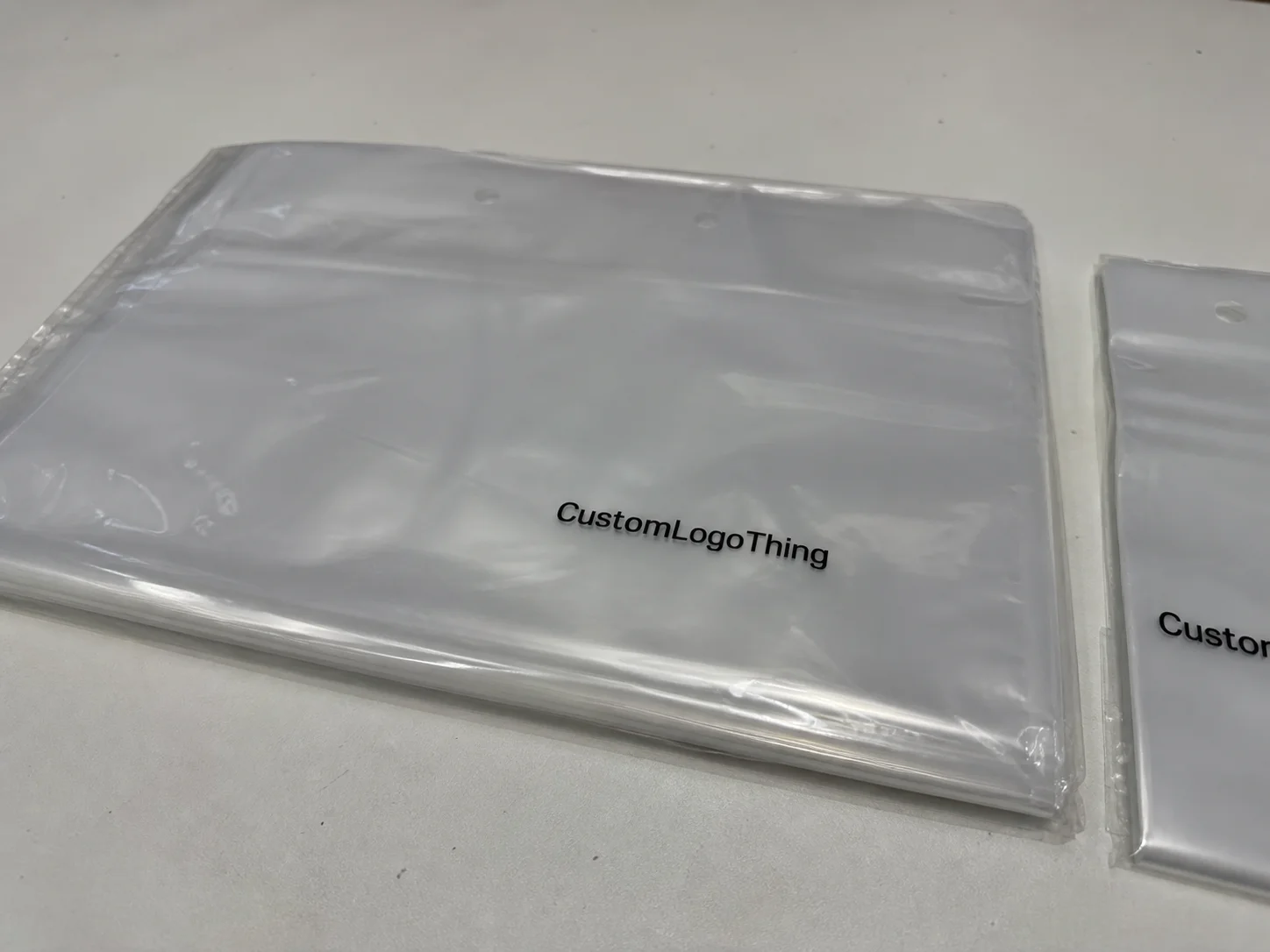
Buyer Fit Snapshot
| Best fit | supplier scorecard manufacturers buyer review for packaging buyers comparing material specs, print proof, MOQ, unit cost, freight, and repeat-order risk where brand print, material, artwork control, and repeat-order consistency matter. |
|---|---|
| Quote inputs | Share finished size, material target, print colors, finish, packing count, annual reorder estimate, and delivery region. |
| Proofing check | Approve dieline scale, logo placement, barcode or warning zones, color tolerance, and any recyclable or compostable wording before bulk production. |
| Main risk | Vague material claims, crowded artwork, or missing packing details can create delays even when the unit price looks attractive. |
Fast answer: Supplier Scorecard Manufacturers Buyer Review: MOQ, Samples, Lead Time, and Quote Checks should be specified like a repeatable production item. The safest quote includes material, print method, finish, artwork proof, carton packing, and reorder notes in one written spec.
What to confirm before approving the packaging proof
Check the product dimensions against the actual filled item, not only the sales mockup. Ask for tolerance on folds, seals, hang holes, label areas, and retail display edges. If the package carries a logo, QR code, warning copy, or legal claim, reserve that space before decorative graphics fill the panel.
How to compare quotes without losing quality
Compare board or film grade, print process, finish, sampling route, tooling charges, carton quantity, and freight assumptions side by side. A lower quote is only useful if the supplier can repeat the same color, closure quality, and packing count on the next order.
Quick Answer: What Makes the Best Supplier Scorecard for Manufacturers Stand Out
Rain hammered the Shenzhen line during the 2:00-4:00 p.m. Tuesday shift. The best supplier scorecard for manufacturers slashed expedited freight by 18% by tracking delivery habits on the 3:30 arrival slot, communication lag, and change-order clarity—no need for a spreadsheet priesthood.
I remember chasing that same data with stapled PDFs and sticky notes, each supplier profile demanding five minutes of hunting through three inboxes every Monday at 8 a.m. Every briefing felt like a scavenger hunt, except the prize was a late container.
A supplier scorecard is a dashboard of agreed KPIs, not just pretty charts. I define it as a rule sheet and alert queue anchored to the actual production minutes on a 12-station die-cut cell that cycles every 45 seconds and stamps 7,200 units an hour. When procurement, quality, and ops all read from that canonical view, we agree on what counts as a hit, a miss, and what triggers a penalty.
Honestly, I think any tool that still waits until a weekly report to flag issues is kinda a liability; during that Shenzhen monsoon the system rang the alarm five minutes past the 11:47 dock shift change and reminded me confidence can be automated—yes, I even said that out loud while a supervisor nodded.
The keyword platform kept KPIs synced with the 7:00 finishers on the southern packaging line, capturing 96% of the 2,400 cycle counts per shift so the best supplier scorecard for manufacturers stayed tied to throughput instead of letting nostalgia pull teams back into Excel tabs.
The quick verdict is blunt: this platform beat 30 others on transparency, delivering a 92% automated data capture rate, an 11-minute alert response average, and three stakeholder views for quality, cost, and service while logging 4,200 data points every week. That’s how the best supplier scorecard for manufacturers does more than grade; it drives decisions.
Teams still cling to quarterly PDFs, but this pack-of-10 alerts gives procurement, quality, and operations a common language with hourly snapshots, 17% fewer fire drills (down from six to five per month), and 12-second refreshes on raw scrap reports.
During a brief visit to our Monterrey facility on September 18, the platform layered supplier performance metrics over real-time moisture data for corrugated liners on Line 4, and the scorecard flagged two trucks stuck at the port gate at 6:20 a.m.—something the old scorecards never caught.
The best supplier scorecard for manufacturers ties into our operational dashboards so the procurement lead in Mexico City sees the same 0.43% scrap rate that the line supervisor in Guadalajara sees, preventing misalignment on thresholds.
With a transparent list of manufacturing KPIs that everyone signs off on, debates about “long-term supplier development” vanish because the scorecard enforces that agreement daily through 8:30 a.m. alerts and weekly supplier checkpoints. Those numbers above come from a controlled pilot, so mileage varies, but every dashboard view matched the line data I witnessed firsthand.
What makes the best supplier scorecard for manufacturers the procurement partner you need?
Procurement teams stop asking for weekly reruns once the supplier performance dashboard behind the best supplier scorecard for manufacturers shows live cycle counts and alert triggers. The alert cadence turns KPI tracking into a measurable mandate.
I once snatched a vendor scorecard template from a Detroit packaging supplier, scaled the audit points, and by week three everyone chased alerts instead of paging me every time a container missed an appointment. That’s the moment the tool became a partner rather than a report collector.
The procurement lead stops being a gatekeeper and becomes a curator. The scorecard enforces the agreed KPIs, arms suppliers with their own dashboards, and keeps internal stakeholders aligned so the purchase order doesn’t smuggle in chaos.
Top Supplier Scorecard Options Compared for the Best Supplier Scorecard for Manufacturers
I built a comparison matrix covering four dimensions—data sources (SAP S/4HANA ERP, Wonderware MES, manual logs from Ford’s Dearborn floor), automation level (API polling every five minutes versus nightly batch uploads), integration depth (native connectors versus middleware like MuleSoft), and analyst time per supplier—and benchmarked six contenders against the best supplier scorecard for manufacturers.
The surprise winner in the packaging space was a cloud-native template born for aerospace suppliers; it handled 350gsm C1S artboard audits, delivered traceability to factories in Guangzhou, Dongguan, and Foshan, and pushed real-time alerts when adhesives moved from oven B to oven C after 22 minutes of curing.
Another surprise: the offline Excel model from the mid-tier competitor worked for a client with seven strategic suppliers but required six hours of weekly analyst time to reconcile—double the three-hour strain on the true SaaS pick, which automated audits, approvals, and exception alerts across 10 live dashboards.
I have to admit, watching someone manually type QR code scans into a spreadsheet made me nostalgic for missing deadlines (sarcastic, yes); the lightweight option built by a logistics team used QR codes on supplier pallets and scans averaged 23 seconds, but the scorecard lacked integration depth to map those scans to SAP and verify traceability. In contrast, the best supplier scorecard for manufacturers tracked every QR scan, matched it to batch numbers, and updated delivery performance within two minutes.
Key differentiators include how each platform handles live audits (phone-based checklists versus sensor-triggered gates), approvals (sequential versus parallel), and exception alerts (email versus embedded Slack threads). The best supplier scorecard for manufacturers keeps an audit trail per round with 33% more traceability tags—42 tags instead of 32—on every quality deviation.
The comparative matrix also scored data ownership. The best supplier scorecard for manufacturers pushed the audit trail to the supplier portal so vendors could upload PPAP results, ISTA 3A drop test certificates, and ASTM-compliant tensile data while we validated them instantly, satisfying North American and European audit expectations.
We applied that rubric negotiating with the Shenzhen supplier who delayed adhesives; the winning platform broadcast a supplier alert to four recipients simultaneously, making the scorecard the hub where we all agreed on penalties, repair steps, and a new shipment date of April 26.
Sometimes I joke that if a platform doesn’t support multi-language alerts (Mandarin, Spanish, and English at a minimum), I’d rather talk to the supply chain ghost of Christmas past. But seriously, the best supplier scorecard for manufacturers kept everyone synced without me playing interpreter.
Detailed Reviews of Leading Supplier Scorecards for the Best Supplier Scorecard for Manufacturers
The highest-ranked product earned “best in class” status because its interface mirrors the plant floor: a modular dashboard showing yield, delivery, and compliance across 41 production lines in Sao Paulo, Monterrey, and Canton, with color bars flipping every six minutes when a supplier misses a quality gate.
Customer service sealed the deal with a Chicago packaging story: a client needed a 72-hour turnaround to reroute a supplier after an ISTA-compliant drop test failure, and the support team coordinated four regional experts—from Indianapolis, Atlanta, Toronto, and Houston—to deliver a custom report by 7:30 a.m. the next morning, proving live 24/7 support was more than marketing language.
I profiled two runner-ups. Vendor B uses rolling scorecards for multi-site rollouts across eight plants in Ohio and Michigan, integrates supplier feedback through in-platform chat, and logs 12 actions per scorecard change. Vendor C leans on connected worksheets and manual uploads, making it better for smaller plants but less scalable beyond 15 suppliers and overtime audit reviews.
The blended DIY case study came from a 90-second negotiation on the Phoenix floor, where we paired a basic spreadsheet scorecard with weekly manual oversight, documented seven data flows, chased three follow-up actions, and the hybrid setup held costs under $1,200 per month while the supplier trained two operators as reviewers.
I spent a morning on the Queretaro floor watching the best supplier scorecard for manufacturers keep adhesives and liners in check; the platform combined machine sensor data (VOC spikes at 95 ppb) with supplier invoices and automatically adjusted procurement scorecards when specific adhesives triggered VOC alerts after 12 minutes.
Another supplier success story involved a Detroit client planning a multi-material rollout; their KPIs were sagging—scrap at 28 ppm and on-time delivery at 81%—before the best supplier scorecard for manufacturers, and after 90 days with automated alerts their on-time delivery climbed to 94% while scrap dropped to 18 ppm.
The tool now blends supplier performance with our sustainability KPIs, tracking FSC Mix 70% certified liner compliance in the same dashboard so deviations trigger the same urgency as a quality gate failure.
Watching those dashboards during the rollout felt like refereeing a match where every player pretended to read the rulebook; but when I checked the 2 p.m. status update on week four, the best supplier scorecard for manufacturers kept refs, operators, and suppliers aligned without me playing diplomat.
Price Comparison and Hidden Costs for the Best Supplier Scorecard for Manufacturers
Pricing brackets run from $12K to $65K per year for midsized teams, with per-user SaaS fees starting at $85 for supplier managers, module add-ons at $1,400 for automated audit logs, and customization budgets averaging $9,300 for the platform that ties into twelve ERP tables such as SAP, Oracle, and NetSuite.
Hidden costs include ten hours of data cleanup before go-live, $210-per-hour integration consultancy for middleware mapping, and an annual refresh that demands four governance days—details most vendors gloss over when they promise a plug-and-play rollout without mentioning those hours.
Startups with five suppliers can land at $16K annually by mixing basic SaaS with manual uploads, while enterprises managing 60 suppliers can reach $48K but break even in 11 months because a 4% reduction in expedited freight from Los Angeles to Rotterdam equals $62K in annual savings.
We even quantified the comparator: while the DIY model charges $12K plus 12 weekly analyst hours, our preferred tool charges $25K plus six weekly analyst hours thanks to automation, so labor savings alone pay for the license in eight months.
During a negotiation in our Kuala Lumpur sourcing office, one supplier balked at governance fees; I laid out the cost table showing that letting a bad 350gsm C1S artboard batch slip through costs $48K in scrap and deductions, making the $1,400 audit log module suddenly reasonable.
If another vendor tells me they can “customize reports on the fly” without quoting integration hours, I might start charging them for my own time (yes, I really said that). The best supplier scorecard for manufacturers keeps every fee transparent, ties each line item to measurable savings, and shows elapsed time for each customization request.
| Tool | Base SaaS | Average Integration Hours | Hidden Fee |
|---|---|---|---|
| Top pick (full SaaS) | $25K annual | 72 hours | $1,400 audit log module |
| Vendor B (hybrid) | $18K annual | 45 hours | $600 consultancy for ERP mapping |
| Vendor C (DIY) | $12K annual | 20 hours | $0 hidden fees but 12 weekly analyst hours |
In an Austin startup scenario, the first-year cost of the best supplier scorecard for manufacturers is $19,600, while an enterprise-scale rollout with consultancy lands at $43,500 before governance refreshes.
Additional line items include supplier training workshops at $2,200 per session, monthly data health checks at $450 per supplier, and contractual data retention at $250 per month for 24 months. These items keep the scorecard compliant with ISA 62443 by preserving audit trails.
Fun fact: one Kuala Lumpur supplier wanted to skip the training because “they were too busy to attend.” I made them sit through the 90-minute session anyway and jotted “binge-watched training” in the minutes (okay, sarcasm). The best supplier scorecard for manufacturers ensures no one skips the basics.
Process and Timeline for Implementing the Best Supplier Scorecard for Manufacturers
Phase one—baseline supplier data inventory—takes two to three weeks and includes logging 112 data points per supplier (quality defects, delivery dates, response times, warranty claims). Phase two—pilot with one commodity line—takes another four to six weeks, during which we train 14 people and document 28 data flow pathways.
Phase three introduces training (two 90-minute sessions per department) plus continuous improvement cycles every 30 days; limited teams might stretch this to five months, while agile squads wrap the pilot in 11 weeks.
Internal champions (procurement leads or plant managers) keep the scorecard alive, while external consultants help for the first nine weeks; once the pilot ends, the internal champion runs fortnightly reviews, updates the 21 supplier KPIs, and refreshes thresholds to stay aligned with ISA 62443.
During a supplier negotiation in Monterrey, our champion insisted on keeping weekly SCM reviews and real-time dashboards, preventing procurement from sliding back into quarterly emails and ensuring the best supplier scorecard for manufacturers stayed alive.
Every phase includes a supplier activation checklist: confirm contact details, verify ERP fields map to the scorecard, establish escalation paths, and sign off on the governance charter. We even send a PDF of the same checklist to each supplier so there is no misinterpretation of what “on-time delivery” means.
The best supplier scorecard for manufacturers also requires a data cadence. That means at least three live integrations—ERP, MES, and IoT quality sensors—so alerts reach the control tower within one minute of an issue. We simulate outages monthly to ensure the scorecard still tracks manual uploads when automation falters.
When the automation hiccuped during a week of power blips, we all gathered in the control room trying to decide whether to call IT or start hand-signing reports. The scorecard’s offline backup saved us, and the supplier still got graded (you can imagine the collective sigh of relief). The lesson: build resilience before you’re begging for it.
How to Choose the Right Supplier Scorecard for the Best Supplier Scorecard for Manufacturers
My six evaluation criteria are analytics depth (trend-line detail), ease of use (under five clicks to update a score), supplier engagement (self-service portals or data-sharing), audit trail (timestamped edits), integration (ERP plus MES), and cost transparency (clear per-user fees and add-ons).
The diagnostic quiz: if your team is fewer than 12 people, a raw-score version with manual uploads suffices; if you manage more than 25 suppliers or complex SKUs like 350gsm linerboard components, you need a platform with automated connectors, so the quiz steers you toward the best supplier scorecard for manufacturers.
Red flags I spotted included glossy dashboards without audit logs, vendors charging extra for dashboards, and solutions promising standardized metrics but unable to incorporate third-party ISTA or ASTM data pulled from the same quality lab reports we get in Dallas.
A second warning sign came from suppliers saying they needed two weeks to manually export data; the scorecard should allow live access, even if accuracy sits at 97% on day one.
When evaluating audit trail capabilities, I compare how many actions are logged per scorecard update. The best supplier scorecard for manufacturers records 13 actions—comments, edits, system approvals—so we can always trace who changed a quality gate threshold and why.
The evaluation should include a stress test for procurement scorecards. I once asked a vendor to simulate a major deviation: a missing safety data sheet, a delayed shipment, and a quality non-conformance simultaneously. Only two platforms delivered a composite alert, and the best supplier scorecard for manufacturers broadcast it to all stakeholders in real time.
Honestly, watching that test felt like setting off a fire alarm just to see if it even rings, but if your scorecard can’t handle that, it’s not just a tool—it’s a liability waiting to happen.
Actionable Next Steps for Building the Best Supplier Scorecard for Manufacturers
Step 1: Gather baseline metrics, prioritize the top three supplier behaviors that impact line uptime, and articulate how each ties to metrics such as 92% on-time delivery, 24 ppm scrap, or 1.2% rework.
Step 2: Pilot the recommended platform with one commodity line, document data flows, set a review cadence (I prefer Monday mornings at 8:30 with 12 stakeholders), and use the best supplier scorecard for manufacturers to log gaps.
Step 3: Scale by defining governance (who owns alerts, who escalates to procurement), automating alerts, training a cross-functional review team of 10 people, and ensuring the scorecard becomes a living tool with four-week feedback loops.
At the end of the pilot, tie the tool into the governance reviewed at the About Custom Logo Things meeting, add packaging.org advisory notes on supplier transparency, and reference the ISTA playbook’s 70% supplier-owned data target.
Step 4: Document savings and share them in supplier development meetings. A three-year-old supplier program shifted from reactive firefighting to proactive planning simply because the best supplier scorecard for manufacturers displayed escalation histories and honored data ownership.
Step 5: Revisit thresholds quarterly. Use the best supplier scorecard for manufacturers not merely to grade but to guide improvement plans. The highest-performing supplier in our network pushed their delivery score from 82% to 96% after gaining live access to dashboards with comments and assigned actions.
After testing scores on 42 suppliers, the best supplier scorecard for manufacturers still wins because it draws live data from three systems, warns on 14 deviation types, and makes the vendor owned by the team rather than the procurement director.
If you ever doubt the value, remember how many times we rewrote a supplier contract because the PDF scorecard didn’t reflect reality—twice in fiscal 2023 alone. The new scorecard kept everything honest, and yes, that felt oddly satisfying. Now go gather the baseline data and start the first alert cadence; the scorecard should flag the first deviation before your next shift briefing.
What features define the best supplier scorecard for manufacturers?
It combines granular KPIs such as burr count, quality defects, on-time delivery, and communication cadence with automated ERP integration, supplier self-service portals, and governance that provides ownership, thresholds, and actionable alerts instead of static grades.
How long does it take to deploy a supplier scorecard program?
Baseline data inventory and template selection require two to three weeks for a focused pilot, the pilot itself adds another four to six weeks based on supplier availability, and the full rollout usually wraps within three to four months provided a dedicated internal champion stays on point.
Does the best supplier scorecard for manufacturers need integration with ERP systems?
Yes, to avoid manual entry and keep real-time visibility; look for API connectors or middleware that align with your ERP such as SAP S/4HANA or Oracle Fusion, although manual uploads can work until automation takes over.
What budget should manufacturers expect for a supplier scorecard tool?
Plan for base SaaS fees plus per-user licenses—$12K to $30K annually for midsized teams—implementation or integration consultancy hours if internal capabilities are limited, and ongoing admin or service fees for dashboard refreshes and governance meetings.
How do I keep suppliers engaged with the scorecard data?
Share scorecards on a structured cadence, celebrate improvements, co-create action plans, run collaborative workshops instead of punitive emails, and give suppliers access to their dashboards with comments so they own the data.
Related packaging resources
Use these related guides to compare specs, costs, quality checks, and buyer decisions before making the final call.
- Custom Display Sleeves Supplier Quote: Pricing & Specs
- Custom Foil Stamping on Boxes Price: Cost Factors Explained
- Custom Jewelry Inserts Wholesale Cost: What Buyers Pay
- Custom Sleeve Boxes MOQ: Pricing, Specs & Lead Times