Book subscription kraft paper bags unit cost: the specs that move it
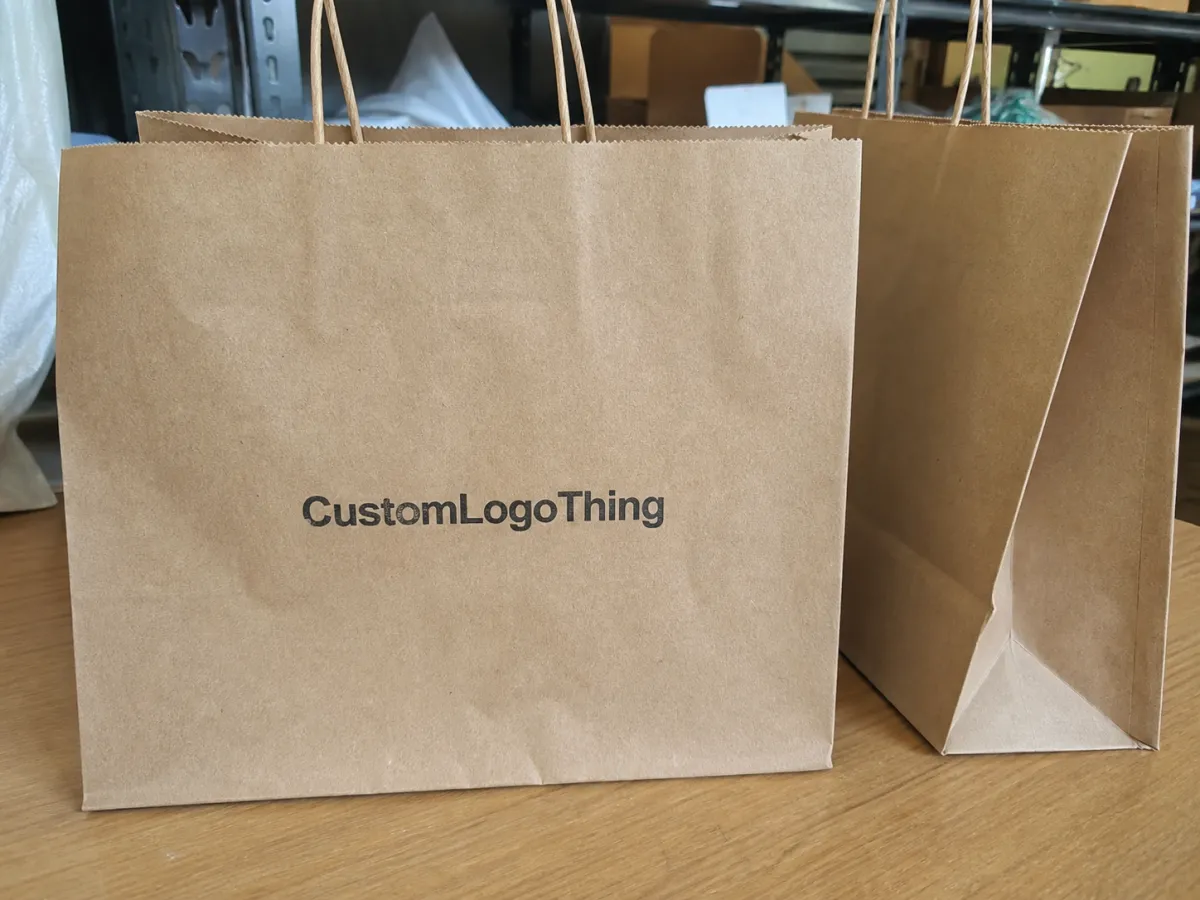
Book Subscription Kraft Paper Bags unit cost is driven by a few concrete decisions: size, paper weight, handle style, reinforcement, print coverage, and quantity. That is the part buyers usually miss when comparing early quotes. A small change in gusset depth or handle construction can matter more than a simple change in artwork.
For a subscription program, the bag is not a one-time purchase. It repeats on a monthly cadence, so even a few cents per unit becomes meaningful across thousands of shipments. That makes the spec worth tightening before you lock production.
The goal is to pay for the protection and presentation the book actually needs, not for structure that looks impressive on a sample but adds no value in fulfillment. If the pack contains a hardcover, a two-book bundle, or an oversized title, the bag has to work in real packing conditions, not just in mockups.
A useful quote should separate essentials from extras. The question is not whether the bag can be made stronger. It is whether the bag needs a stronger bottom, a wider gusset, an FSC certified paper grade, or a simpler build that keeps the cost predictable on reorders.
Choosing a bag format that protects books without adding waste
Format is the first major cost fork. Flat kraft bags, gusseted bags, and handled shopping-style bags solve different problems, and they do not price the same. Flat bags are usually the lowest-cost option. Gusseted bags add room for spines and thicker books. Handled bags add convenience and presentation, but they also add material and assembly cost.
For a single paperback, a flat bag may be enough if the fit is controlled. For hardcovers or mixed bundles, a side-gusseted format usually works better because it gives the packer room without forcing the book into a tight fold. For premium subscription drops, a handled bag can be worth the extra cost if the customer is meant to carry it beyond the mailbox.
Geometry affects damage risk. Weak seams, tight corners, and undersized gussets can all cause problems after the bag is already packed. That kind of failure is more expensive than the few cents saved by choosing the lightest spec.
The common mistake is treating every subscription shipment as if it needs the same container. It does not. A slim paperback and a hardcover bundle should not be quoted as if they have the same load profile. The right format should match the title mix, the pack-out speed, and the transit route.
Here is the practical comparison buyers usually need:
| Bag format | Typical use | Approximate unit cost at medium volume | Strength / presentation |
|---|---|---|---|
| Flat kraft bag | Single paperback, slim mailer, low-frills subscription | $0.16-$0.28 | Lowest cost; limited expansion |
| Side-gusseted kraft bag | Hardcover, two-book bundle, mixed trim sizes | $0.22-$0.42 | Better fit; more control in pack-out |
| Handled kraft shopping bag | Premium presentation, retail-style handoff, heavier bundles | $0.30-$0.58 | Best carry experience; higher material and labor input |
Those ranges will move with paper weight, print count, and MOQ, but they are a practical starting point when comparing book subscription kraft paper Bags Unit Cost across formats.
Paper weight, handles, and reinforcement: where durability gets expensive
Material choices are where cost can rise fastest. Kraft paper weight is one of the easiest ways to increase durability, but it should be matched to the actual load. Light paper may work for low-risk shipping. Heavier paper becomes more sensible once the bag carries hardcovers, multiple books, or a route with rougher handling.
Recycled content is another cost variable. It can add a small premium, or very little at all, depending on the mill and the quantity. If the brand needs a lower-virgin-fiber story or wants to support recycled content claims, that may be worth the extra spend. Just make sure the claim matches the paper and the local disposal system.
Handle style also changes the quote. Twisted paper cord usually feels more premium and supports more weight, but it costs more. Flat tape handles can be efficient and clean. Die-cut handles reduce parts, but they may need a reinforced top edge for heavier books. Bottom and side reinforcements add strength, but they also add material and labor.
The cheapest bag on paper can become the most expensive one in operation if it fails in fulfillment. Handle tears slow down packing and create replacements. Bottom failures are worse because they can damage the contents and create customer complaints. Durability should be judged against the cost of failure, not against the sample price alone.
FSC certification matters when the sourcing story needs documentation. If the supplier also provides outer packing, ask whether the cartons and inner bags follow the same sourcing approach. That keeps the whole pack-out easier to explain.
The real question is not which bag is strongest. It is which bag is strong enough for the book mix without paying for unused structure. That keeps the spec honest and protects unit cost.
Pricing, MOQ, and unit-cost math for subscription buyers
Most quotes come down to dimensions, construction, and quantity. Print coverage follows close behind. Bigger bags use more paper. Heavier paper costs more. More complex handles increase labor. Multiple print colors or full-coverage graphics raise press time and setup. Freight can also move the landed price enough to matter.
MOQ is where many buyers get surprised. Lower minimums can look convenient, but the per-unit price is often higher because setup and waste are spread across fewer bags. A larger run can reduce the unit cost enough to offset storage, especially when subscription demand is steady and forecastable.
Separate one-time costs from repeat costs. Plates, dies, and proofing are often setup charges. The run price is what repeats every order. If you compare only one side of that equation, the quote can look better or worse than it really is.
A buyer-friendly quote should show the main cost buckets clearly:
- Material cost: kraft weight, recycled content, and finish.
- Conversion cost: cutting, folding, gluing, handle attachment, and reinforcement.
- Print cost: spot color versus multi-color coverage.
- Setup cost: plates, dies, proofing, and sample prep.
- Freight and carton cost: shipping, palletizing, and outer packing.
That breakdown gives the clearest view of book subscription kraft paper bags unit cost. Without it, the cheapest quote may hide a weak spec or a higher reorder price.
Ask for at least three options: a stripped-back version, a middle-ground version, and a premium version. That shows where the cost breakpoints sit. A lighter paper with a reinforced bottom may be enough. In other cases, a slightly larger MOQ can lower the unit price enough to justify the inventory.
Tip: compare landed cost, not just ex-factory pricing. A bag that costs less upfront can lose its edge if it ships in larger cartons or requires more outer packaging.
Production steps and lead time from approved art to delivery
Lead time is part of the real cost because schedule risk can create emergency freight or missed launches. The usual path is RFQ, dieline confirmation, artwork proofing, sample approval, production, inspection, and shipping. If the brief is vague, each step can slow down.
The delays are usually practical rather than unusual. Measurements come in incomplete. Artwork arrives without bleed. A late change moves the dieline. A sample exposes handle placement that does not fit the pack-out workflow, so the approval cycle starts again.
For recurring subscriptions, buffer matters. If the launch date is fixed, artwork should be locked early enough to allow at least one proofing round. A straightforward build may take around 12-15 business days after artwork approval, but heavier paper, complex print, or added reinforcement can extend that schedule.
Inspection should also be part of the discussion. A credible supplier will check dimensions, glue lines, handle attachment, and print registration before shipment. For transit validation, some buyers ask whether outer packing has been tested against handling and drop scenarios aligned with standards such as ISTA. That matters most when the bag travels inside larger cartons.
The more complicated the pack-out, the more timing risk it adds. A single paperback is simpler than a hardcover bundle with inserts or a promotional card. Complexity increases both cost and schedule pressure.
Why choose a supplier built for repeat subscription runs
Subscription packaging has to repeat cleanly. A first sample can look right and still fail on the second or third run if the color, seam alignment, or carton count drifts. That is why repeatability matters as much as the first quote.
Color consistency is a real issue on kraft. The base paper can vary slightly from lot to lot, and overprint density can shift if the press is not controlled well. Die-cut accuracy matters if the bag includes a closure or a window. Seam strength matters every time the fulfillment team packs at speed.
Fast communication is another sign. Subscription buyers often do not have generous reorder windows. If a supplier takes days to respond, the delay can affect inventory planning. A factory used to repeat programs usually quotes faster, clarifies open points sooner, and suggests substitutions when a preferred grade is unavailable.
“The best packaging quote is the one that tells you what you are paying for, what you are not paying for, and what could change on the next reorder.”
That is the standard worth holding to. The point is not a flashy presentation or the lowest headline number. It is a predictable program that balances kraft paper, structure, and presentation across multiple cycles.
Reorderable packaging also reduces design churn. If one bag structure can cover several book tiers, procurement gets easier and the cost stays more stable over time.
How to trim spend without weakening the bag or the brand
The best savings usually come from standardization. If three subscription tiers can fit into two bag sizes instead of three, you reduce tooling complexity, inventory fragmentation, and forecast errors. That lowers cost without making the bag feel generic.
Print is another lever. Full coverage uses more ink and press time. A single accent color or a controlled logo placement can look stronger than an overloaded design. Buyers often overestimate how much artwork is needed to make a bag feel premium.
Finishes are where restraint helps. Soft-touch coatings, extra gloss, and decorative laminations add cost and can complicate recyclability messaging. If the goal is biodegradable packaging positioning, it is usually smarter to stay close to a paper-first structure and keep coatings minimal. Any claim still needs to match the exact material and disposal rules.
Packaging efficiency matters too. Flat shipping, nested stacking, and carton optimization can reduce freight and warehousing waste. Inner kraft bags and outer corrugated cardboard cartons should be reviewed together, not as separate costs.
Do not cut the parts that fail under load. Handle strength, bottom support, and seam integrity are the places where cheap specs backfire. Saving a few cents there can cost much more in replacement shipments and complaints.
- Standardize bag sizes across adjacent book tiers.
- Use a simpler print layout with strong brand placement.
- Choose reinforcement only where the load demands it.
- Keep paper weight aligned to the actual book weight, not the worst-case guess.
That is the cleanest way to reduce spend without weakening the bag or the brand.
What to send for an accurate quote and reorder plan
If you want a useful quote, send the details that affect the build. Finished bag size is the starting point, but it is not enough. The supplier also needs book count, average book weight, trim size, print file, handle preference, and monthly volume. If the bag must handle hardcovers or mixed sets, say that clearly.
Here is the quote brief I would use:
- Finished dimensions of the bag.
- Book count per shipment and weight per title.
- Kraft paper preference, including recycled materials or post-consumer waste content if required.
- Handle style, closure need, and reinforcement points.
- Print colors, coverage level, and any finishing constraints.
- Target MOQ, monthly forecast, and reorder timing.
Then ask for side-by-side pricing at three spec levels. That makes the savings gaps easier to see. Sometimes the best option is a lighter paper with a reinforced bottom. Sometimes a slightly larger MOQ lowers the per-bag rate enough to justify the inventory. Sometimes a simpler print layout gives you the look you need at lower conversion cost.
Request a sample or proof before launch. For repeat programs, that single step can prevent a lot of later friction. Once the bag is approved, lock a reorder calendar so production is not driven by panic.
For Custom Logo Things, the practical answer on book subscription Kraft Paper Bags unit cost is simple: buy for the load, the cadence, and the customer experience, not for the headline price alone. The right spec keeps the budget controlled and the pack-out stable.
What drives book subscription kraft paper bag unit cost the most?
Bag size, paper weight, handle style, and reinforcement usually matter more than printing alone. Higher MOQ levels often lower the per-bag price, while custom finishes and complex constructions push it up. Freight and carton pack-out can also change the landed cost, especially on recurring subscription shipments.
Can I lower the cost without making the bag feel cheap?
Yes. The safest savings usually come from simplifying print coverage, standardizing dimensions, and choosing a lighter but still durable kraft grade. Keep stress points strong, especially the bottom, seams, and handle attachment, so the bag still performs in fulfillment. A good supplier should quote alternate specs so you can compare savings against durability.
What MOQ should I expect for custom book subscription kraft bags?
MOQ depends on the paper structure, print method, and handle type, but pricing usually steps down as volume rises. Ask for tiered quotes so you can see the breakpoints instead of accepting a single number. If your volume is uncertain, choose a supplier that can support a pilot run and then scale.
How long does production usually take after artwork approval?
Lead time depends on sample approval, print complexity, and order size, but the process should be mapped clearly before you commit. Proofing and revisions are the most common schedule risks, so lock measurements and artwork early. For subscription launches, build buffer time before the first ship date to protect against late changes.
What information do you need to quote these bags accurately?
Provide finished dimensions, book weight or bundle count, paper preference, handle style, print colors, and target order volume. Include whether the bag must support hardcovers, multiple books, or a premium unboxing experience. The more specific the brief, the more accurate the unit-cost quote will be.

