Private Label OPP Header Bags Unit Cost Breakdown for Buyers
Why a one-cent film change can swing your margin
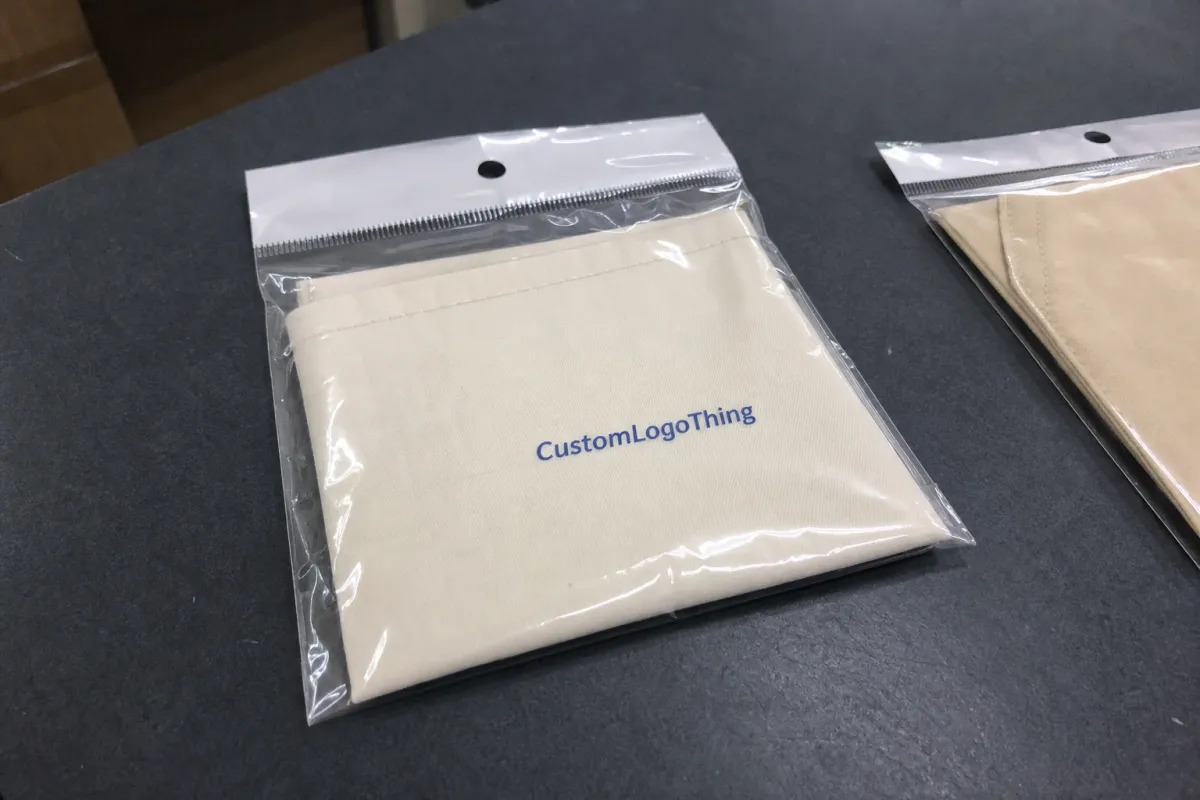
Private label packaging looks small until the purchase order hits. A one-cent change in unit cost is only $100 on 10,000 pieces, but it becomes $500 on 50,000 pieces before freight or duties. For low-ticket retail items, that difference can decide whether the program protects margin or erodes it.
That is why an OPP Header Bag quote should never be treated as a single number. Film gauge, header size, print method, hole style, pack count, and shipping lane all affect the final price. Two quotes can look close while hiding different assumptions. One may include heavier film or a wider header; another may leave tooling or carton charges for later.
The format stays popular because it does a simple job well. It keeps the product visible, hangs cleanly on peg displays, and protects lightweight goods without the cost of a box or clamshell. That makes it a strong fit for accessories, stationery, craft items, pet products, and sample packs.
It also moves faster than many custom packages. Less material, less storage volume, and lower carton weight help when buyers need predictable replenishment and repeat ordering.
OPP header bag formats and retail use cases
OPP is oriented polypropylene, the clear film that gives the bag stiffness and visibility. The header section adds the hanging function and usually carries the brand, barcode, warnings, or SKU copy. Buyers choose this format when they need shelf presence without the cost of rigid packaging.
The retail use case matters more than the material name. A craft kit needs enough header room for branding and barcode placement. A hardware part may need a stronger seal and a more durable hole. An apparel accessory may care more about clarity and wrinkle resistance than load-bearing strength. The bag should be designed around how it will be handled, displayed, and replenished.
Most buyers narrow the decision to a few core choices:
- Printed or unprinted - unprinted bags lower cost; printed headers improve shelf clarity and brand recognition.
- Euro slot or round hole - the hole style affects display hardware, header layout, and sometimes tooling.
- Standard or custom dimensions - standard sizes are easier to price and reorder; custom sizes fit better but raise setup cost.
- Single-SKU or multi-SKU program - standardizing across lines usually reduces variation and reorder friction.
If the product includes inserts, labels, or hang tags, align those items before quoting. A disconnected pack plan can create mismatched barcodes, extra handling, and avoidable rework.
For Private Label Buyers, consistency is the real value. A bag that fits once and prints cleanly on repeat is usually better than a cheaper option that changes from order to order.
Material, print, and sizing specifications buyers should lock in
The material spec usually sets the floor for pricing. Standard clear OPP for light retail use often runs around 30 to 40 microns, though some programs need more thickness for stiffness or seal performance. Thin film can save money, but if the bag wrinkles, feels flimsy, or bends under its own weight, the packaging hurts the product instead of supporting it.
Print complexity is the next major variable. A one-color header print is usually the lowest-cost branded option. Add more colors, expand coverage, or print on both sides, and setup costs rise quickly because plates, make-ready waste, and press time increase.
Dimensions matter more than many first-time buyers expect. Wider bags use more film. Longer bags increase converting time and can reduce line efficiency. Header depth also affects cost because it must hold the hanging feature, artwork, and any barcode or compliance text.
Before pricing, lock these details:
- Exact bag width, length, and gusset if needed.
- Filled product dimensions, not just the flat item size.
- Artwork coverage, color count, and whether the back stays clear.
- Hole type, header depth, and barcode placement.
- Any recycling marks, country-of-origin copy, or compliance text.
If labels or tags are part of the pack, align them early so the print strategy and bag layout do not conflict. A tidy package on paper can become crowded once the barcode, warning copy, and hang display all need space.
Buyers should ask for a dieline or spec sheet before sample approval. A few millimeters can change fit, seal behavior, and cost. That is not administrative detail. It is the difference between a clean first run and a round of corrections after production starts.
Private label buyer OPP header bags unit cost breakdown
The Unit Cost Breakdown usually falls into five buckets: film, print setup, converting, packaging, and freight. If a supplier gives only one number, the quote is incomplete. The real question is where the cost sits and whether it will change on the next order.
Film is the base material and usually the most transparent part of the quote. Thicker film, clearer film, or film with tighter consistency standards costs more.
Print setup includes plates, color matching, and press setup. A simple one-color header keeps this lower. More colors or heavier coverage raises the cost fast.
Converting covers slitting, sealing, header formation, and hole cutting. Small orders absorb more setup time per unit, which is why low MOQs often look expensive even when the material is ordinary.
Packaging includes inner packs, master cartons, pallet wrap, and count verification. These items affect damage risk and warehouse handling, so they are part of the buying decision, not just admin detail.
Freight can be the quietest cost driver and the easiest to misread. An ex-factory quote may look strong until the shipment moves by air, crosses a busy port, or fills a large carton count. The landed number is what matters.
| Run size | Typical spec | Unit cost range | Main cost pressure |
|---|---|---|---|
| 5,000 pieces | Standard clear OPP, one-color header print | $0.18-$0.32 | Setup spread across fewer units, higher scrap exposure |
| 10,000 pieces | Same bag size, one- or two-color print | $0.12-$0.24 | Better setup efficiency, lower labor cost per unit |
| 25,000 pieces | Standardized size with simpler artwork | $0.08-$0.16 | Bulk pricing and stronger production efficiency |
Those numbers are directional, not fixed. Film gauge, hole style, pack count, and shipping lane can move them quickly. A modest artwork spec can still come in higher than expected if the vendor needs a new die, smaller cartons, or extra QC steps. Quote comparisons only make sense when the assumptions are visible.
Tooling fees deserve a separate line. Some runs need new plates, dies, or a custom hang-hole tool. On a small order, those charges can distort unit cost more than the material itself. On repeat orders, some of them disappear or shrink sharply, which changes the reorder picture.
A low quote is not a low cost if it omits plate fees, carton upgrades, or freight assumptions that are cheaper than reality.
Ask for landed cost, not factory cost alone. Landed cost is the number procurement can defend because it includes the parts that actually hit the budget.
Production process and lead time from proof to shipment
The production path is straightforward in theory: spec confirmation, artwork review, prepress proof, sample approval, manufacturing, QC, packing, and dispatch. If any step is vague, the schedule slips. Most delays come from mismatched assumptions, not from the bag being difficult to make.
For a straightforward custom run, a realistic window is about 12 to 15 business days after proof approval, then transit time on top of that. Add time when artwork is dense, the order is small, the header shape is custom, or the production queue is full. Repeat orders are faster because the specs and process notes already exist.
The most common delays are predictable: missing dielines, late logo approval, product measurements that do not match the sample, and last-minute changes to print copy. A single size revision can affect artwork placement and make the approved proof unusable.
A practical production calendar should include the approval deadline, press start, in-line check, packing date, and ship target. That level of visibility helps retail teams plan inventory receipts and launch timing. If the bags support a seasonal reset, a few days matter more than a small price difference.
Transit testing can matter when cartons need to survive multiple handoffs. Standard distribution guidance, such as the material available through ISTA, is worth reviewing when corners or seals cannot be damaged in transit.
Quality controls that protect print, seals, and retail presentation
Quality control on OPP header bags should be visible and repeatable. The core checks are seal integrity, hole placement, print registration, film clarity, count accuracy, and carton consistency. If these fail, the bag may still function, but retail presentation drops fast. On a peg hook, uneven bags stand out immediately.
Samples matter because a flat sample and a filled sample are not the same product. A bag that looks fine on a table can wrinkle, sag, or misalign once the real item goes inside. Buyers should approve against the actual product whenever shape, weight, or fill height affects the look.
Low-MOQ orders need extra care. A single carton issue on a 5,000-piece run changes effective unit cost far more than the same problem on a larger order. Scrap hurts yield, but it also affects delivery timing and can force expensive replacement freight.
Packaging controls matter as much as print controls. Inner pack counts, master carton counts, moisture protection if needed, and pallet pattern all affect how well the shipment survives transit. If the order includes paper components, confirm FSC chain-of-custody requirements for those parts separately.
Ask how the supplier handles rework or replacement if the batch misses the approved spec. The answer tells you more than a polished sales deck. A disciplined supplier will explain the corrective path clearly.
What to send for a faster quote and cleaner first order
The best quotes come from buyer briefs that remove guesswork. Send the finished dimensions, product weight, artwork files, quantity tiers, target ship date, and destination ZIP or port. If the supplier knows the lane, freight can be estimated more accurately. If the quantity tiers are clear, the quote can show where the unit cost drops and where it levels off.
A reference photo helps more than many teams expect. Flat dimensions do not always show how the item sits once packed. A photo of the actual product, or a sample pack if one exists, gives the supplier a better read on fit and presentation.
A clean approval path usually looks like this:
- Quote based on a finalized spec sheet.
- Preproduction proof or sample review against the actual product.
- Small spec adjustments, if needed, before the purchase order is released.
- Production signoff with a dated schedule and packing instructions.
Repeat-order pricing should be discussed with the first quote. Once plates, dies, and process notes exist, the reorder cost often drops enough to change the program economics. The first order is the reference point, not the whole business case.
For buyers managing multiple SKUs, one of the best cost controls is standardization. Keeping the same header depth, similar film gauge, and compatible artwork layout across products reduces variation and makes the line easier to run.
How to compare quotes from private label bag suppliers
Compare only like-for-like specs: same film thickness, same print coverage, same header style, same carton count, and same freight basis. If those pieces change, the quotes are not equivalent even if the totals look close in a spreadsheet.
Watch the assumption list closely. A quote can look attractive because it omits plate fees, hides a tooling charge, or assumes an unrealistically cheap shipping method. If the assumptions are not written down, they are still part of the deal.
A simple buyer scorecard keeps the decision grounded:
- Landed cost - compare the full delivered number, not only the factory quote.
- Lead time - ask for proof, production, and transit timing separately.
- Sample speed - fast, clear sample handling usually signals better control.
- Communication - direct answers now usually predict fewer surprises later.
- Repeat consistency - the second order should match the first without redesign.
The cheapest supplier is not always the best buying decision. If the order creates scrap, color drift, or display inconsistency, packaging cost rises in ways the first quote does not show. Retail packaging is judged both at the factory and on the peg hook.
For teams buying several packaging SKUs, standardizing the structure usually saves more than chasing the lowest price on a single line. Fewer bag sizes mean fewer specs to control, fewer art changes, and fewer reorder mistakes.
FAQ
How do you calculate private label OPP header bags unit cost breakdown?
Start with the factory price, then add print setup, packaging, freight, and any tooling charges to get the landed unit cost. Compare tiered quantities so you can see how the per-piece price changes as the run gets larger. The same bag can look expensive at 5,000 pieces and reasonable at 25,000 pieces once setup is spread out.
What MOQ should I expect for private label OPP header bags?
MOQ depends on print complexity, film width, and whether the job needs new plates or a custom die. Standard sizes with simple header printing often support lower minimums than unusual sizes or full-wrap artwork. Ask for pricing at each tier so you can see whether the lower MOQ is worth the higher unit cost.
Can I get a sample before placing a private label order?
Yes. A stock sample or preproduction sample is the right way to check fit, hole placement, print position, and how the bag looks when filled. If the product has an odd shape or weight, judge the sample with the actual item inside it. Flat dimensions alone do not tell you enough.
Which specs change the quote most for OPP header bags?
Film thickness, bag dimensions, print coverage, and header style usually have the biggest impact. Color count and carton configuration also move the number because they affect setup and production speed. A clear spec sheet with one final version is the fastest path to a reliable quote.
How long does a custom private label OPP header bag order take?
After proof approval, a straightforward order often needs about 12 to 15 business days for production, plus transit time. Complex print, custom tooling, or a crowded production schedule can extend that. Reorders are usually faster because the supplier already has the approved spec and process notes.


