Buyer Fit Snapshot
| Best fit | Branded Carton Inserts Recycled projects where brand print, material claims, artwork control, MOQ, and repeat-order consistency need to be specified before quoting. |
|---|---|
| Quote inputs | Share finished size, material target, print colors, finish, packing count, annual reorder estimate, ship-to region, and any compliance wording. |
| Proofing check | Approve dieline scale, logo placement, barcode or warning zones, color tolerance, closure strength, and carton packing before bulk production. |
| Main risk | Vague material claims, crowded artwork, missing packing details, or unclear freight terms can make a low unit price expensive after revisions. |
Fast answer: Branded Carton Inserts Recycled: Board, Finish, Dieline, and Unit Cost should be specified like a repeatable production item. The safest quote records material, print method, finish, artwork proof, packing count, and reorder notes in one written spec.
Production checks before approval
Compare the actual filled-product size with the drawing, then confirm tolerance on folds, seals, hang holes, label areas, and retail display edges. Reserve space for logos, QR codes, warning copy, and material claims before decorative graphics fill the panel.
Quote comparison points
Review material grade, print process, finish, sampling route, tooling charges, carton quantity, and freight assumptions side by side. A quote is only useful when the supplier can repeat the same color, closure quality, and packing count on the next order.
Branded Carton Inserts Recycled: A Practical Guide
Branded Carton Inserts recycled can make a package feel carefully engineered, or they can make it feel like somebody rushed the job and hoped the logo would do the heavy lifting. You can see the difference pretty quickly once the box is opened. If the insert is too thin, cut a little off, or folded in a way that fights the product instead of holding it, the whole presentation loses confidence. Built with care, branded carton inserts recycled protect the contents, shape the reveal, and support a sustainability story without looking preachy or awkward.
Brands shipping cosmetics, bottles, subscription kits, electronics, samples, and multi-piece gift sets rely on inserts for more than cushioning. The insert holds each item where it belongs, separates pieces that should not touch, and creates a first impression that feels deliberate rather than improvised. It also gives sustainability messaging a visible place to live. A recycled-content insert that is printed cleanly and fitted well tells one story. A bulky virgin board insert with messy folds tells another, and customers notice that mismatch.
The tricky part with branded carton inserts recycled is that the piece has to work like packaging hardware and read like brand design at the same time. The board has to be right, the die-cut geometry has to suit the product, the ink coverage has to respect the surface, and the packing line has to stay efficient. Language matters too. “Recycled content,” “recyclable,” and “recycled-friendly” are not interchangeable claims, and people who look closely at packaging will catch the difference.
The sections below stay close to the real work: material choices, print methods, timelines, quote structure, and the mistakes that create rework. If you are comparing suppliers, a look through Custom Logo Things packaging options and a few Case Studies can help show how structural choices carry through to the finished pack. The aim is simple: make branded carton inserts recycled look intentional, protect the product properly, and avoid paying for features that do not improve the result.
Branded carton inserts recycled: what they are and why they matter
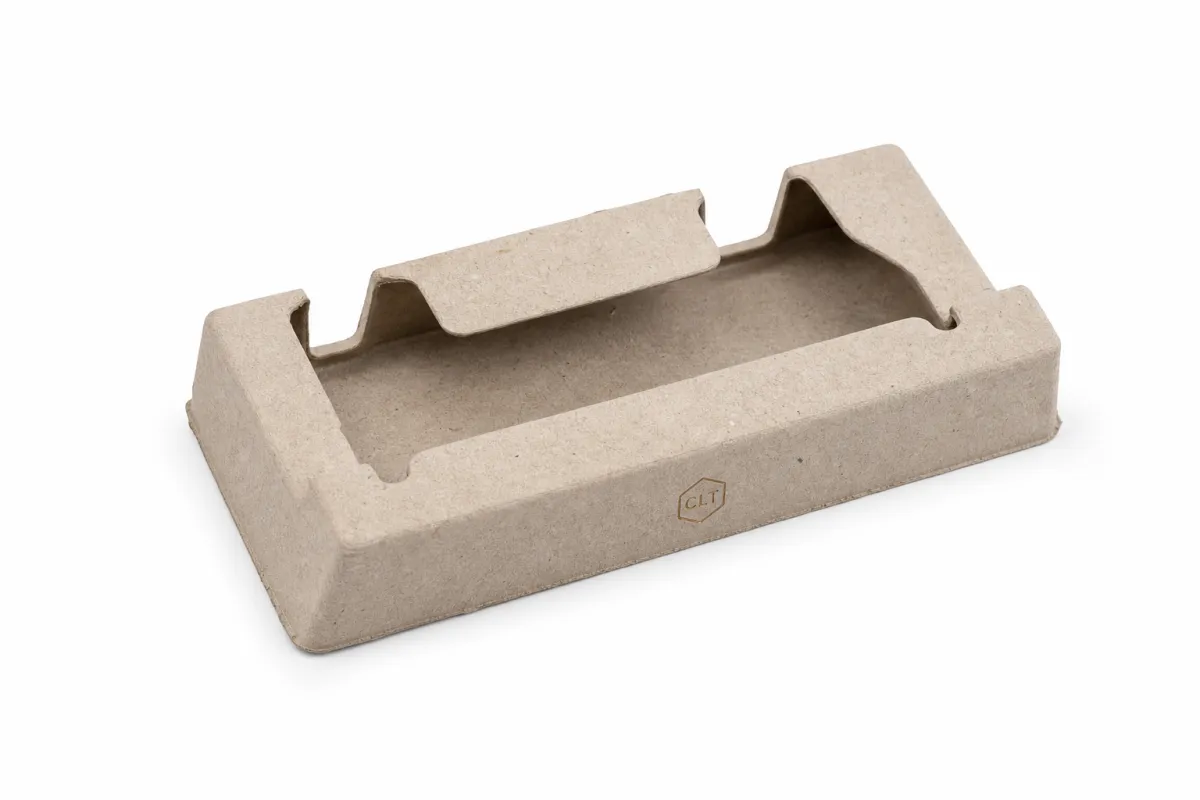
At the simplest level, branded carton inserts recycled are custom-fit internal components made from Recycled Paperboard or recycled-content corrugated materials. Their job is to hold a product in place inside a carton, but many of them do a lot more than that. They can build compartments, frame a product, carry printed instructions, separate accessories, or create a cleaner reveal when the box opens. In a well-built pack, the insert belongs to the package architecture, not the scrap pile.
That matters because the insert is doing three jobs at once. It reduces movement during handling and transit. It improves presentation by placing the product where the eye expects it to sit. It also communicates something about the brand, especially when the insert carries a small logo, a product name, icons, or short copy that supports an eco-conscious message. With branded carton inserts recycled, the material itself becomes part of the branding.
Three claims often get mixed together, and they should not be treated as the same thing:
- Recycled content means the board includes recovered fiber or post-consumer material in the manufacturing mix.
- Recyclable means the material can generally be processed again, although local collection and sorting rules still matter.
- Recycled-friendly is a loose phrase and should be used carefully, since it is not always a formal claim.
From a packaging buyer’s point of view, the safest move is to ask for documentation. If a supplier says the insert is made from 100% recycled fiber, ask what that means in practice: post-consumer content, pre-consumer content, board grade, and whether any coatings or laminations affect recovery. The FSC system and supplier traceability documents help when you need a paper trail for procurement or marketing review.
I also find it useful to judge branded carton inserts recycled in two ways: how they look on a flat sample and how they behave inside a real carton. A sheet can look perfectly fine on a table, then the product rattles, leans, or catches on a tuck once it is packed. Fit, board stiffness, and fold memory matter as much as the recycled claim. A good insert feels deliberate from the first hand-feel, not kind of okay.
How branded carton inserts recycled are made and used
The production sequence for branded carton inserts recycled is straightforward in theory, but the details carry the job. It starts with product measurements, not carton measurements. Product dimensions, accessory count, and shipping method define how much retention the insert needs, where the cutouts should sit, and whether the structure should be a tray, a sleeve, a partitioned deck, or a multi-layer hold-down.
Once the structure is defined, the designer builds a die line. That die line sets the cut paths, score lines, folds, tabs, and retention features. From there, the team chooses the stock: recycled paperboard for lighter presentation-focused pieces, or recycled corrugate for heavier products and tougher transit conditions. Artwork setup, proofing, die-cut tooling, print, and finishing follow. In many production runs, branded carton inserts recycled are printed before or after cutting, depending on artwork coverage and press setup.
Material behavior changes the design more than many first-time buyers expect. Recycled paperboard tends to suit cosmetics, small consumer goods, subscription items, and sample kits because it folds cleanly and gives the printer a tidy face to work with. Recycled corrugate is usually better for heavier bottles, electronics, parts kits, and anything that needs extra crush resistance or shock buffering. That does not mean corrugate has to look rough. A well-printed microflute or E-flute insert can still feel premium when the die work is crisp and the layout stays disciplined.
Branding can appear on the structure in several ways. Some teams use a simple logo or product name on the top face. Others print assembly instructions, icons, part numbers, or orientation marks that help pack-out move faster. In a subscription kit, printed pockets can tell the customer exactly where each component belongs. In a cosmetic set, the insert might frame the main item and hide loose accessories under a flap. That kind of organization is one reason branded carton inserts recycled do so much useful work: they reduce confusion and make the pack feel complete.
“A recycled insert should not look like a compromise. If it fits tightly, prints cleanly, and packs fast, buyers read it as intentional design.”
Shipping validation usually comes next. Teams often test the complete pack using standard methods. Depending on the route and product, that can include ISTA parcel testing or compression checks such as ASTM-based board tests. The ISTA test protocols matter because they push the package beyond a perfect lab fit and into the real handling that causes damage. That is where branded carton inserts recycled prove their value or expose weak points.
Key factors that shape performance, appearance, and sustainability
If you want branded carton inserts recycled to perform well, three things usually decide the result: board selection, structure, and print strategy. I would rank them in that order. A beautiful printed insert made from the wrong board can still fail in transit, while a plain insert made from the right stock can often do its job very well.
Board selection starts with thickness and stiffness. A lighter paperboard, often in the 300gsm to 400gsm range, works well for presentation inserts and component trays. Heavier products may call for thicker recycled board or corrugate with enough caliper to resist crush. Fiber mix matters too. A sheet with a high recycled content percentage can behave a little differently from virgin stock in fold quality, fiber snap, and surface smoothness. That does not make it worse; it simply means the die lines and print expectations need to match the material.
Structure is the second major lever. Retention strength depends on how tight the fit is, where the tabs sit, and whether the product is held by its body or by a sensitive edge. Friction fits are quick to pack, though too much pressure slows the line and can scuff the product. Tuck features can improve security, while cutouts can reduce material use and lower weight. With branded carton inserts recycled, the strongest designs usually use only the material needed to hold the product confidently.
Print choices affect both appearance and recoverability. A heavy flood of dark ink can hide the natural fiber texture, which some brands want and others avoid. Water-based or low-migration inks are often preferred for packaging that may sit near food, cosmetics, or sensitive consumer goods, although the exact choice depends on the product and the regulatory environment. If the insert is meant to support a sustainability story, a restrained print layout usually reads better than a crowded one. Clean type, a few icons, and a clear product identifier can say more than a busy full-surface graphic.
Sustainability is not only about using recycled fiber. It also comes from reducing waste through fit and reducing damage through protection. A lighter insert can lower material use, yet if it allows product movement, the resulting breakage creates more waste than the board saved. Overbuilding the insert with unnecessary layers or extra reinforcement may feel safe, but it raises cost and material use without a real gain. That tradeoff shows up constantly with branded carton inserts recycled.
One practical point gets missed often: if you need to make environmental claims, write them carefully. Avoid vague phrases unless you can support them with supplier data. A claim like “made with recycled fiber” is easier to defend than a broad statement about being eco-friendly. If a marketing team wants to reference sustainable sourcing, ask for chain-of-custody documents or certification references, and make sure the wording reflects the actual material and recovery path. Packaging buyers who work this way avoid headaches later.
Here is a simple comparison that helps teams choose a structure:
| Insert type | Best for | Typical material | Approx. use case | Notes |
|---|---|---|---|---|
| Flat paperboard insert | Light products, presentation packs | 300gsm-400gsm recycled paperboard | Cosmetics, samples, small gift sets | Clean print surface, quick pack-out |
| Die-cut tray with pockets | Multi-piece sets | 350gsm-500gsm recycled board | Accessories, kits, subscription boxes | Good for labeling and separation |
| Recycled corrugate insert | Heavier or fragile products | Recycled E-flute or microflute | Bottles, electronics, shipping packs | Better shock resistance and rigidity |
| Partition insert | Multiple items in one carton | Recycled corrugated or board partitions | Glassware, components, bundled SKUs | Excellent for keeping items separated |
Those ranges are planning numbers rather than fixed rules. The right spec depends on product weight, drop risk, shipping distance, and how the carton will be handled after pack-out. For many brands, the smartest path is to test two or three structure options, then choose the one that balances protection, speed, and visual clarity.
Process, timeline, and lead time for recycled carton inserts
The lead time for branded carton inserts recycled depends on how much of the design is already settled. If the product dimensions are locked, the artwork is simple, and the die already exists, the job can move fairly quickly. If the insert is custom-die-cut, multi-compartment, and tied to a new outer carton size, the schedule stretches because every part has to fit together cleanly.
A typical workflow looks like this:
- Measure the product and define the retention needs.
- Select the board grade and recycled content target.
- Create the die line and structural layout.
- Set artwork, labels, and any assembly marks.
- Produce a prototype or short-run sample.
- Approve the proof and confirm the final carton spec.
- Run production, inspect, pack, and ship.
Delays usually appear at the handoff between product development and packaging approval. If the dimensions are still changing, the insert can no longer be trusted. If the artwork keeps shifting, proof approval slows down. If the insert has to fit several SKUs with different tolerances, the line drawing becomes more complex. That is why branded carton inserts recycled should be designed with final product dimensions in hand, not guesses.
For first-time orders, I usually recommend leaving extra time for sampling. Recycled materials can show slight variation in shade or fiber appearance from batch to batch, especially if the stock is heavily recycled or has a more visible natural texture. That is not a defect; it is part of how the board behaves. What matters is that the print, score, and fit are still acceptable once the material is folded and packed. A proof sample tells you more than a flat sheet ever can.
In practical terms, many standard runs land around 12 to 20 business days from proof approval, but that range can compress or stretch depending on tooling, print complexity, freight, and whether the board is in stock. A custom die adds time. A simple one-color insert on standard recycled board can move faster. A multi-color interior with nested partitions and tight tolerances will take longer. Brands that plan for branded carton inserts recycled early usually avoid rush fees and avoid reworking the outer carton at the last minute.
There is also a smarter way to shorten lead time: approve the carton and insert together. Too many teams finalize the outer box first, then ask the insert supplier to “make it fit.” That often creates compromises, especially at the corners and tuck points. When the carton and insert are engineered as a set, the full pack behaves better and assembly gets easier.
If you need to compare options quickly, ask for a prototype with the final board type, final dimensions, and the actual product inside. A flat mockup helps, but a loaded sample tells the truth. That is the point where branded carton inserts recycled either feel dialed in or expose a size issue that would have caused damage on the packing line.
Cost, pricing, MOQ, and quote factors for branded recycled inserts
Pricing for branded carton inserts recycled comes down to the same factors that shape most custom packaging: material grade, thickness, print coverage, die complexity, size, finishing, and quantity. A small insert for a single product can be relatively inexpensive, while a larger multi-compartment structure with a custom die will rise quickly because tooling and labor are spread across fewer pieces.
MOQ matters a great deal. Once the die is made and the press setup is complete, higher quantities usually lower the unit cost. Short runs often carry a higher per-piece price because setup does not shrink much, even when the order is small. That is why some brands prototype one shape, test it, then place a larger reorder once the design is locked. It is usually the most sensible way to handle branded carton inserts recycled.
Below is a useful planning comparison. These are broad market ranges rather than a formal quote, but they help buyers know what to expect.
| Option | Typical MOQ | Approx. unit price at 5,000 pcs | Typical lead time after approval | Best fit |
|---|---|---|---|---|
| Simple recycled paperboard insert, one-color print | 1,000-3,000 pcs | $0.10-$0.22 | 10-15 business days | Light items, samples, presentation packs |
| Die-cut recycled board tray with pockets | 2,000-5,000 pcs | $0.16-$0.34 | 12-18 business days | Cosmetics, kits, bundled SKUs |
| Recycled corrugate insert with custom structure | 3,000-10,000 pcs | $0.22-$0.48 | 15-20 business days | Heavier items, shipping protection, fragile goods |
| Multi-color branded insert with complex partitions | 5,000+ pcs | $0.30-$0.65 | 18-25 business days | Premium kits, retail-ready displays, high-touch unboxing |
Those numbers move with print coverage, board availability, and freight. A dense solid ink area can raise cost. A tighter tolerance can increase inspection time. A custom die adds tooling. If the order needs special finishing or a second production check, the quote reflects that too. Buyers should ask for a line-item breakdown so they can see whether they are paying for the board itself, the tooling, the sample, the print setup, or the shipment. That makes supplier comparisons much cleaner.
The strongest quote comparisons do not stop at unit price. Ask each supplier to specify board type, recycled content, board caliper, print method, tolerances, sampling terms, and whether shipping or setup is included. If one quote looks much lower, check whether it quietly assumes a thinner board, a looser fit, or a less demanding print spec. A cheaper insert that damages product is not cheaper at all. With branded carton inserts recycled, the real value usually shows up in lower breakage, cleaner pack-out, and a better customer impression.
For brands that need a sanity check before ordering, a sample kit, a supplier quote, and a few finished pack photos can tell you a lot. If you are still unsure, compare the pack-out time as well. A structure that saves ten seconds per unit on the line can pay for itself surprisingly quickly, especially on larger runs.
Common mistakes when ordering recycled carton inserts
The first mistake is under-measuring the product. It sounds basic, yet it happens all the time. A product measured at the widest point may still need room for a label, cap, seam, corner radius, or protective wrap. If the insert is too tight, assembly slows down. If it is too loose, the product shifts. Either way, branded carton inserts recycled lose some of their value because the fit stops doing its job.
The second mistake is choosing recycled stock only because it sounds environmentally better, without checking strength. Recycled paperboard can be excellent, but the board grade still has to match the load. Heavier products, sharp-edged items, and long-distance shipping routes need more than a nice sustainability statement. They need adequate stiffness, sound retention, and a structure that can survive vibration, compression, and drop events. That is where actual product testing matters more than a paper specification.
The third mistake is overbranding the insert. A little branding goes a long way. If the insert is covered in dense ink, dark solids, or noisy graphics, the recycled texture may disappear, and the piece can become harder to recycle in some systems because of coating and ink load. That does not mean print is a bad idea. It means the design should support the material instead of fighting it. In many cases, a restrained layout gives branded carton inserts recycled a more premium feel than a crowded one.
The fourth mistake is testing only the flat sample and stopping there. Flat samples show cut quality and print quality, but they do not reveal what happens in transit. Real packaging tests should consider movement, stacked pressure, vibration, and the way closures behave after the pack has been opened and closed again. Standard methods such as ISTA parcel testing or compression testing can expose issues that look invisible on the bench. That is one reason I encourage teams to review the full pack, not only the insert.
The fifth mistake is treating the insert as separate from the outer carton. The best packs are engineered as one system. If the outer carton is roomy, the insert has to do more work. If the outer carton is tight, the insert may need smaller tolerances. If the unboxing is supposed to feel premium, the reveal sequence matters. The more tightly those two parts are designed together, the better branded carton inserts recycled will perform in the real world.
My practical advice is simple: test the loaded pack, confirm the fit with a few different operators if possible, and keep a record of what changed between prototype and production. Those notes save time on reorders and help the next run stay consistent. Packaging is one of those areas where a small error can become a recurring cost if nobody writes down the dimensions That Actually Worked.
Expert tips and next steps for ordering branded carton inserts recycled
If you are preparing to order branded carton inserts recycled, start with the pack experience, not the artwork. Decide how the product should sit in the carton, how quickly the team needs to pack it, and what story the packaging should tell once the box is opened. That sequence keeps the design honest. A strong visual concept helps, but if the structure does not support the product, the whole effort gets expensive very quickly.
One of the best habits is to build a simple specification sheet before you request quotes. Include product dimensions, weight, carton size, board preference, recycled content target, print needs, quantity, and any shipping concerns. If the product is fragile, note the likely transit conditions. If the item has accessories, list them. If the insert must be packed by hand at speed, say so. The more complete the brief, the more accurate the quote for branded carton inserts recycled.
Ask for a prototype, or at least a short run, before you approve mass production. You want to check fit, fold behavior, print clarity, and packing speed. I would rather see a brand catch a small issue in a 20-piece sample than discover a tolerance problem in 20,000 units. If the insert uses recycled corrugate, watch for edge crush and fiber spring-back after scoring. If it uses recycled board, check whether the surface still carries the print cleanly after folding.
Here are the questions I would ask any supplier before placing the order:
- What board grade and recycled content level are you quoting?
- Is the price based on a standard die or a new custom die?
- How much variance do you allow on the critical dimensions?
- Will you provide a press proof or physical sample?
- What is the realistic reorder time if the structure stays the same?
Those questions keep the conversation grounded. They also help you compare suppliers on equal terms. A supplier who can explain board spec, tolerances, and proofing clearly is usually easier to work with over time. That matters because packaging is rarely a one-time purchase. Once a format works, teams tend to reorder it several times, and consistency becomes just as valuable as the original design. That is especially true for branded carton inserts recycled, where the balance between appearance and performance has to stay stable from run to run.
For brands focused on sustainability messaging, keep the claim discipline tight. If the insert uses recycled fiber, say that plainly. If it is recyclable in many curbside systems, say that carefully and avoid overpromising local access. If you need support for sourcing language, align with your supplier documentation and any certification trail you can verify. The EPA’s Sustainable Materials Management resources offer a solid reference point for broader material strategy, and they help teams think beyond one package component to the full flow of materials through the system.
My final practical advice is to measure, sample, compare quotes, and test the loaded carton before you commit. That order matters. It keeps the structure honest, protects the product, and makes sure branded carton inserts recycled deliver the clean presentation and environmental story you actually want. If the insert fits well, prints well, and packs fast, it becomes one of the quiet strengths of the package. If it misses any one of those three, the customer will feel it immediately.
Are branded carton inserts recycled strong enough for shipping?
Yes, if the board type and structure match the product weight, shape, and transit conditions. Recycled paperboard works well for lighter items, while recycled corrugate is often better for heavier or more impact-prone products. A fit test matters just as much as the board grade, because movement inside the carton can cause damage even when the insert looks strong on paper.
What material is best for branded carton inserts recycled?
The best material depends on the product, but common choices are recycled paperboard, recycled corrugated board, and fiber-based specialty stock. Paperboard fits presentation-focused inserts well, while corrugate is usually the better choice when protection and rigidity matter more. Ask for the board caliper, recycled content level, and sample proofs before approving a final spec.
Do recycled inserts affect print quality?
They can, because recycled fibers may create a more textured surface and slightly different ink absorption than virgin stock. That does not mean print quality has to suffer; it means the color target should be approved with proofs and physical samples. Simple graphics, strong type, and clean line work often look especially good on recycled packaging materials.
How long does it take to produce branded carton inserts recycled?
Lead time depends on whether the design uses an existing die or needs custom tooling, plus how quickly artwork and approvals are finalized. Sampling, proofing, and shipping can add time, especially for first orders. The fastest path is to lock dimensions early and approve the structure before fine-tuning graphics.
How do I compare quotes for recycled carton inserts?
Compare more than the unit price by checking material grade, recycled content, tooling, print setup, MOQ, and freight. Ask each supplier to quote the same spec so you are comparing like for like. A lower price can be misleading if the insert needs rework, causes product damage, or delays pack-out.