Buyer Fit Snapshot
| Best fit | Branded Mailing Bags for Retail projects where brand print, material claims, artwork control, MOQ, and repeat-order consistency need to be specified before quoting. |
|---|---|
| Quote inputs | Share finished size, material target, print colors, finish, packing count, annual reorder estimate, ship-to region, and any compliance wording. |
| Proofing check | Approve dieline scale, logo placement, barcode or warning zones, color tolerance, closure strength, and carton packing before bulk production. |
| Main risk | Vague material claims, crowded artwork, missing packing details, or unclear freight terms can make a low unit price expensive after revisions. |
Fast answer: Branded Mailing Bags for Retail: Film, Print, MOQ, and Carton Packing should be specified like a repeatable production item. The safest quote records material, print method, finish, artwork proof, packing count, and reorder notes in one written spec.
Production checks before approval
Compare the actual filled-product size with the drawing, then confirm tolerance on folds, seals, hang holes, label areas, and retail display edges. Reserve space for logos, QR codes, warning copy, and material claims before decorative graphics fill the panel.
Quote comparison points
Review material grade, print process, finish, sampling route, tooling charges, carton quantity, and freight assumptions side by side. A quote is only useful when the supplier can repeat the same color, closure quality, and packing count on the next order.
The first thing a customer sees is usually not the invoice. It is the mailer. That is why branded Mailing Bags for Retail matter more than people tend to give them credit for. They turn a plain delivery into a signal that someone actually cared about the order. If you want a cleaner fulfillment presentation without jumping straight to rigid boxes, the right mailer does more than hold stock. It protects the product, keeps shipping light, and gives the package a finished look. For brands comparing formats, our Custom Poly Mailers page is a useful starting point.
Here is the part buyers miss. branded Mailing Bags for Retail are not decoration wearing a shipping label. They are working packaging. They have to survive packing tables, conveyor belts, truck rides, and whatever happens when the customer opens the order with one hand and a bad mood. When they are specified well, they make a budget shipment look deliberate. When they are specified badly, they become expensive trash with a logo on it.
What Branded Mailing Bags for Retail Actually Do
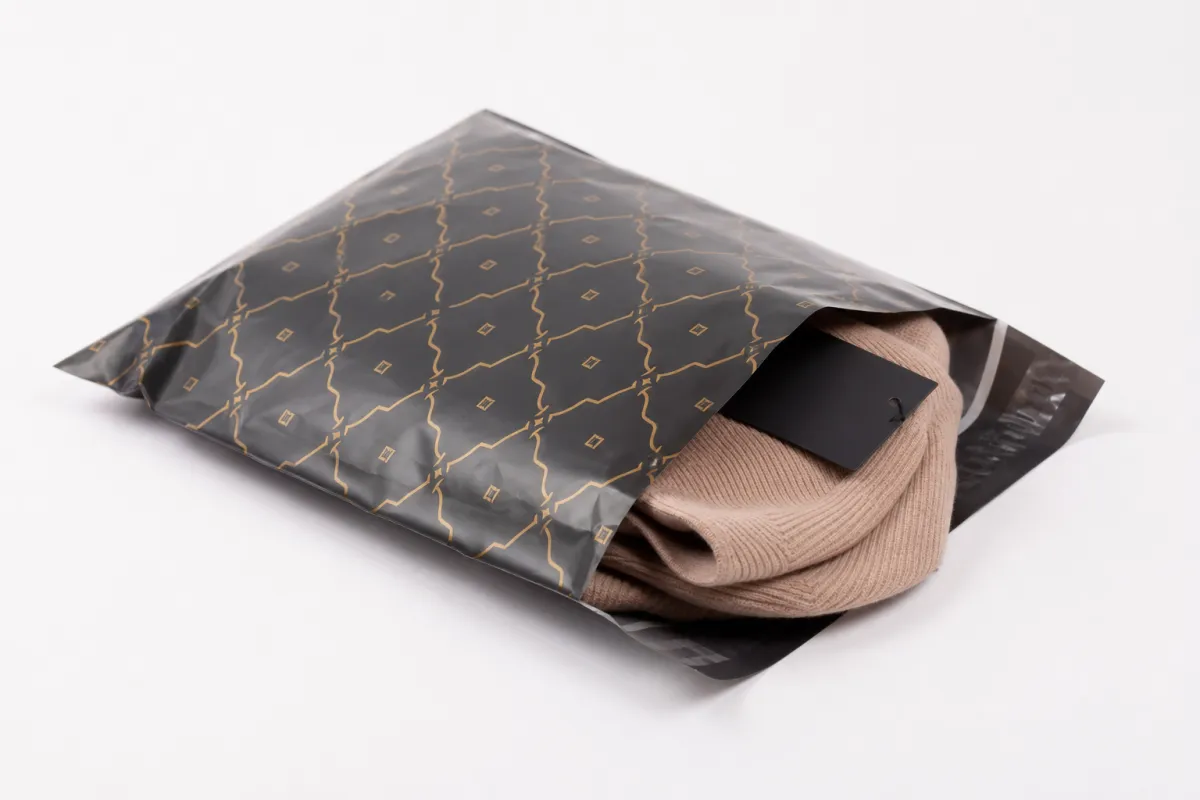
branded mailing bags for retail are Printed Poly Mailers made for lightweight products like apparel, accessories, soft goods, and anything else that does not need a rigid shipper. Plain English version: they are the flexible outer shell that gets a retail order from warehouse to doorstep without the cost or bulk of a carton.
The job list is bigger than it looks. A good mailer resists moisture, shrugs off scuffs, and holds together when the seams get pushed around in transit. It also gives your brand a repeatable surface for a logo, tagline, website, social handle, or return reminder. That matters because the packaging is often the last thing your customer touches before deciding whether the order felt premium or just functional.
From a packaging buyer’s point of view, branded mailing bags for retail work best where cost per shipment matters and the product can handle a flexible outer layer. E-commerce apparel is the obvious fit. Subscription kits, seasonal launches, promotional drops, and direct-to-consumer orders belong here too. You do not need a rigid box to make the experience feel intentional. You do need the mailer to look clean, seal properly, and match the product size.
They are not a substitute for a Luxury Rigid Box if the product needs structure, crush protection, or a gift-ready presentation. Different tools, different jobs. A printed mailer is a low-cost branding layer with real utility. It is not a magic trick. There is no prize for forcing a soft pouch to behave like a premium shipper when the SKU would be better off in a box or a mailer with inserts.
Think of the value in simple terms: the bag protects stock, speeds packing, and carries your visual identity at the same time. Done right, that cuts labor and reduces the need for extra tissue, inserts, or secondary outer packaging. For retailers shipping thousands of orders, those small efficiencies add up fast. They are not glamorous. They are profitable.
If the mailer looks premium but slows the packing line, it is not premium. It is a bottleneck with a logo.
One more practical point: branded mailing bags for retail should support the whole order flow, not just the unboxing photo. If the bag is too small, the packer fights it. If it is too large, the product slides around and the presentation looks sloppy. If the seal is weak, returns get messy. Packaging is not a mood board. It has to work in a warehouse at speed.
How Branded Mailing Bags for Retail Work in Fulfillment
The typical poly mailer has four parts that matter: the outer film, the inner layer, the side and bottom seams, and the pressure-sensitive adhesive strip. branded mailing bags for retail depend on that structure to pack fast and seal consistently. A good bag opens cleanly, loads without snagging, and closes in one motion. That sounds boring until you are packing 800 orders before lunch.
Material choice is where a lot of buyers go from confident to confused. LDPE is common because it gives a useful balance of flexibility and toughness. Co-ex films bring more structure and better puncture resistance. Some mailers include recycled content, which can fit a brand trying to reduce virgin plastic use. Thickness is usually measured in mils or microns, and that number matters more than the sales sheet wants to admit. Thicker film usually means better puncture resistance, but it can also add cost and stiffness.
branded mailing bags for retail also need a printing method that matches the order volume. Flexographic printing is often a strong fit for larger runs with repeatable artwork and clean spot colors. Digital printing can make sense for shorter runs or designs that need faster setup. If your artwork is too detailed, too pale, or too crowded, the print can look muddy after handling. A mailer gets dragged across a conveyor, stacked in bins, and handled by multiple people. Simple usually wins.
If you want a technical benchmark, ask suppliers how they test the film. Some will reference ISTA transit testing methods, and film performance can be discussed alongside ASTM-style tensile checks such as ASTM D882. You do not need to become a testing engineer, but you do need enough information to know whether the bag is built for real shipping or just for a product photo.
Warehouse performance matters too. branded mailing bags for retail should load quickly, stay flat in storage, and seal without fuss. The best spec is the one that reduces labor and prevents mistakes. That usually means a bag sized to the actual packed item, enough opacity to hide the contents, and a closure that keeps the shipment secure without extra tape unless the product is unusually heavy.
The branding side is easy to overcomplicate. The mailer is a large moving surface. A logo alone can work. So can a repeating pattern, a clean one-color print, or a minimal message that makes the package look deliberate instead of noisy. In retail, restraint often prints better than a design team trying to fill every inch of space. I have seen brands spend too much trying to make a mailer shout, and the result was just louder clutter.
Cost and Pricing Factors for Branded Mailing Bags for Retail
Cost is where branded mailing bags for retail get judged, usually by people comparing a plain mailer to a fully printed one without looking at the whole order economics. That comparison is half-built. Price depends on size, film thickness, number of print colors, coverage area, quantity, and whether the bag uses a stock size or a fully custom spec. More colors and more coverage usually mean more setup and more cost. Shockingly, the printer is not doing all that for free.
For practical buying, a smaller run often lands in a higher unit-price band because the setup gets spread across fewer bags. A larger run usually cuts the per-bag cost enough to justify keeping inventory on hand. As a rough market range, plain stock mailers might sit around $0.10-$0.20 per unit depending on size and thickness, while branded mailing bags for retail often land around $0.18-$0.45 per unit for moderate quantities, with more complex or low-volume runs going higher. Exact numbers depend on artwork and volume, so treat those as guardrails, not gospel.
There are hidden costs that trip up first-time buyers. Freight is the obvious one. Then come plate charges for flexo printing, proofing, sample requests, special inks, and any fee tied to recycled or specialty material. If the supplier gives you a bag price and nothing else, keep asking. The landed cost is what matters. That is the number finance will care about after the invoice lands.
| Option | Typical Use | Approx. Unit Cost | Pros | Tradeoffs |
|---|---|---|---|---|
| Plain stock mailer | Low-volume orders, test runs | $0.10-$0.20 | Lowest upfront spend, fast to source | Little brand presence, generic look |
| Printed stock-size mailer | Most apparel and accessory shipments | $0.18-$0.35 | Good branding, manageable cost | Requires artwork setup and print lead time |
| Fully custom printed mailer | Higher-volume retail programs | $0.25-$0.45+ | Best fit and strongest brand control | Higher setup cost, more planning needed |
That table is the part most buyers wish they had before approving the first quote. branded mailing bags for retail can absolutely earn their keep, but only if they are part of a simple cost-per-order view. If the mailer improves repeat purchase rates, reduces the need for an extra insert, or makes the order feel worth the price you charged, the branding can pay for itself. If it just adds spend because everyone liked the mockup, that is vanity with a purchase order.
If you want to see how packaging decisions get scaled in the real world, our Case Studies page is a decent place to look for practical examples. The strongest projects usually have one thing in common: the spec matched the actual shipping job instead of the fantasy version of the shipping job.
Step-by-Step: Choosing the Right Mailing Bag Spec
The right spec starts with the product, not the mailer. Measure the packed item, not the raw SKU. Folded apparel, boxed accessories, bundled sets, and items with inserts all change the final dimensions. branded mailing bags for retail should fit the packed state with enough room to load easily but not so much space that the product swims around like it is on vacation.
Size first. Then thickness. Then print. That order saves headaches. If the bag is too small, packing slows down and seals get forced. If the bag is too large, you burn material, add shipping bulk, and lose the tidy presentation that the printed surface was supposed to create. The goal is not “largest possible bag.” The goal is “correct bag.” Packaging people love that word because it avoids expensive drama.
Thickness should match the real shipping risk. Lightweight tees and soft accessories can often use thinner film. Items with zippers, hardware, corners, or anything that can poke through need more durability. If the category has a high return rate, a stronger closure also makes sense. branded mailing bags for retail are not only about the outward look. They also have to survive a return journey if your channel needs it.
Printing should be designed for the bag’s job, not for a design award. A logo-only layout can feel sharp and intentional. A repeated brand mark gives coverage without visual noise. Full-bleed graphics look strong when the artwork is clean and the budget allows the extra print complexity. If your brand voice is premium and quiet, do not stuff the bag with too much copy. The best retail mailers are often the ones that say less, better.
For paper-based alternatives or recycled fiber elements in your packaging system, a sourcing check against FSC can help verify responsible fiber sourcing. Not every mailer needs that route, but it matters if your brand is making sourcing claims and you plan to back them up without blushing.
Before placing a full order, run a real test. Pack actual products. Seal the bags. Stack them. Drop a few from a realistic handling height. Check whether the print scratches, whether the adhesive holds, and whether the packing team can move fast without cursing your spec sheet. branded mailing bags for retail should earn approval in the warehouse, not just in a presentation deck.
Quick spec checklist:
- Measured packed dimensions, not raw product dimensions
- Thickness matched to product weight and puncture risk
- Closure strength verified on a live packing test
- Artwork simplified enough to stay readable after handling
- Freight and lead time checked before approving the quote
Production Process and Timeline for Branded Mailing Bags
The production flow is usually straightforward, but only if the artwork and spec are locked before the supplier starts. For branded mailing bags for retail, the normal path is brief, artwork prep, digital proof, sample if needed, print setup, production, quality check, packing, and shipping. That looks tidy on paper. In reality, delays usually come from people approving things late or changing copy after the proof is already moving.
Set a realistic timeline. Simple repeat orders can move fairly quickly once the supplier already has the plate or print setup. New artwork, custom sizes, special finishes, and extra color changes stretch the calendar. A common production window for a standard custom run is often 12-15 business days after proof approval, with sampling and freight added on top. Rush options exist, but they tend to cost more than the budget spreadsheet wants to admit.
Where do delays happen? Usually in the boring places. Missing bleed. Low-resolution logos. Pantone mismatches. Copy changes after proofing. Someone in marketing deciding the tagline “needs more energy” three days before production starts. branded mailing bags for retail are simple packaging, but the artwork still needs real prepress discipline. That means final files, clean outlines, and a print plan that does not depend on magic.
There is a difference between a sample, a production run, and a finished delivered stock order. Buyers mix those up all the time. A sample tells you whether the layout and feel are right. Production time tells you when the bags are being made. Transit time tells you when they arrive in your warehouse. If you are planning a launch or seasonal peak, separate those buckets and build in slack. No one enjoys discovering that “production complete” is not the same thing as “on the shelves.”
Peak seasons expose weak planning fast. If your retail calendar is crowded, order earlier than feels comfortable. branded mailing bags for retail should be in storage before the campaign starts, not on a truck somewhere while your team is apologizing to customers. I have watched one late shipment turn a clean launch into a scramble, and nobody wants that mess twice.
Common Mistakes Retailers Make with Mailing Bags
The first classic mistake is size. Buyers often order a bag that looks right on a screen and fails in the packing room. Too tight, and the team wastes time fighting the product into the mailer. Too large, and the package looks loose and sloppy. branded mailing bags for retail are supposed to simplify fulfillment, not add a daily annoyance.
The second mistake is under-speccing the film to save a few cents. That usually ends in tears, punctures, and re-shipments. Then the “cheap” bag becomes the expensive one. If your products are heavier than you thought, have sharp edges, or travel through rough handling, the bag needs enough thickness to survive the route. Cheap is not a strategy. It is a number that changes after the first damage claim.
The third mistake is design blindness. A mockup can look gorgeous on a laptop and useless on the actual bag. Logos can disappear against a poor background. Thin lines can fill in. Small text can become unreadable after scuffing. branded mailing bags for retail need contrast, scale, and simplicity. If the design depends on perfect handling to stay legible, it is too delicate for shipping.
Another common miss: ignoring the adhesive. Closure strength matters more than many teams think, especially for return-heavy categories or orders that move through several handoffs. A weak seal can open in transit. A sticky-but-fragile seal can slow warehouse work. If the package is part of a retail return loop, that needs to be tested, not assumed.
The biggest mistake of all is skipping samples. I get why people do it. They want to move fast and save time. But committing to thousands of branded mailing bags for retail before seeing a live sample is how you discover color issues, seal issues, or fit issues after the purchase order is already locked. That is not efficient. That is expensive confidence.
Practical warning signs:
- The quote is based on a guessed size instead of measured packed dimensions
- The artwork has too many fine details for a moving package surface
- No one asked how the bag will perform on return shipments
- The supplier cannot explain thickness, material, or print method clearly
- The team wants to skip samples to “save time”
Expert Tips and Next Steps for a Smarter Order
Keep the design simple enough that a tired warehouse eye can still read it. That is not an insult; that is how packaging should be judged. branded mailing bags for retail usually perform better with one strong logo treatment, a clean background, and maybe one extra element such as a web address or return instruction. Trying to say everything on the bag usually makes the bag say nothing well.
Standardize as much as possible. If you can cover most of your shipping with two bag sizes instead of six, do it. Fewer SKUs make forecasting easier, reduce storage headaches, and simplify reorders. The same logic applies to print setup. One consistent branded system beats a new design every time marketing gets bored.
Ask for pricing at volume breaks before you approve the order. A good supplier should show you where the unit cost drops at 2,500, 5,000, 10,000, or whatever the real breaks are for your program. That is where the economics of branded mailing bags for retail become clear. Sometimes the jump to the next quantity level saves enough to justify a larger buy. Sometimes it does not. Better to know before the PO is signed.
Then run a live packing test with one real product line. Watch the team load the bags. Watch the seal. Watch whether the print survives handling. Check customer feedback after a few dozen shipments. If the product category is noisy, high-return, or fragile, you will learn quickly whether the spec is helping or just looking good on paper. If you need a second reference point, browse the results in our Case Studies library and compare the workflow to your own setup.
My practical advice is simple: start with a sample of branded mailing bags for retail, compare it against your current mailer, and only then commit to the full run. That one extra step saves more money than most buyers expect. It also keeps the brand honest. Packaging should fit the business, not the other way around.
For teams still deciding between plain and printed formats, branded mailing bags for retail are usually worth it once the package is visible to the customer, the order volume is stable, and the unboxing moment matters to repeat purchase behavior. They are not the answer to every shipping problem. They are a very good answer to the common problem of “we need this order to look like a real brand sent it.”
So the move is pretty simple: measure the packed product, choose the smallest bag that loads cleanly, test one sample in real fulfillment, and only then scale the order. Do that, and the packaging will pull its weight instead of freeloading off the rest of the operation.
And yes, that still matters. In retail, the package is part of the product story. branded mailing bags for retail can protect the goods, support the margin, and make a small shipment feel deliberate. That is a useful tradeoff. Not flashy. Just smart.
Are branded mailing bags for retail worth it for small stores?
Yes, if the mailer is visible to customers and you want a low-cost branding touchpoint without paying for boxes. branded mailing bags for retail make the most sense when you ship light products, repeat orders, or items that benefit from a cleaner unboxing moment. For very low order volume, plain mailers with a custom label may stay cheaper until your shipping volume grows.
What size should I choose for branded mailing bags for retail?
Measure the packed item, not the raw product, because folds, inserts, and inner packaging change the final size. Leave enough room for the item to slide in without stretching the film or forcing the seal shut. If you sell multiple SKUs, pick the most common size first and add a second option only when the data proves you need it.
How much do branded mailing bags for retail usually cost?
Pricing depends on quantity, print colors, thickness, and whether the bag is a stock size or fully custom. Small runs cost more per unit; larger runs usually cut the price sharply once setup costs are spread out. Ask for landed cost, not just bag cost, so freight and setup do not surprise you later.
How long does it take to produce branded mailing bags for retail?
Simple repeat orders are faster than new custom designs, because proofing and setup are already done. Artwork approval, sample requests, and shipping method all affect the timeline more than most buyers expect. If you need bags for a launch or seasonal peak, build in extra time so a delay does not force a rushed substitute.
What is the best printing method for branded mailing bags for retail?
Flexographic printing is usually best for larger quantities with simple, repeatable artwork. Digital printing can work well for shorter runs or designs that need more flexibility. The best choice depends on quantity, artwork complexity, and how much unit cost matters to your margin.

