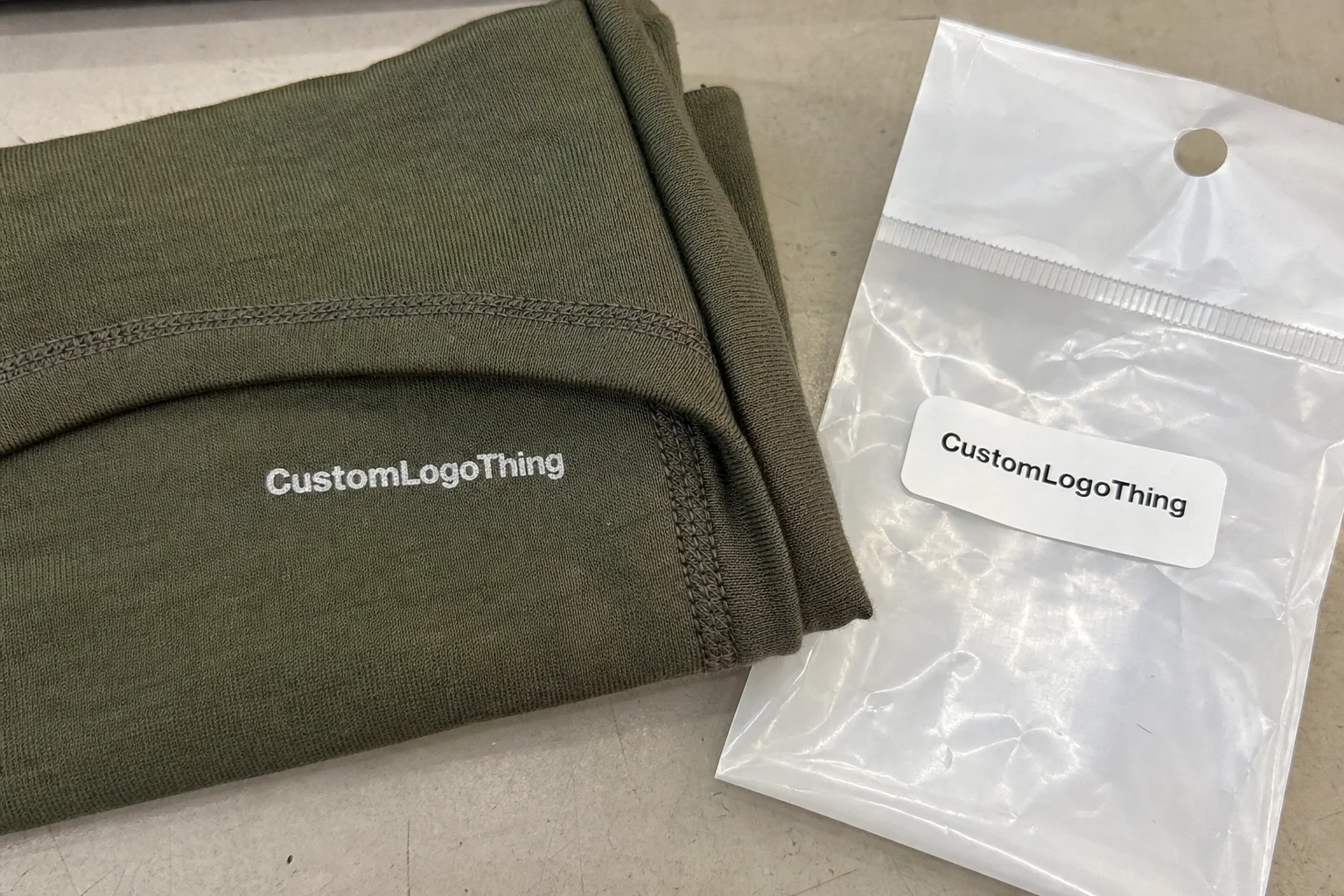
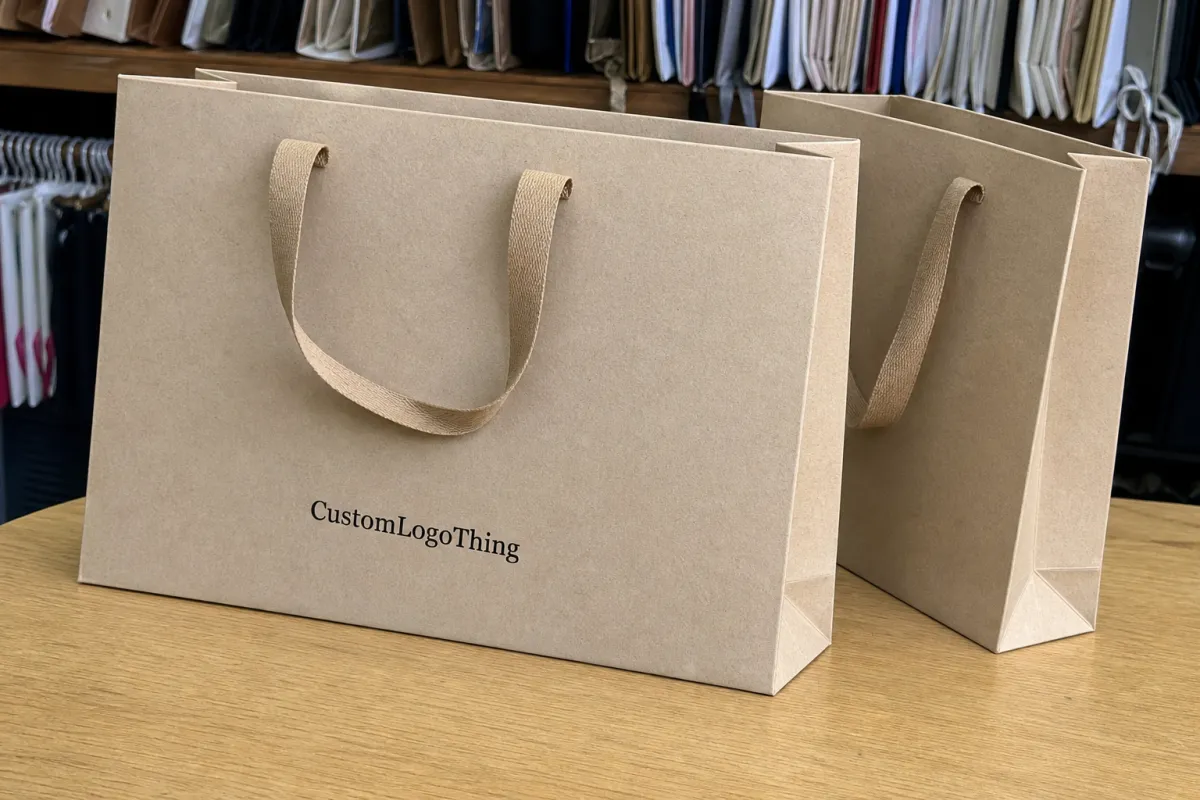
Buyer Fit Snapshot
| Best fit | branded packaging for artisan brands strategy for packaging buyers comparing material specs, print proof, MOQ, unit cost, freight, and repeat-order risk where brand print, material, artwork control, and repeat-order consistency matter. |
|---|---|
| Quote inputs | Share finished size, material target, print colors, finish, packing count, annual reorder estimate, and delivery region. |
| Proofing check | Approve dieline scale, logo placement, barcode or warning zones, color tolerance, and any recyclable or compostable wording before bulk production. |
| Main risk | Vague material claims, crowded artwork, or missing packing details can create delays even when the unit price looks attractive. |
Fast answer: Branded Packaging for Artisan Brands Strategy: Dieline, Finish, Proof, and Buyer Review should be specified like a repeatable production item. The safest quote includes material, print method, finish, artwork proof, carton packing, and reorder notes in one written spec.
What to confirm before approving the packaging proof
Check the product dimensions against the actual filled item, not only the sales mockup. Ask for tolerance on folds, seals, hang holes, label areas, and retail display edges. If the package carries a logo, QR code, warning copy, or legal claim, reserve that space before decorative graphics fill the panel.
How to compare quotes without losing quality
Compare board or film grade, print process, finish, sampling route, tooling charges, carton quantity, and freight assumptions side by side. A lower quote is only useful if the supplier can repeat the same color, closure quality, and packing count on the next order.
Branded Packaging for Artisan brands is one of those things people shrug off until a customer posts the unboxing instead of the product. I’ve watched a candle maker spend $38,000 on a beautiful batch of jars, then get tagged online because the box felt cheap and the insert rattled like a maraca. That was a 4,000-unit run in Guangzhou, with a 350gsm C1S artboard carton and a $0.17 paperboard insert that should have been a $0.26 molded pulp cradle. That’s the kind of expensive irony packaging creates when you treat it like leftover filler instead of part of the offer. Honestly, I still think about that project when someone tells me, “We’ll just do a basic box for now.” Sure. And then the internet judges you in 4K.
Plain English version: branded Packaging for Artisan brands is any Custom Packaging That makes the business instantly recognizable. Custom Printed Boxes. Labels. Inserts. Tissue. Tape. Sleeves. Stickers. A full retail packaging setup that tells the same story on every surface. Artisan brands usually get more value from branded packaging than bigger mass-market companies because trust, craft, and perceived quality matter more when you’re selling small-batch goods at a premium. In Shenzhen, I’ve seen a simple one-color kraft mailer lift perceived value more than a six-color carton with foil because the packaging matched the product story. People are paying for the object, sure. They’re also paying for the feeling. And yes, feelings are expensive now.
If you’re running a ceramics label, skincare line, chocolate company, coffee roaster, or apparel brand, Branded Packaging for Artisan brands is not decoration. It’s package branding that signals handmade, premium, eco-conscious, or luxury positioning before the customer even opens the box. A 280gsm uncoated carton can say “earthy and handmade,” while a 1.5 mm rigid setup box wrapped in 157gsm art paper says “giftable and premium” without anyone delivering a speech about brand values. The box already did the talking. Sometimes louder than the product. Which is rude, but useful.
Why branded packaging for artisan brands matters more than you think
I learned this the hard way during a factory visit in Dongguan. A skincare founder had perfect formulas, gorgeous matte bottles, and a strong story about locally sourced botanicals. Her packaging was a plain white mailer with a generic insert, quoted at $0.31 per unit for 5,000 pieces, because she thought she could “upgrade later.” The factory manager looked at me, pointed at the carton stack, and said, “Customer will not remember this.” He was right. Branded Packaging for Artisan brands works because memory is part of the product. I remember standing there, holding the sample box, and thinking, this is going to hurt sales more than anyone wants to admit.
Most artisan products are sold with emotion first and specs second. That means the package has to pull its weight. A customer seeing branded Packaging for Artisan brands should immediately understand three things: what the product is, what level of quality to expect, and whether this brand feels worth returning to. A simple kraft box with a clean one-color logo can beat an overstuffed design with six fonts and fake luxury flourishes. On a tea project in Suzhou, we swapped a full-color sleeve for a single black ink stamp on 320gsm kraft board and the retail buyer preferred the second option. Confusion kills trust. Clarity sells. Pretty simple, really.
There’s also a practical side. Branded Packaging for Artisan Brands helps protect margin. If your product is hand-poured, hand-mixed, or hand-finished, you usually can’t compete on price alone. Packaging becomes part of the perceived value stack. I’ve seen brands raise retail prices by 12% to 18% after upgrading from plain cartons to branded packaging with better structure and tighter print consistency. One ceramic brand in Melbourne moved from a $0.19 plain mailer to a $0.74 Printed Corrugated Mailer and raised their average selling price from $26 to $29 within two quarters. Not because the box magically made the formula better. Because customers finally believed the price. Wild concept: when something looks premium, people treat it like it might be premium.
Plain protection and brand experience are not the same thing. A brown shipping carton with air pillows protects the item. Fine. But Branded Packaging for Artisan brands creates repeat purchase behavior because it makes the buyer feel like they bought from a real brand, not a side hustle with a label printer. That difference matters. A lot. Especially in categories like chocolate, coffee, soap, candles, and jewelry, where the unboxing often gets shown on Instagram before the product gets used. I’ve seen people film the box, ignore the candle, and still become repeat customers. Marketing is weird. Packaging gets the first 12 seconds. Sometimes that’s the whole fight.
“Customers don’t repost filler paper. They repost stories.” That’s what a soap founder told me after we switched her from basic mailers to branded Packaging for Artisan brands with a printed insert and a better outer sleeve. The new pack used 300gsm FSC-certified insert cards, soy-based inks, and a folded mailer in a 3,000-piece run out of Foshan, which cost her $0.28 more per order and cut support emails about broken bars by 19%.
One more thing people miss: branded Packaging for Artisan brands can signal sustainability without a lecture. FSC-certified paperboard, soy-based inks, recycled kraft, and minimal finishes all communicate restraint and responsibility when they’re used honestly. If you want to verify material sourcing claims, the Forest Stewardship Council is the real deal, not a buzzword factory. I’ve had clients slap “eco” on everything, then order plastic-heavy packs from three vendors and act surprised when retail buyers asked questions. Buyers are not stupid. They may be polite, but they are not stupid. If your carton is 350gsm C1S artboard with a water-based matte coating, say that. If it’s wrapped in laminated plastic, don’t call it sustainable because the logo is green.
How branded packaging for artisan brands works from design to doorstep
Branded packaging for artisan brands starts long before artwork. First comes the concept: what should the package say, and who needs to believe it? A chocolate maker shipping gift boxes by mail has different needs than a ceramic studio selling through boutiques. The former needs crush resistance and presentation. The latter needs fit, protection, and shelf presence. Same brand, different packaging design. Same logo, different reality. I’ve sat in a factory in Dongguan with a founder holding a lipstick-sized sample and a pottery mug sample, and the two packaging briefs might as well have been written by different planets.
The workflow usually looks like this: concept, structural selection, artwork setup, sampling, production, packing, and shipping. That sounds neat on paper. In real life, it includes three rounds of “can you move the logo 3 mm?” and at least one panic email about a dieline that was supposed to be final but wasn’t. Still, when branded packaging for artisan brands is done properly, every component has a job. A standard project from proof approval to finished cartons usually takes 12 to 15 business days for production in Guangdong or Zhejiang, then 5 to 10 business days for ocean or air freight depending on the lane.
- Outer box: Holds the parcel shape and delivers the first visual hit. A common spec is E-flute corrugated board with a 250gsm white liner for DTC shipping.
- Insert: Stops movement and presents the product cleanly. For fragile jars, a 400gsm paperboard insert or molded pulp tray is often better than loose tissue.
- Protective layer: Tissue, molded pulp, corrugate, bubble, or paper cushioning depending on fragility. Tissue alone is not protection for a glass bottle shipped 800 miles.
- Branding surfaces: Logo panels, sleeves, inner printing, labels, and tape. A one-color print on the inside lid can do a lot for $0.03 to $0.06 per unit.
- Fulfillment assembly: Pre-folded, pre-glued, or kit-packed for faster packing at the warehouse. A pre-glued mailer in Chicago can save 6 to 8 seconds per pack, which matters after 2,000 orders.
For candles, I usually recommend a folding carton with a snug insert or a rigid box if the retail price supports it. For skincare, a carton with clean graphics and a sealed label system works well. For chocolate, keep food-contact considerations clear and use compliant inks and barriers where needed. For ceramics, branded packaging for artisan brands often needs a corrugated mailer plus a molded pulp or paperboard cradle because a pretty box that fails ISTA-style transit testing is just expensive confetti. If you’re new to transport testing, ISTA publishes the standards that serious packaging teams use before they ship fragile goods. I’ve seen a mug survive a 1-meter drop in the lab and still crack in a truck because the insert had a 2 mm tolerance gap. Physics is not moved by good intentions.
When I visited a folding carton plant in Shenzhen, I watched a printer move from a 2-color kraft sleeve job straight into a 5-color cosmetic carton with matte varnish and hot foil. Same machine, very different mood. That’s the part most founders never see. Branded packaging for artisan brands is not only about the artwork file; it’s about how the printer translates that file into ink density, board caliper, fold accuracy, and finish control. A beautiful PDF can still look sloppy if the die line is off by 1.5 mm or the coatings fight the substrate. I once had a supplier call me to say, “The foil looks expensive, but the board looks confused.” I laughed, then cried a little inside because he was right. On that run, the board was 350gsm C1S from a mill in Dongguan, and the foil register drifted by 0.8 mm because the humidity climbed above 70 percent.
Consistency matters across all touchpoints. Your Custom Printed Boxes, shipping tape, thank-you cards, and product packaging should feel like they came from the same brain. Not identical, just coherent. A customer who sees the same tone in the box exterior, insert, and care card is more likely to remember the brand name two weeks later when they reorder or recommend it. That is the hidden value of Branded Packaging for Artisan Brands: recognition without explanation. A 90 mm square logo on the outer mailer and a matching icon on a 50 mm insert card can do more brand work than a 2,000-word manifesto no one reads.
If you want examples of package styles and finishing options, I’d start with Custom Packaging Products. If you want to see how real brands solved fragile shipping, premium presentation, or subscription fulfillment, the best reference is often Case Studies. The paper samples always tell the truth faster than a sales deck does. Sales decks love to lie beautifully. Samples from a factory in Guangzhou, on the other hand, will show you whether the print is actually 4-color process or just hoping you won’t notice the muddy blue.
Cost, materials, and pricing factors that affect your budget
Let’s talk money, because everybody asks and half the industry hides behind “it depends.” For branded packaging for artisan brands, the main cost drivers are material choice, size, print method, finish, order quantity, and structural complexity. If you choose a 350gsm C1S artboard folding carton with matte aqueous coating and 1-color print, you’re playing a different game than a rigid setup box with foil stamping, embossing, and custom foam. A 5000-piece run in Ningbo can quote very differently from the same spec in Vietnam or Shenzhen, especially once the board grade and freight route change.
Here’s a rough reality check from supplier quotes I’ve negotiated: a simple Custom Folding Carton might land around $0.15 to $0.42 per unit at 5,000 pieces, depending on size and print coverage. A mailer box can sit around $0.55 to $1.20 per unit at similar volume. Rigid boxes often start near $1.80 and can climb past $4.50 per unit if you add specialty wrap, inserts, or premium finishes. Samples, tooling, freight, and duty can move the final landed cost by 12% to 30%, sometimes more if the order is small. That’s before someone decides they suddenly “need” foil. I had one artisan chocolate client in Hangzhou who added gold foil after approval and watched the unit price jump by $0.09. The foil looked gorgeous. The budget looked offended.
MOQ matters because a lower unit price is not the same thing as a lower spend. I’ve seen founders choose a supplier offering $0.24/unit at 20,000 pieces and then choke on the $4,800 upfront invoice. Another vendor quotes $0.39/unit at 5,000 pieces with less cash tied up and a faster cash conversion cycle. Branded packaging for artisan brands should support the business, not turn the warehouse into a money sink. I’m very fond of pretty boxes. I’m less fond of pretty boxes that cause a payroll problem. A 5,000-piece run with 30-day terms beats a 20,000-piece order that sits in Shenzhen while your account balance panics.
Material choice changes the customer’s perception fast. Kraft board says natural, earthy, and honest. White SBS or coated artboard says crisp and polished. Corrugated adds shipping confidence. Rigid stock says premium and giftable. A lot of artisan brands mix these on purpose: a kraft sleeve over a white inner carton, for example, or a corrugated shipper with a premium insert. That hybrid approach often works better than trying to make every layer “luxury” and ending up with a budget that looks like a small mortgage. A 157gsm art paper wrap over a 1.5 mm greyboard rigid base is a common premium move for gift sets; a 300gsm kraft sleeve over a 275gsm corrugated shipper is a smarter choice for DTC orders leaving a warehouse in Los Angeles.
Common packaging formats for artisan brands include:
- Folding cartons: Good for lightweight retail items, labels, cosmetics, tea, and candles. A 350gsm C1S artboard carton with a tuck-top lid is a workhorse spec.
- Mailer boxes: Strong for DTC shipping, subscription kits, and product bundles. E-flute corrugated with a printed kraft exterior is a common starting point.
- Rigid boxes: Best for high-margin gifts, PR kits, and ceremonial unboxing. 1.2 mm to 2.0 mm greyboard with wrapped paper is standard.
- Sleeves: A smart add-on when you want branding without full custom tooling. They’re especially useful for seasonal promotions and limited runs of 1,000 to 3,000 units.
- Stickers and labels: Low-cost but useful for batch variation, seasonal runs, or sealing. A 1.5-inch circular seal label can cost under $0.02 in volume.
- Custom inserts: Paperboard, pulp, or EVA depending on protection needs. Molded pulp usually makes more sense than EVA for brands trying to keep plastic out of the story.
If you want to save money, I’d start with standardizing box sizes. One candle box size. One soap box size. One shipping mailer size. That alone can trim waste, simplify fulfillment, and keep branded packaging for artisan brands from becoming a custom-size circus. Limiting color complexity helps too. One or two PMS colors on kraft often looks more intentional than a full-color design that fights the substrate. One premium finish usually beats three mediocre ones. That’s me being diplomatic. The less polite version is: too many finishes often look like someone raided a sample room and lost the plot. I’ve seen a brand spend an extra $0.12 per unit on soft-touch, foil, and embossing, then discover the soft-touch scuffed in transit from Shanghai to Seattle.
For materials with environmental claims, check the actual sourcing and recyclability. The EPA recycling guidance is a decent starting point if you want to avoid nonsense claims. I’ve had customers ask for “fully recyclable” packs with magnetic closures, plastic windows, laminated wraps, and glitter. That’s not recyclable in any practical sense. It’s marketing cosplay. If your carton is a 300gsm kraft sleeve and your insert is molded pulp, say that. If it has a PET window, don’t pretend it’s a paper-only solution because the logo is beige.
The step-by-step process for launching branded packaging for artisan brands
Start with brand goals. Not design trends. Ask what branded packaging for artisan brands should communicate: handmade, giftable, clean, natural, premium, or minimalist. Then decide the action you want it to encourage. Reorder? Retail pickup? Social sharing? Wholesale confidence? You cannot design for everything at once without making a mess. I’ve tried. It was ugly. One client in Brooklyn wanted “heritage, modern, playful, and luxury” on a single carton. We got back a file that looked like four brands fighting in a hallway.
Next, choose the format based on product fragility, shipping method, and whether the package is for retail or DTC. A soap bar sold in a store can use a slim printed carton. A six-piece candle gift set shipping Direct to Consumer may need a corrugated mailer with internal partitions and tissue wrap. I once worked with a coffee brand that wanted rigid boxes for every SKU. After looking at the margin math, we moved the expensive rigid format to holiday bundles only. They kept the premium feeling where it mattered and stopped burning cash on everyday orders. That conversation was less “design review” and more “please stop setting money on fire.” Their everyday coffee boxes stayed at 300gsm coated board, and the holiday set moved to a wrapped rigid carton from Suzhou with a $1.92 landed cost.
Artwork setup is where many founders make avoidable mistakes. Use the actual dieline. Not a screenshot. Not a mockup from Canva. The printer needs bleed, safe zones, trim tolerances, and finish notes. If you’re doing branded packaging for artisan brands with foil, embossing, or spot UV, mark those layers clearly in the file. I’ve had a vendor in Ningbo reject a file because the foil layer was named “sparkle” instead of something usable like “FOIL_LOGO.” Cute names don’t help production. They help nobody. Least of all the person trying to run a press. A proper file package should include the dieline in 1:1 scale, Pantone references, and a PDF proof plus an editable source file in Illustrator or InDesign.
The sample stage is non-negotiable. Physical samples tell you whether the closure holds, the bottle rattles, the ink tone matches, and the pack feels good in the hand. On one shampoo project, the digital proof looked elegant. The sample arrived with a lid that bowed under humidity and the side seam opened by 4 mm after a 48-hour warehouse test. That saved us from a full production run disaster. Good branded packaging for artisan brands should survive real handling, not just a designer’s laptop. A glossy render has never had to survive a courier van, and it shows. A 72-hour sample cycle from a factory in Dongguan is cheaper than 8,000 bad cartons sitting in a warehouse in Long Beach.
During sample review, check these items:
- Color match: Compare against a Pantone chip or approved brand reference.
- Fit: Product should sit snugly without crushing or wobbling.
- Durability: Test corners, hinges, flaps, and adhesive points.
- Assembly speed: Fulfillment teams should not need a PhD to pack it.
- Unboxing flow: Open, reveal, protect, present, and reseal if needed.
Production timing is another place where optimism gets expensive. A normal run can take 12 to 20 business days after proof approval, depending on complexity and queue position. Add 5 to 10 business days for shipping, and longer if you’re ordering from overseas. Multiple revisions, specialty finishes, or compliance checks can stretch that further. Branded packaging for artisan brands deserves a realistic schedule, not a fantasy calendar built on hope and caffeine. I have seen “we need it by Friday” requests arrive on a Tuesday with no artwork, no dimensions, and no apologies. Inspirational, really. A safe timeline for a first run in Guangdong is often 3 to 4 weeks from final proof to warehouse arrival if air freight is involved, or 6 to 8 weeks with ocean freight to the U.S. West Coast.
Quality control is not optional. Ask for AQL checks, carton drop tests where applicable, and visual inspections for print defects, crush damage, or color drift. For shipping-heavy packages, transit testing aligned with ISTA methods is smart, especially if your product is fragile or high-value. If the package fails in the warehouse, your customer will not care that the Pantone looked gorgeous on approval day. I once rejected a batch in Shenzhen because 7 out of 200 sample units had a glue line that showed through the outer wrap. That was a cheap decision. The expensive version would have been shipping it anyway.
Common mistakes artisan brands make with packaging
The first mistake is ordering packaging before finalizing product dimensions. I cannot count how many times I’ve seen a founder commit to branded packaging for artisan brands, then change the jar height by 6 mm and wonder why the insert no longer fits. Packaging is custom. Custom means measured. Get the product locked Before You Order the box, not after. A 3 mm change in diameter can force a full insert redesign, and a full insert redesign can add 5 to 7 business days you did not budget for.
Second, people overdesign. Every surface gets a logo, a pattern, a slogan, a website, a QR code, a mission statement, and a poem. That’s not branding. That’s a nervous breakdown in CMYK. Strong branded packaging for artisan brands often uses one visual anchor and leaves breathing room. A kraft mailer with a clean logo and one interior message can feel more premium than a box crammed with decorative noise. On a tea launch in Portland, we deleted two side-panel slogans, kept the front panel clean, and the packaging sold better in wholesale because buyers could read it from 6 feet away.
Third, brands forget the shipping journey. A pack that looks beautiful on a studio table can fail miserably in a FedEx network. Corners crush. Tape lifts. Inserts shift. Lids pop open. If your product is fragile, test the packaging the way a parcel actually travels. Drop it. Shake it. Stack it. If it can’t survive that, it’s not good product packaging, no matter how lovely the render looks. I’ve had a founder insist the box was “basically indestructible” because it survived a desk test. Great. The desk is not UPS. For glass jars, I want at least a 1-meter drop test and a 24-hour compression check before anyone orders 10,000 units.
Fourth, inconsistency kills credibility. I’ve seen a lotion brand use three shades of beige across the outer carton, label, and insert because three suppliers “matched it close enough.” Customers may not know Pantone numbers, but they know when something feels off. Branded packaging for artisan brands should feel intentional from the shelf to the shipping box. If your outer carton is warm ivory and your insert is cool gray, the brand starts looking like it was assembled during a power outage.
Fifth, skipping prototypes is how people end up paying twice. One pastry brand I advised wanted 12,000 printed sleeves without sampling because the artwork was “simple.” The sample would have caught a barcode that sat too close to the fold and a gloss finish that made the ink look muddy. Instead, they found it after production and had to rework 3,000 units. Cheap sample avoided. Expensive lesson purchased. The kind of lesson that lingers longer than the invoice. A $45 sample in Shenzhen is annoying. A 12,000-piece error is a scar.
Expert tips to make branded packaging feel premium without waste
Want branded packaging for artisan brands to feel high-end Without Wasting Budget? Pick one strong visual idea and commit to it. Maybe that means black ink on natural kraft, maybe a blind embossed logo on a sleeve, maybe a clean interior message under the lid. One clear move is stronger than seven half-baked ones. Customers remember focus. I’ve watched a $0.14/unit kraft sleeve outperform a $0.60/unit “premium” carton simply because it had one sharp idea and didn’t try to win a costume contest.
Tactile details help, but use them strategically. Soft-touch lamination feels great on gift boxes, though it can show scuffs if the pack ships rough. Embossing adds depth to logos and works well on thicker board. Kraft stock tells a story of simplicity and honesty. I’ve had clients spend an extra $0.08 to $0.14 per unit on a single finish and get a better response than a $0.40 decoration package full of extras nobody noticed. That’s branded packaging for artisan brands done with restraint. Fancy, but not fussy. There’s a difference. A 157gsm art paper wrap with a matte aqueous finish can look cleaner than foil everywhere, especially on brands selling skincare or soap.
Add small brand moments that cost almost nothing. A thank-you card printed on 300gsm recycled stock. An ingredient card with batch details. A care insert with one useful instruction. A hand-signed sticker if the run is small. These details deepen package branding and make the purchase feel considered. They also reduce customer confusion, which lowers support emails. Practical beauty. Rare combination. I’ve seen a coffee brand in Auckland add a roast date card and reduce “what roast is this?” emails by 22% in a month.
Eco-minded materials can work beautifully if you don’t overpromise. FSC-certified board, recycled corrugated, paper-based inserts, and water-based inks often fit artisan brand values well. Just make sure the structure protects the product. Sustainability that leads to breakage is just waste wearing a green costume. If you want a good reference on sourcing claims, the FSC site is solid, and the packaging industry around packaging.org has useful material and business context too. If you’re sourcing from Dongguan or Xiamen, ask for the board mill certificate and the ink spec sheet before you approve anything “eco-friendly.”
Test with real people. Not just your designer. Ask the fulfillment team how fast they can pack it. Ask customers if the opening sequence feels satisfying. Ask a retail buyer if the shelf presence reads clearly from 6 feet away. I’ve done this in a warehouse outside Los Angeles where the picker told me a luxury box was “too fancy to fold fast.” That feedback saved the client from building a gorgeous bottleneck. Branded packaging for artisan brands should support operations, not sabotage them. If the pack looks amazing but slows the line to a crawl, congratulations: you designed a very expensive problem.
If you want to keep your options open, start with a modular packaging system. One core box. One sleeve. One insert style. One mailer size. Then change graphics seasonally instead of rebuilding the structure every launch. That keeps branded packaging for artisan brands efficient while still giving you room for limited editions, subscriptions, and gift sets. A modular system in a 5,000-piece base run from Qingdao can save you from having to remap the whole supply chain every time you release a new scent or flavor.
What to do next to build packaging that actually works
Make a short packaging brief first. Include exact product dimensions, product weight, shipping method, budget range, target order quantity, and brand tone. If you skip those details, you’ll get beautiful but useless quotes. Good suppliers need numbers. The more exact the brief, the better the branded packaging for artisan brands proposal. A spec sheet with millimeters, gram weights, and a target landed cost of $0.38 to $0.62 per unit will always get a better response than “we want something nice.”
Audit your current packaging honestly. Does it protect the product? Does it feel consistent? Does it make the brand memorable? Does it slow fulfillment? If you answer “kind of” to three or more of those, you have work to do. I’ve seen artisan brands tolerate weak packaging for years because “the product is great.” Sure. But product and package travel together. Customers experience both. And if one of them shows up looking underdressed, the whole order suffers. A brittle carton in a warehouse in Atlanta can undo months of work on a handmade candle launch.
Request samples from at least two or three suppliers. Compare structure, print quality, board thickness, finish accuracy, and total landed cost. Not just unit price. The best quote is not always the cheapest quote. Sometimes the supplier with a $0.11 higher unit cost gives you fewer defects, faster response times, and better packing efficiency. That has real value. Ask anyone who has had to remanufacture 2,000 bad boxes. One vendor in Foshan quoted $0.27 per unit for a mailer and another quoted $0.38; the second one shipped on time, passed drop testing, and actually answered emails within 24 hours. That’s worth money.
Set a timeline that leaves room for revisions. Build in time for artwork checks, sample approval, and transit testing. If a product launch depends on branded packaging for artisan brands arriving on time, don’t try to squeeze a 3-week process into 10 days because marketing got excited. Packaging is not a miracle. It’s logistics, paper, ink, and deadlines. And occasionally somebody forgetting to attach the final final file. I wish I were kidding. I am not. Give yourself 5 business days for sample review, 12 to 15 business days for production after proof approval, and another week if freight is leaving from Shenzhen or Ningbo.
Before you place the order, run a final checklist:
- Artwork approved against the correct dieline
- Product dimensions confirmed in millimeters
- Sample tested for fit and damage
- Print colors checked against approved references
- Assembly process reviewed with fulfillment staff
- Shipping test completed for the intended route
- Supplier lead time and freight plan documented
That checklist sounds simple. It saves money. It also saves your sanity. Branded packaging for artisan brands can absolutely support premium pricing, customer loyalty, and stronger shelf presence, but only if the structure, print, and fulfillment realities are handled with some discipline. Pretty is not enough. Useful is not enough. You need both. A carton from Shenzhen with a 350gsm board spec and a clean insert can carry a lot more business value than a gorgeous mess that looks good in mockups and dies in transit.
And yes, I’m biased. I’ve stood on factory floors while a press operator waited for a corrected file, I’ve negotiated insert pricing down from $0.22 to $0.16 by changing the board spec, and I’ve watched founders cry over a bad first run because the package didn’t match the brand they had in their head. That’s why I care about branded packaging for artisan brands. It’s not just box talk. It’s the point where brand promise becomes something a customer can hold. I still remember one supplier in Guangzhou saying, “If the box is right, customer forgives a lot.” He was annoyingly right.
If you want branded packaging for artisan brands That Actually Sells, keep it specific, keep it functional, and keep it honest. The right packaging design will make your product feel worth the price before the customer even touches it. That’s the job. And if the unit cost is $0.18 or $0.42 instead of whatever someone guessed in a spreadsheet, even better.
Branded Packaging for Artisan Brands: decision table
| Decision area | Best fit | What to verify | Risk if skipped |
|---|---|---|---|
| Product fit | Protection, display, and unboxing consistency | Measurement, tolerance, material, and sample approval | A nice design fails because the product fit was guessed |
| Brand presentation | Logo visibility, finish, and customer perception | Print method, color target, texture, and proof review | Packaging protects the item but does not sell the brand |
| Operations | Packing speed, storage, shipping, and reorder control | Carton count, warehouse label, and repeat spec | The package is attractive but hard to pack or reorder |
FAQs
What is branded packaging for artisan brands, exactly?
It is any Custom Packaging That reflects the brand’s identity, from boxes and labels to inserts and tape. For artisan brands, branded packaging for artisan brands usually emphasizes craftsmanship, quality, and a memorable unboxing experience. In practice, that might mean a 350gsm C1S folding carton, a kraft mailer with one-color print, or a Rigid Gift Box wrapped in 157gsm art paper from a supplier in Guangdong.
How much does branded packaging for artisan brands usually cost?
Pricing depends on material, size, print method, finish, and quantity. Small runs often cost more per unit, and samples, freight, tooling, and setup fees can add to the total. In my experience, a simple folding carton can start around $0.15/unit at 5,000 pieces, while premium rigid formats can be several dollars each. Freight from Shenzhen to the U.S. can add 8% to 20% to your landed cost depending on mode and season.
How long does the branded packaging process take?
Typical timing includes design setup, sampling, revisions, production, and shipping. A straightforward run may take 3 to 6 weeks from approved artwork to delivery, while complex branded packaging for artisan brands can take longer if you need multiple proof rounds or specialty finishes. For many factory runs in Guangzhou or Ningbo, production alone is typically 12 to 15 business days from proof approval, plus 5 to 10 business days for freight.
Which packaging materials work best for artisan brands?
Common choices include kraft paperboard, corrugated mailers, rigid boxes, and molded inserts. The best option depends on product weight, fragility, sustainability goals, shipping method, and brand positioning. Branded packaging for artisan brands should always match the product’s real handling needs. For example, a ceramic mug usually needs a corrugated mailer with a molded pulp cradle, while a soap bar can often use a 300gsm to 350gsm folding carton.
How can a small artisan brand make packaging look premium on a budget?
Use a clean design, one standout finish, and thoughtful inserts instead of expensive decoration everywhere. Standardizing box sizes and limiting color complexity can keep costs under control while branded packaging for artisan brands still feels polished and intentional. A black ink logo on FSC kraft, a single emboss, and a $0.03 inner card can look far more premium than a crowded full-color pack with three different finishes.