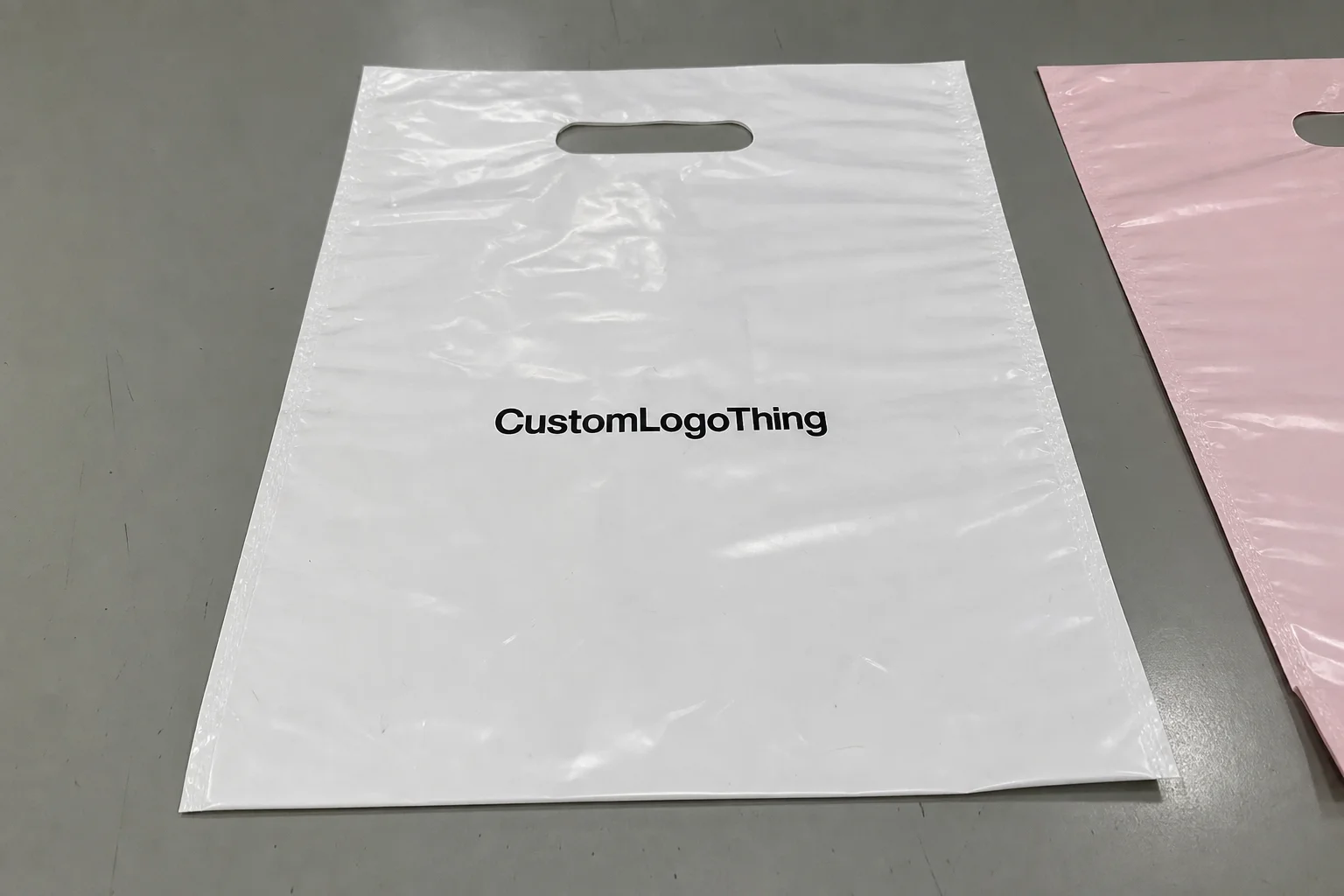
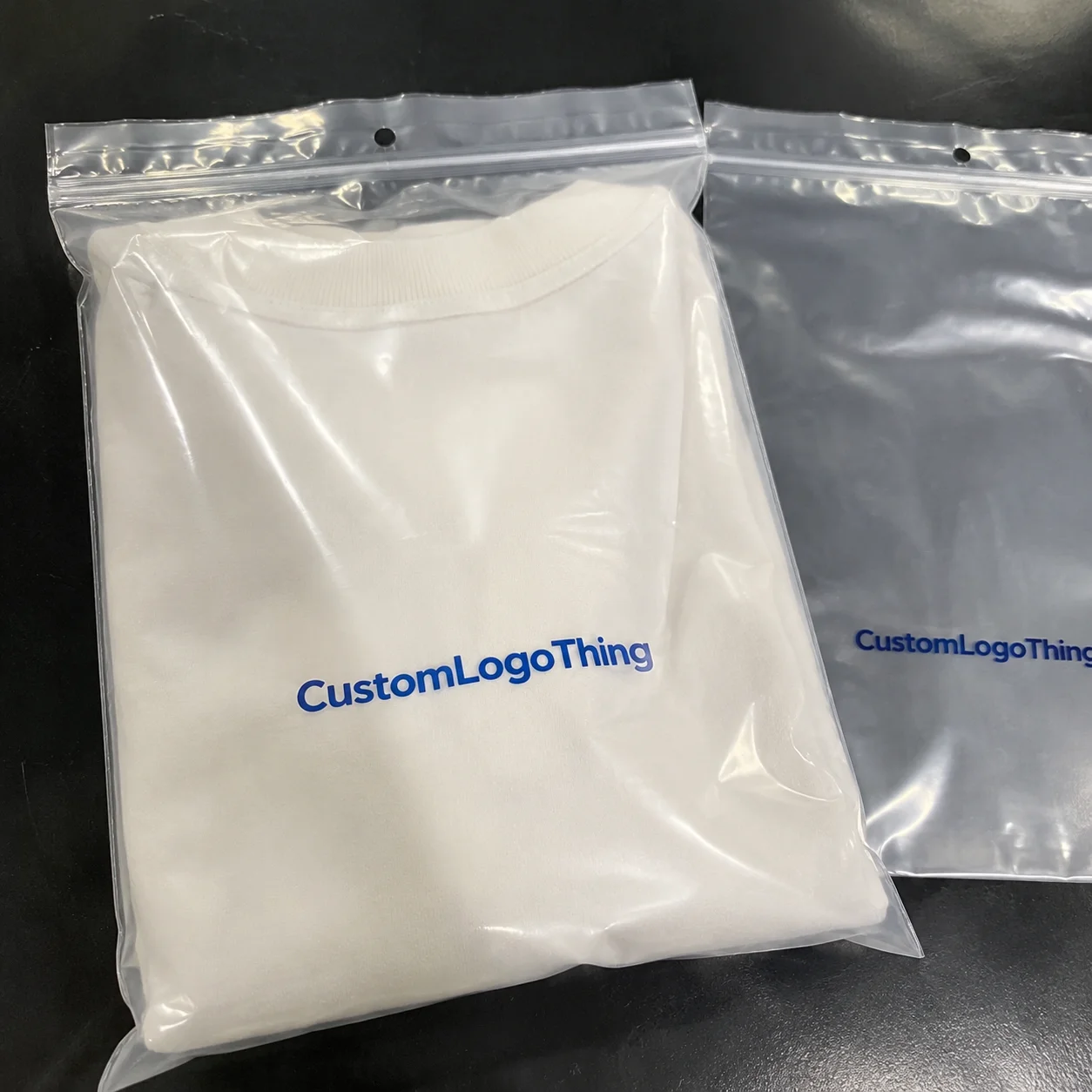
Buyer Fit Snapshot
| Best fit | Branded Padded Mailers for Sample Kits Unit Cost Breakdown projects where brand print, material claims, artwork control, MOQ, and repeat-order consistency need to be specified before quoting. |
|---|---|
| Quote inputs | Share finished size, material target, print colors, finish, packing count, annual reorder estimate, ship-to region, and any compliance wording. |
| Proofing check | Approve dieline scale, logo placement, barcode or warning zones, color tolerance, closure strength, and carton packing before bulk production. |
| Main risk | Vague material claims, crowded artwork, missing packing details, or unclear freight terms can make a low unit price expensive after revisions. |
Fast answer: Branded Padded Mailers for Sample Kits Unit Cost Breakdown should be specified like a repeatable production item. The safest quote records material, print method, finish, artwork proof, packing count, and reorder notes in one written spec.
Production checks before approval
Compare the actual filled-product size with the drawing, then confirm tolerance on folds, seals, hang holes, label areas, and retail display edges. Reserve space for logos, QR codes, warning copy, and material claims before decorative graphics fill the panel.
Quote comparison points
Review material grade, print process, finish, sampling route, tooling charges, carton quantity, and freight assumptions side by side. A quote is only useful when the supplier can repeat the same color, closure quality, and packing count on the next order.
Branded Padded Mailers for Sample Kits unit cost breakdown is the right place to start if you want packaging that looks sharp, protects what is inside, and still behaves on a budget sheet. Sample kits get judged fast. The outer package sets the tone before anyone opens the flap or checks the product.
That matters because the mailer is doing three jobs at once. It carries the product, limits damage, and shapes the buyer's first impression. A packaging buyer rarely asks, "Can I get a custom mailer?" The real question is the useful one: "What does each unit cost once print, setup, freight, and packing reality show up on the invoice?"
For teams building sample programs, launch kits, press sends, or sales enablement packs, that difference changes the math quickly. A well-sized padded mailer can cut void fill, reduce dead air, and lower parcel weight. It can also move through fulfillment faster than a small box. The spreadsheet usually gets honest pretty quickly.
Why Branded Padded Mailers Change the First Impression
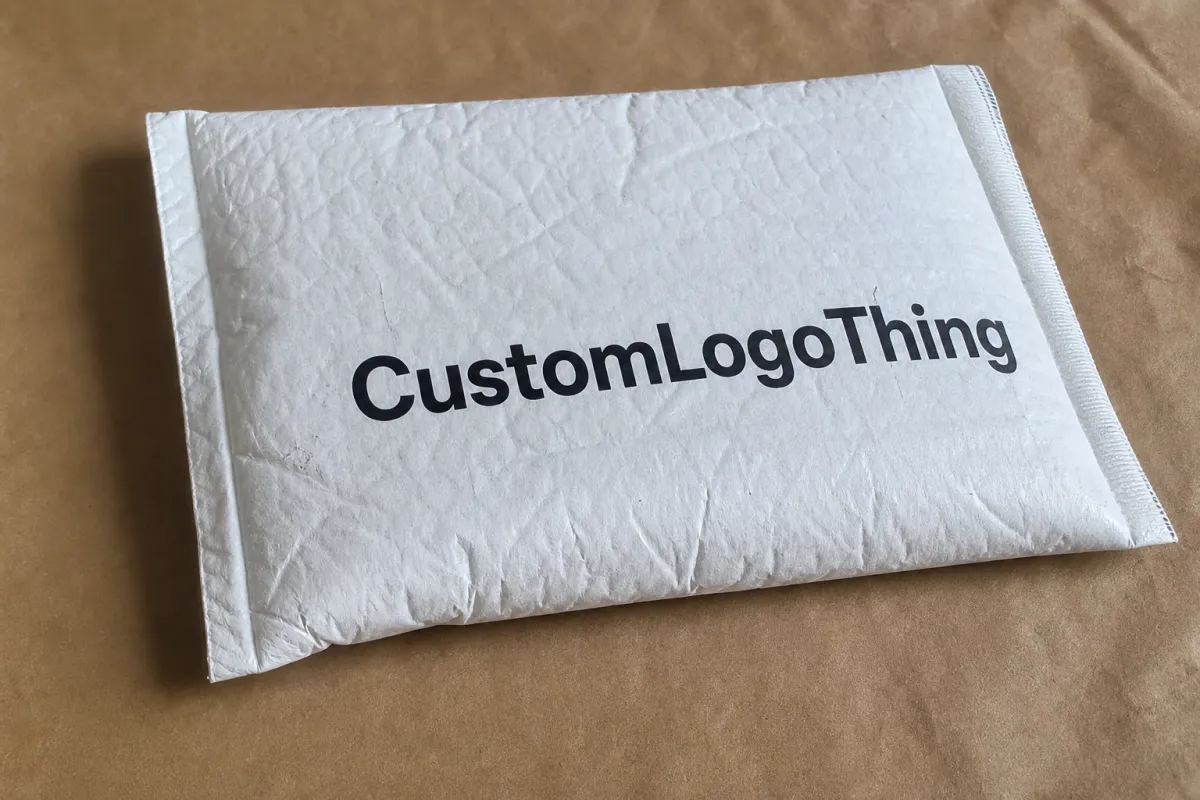
A sample kit gets judged in seconds. Before the insert card gets read and before the product gets tested, the packaging has already said something about the brand. A padded mailer can signal care, control, and efficiency without trying too hard. That is not cosmetic fluff. It is part of the route to a response.
The practical side is hard to ignore. A small box can work, but it also brings extra air space, more packing material, and usually more weight. Branded padded mailers, by contrast, can hold a compact kit with less wasted volume. That helps with postal zones, courier surcharges, and the time a warehouse team spends packing 500 units or 5,000. Less handling usually means fewer mistakes. Fewer mistakes usually means lower total cost.
One detail gets overlooked a lot: the mailer itself becomes part of the sales tool. A cosmetic swatch set, a supplement sampler, a stationery launch, a folded apparel kit, or a compact tech sample can all benefit from packaging that feels finished without turning into a brick. If the outer package looks polished and the contents arrive flat, clean, and undamaged, the brand has already done some of the selling.
Buyer reality: a sample kit is never judged by the packaging team alone. It gets judged by the recipient, the distributor, and sometimes the finance team reviewing freight. If the outer pack looks premium but drives unnecessary shipping cost, it wins one battle and loses the war.
The strongest sample-kit programs usually balance three numbers: protection, presentation, and landed cost. Protection keeps the contents from shifting or scuffing. Presentation keeps the brand memory strong. Landed cost keeps the campaign repeatable. Ignore one of those three and the mailer gets harder to scale.
That is why a detailed unit cost breakdown matters more than a vague quote. The cheapest outer pack is not always the lowest-cost choice once freight, assembly time, and reorders are included. For broader packaging planning, our Custom Packaging Products page is a good place to compare formats before you commit.
Brands that send samples often also need consistency. A repeatable mailer tells recipients the program is controlled. A flimsy or mismatched mailer says the opposite. That difference can affect open rates, response rates, and the perceived reliability of the product line itself.
Product Details: What Goes Into a Sample Kit Mailer
At a basic level, a branded padded mailer has five jobs: hold the product, cushion it, close securely, present the brand, and survive transit. The construction behind those five jobs changes more than buyers expect. One supplier may offer a kraft-faced mailer with a paper fiber pad. Another may use a poly exterior with bubble cushioning. A third may build a hybrid design that blends paper aesthetics with better moisture resistance.
Core construction choices
Outer face material is usually the first decision. Kraft paper gives a natural, lower-gloss look and works well when the brand wants a tactile, earthy feel. Poly exteriors resist scuffs and moisture better, which helps if the sample kit might sit in a truck, warehouse, or humid receiving room. Hybrid constructions sit between those two, giving a more premium visual while still protecting the contents.
Cushioning layer matters just as much. Some mailers use a paper padding structure; others use bubble or foam. The best choice depends on whether the sample contents are rigid, fragile, liquid-filled, or just prone to cosmetic damage. A set of brochure cards does not need the same protection as glass vials. That sounds obvious. It is also where unnecessary cost starts.
Seal type affects both usability and security. Pressure-sensitive adhesive closures are standard for many mailers because they are fast in fulfillment. Some designs add a tear strip or tamper-evident feature, which can help with higher-value sample programs or regulated products. The more specialized the closure, the more carefully it should be costed.
Opening style changes the customer experience too. Top-load mailers can be efficient for flat inserts. Side-open formats may work better when the kit includes multiple pieces arranged in a sequence. If a kit is meant to feel curated, opening order matters. A mailer that fights the contents during unboxing creates friction at the exact point where the brand should be building interest.
Print area and branding detail
Print coverage ranges from a small front-panel logo to full-panel branding across both sides. Front-only branding is usually the lowest-cost route and works well when the goal is simple recognition. Back-panel copy can add instructions, website URLs, QR codes, or compliance messaging. Full-coverage print creates the strongest visual impact, but it also increases ink usage, press time, and color-matching scrutiny.
White space is not wasted space. It protects readability. On a small mailer, overprinting every surface can make the design feel crowded, especially once mailing labels, barcodes, and handling marks are added. Strong packaging layouts leave room for shipping realities. That is a procurement detail, not a design indulgence.
For brands already using a different outer format, it can help to compare how a mailer behaves versus a bag or box. Our Custom Poly Mailers page is a useful reference point if you are comparing moisture resistance and visual finish across formats.
What sample kits usually contain
Sample kits vary, but the mailer has to support the actual contents, not the concept. Common contents include rigid cards, folded inserts, sachets, vials, blister packs, swatch books, apparel trims, mini catalogs, and lightweight accessories. When the contents can shift during transit, the mailer needs enough internal fit and enough closure strength to keep the package stable.
Packaging teams should think in systems. The mailer, insert, item count, and ship method all work together. A good sample kit is not just a pretty envelope with padding. It is an engineered outer layer for a small distribution system.
For a useful reality check, packaging buyers often look for shipping performance tests that match the parcel profile. Standards bodies such as ISTA publish test approaches for transit durability, and those profiles are often more useful than guessing based on appearance alone.
In more premium sample kits, the outer mailer is only part of the package. The insert card, instruction sheet, or product menu can use 350gsm C1S artboard for a crisp feel and better print definition. That stock is common for rigid-facing pieces because it resists curl better than flimsy paper and keeps the presentation from feeling cheap the second it gets handled.
Specifications That Affect Fit, Protection, and Brand Look
The fastest way to get a reliable quote is to define the specification from the inside out. Internal dimensions matter more than external dimensions because the real question is how much usable space remains after padding is accounted for. A mailer that looks "close enough" on a drawing can become expensive when the sample kit is packed, sealed, and weighed.
Fit changes more than appearance. If the kit is too loose, the contents can shift and scuff. If it is too tight, packing speed drops and the closure may stress at the seam. Both outcomes raise cost in different ways. One increases the odds of replacement or damage claims. The other slows the line and creates labor inefficiency.
Cushion thickness is a good example. More padding sounds safer, but extra thickness can add weight, enlarge the parcel, and increase material use without improving the customer experience much. The best specification is usually the lightest one that still passes handling and transit expectations. That is not a marketing answer. It is a cost answer.
Fit, closure, and print are connected
Material thickness, closure strength, print method, and color matching are the main levers that shape performance and appearance. A heavier kraft face may print well and feel more premium than a thin stock. A higher-opacity poly film may resist scuffs but show color differently under light. A stronger adhesive closure can improve security but may require faster packing discipline so the seal lands cleanly every time.
Color control deserves more attention than it usually gets. If the outer packaging is part of a launch system, off-brand color on the mailer can undercut the rest of the identity work. A soft-touch finish, a matte black exterior, or a printed white-on-kraft combination all carry different tolerances. If your logo depends on exact matching, ask for proofing against a reference number or physical sample before the run starts.
Custom sizing is another place where buyers can save or overspend. A tightly specified mailer often ships and packs more efficiently than a generic stock option, especially when orders repeat at scale. Generic sizes can work for pilot programs, but repeated use often exposes hidden inefficiencies. Too much empty space means more filler. Too little room means slower packing and higher damage risk.
A common sample-kit structure uses a 6x9 or 7x10 padded mailer for flat cards, sachets, and small accessories. A 9x12 format works better for layered kits with multiple inserts or a small bottle plus literature. A 10x13 mailer is usually the safer bet for bulkier sets, but it will cost more to ship and can move the parcel into a less friendly rate band. Size is not just a fit decision. It is a freight decision.
There is also a sustainability angle, though it should be handled with numbers rather than slogans. Lower-weight materials, recycled content, and reduced void space can all support source reduction goals. The EPA's guidance on materials reduction and waste prevention is useful here: EPA reducing and reusing basics. The right choice depends on whether the packaging needs scuff resistance, moisture protection, or an upscale finish. A lighter pack is not automatically the better pack if it compromises the kit.
For brands using paper-based structures, certification can matter in purchasing reviews. If recycled or responsibly sourced fiber is part of the brief, FSC documentation can support that claim without stretching it. The point is not to decorate a spec sheet. The point is to make the sourcing story defensible.
Branded Padded Mailers for Sample Kits: Unit Cost Breakdown
The decision gets real here. The unit cost for branded Padded Mailers for Sample kits is driven by a short list of variables, and most of them are controllable. Substrate choice, cushioning thickness, print coverage, seal hardware, custom dimensions, and order quantity shape the base cost. After that come setup charges, proofing, freight, and any kitting labor tied to the program.
One thing trips up buyers all the time: the unit cost is not the same as the landed cost. A quote can look attractive until the freight line is added. Or until the plant adds artwork adjustments, plate charges, or a small-run surcharge because the order is below ideal volume. A low price per piece can still produce a high total if the order is inefficient to produce.
Where the money goes
- Substrate: Paper-faced mailers usually cost differently than poly or hybrid options because the raw material stack is not the same.
- Cushioning: Heavier padding or bubble structure adds material cost and can increase shipping weight.
- Print coverage: One-color front branding is usually cheaper than full-panel, multi-color print.
- Setup charges: Artwork setup, plate creation, digital prep, and press make-ready can appear as separate lines.
- Tooling fees: If the mailer needs a custom size or a special cut, tooling fees may apply before production starts.
- Freight: Bulky cartons of mailers can move the landed cost more than the unit price suggests.
- Labor: Kitting, insertion, or special packaging instructions can add per-piece handling cost.
Quantity changes the math fast. At lower volumes, setup charges are spread across fewer pieces, so the cost per piece is higher. At higher volumes, those fixed costs dilute across the run, which is why bulk pricing can improve sharply once an order moves past the pilot stage. That is also where MOQ matters. A supplier may quote a lower MOQ for a simpler structure, but a more customized build may need a larger commitment before the pricing becomes efficient.
For planning, it helps to model three tiers instead of asking for one number. A 1,000-piece pilot, a 5,000-piece production run, and a 20,000-piece scale order tell you much more about cost behavior than a single quote ever will. The pattern shows where savings begin and which features trigger price jumps.
| Order Tier | Typical Use Case | Estimated Unit Cost Range | What Usually Changes |
|---|---|---|---|
| 1,000 units | Pilot kit, regional launch, sales test | $0.48-$0.92 per piece | Higher setup dilution, less favorable bulk pricing |
| 5,000 units | Broad campaign, recurring replenishment | $0.15-$0.24 per piece for a standard kraft or white mailer with modest print coverage | Better spread on setup charges, more stable production efficiency |
| 20,000 units | National program, repeat fulfillment, steady reorder | $0.11-$0.19 per piece | Lowest cost per piece, best bulk pricing, more room to optimize spec |
Those numbers are illustrative, not universal. They depend on size, print method, construction, freight lane, and whether the order uses stock dimensions or fully custom sizing. A simple one-color kraft mailer can sit near the lower end of the range. A full-coverage branded mailer with stronger cushioning, a tear strip, and custom dimensions can move higher quickly. That is why the brief matters.
Here is a practical example for a 5,000-piece run using a 7x10 kraft padded mailer with one-color front print, standard adhesive closure, and warehouse freight to one US location:
| Cost Line | Typical Range | Notes |
|---|---|---|
| Mailer body | $0.08-$0.12 | Standard kraft-faced padded construction |
| $0.02-$0.04 | One-color logo or simple front-panel branding | |
| Setup amortization | $0.01-$0.03 | Depends on artwork complexity and press method |
| Freight | $0.03-$0.05 | Varies by carton count, lane, and delivery point |
| Total | $0.15-$0.24 | Typical landed range for a straightforward run |
Need full-coverage print, a larger format, or a more premium finish? The number moves. A 9x12 mailer with back-panel copy, extra cushioning, and a custom insert can land closer to $0.22-$0.38 per unit at 5,000 pieces. That is still manageable if the sample kit needs to do more than just arrive.
One more hidden cost deserves its own line: rework. If the first proof is wrong, if the logo is off, or if the dimensions are guessed instead of measured, the project may absorb extra approval time or make-ready waste. That cost does not always show on the invoice, but it shows up in deadlines and internal labor. In packaging, avoided mistakes are a form of savings.
If you want a more direct comparison between formats, our Case Studies page shows how different packaging choices affect production logic and reorder behavior. It is easier to understand cost when you see how a real spec behaves across a campaign.
For brands that care about material sourcing, the FSC framework can support paper-based claims where applicable. That matters when procurement teams ask for substantiation instead of slogans.
A practical pricing lens
Ask for a quote that separates the following:
- Base unit cost for the mailer itself.
- Setup charges or plate/prepress fees.
- Tooling fees if the size or structure is custom.
- Freight to your warehouse, 3PL, or fulfillment partner.
- Optional kitting labor if contents are inserted before shipment.
That structure makes comparison shopping much cleaner. It also shows where you can change the economics without damaging the brand. In many programs, the easiest cost levers are fewer print colors, standard dimensions, a simpler closure, and a realistic MOQ that lets the printer run efficiently.
Production Steps, Process, and Lead Time
Custom packaging works best when the process stays disciplined. The standard sequence is simple: brief intake, spec confirmation, artwork review, proof approval, sample production, final run, quality check, and shipment. Each step protects the next one. If one link is loose, the schedule slips.
The most common timeline for custom branded mailers is often 12 to 15 business days from proof approval for straightforward work, with longer windows for complex print, special finishes, or fully custom dimensions. That range can shrink if the spec is simple and the artwork arrives clean. It can stretch if the project changes after quoting, if the print file needs correction, or if freight scheduling gets tight.
Sample kits run into avoidable delays all the time. Missing dielines are common. Low-resolution logos are another. Color corrections can take more time than expected, especially when the brand is picky about matching a specific tone on kraft or poly. Late changes to the insert count or outer size can force the line to be re-evaluated. None of those issues are unusual. All of them are preventable.
Where projects slow down
- Artwork not finalized: The printer cannot confidently prepare plates or digital settings without clean files.
- Dimensions still in flux: A kit that keeps changing size changes the packaging spec with it.
- Color approval delayed: Brand teams sometimes want to see a proof after internal sign-off has already slipped.
- Rush shipping: Tight dates can reduce options, which often affects both cost and customization.
- Sample kit contents pending: If the final insert set is not locked, the mailer size may be guessed instead of measured.
Rush orders are possible, but they always come with a tradeoff. Faster schedules usually mean fewer finish options, a narrower print path, or a higher per-unit cost. A rushed order can still be the right call when a trade show or launch date is fixed, but the buyer should understand what gets sacrificed. Speed is not free.
A good planning rule is to work backward from the event date. If the sample kit needs to be in hand two weeks before a product launch, the packaging decision needs a much earlier deadline than the launch itself. That gives time for proofing, shipping, and a contingency window if the first proof needs correction. Buyers who leave only one approval cycle tend to pay more for anxiety than for packaging.
In a real campaign, the lead-time conversation should also include the warehouse or 3PL team. If the kit is going to be assembled in-house, confirm whether the mailers arrive flat, nested, or pre-packed. If the kit is going direct to recipients, confirm labeling, carton pack counts, and whether the outer pack needs a secondary label panel. Small process decisions change fulfillment speed more than they first appear to.
For any program that ships through parcel carriers, testing against a recognized transit method is smarter than guessing. That is where shipment profiles, drop expectations, and compression concerns become part of the conversation instead of afterthoughts. It is much easier to correct a packaging spec before production than after a damaged sample kit reaches a prospect.
Why Choose Us for Sample Kit Mailers
Custom Logo Things is built to help buyers make packaging decisions that hold up in the real world, not just on a proof sheet. That means support on sizing, cost modeling, artwork placement, and fulfillment planning before the order is placed. It also means treating the mailer as a production decision, not a decorative add-on.
When a buyer asks for branded Padded Mailers for Sample kits, the useful answer is not just yes. The useful answer includes where the savings come from, which specifications improve protection, and which tradeoffs show up as the design gets more custom. That matters most when a program is moving from a pilot to repeat ordering.
Transparent pricing makes the decision cleaner. Tiered pricing shows where bulk pricing becomes attractive and where a small spec change causes a cost jump. If a one-color front print is enough, there is no reason to quote a full-coverage build. If the brand needs both sides printed for instructions or compliance details, that should be priced clearly instead of being buried inside a broad estimate.
Repeatability matters too. A sample kit often starts as a one-off and turns into a recurring send. When that happens, consistency in print quality, color control, and packaging dimensions becomes more valuable than novelty. Reorders should match the original feel closely enough that the recipient experience stays stable. That is where careful production earns its keep.
We also understand that low MOQ options are often the right move for pilots. A small first run gives the team evidence before a larger commitment. Once the kit is validated, the program can scale into larger volumes with better cost per piece. That sequence is especially useful when a product line is still being refined or when marketing wants to test response before expanding spend.
Quality checks should be part of the conversation before shipment, not after complaints arrive. Seal integrity, print alignment, and transit durability are all worth confirming. If the mailer tears too easily, seals unevenly, or scuffs during handling, the outer packaging becomes a liability. A production partner should help catch that before it reaches the customer.
For teams comparing formats, the broader catalog on our Custom Packaging Products page can help narrow the field. And if your program may eventually shift into a different outer format, our Custom Poly Mailers option is a practical reference point for performance and finish.
The right packaging partner makes the economics clearer, the approval process faster, and the final result easier to scale. That is the real value. Not just a printed mailer. A packaging decision that can survive reorder volume, deadline pressure, and budget review.
Actionable Next Steps Before You Request a Quote
The fastest way to get accurate pricing is to send a complete brief. Start with the contents of the sample kit, exact internal dimensions, target quantity, and any branding rules that must be followed. If the kit contains multiple items, list their sizes and weights instead of describing them loosely. That gives the supplier enough information to recommend the right structure instead of guessing.
Include artwork files in the right formats, not just screenshots. Logos, color references, and any compliance copy should be delivered together so the first proof lands close to final. When teams send partial files, approval cycles slow down. Clean input saves real time. That matters if the program is tied to a launch date, a reseller campaign, or a trade show calendar.
Ask for a quote that breaks out the major cost buckets: unit cost, setup charges, freight, and optional services. A quote that hides those lines may still be legitimate, but it is much harder to compare. A clean comparison shows whether a lower number is actually better or whether it simply leaves out the costs you will pay later.
If the kit is new, order a pilot run first. That pilot is not a delay. It is a risk-control step. Use it to confirm fit, print readability, seal integrity, and shipping behavior. Then lock the final spec, reorder cadence, and MOQ strategy. The best programs often begin with a measured test and end with a repeatable production standard.
For procurement teams, the final decision usually comes down to alignment. The packaging has to fit the product, the cost has to fit the budget, and the schedule has to fit the campaign. If those three line up, Branded Padded Mailers for Sample kits become a practical asset instead of an extra expense. That is the point of the branded padded mailers for sample kits Unit Cost Breakdown: make the economics visible before the order is placed, then choose the version that will work beyond the first shipment.
What drives the unit cost of branded padded mailers for sample kits the most?
The biggest drivers are material choice, cushioning thickness, print coverage, and order quantity. Setup and freight can matter as much as the printed unit price on smaller runs. Standard sizes and fewer print colors usually lower the cost fastest. For example, a 5,000-piece run in a standard size often lands around $0.15-$0.24 per unit, while heavier print coverage or a custom size pushes it higher.
What MOQ should I expect for custom sample kit padded mailers?
MOQ depends on print method and construction, but custom runs often start lower than fully bespoke packaging projects. A pilot order is usually worth it if the kit is still being tested. Ask for tiered pricing so you can see where the best unit cost begins. A 1,000-unit test run is common for validation, then 5,000 or 10,000 pieces usually gets the pricing into a better zone.
Can branded padded mailers for sample kits be printed on both sides?
Yes, if the construction and print method support it. Front-and-back printing can improve brand recall, but it usually adds cost. Use both sides when you need messaging, instructions, or compliance details. A simple one-color front print is usually the cheapest route, while full-wrap coverage needs a higher budget.
How do I choose the right size for a sample kit mailer?
Measure the finished kit, not just the largest item inside it. Allow room for padding, closure, and a little movement without creating excess void space. A spec sheet with internal dimensions is the fastest way to avoid sizing errors. For flat kits, 6x9 or 7x10 is often enough; layered kits often need 9x12 or 10x13.
How long does production usually take for branded padded mailers for sample kits?
Lead time depends on artwork approval, print complexity, and quantity. Simple runs move faster; custom sizes and heavier branding take longer. The quickest schedules happen when files are final and specifications are locked before quoting. For straightforward jobs, production is often 12-15 business days from proof approval.