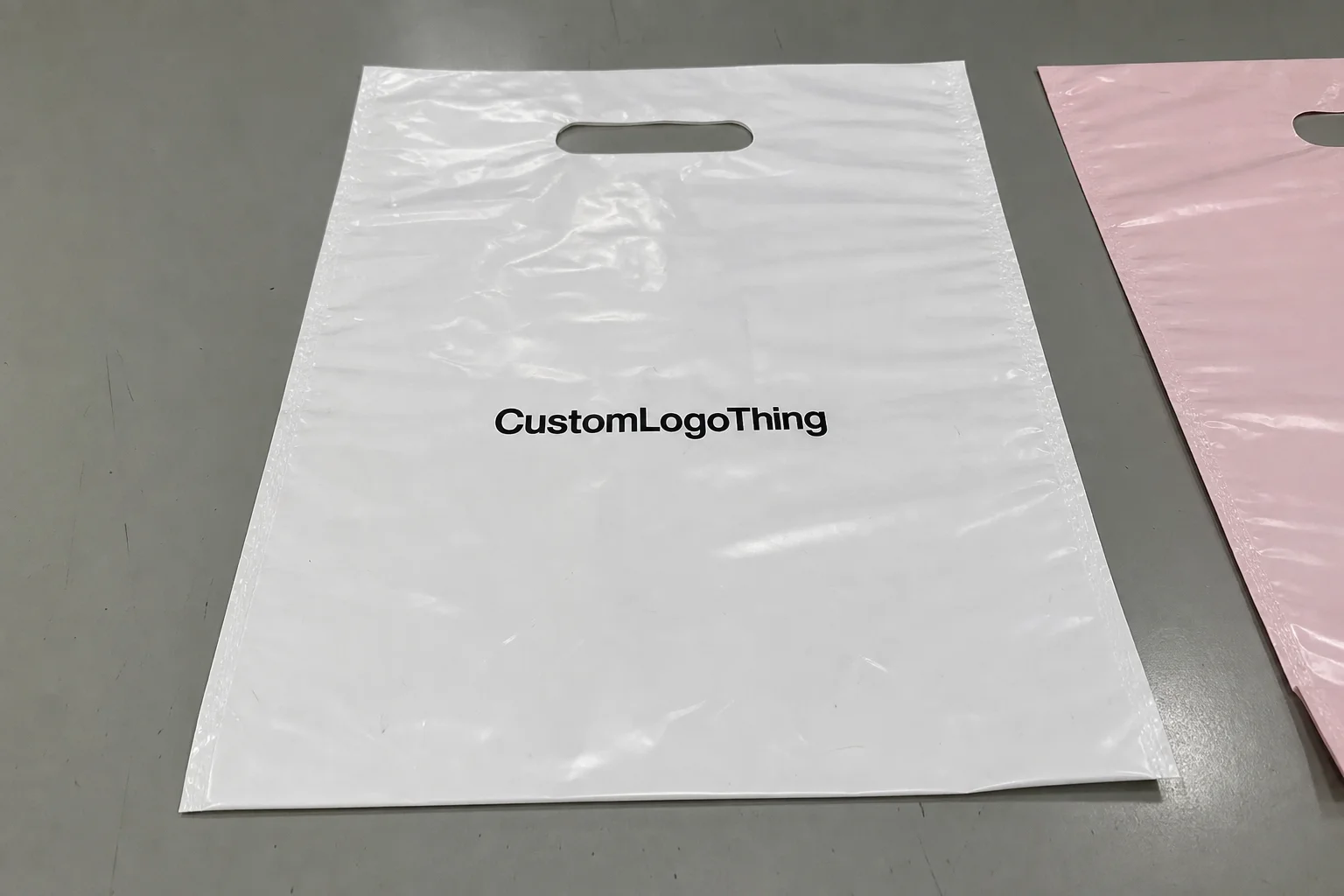
Buyer Fit Snapshot
| Best fit | Printed Padded Mailers for Sample Kits projects where brand print, material claims, artwork control, MOQ, and repeat-order consistency need to be specified before quoting. |
|---|---|
| Quote inputs | Share finished size, material target, print colors, finish, packing count, annual reorder estimate, ship-to region, and any compliance wording. |
| Proofing check | Approve dieline scale, logo placement, barcode or warning zones, color tolerance, closure strength, and carton packing before bulk production. |
| Main risk | Vague material claims, crowded artwork, missing packing details, or unclear freight terms can make a low unit price expensive after revisions. |
Fast answer: Printed Padded Mailers for Sample Kits: Unit Cost Breakdown should be specified like a repeatable production item. The safest quote records material, print method, finish, artwork proof, packing count, and reorder notes in one written spec.
Production checks before approval
Compare the actual filled-product size with the drawing, then confirm tolerance on folds, seals, hang holes, label areas, and retail display edges. Reserve space for logos, QR codes, warning copy, and material claims before decorative graphics fill the panel.
Quote comparison points
Review material grade, print process, finish, sampling route, tooling charges, carton quantity, and freight assumptions side by side. A quote is only useful when the supplier can repeat the same color, closure quality, and packing count on the next order.
A slim sample kit can look inexpensive right up until the outer mailer, the print, the closure, and the packing labor show up in the quote. Then the math gets less friendly. That is why the printed Padded Mailers for Sample Kits Unit Cost Breakdown matters. It shows where the money goes, which choices drive MOQ, and which specs protect margin instead of quietly burning it.
For a buyer building sales kits, promotional samplers, or launch packs, the mailer is doing more than moving a parcel from one building to another. It shapes the first physical impression. It can replace an extra carton. It keeps the kit from arriving bent, crushed, or looking like it had a rough ride through the carrier network. A stronger build can lower total landed cost even if the unit price looks a little higher on paper.
That is the real decision. You are not just buying a bag or a mailer. You are buying a packing flow, a branded surface, and a level of protection that keeps re-shipments from chewing through budget later. A spec that fits the job can save labor, cut damage, and make bulk pricing do actual work.
A mailer that fails once costs more than a better mailer on paper. Compare the full landed cost, not just the printed unit price.
Why printed padded mailers for sample kits change the economics of fulfillment
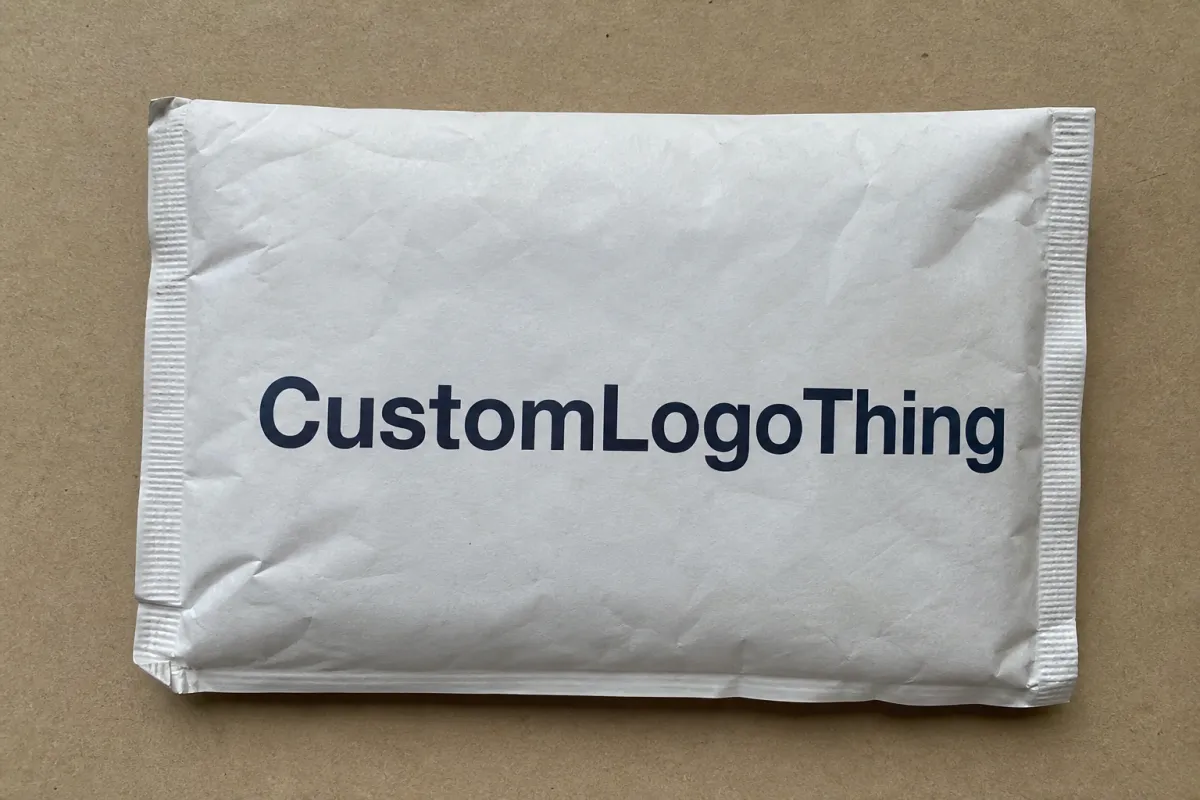
Sample kits usually promise a simple thing: send a few high-value items in a package that looks polished, protects the contents, and moves through fulfillment without drama. The outer mailer does more of that work than most buyers expect. A flimsy mailer slows the pack line. A loose fit lets contents shift and damage themselves. A weak print makes the whole kit feel half-built, which is not a great look when the point is to impress someone.
From a packaging buyer's point of view, the mailer is part of the sales process. It helps decide whether the kit feels like a branded presentation piece or just another shipment. A printed padded mailer can replace a heavier shipper box for lightweight kits, which cuts corrugate use, reduces dead space, and can keep dimensional weight from ballooning. That matters because postage often ends up as one of the biggest line items in a sample program.
Labor matters too, and it gets ignored because it is not as visible as print finishes. A sample kit packed into a padded mailer usually takes fewer steps than a rigid carton with void fill, tape, labels, and inserts. Not every kit belongs in a mailer. Some absolutely need a box. Still, the unit cost should be judged alongside assembly time. If a packer can seal, label, and stage a finished kit in less time, the labor savings can offset a higher mailer price.
The buyer's question is blunt: what is the real unit cost at your quantity, and where does the value come from when the order is built around sample kits rather than standard mail? The answer shifts with material, print coverage, shipping zone, and how many pieces have to move through the table each day.
For teams comparing options, it helps to keep three buckets in view:
- Protection - Does the mailer cushion the contents, survive normal parcel handling, and resist puncture or corner crush?
- Presentation - Does the printed surface support the brand, product story, or launch message without looking overworked?
- Efficiency - Does the build save labor, reduce rework, and keep postage and replacement costs under control?
That frame keeps the conversation grounded. It also helps stop the usual mistake: picking the cheapest-looking mailer and paying for it later through damage claims, re-kits, or extra packing steps. Cheap is not a strategy. It is a short-term mood.
If your project needs a broader mix of branded packaging, it can help to review Custom Packaging Products alongside mailer options so the whole kit is spec'd as one system instead of a pile of disconnected parts.
What goes inside the mailer: structure, materials, and print options
The mailer structure is where the cost conversation usually starts. The most common builds for sample kits are poly bubble mailers, kraft bubble mailers, and padded paper mailers. Each one behaves differently in production and in transit. Each one also brings a different visual tone, which matters more than people admit when the package lands in a sales office, distributor warehouse, or influencer mailbox.
Poly bubble mailers are usually the lightest of the group. They handle moisture well, feel clean in the hand, and can carry crisp printed branding on the outside. Kraft bubble mailers lean more natural and send a paper-forward message, which matters for buyers who want an FSC-friendly story without turning the whole package into a sustainability lecture. Padded paper mailers sit in the middle for many projects. They can look premium, stay recyclable in some formats, and still give enough cushioning for non-fragile sample contents.
For a lot of sample programs, the contents are not just loose product pieces. They include a folded instruction card, a product swatch sheet, a QR code card, or a small thank-you note. If you are adding a rigid insert, 350gsm C1S artboard is a common choice for the card itself because it prints cleanly, holds color well, and resists bending better than lighter cover stock. A matte aqueous coat usually keeps fingerprints down without making the piece feel glossy and overproduced.
Print choice usually comes down to how much coverage you need and how many pieces you are ordering. A simple one-color logo on the front panel is generally the lowest-cost branded path. Two-sided branding adds more presence and can be worth it if the kit moves through a warehouse, showroom, or mailroom before anyone opens it. Full-coverage artwork or multi-color graphics push unit cost up fast because they add ink, setup time, and tighter registration control.
Closure systems matter more than people like to think. A peel-and-seal strip is standard for many padded mailers because it speeds pack-out and gives a predictable closing force. Some mailers include tamper-evident adhesives, which help in sample programs where the buyer wants to know if the package was opened in transit. Tear strips are useful when the end user needs to open the kit cleanly without scissors or shredded paper everywhere. Small choices like these change the experience in ways that show up immediately.
Inside fit is just as important as the outside look. A sample kit that shifts in the mailer can wrinkle inserts, ding corners, or make the package feel underfilled. Too much empty space looks sloppy. That is why mailer sizing should match the kit, not a guess pulled from a generic size chart. Clean fit. Better presentation. Fewer headaches.
For buyers comparing a padded mailer against a lighter mailer line, our Custom Poly Mailers page is useful for seeing how base material and print method can change the overall build.
For durability and transport testing, many packaging teams reference industry methods such as ISTA procedures when a shipment needs validation. If the sample kit includes fragile bottles, metal components, or rigid inserts, that kind of testing discipline can save real money later.
Specifications to lock down before you request pricing
Good quotes start with good specs. Vague dimensions, fuzzy print area notes, or an undecided closure style will push pricing around and slow the schedule down. A clear request lets the supplier calculate material usage, print setup, and packing yield without loading the quote with uncertainty.
Start with the finished kit size and the final mailer dimensions. Then define the thickness of the packed kit, not just length and width. A sample kit that looks flat on a desk may still need extra gusset room once inserts, bottles, swatches, cards, or protective fillers are inside. If the kit has to stay within postal or parcel thresholds, say that early. That can change the mailer build, the postage class, and the total shipping cost.
Print details need to be spelled out before pricing starts. The supplier needs to know whether the logo sits on the front only or on both sides, whether the artwork is one-color, two-color, or full-coverage, and whether the brand has to match a Pantone reference. Matte and gloss finishes also change the look. Matte feels quieter and more paper-like. Gloss makes color blocks hit harder. Neither is automatically better. The right choice depends on the brand and what is going inside the mailer.
Functional details matter just as much as visual ones. Padding thickness affects puncture resistance and the finished feel. Seal style changes how fast the pack line runs. A tear strip or easy-open feature can improve the recipient's experience, but it may add cost. If the kit contains sharp edges, bottle caps, metal samples, or rigid inserts, ask about extra puncture resistance. A slightly stronger wall can prevent a much bigger loss in transit.
Operational details belong in the quote request too. The supplier needs quantity, destination, preferred carton pack-out, and whether you want pre-production samples. If the order ships to multiple fulfillment locations, say so clearly. Freight can look very different for one shipment versus several split drops, and the unit cost should reflect the actual landed plan instead of a factory number pulled out of context.
Spec checklist that saves time
- Final sample kit dimensions and packed thickness
- Mailer size, including any gusset or flap allowance
- Material choice: poly bubble, kraft bubble, or padded paper
- Print method, ink colors, and artwork placement
- Seal type, tear strip, and any tamper-evident requirement
- Quantity, delivery address, and requested delivery window
- Whether you need a prototype or approved pre-production sample
One more practical point: if the mailer is supposed to carry FSC-certified paper components, ask for documentation up front. Buyers who care about fiber sourcing should confirm claims before the order is approved, not after production is finished and everyone is already annoyed. The FSC site is a useful reference point when procurement needs the packaging spec to line up with sustainability language used elsewhere in the brand.
Printed padded mailers for sample kits: unit cost breakdown
Here is the practical part of the printed Padded Mailers for Sample Kits unit cost breakdown: the final price per piece is rarely one tidy number that falls out of a spreadsheet. It is usually the sum of material, conversion, print setup, finishing, and shipping, with quantity deciding how much of the fixed cost gets spread across each mailer.
The cleanest way to read the math is to separate fixed costs from variable costs. Fixed costs are the parts that stay mostly the same once the job is set up, such as plate charges, die or tooling fees on specialty formats, and proofing labor. Variable costs move with volume: the substrate, bubble layer, ink usage, seal assembly, carton pack-out, and freight weight. Small orders absorb fixed costs badly. Larger orders spread them out and usually get better bulk pricing for that reason alone.
For many buyers, quantity is the biggest swing. A run of 500 units can carry a much higher cost per piece than a run of 5,000, even when the base material is similar. That is not just a pricing tactic. The press or converting line still needs setup time, calibration, and verification whether you order a little or a lot. Physics is rude that way.
Print method matters too. Short runs often use production paths that are faster to prepare but less efficient per unit. Longer runs benefit from repeat production and better material utilization. If you only need a test kit or a limited launch program, a higher unit cost may be fine if the business value justifies it. If the kit ships every month, the numbers usually favor a larger run.
Extras are where a quote can jump. Custom sizing adds converting work. Heavier padding raises material cost and shipping weight. Multi-color artwork increases setup and ink usage. A special closure or tear feature can add a small per-piece increment. Rush shipping can become a major factor if the packaging has to land fast to keep a launch on track. A sample approval run before full production can add another line to the budget, though that expense is usually cheap insurance.
To put a real number on the planning conversation, a simple stock-size padded paper mailer with one-color branding can often land around $0.15-$0.24 per unit at 5,000 pieces, depending on size and print coverage. Move up to heavier padding, full-coverage artwork, or custom dimensions, and the price rises from there. That is why the spec sheet matters. The cheapest-looking version on a quote sheet can turn into the most expensive version once the details are filled in.
Typical ranges below are broad on purpose, because the final quote depends on exact dimensions, decoration, and delivery location. Still, they are useful for planning:
| Build | Typical use | Approx. unit cost at 1,000 pcs | Approx. unit cost at 5,000 pcs | Cost drivers |
|---|---|---|---|---|
| Plain kraft bubble mailer | Lightweight samples, internal kits | $0.30 - $0.58 | $0.18 - $0.36 | Mailer size, bubble thickness, carton pack-out |
| One-color printed kraft bubble mailer | Branded sample sets, distributor kits | $0.40 - $0.72 | $0.22 - $0.42 | Print setup, ink coverage, registration tolerance |
| Poly bubble mailer with custom print | Moisture resistance, cleaner retail look | $0.36 - $0.68 | $0.20 - $0.40 | Film gauge, print method, seal style |
| Padded paper mailer with branding | Presentation-forward sample kits | $0.42 - $0.82 | $0.24 - $0.46 | Paper grade, padding weight, finish |
| Custom-size mailer with specialty print | Odd-shaped kits, premium launches | $0.64 - $1.20+ | $0.36 - $0.82+ | Tooling fees, setup charges, custom converting, freight |
Those figures are planning ranges, not promises. They move with the market, the plant, and the exact build. The pattern stays the same, though: standard sizes and simpler print usually land the best cost per piece, while custom dimensions and premium finishes drive the bill up fast.
There is also a hidden cost in rework. If the spec is wrong, the mailer may arrive too small, too loose, or too fragile for the contents. That creates waste. Even a low unit cost is expensive if the whole lot cannot be used. For sample kits, a slightly better spec often saves more than the cheaper version would.
What usually sits inside the quoted price
- Substrate or shell material - poly film, kraft paper, or padded paper construction
- Padding layer - bubble size, fiber layer, or paper cushion
- Printing setup - plates, calibration, artwork prep, and registration checks
- Finishing - sealing method, tear features, trimming, and pack-out
- Labor - converting, inspection, counting, and carton loading
- Freight - inbound materials and outbound shipment to your destination
Tooling fees show up more often on custom-built structures, specialty closures, or converted formats that need dies or dedicated cutting programs. On a stock-size mailer with standard print, the quote may only show setup charges and print prep. Either way, ask for the breakdown. A transparent supplier should be able to tell you where the money is going without turning it into a treasure hunt.
Process and timeline: from artwork approval to shipment
A clean order follows a predictable path. First comes the quote request, then specification review, then artwork check, then proof approval, then sample confirmation if needed, and finally production, inspection, packing, and freight booking. If each step is handled clearly, the job stays on schedule. If any step is vague, the timeline gets longer and more annoying.
Lead time depends on order complexity, material availability, and how fast the buyer responds. A straightforward branded mailer using standard dimensions and simple print may move through production faster than a custom-size job with multiple ink colors and a specialty seal. If the order also needs a pre-production sample, add time for review and sign-off. Fast approval matters. Artwork revisions drag everything behind them.
There are a few common delay points. Missing dimensions are a big one. Low-resolution artwork creates back-and-forth with the print team. Unclear Pantone targets slow down color matching. Late decisions on closure style or mailer size can force the order back into re-specification. None of that sounds dramatic. It still costs money because it breaks the schedule.
For a realistic planning window, many buyers should expect roughly 12-15 business days from proof approval for simpler custom mailers, with custom-built or more involved printed runs taking longer. If the order is large, if print coverage is heavy, or if the material is not in stock, the schedule can stretch further. The broad pattern is constant: simpler jobs move faster, and jobs with more variables need more coordination.
For projects that include a product card, insert sheet, or launch note, the artwork approval step needs to cover those pieces too. A 350gsm C1S artboard insert with spot color logos and a matte finish can be easy to approve when the dieline is clean and the copy is final. It becomes a mess when someone is still changing the QR code after the proof round. Production is not a place for open-ended revisions. Decisions help.
A good supplier keeps the process moving by confirming spec details before production starts and by giving honest turn estimates. That matters a lot for sample kit programs, because the packaging often sits on the critical path for a launch, sales drop, trade show mailing, or product sampling campaign. If the mailers arrive late, the rest of the program waits around and looks at its shoes.
For teams that need validation instead of guesswork, it can help to ask for a sample or a spec-matched prototype before the full order runs. If the kit contains fragile items, a short fit test can reveal whether the mailer needs a larger cavity, thicker padding, or a different flap length. That one step often prevents expensive changes after production.
The best timeline is the one that separates proof time, production time, and shipping time. Blend them into one vague promise and the launch plan usually pays for it.
Why buyers choose us for sample kit mailers
For sample kits, consistency matters more than almost anything else. The mailer has to arrive with repeatable sizing, dependable seal performance, and print that stays aligned from run to run. One batch that packs well and another that seals unevenly creates problems for fulfillment teams immediately. Buyers want a supplier who treats those details as part of the product, not as afterthoughts.
Material guidance is another reason buyers move forward. Not every kit needs the same mailer build. A lightweight swatch set does not need the same crush resistance as a bottle sample kit or a rigid component sample. A good partner helps match the mailer to the contents instead of forcing a one-size-fits-all spec that wastes money or underperforms in transit.
At Custom Logo Things, the value is in the practical side of the job: helping buyers compare materials, understand MOQ, and choose the print approach that fits the use case. That may mean pointing a customer toward a standard printed format for better bulk pricing, or toward a slightly heavier build where the contents really need it. The right answer is not always the cheapest one, but it should always make sense.
Straight talk matters here too. If a buyer wants a low MOQ with custom sizing, a tight deadline, and multi-color decoration, the quote should reflect the actual setup work instead of hiding it. Clear setup charges, visible tooling fees if they apply, and honest freight timing protect the buyer from surprises later. That transparency is worth money.
If you are comparing packaged sample kit components across multiple formats, it can help to keep the decision in one buying lane instead of splitting it between separate vendors. A single packaging partner can simplify artwork coordination, reduce spec drift, and keep the outer mailer aligned with the rest of the brand experience.
That is especially true for launches tied to sales outreach or distributor onboarding. A mailer that looks clean, seals reliably, and arrives with the right amount of padding sends the right signal before the contents are even opened. It tells the buyer somebody planned the package instead of throwing it together five minutes before freight pickup.
How to compare quotes and place the right order
The easiest way to compare quotes is to start with your own spec sheet. Measure the sample kit, decide the quantity, choose the material, gather the artwork files, and confirm the shipping destination before asking for pricing. If you send three suppliers the same information, the responses are much easier to compare. If the inputs vary, the quotes will not be apples to apples. They will be three different fruit salads.
Do not stop at the printed unit price. Check the setup fees, freight, MOQ, and any allowance for overrun or under-run. Ask whether proofs are included and whether sample approval is built into the schedule. If one quote is cheaper but excludes proofing or tacks on a surprise packaging fee later, the apparent savings can disappear fast. Cost per piece only matters if the whole order structure is honest.
If the sample kit includes fragile, premium, or unusually shaped components, ask for one sample or a spec-matched prototype. That fit test often reveals whether the mailer needs more depth, more padding, or a different closure. A small adjustment at the sample stage can prevent a batch of expensive returns, damaged contents, or hand-repacked orders.
Be realistic about quantity too. A low MOQ can make sense for a launch test or a limited promotion. It may not make sense for a recurring campaign where the same kit ships every month. In those cases, a larger order can lower unit cost enough to justify the inventory. The right answer depends on turnover, storage space, and how often the artwork changes.
For the final quote request, keep it simple and complete: dimensions, quantity, print colors, destination, and any special closure or padding requirement. Once those are clear, ask for a formal price on printed Padded Mailers for Sample Kits and compare the response on the same basis across suppliers. That is the cleanest way to make a purchasing decision that still makes sense after the order lands.
If you want to start the comparison sooner, ask for a quote with your exact kit dimensions and a rough forecast of annual usage. That gives the supplier enough context to suggest the most efficient structure, whether that means a standard stock size, a branded padded paper mailer, or a more specialized custom build.
FAQ
What is the usual MOQ for printed padded mailers for sample kits?
MOQ depends on the material, print method, and whether the mailer is stock size or custom sized. Smaller quantities are possible, but the unit price is usually higher because setup costs are spread across fewer pieces. For a simple stock-size run, some buyers can start at a few hundred pieces, while more efficient pricing usually shows up at 1,000 pieces and beyond. If you are testing a new kit, ask for the lowest practical MOQ and compare it against the cost of holding extra inventory.
How do printed padded mailers for sample kits affect unit cost?
Unit cost rises with custom dimensions, multi-color printing, heavier padding, and any special closure or tear features. The biggest pricing swing usually comes from order quantity, because setup costs make small runs much more expensive per piece. Freight can also matter, especially if the mailers are bulky or need split shipments to multiple fulfillment locations. A simple one-color print on a standard size is usually the cleanest path to lower cost.
Are printed padded mailers better than plain poly mailers for sample kits?
Printed Padded Mailers are usually better when the contents need extra cushioning, a more finished look, or better protection during transit. Plain poly mailers can work for lightweight, low-risk kits, but they may not provide enough presentation value for sales samples or premium products. The best choice depends on the fragility of the contents, the brand image you want to project, and the total shipped cost. If the kit includes a card insert or a heavier product piece, padding usually earns its keep fast.
What artwork files do I need for sample kit mailer printing?
Vector artwork is preferred when possible, because it reproduces logos and text more cleanly at production scale. Provide Pantone references or approved color targets if brand accuracy matters, along with placement instructions and any bleed requirements. A clear dieline or layout note helps the printer position the logo correctly and avoid fit problems around seams or seals. If the kit also includes a card insert, send that file separately so the outer mailer and the insert do not get mixed up in proofing.
How long does production take after approval?
Timeline depends on order size, print complexity, and whether the job uses stock materials or a custom-built mailer structure. For simpler custom mailers, many buyers see about 12-15 business days from proof approval to shipment. Fast approvals help the most, because artwork changes or spec revisions can push production back by several days. Ask for a realistic schedule that separates proof time, production time, and shipping time so you can plan the sample kit launch accurately.
For most buyers, the right call comes from comparing protection, presentation, and cost together instead of chasing the lowest quote line by line. A well-built kit mailer can cut labor, improve the unboxing experience, and reduce damage. The practical takeaway is simple: lock the kit dimensions, print coverage, closure, and destination before you ask for pricing, or the unit cost is just a guess with a logo on it.