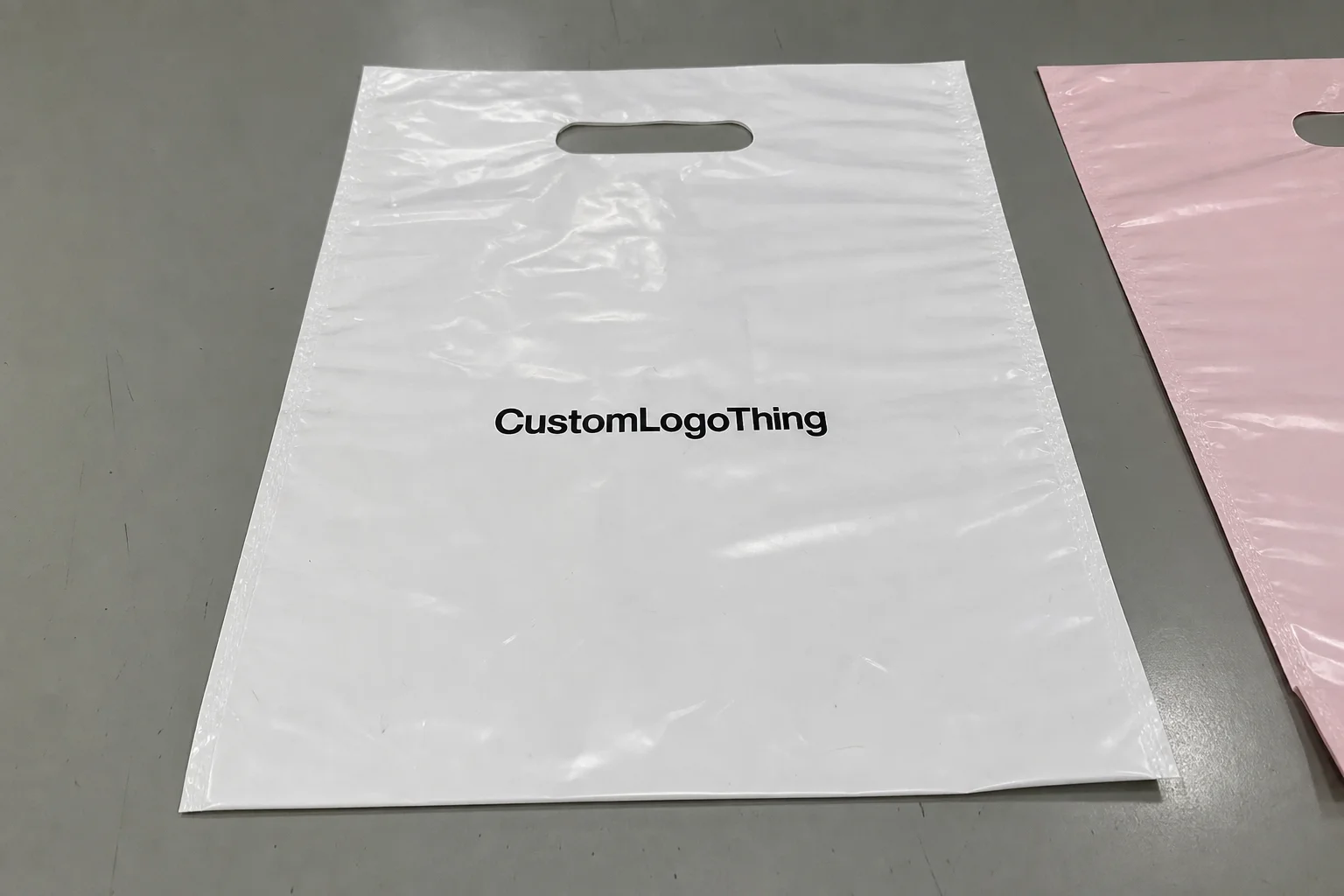
Buyer Fit Snapshot
| Best fit | Branded Padded Mailers for Sample Kits projects where brand print, material claims, artwork control, MOQ, and repeat-order consistency need to be specified before quoting. |
|---|---|
| Quote inputs | Share finished size, material target, print colors, finish, packing count, annual reorder estimate, ship-to region, and any compliance wording. |
| Proofing check | Approve dieline scale, logo placement, barcode or warning zones, color tolerance, closure strength, and carton packing before bulk production. |
| Main risk | Vague material claims, crowded artwork, missing packing details, or unclear freight terms can make a low unit price expensive after revisions. |
Fast answer: Branded Padded Mailers for Sample Kits: Film, Print, MOQ, and Carton Packing should be specified like a repeatable production item. The safest quote records material, print method, finish, artwork proof, packing count, and reorder notes in one written spec.
Production checks before approval
Compare the actual filled-product size with the drawing, then confirm tolerance on folds, seals, hang holes, label areas, and retail display edges. Reserve space for logos, QR codes, warning copy, and material claims before decorative graphics fill the panel.
Quote comparison points
Review material grade, print process, finish, sampling route, tooling charges, carton quantity, and freight assumptions side by side. A quote is only useful when the supplier can repeat the same color, closure quality, and packing count on the next order.
Branded Padded Mailers for Sample kits material thickness guide decisions usually surface after the creative work is already done. Artwork is approved. Launch timing is locked. Procurement wants a quote. Then somebody realizes the mailer has been carrying the risk all along. That is usually how a polished sample kit gets undone by a wall that is too thin, a fit that is too loose, or a material that looked great in a PDF and flimsy in hand.
Thickness affects three things at once: protection, presentation, and shipping cost. Most teams start with size, then print, then worry about the rest later. That order is backwards more often than not. Wall construction, cushioning depth, and closure strength decide whether a vial survives sorting, whether kraft stock stays crisp, and whether the unboxing feels intentional or a little undercooked. A mailer can look excellent on screen and still collapse once it gets stacked, sorted, and tossed into transit.
This is a practical Branded Padded Mailers for Sample kits material thickness guide, not a theory exercise. It covers how thickness changes performance, how common builds compare, where the money moves, and how to test a spec before you commit to a full run. If your team needs a clear way to choose branded padded mailers for sample kits material thickness guide options without guessing, start here.
Branded Padded Mailers for Sample Kits: Why Thickness Matters
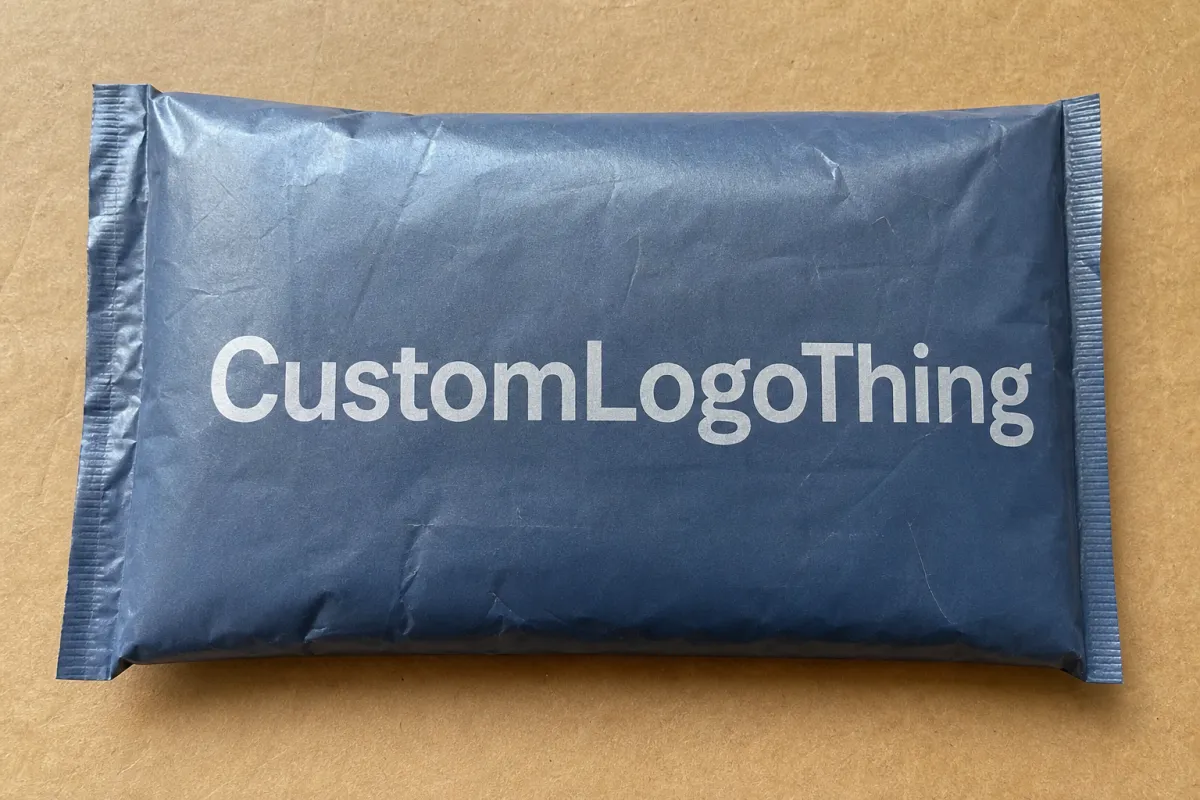
A lot of sample kits fail for reasons that have nothing to do with the product inside. The formula was not the problem. The design was not the problem. The outer pack gave out first. A mailer that is too thin can puncture on a corner, crush under stack pressure, or wrinkle so badly that the brand looks tired before the customer opens it.
Thickness matters because a branded padded mailer has two jobs. It has to protect what is inside, and it has to carry the brand without looking cheap. When both jobs are handled well, the mailer takes abuse and still prints cleanly, holds its edges, and feels deliberate in the hand. When the build is off, the mockup and the shipped parcel look like different products. That gap is where damage claims and annoyed customers start.
The hidden cost is perception. A sagging or loose mailer sends a message the brand never meant to send. People judge packaging quickly. Sometimes faster than they read the product card. A thin mailer can turn a strong launch into something that feels rushed. That is why thickness belongs in the product story, not on the margins.
A mailer can feel fine on a desk and still fail in transit. If it flexes too easily, wrinkles at the corners, or lets the contents slide around, the build is underdone even if it passes the office squeeze test.
The better question is not, “How thick should it be?” The better question is, “How much structure does this kit need based on weight, fragility, route, and brand expectation?” That keeps the conversation grounded in the real variables instead of vague preferences.
For brands comparing outer packaging options, the whole system matters. A small sample kit may be right for a padded mailer. Heavier sets may need a slim carton or a corrugated cardboard shipper. If you are still sorting through formats, our Custom Packaging Products page is a useful place to start, and our Case Studies page shows how different pack styles hold up in actual campaigns.
How Branded Padded Mailers Protect Sample Kits
A padded mailer is not one thing. It is a stack of decisions. There is the outer face stock or film, the cushioning layer, the seal area, and the room inside the pouch. Each part affects the final result. The outer layer handles scuffs and print quality. The cushioning absorbs impact. The seal keeps the package shut when the parcel gets shoved, dropped, or stacked. The fit decides how much the contents can move once the package leaves your desk and enters the carrier network.
That is why thickness changes matter so much. More thickness usually improves resistance to punctures, edge crush, and abrasion. It also helps the mailer keep its shape when other parcels land on top of it. Still, more material is not a cure-all. If the kit is too loose inside the pouch, a thicker wall will not stop movement from causing damage. Packages get hurt from the inside as often as from the outside. Everyone loves blaming the courier. The fit often deserves the blame.
Branding adds its own pressure. A thicker mailer usually gives better print holdout, especially on kraft paper or coated faces. Ink sits more evenly. Fine lines behave better. The piece feels more controlled in the hand, which matters for premium launches, beauty kits, and media sends. A thin wall shows every crease. A better-built mailer gives the graphics a fighting chance.
Light, Medium, And Premium Kits Behave Differently
Start with the contents, not the mood board. A flat beauty card kit does not need the same protection as a jar-based sample kit. Neither one behaves like an apparel swatch set. A mailer with two foil sachets and a folded insert is a different animal from a PR box with glass droppers and rigid sample cards.
- Light sample kits: cards, folded inserts, sachets, flat brochures, small textile swatches. These often work with a slimmer padded build if the fit is tight and the route is short.
- Medium sample kits: small jars, tubes, compact accessories, mixed inserts. These usually need more cushioning depth and a stronger seal.
- Premium sample kits: fragile glass, heavier cosmetics, high-touch PR kits, or mixed-material sets with sharp edges. These often justify a thicker spec or a different format altogether.
The packaging should match the contents, not the mood board. A premium look means nothing if the product arrives damaged. On the other side, a heavy-duty build can be wasted on a flat kit and just inflate cost without improving the experience. A 350gsm C1S artboard insert, for example, can add stiffness to a lightweight flat kit without forcing the outer mailer into a heavier category. That is useful for card-based sampling, voucher packs, and press kits with a single hero card.
If your team is comparing formats, it may also help to review Custom Poly Mailers. They are not the same as padded mailers, but they often show up in the same buying decision when a sample program needs more or less protection than expected.
Branded Padded Mailers for Sample Kits Material Thickness Guide
There is no magic thickness number that works for every sample kit. Annoying answer, yes. Also true. The right spec depends on the contents, the face material, the amount of cushioning, and how the finished mailer behaves once it is filled. Buyers want a single number because that feels efficient. Packaging rarely cooperates.
A kraft paper padded mailer with a printable face can feel sturdier than a thinner film version because the paper holds shape differently and resists wrinkling in its own way. A recycled-content face may be fine for one brand and too soft for another if the closure area is under tension. A useful branded Padded Mailers for Sample kits material thickness guide looks at the full build, not one isolated gauge.
As a rule, lighter kits usually work with a slimmer build when the fit is tight and the route is straightforward. Medium-weight kits usually do better with a more substantial wall and a thicker cushion layer. Heavy or breakable kits often need a premium padded mailer or a move to a more rigid option like a slim carton or a corrugated cardboard shipper. The format should follow the risk, not the other way around.
Here is a practical comparison to use during supplier conversations. These are directional ranges for custom runs and can shift based on size, print coverage, material choice, and order volume.
| Build | Typical Construction | Best For | Typical Unit Cost at 5,000 Units | Buyer Takeaway |
|---|---|---|---|---|
| Light | 50-70 gsm kraft or light film face, about 2-3 mm cushioning equivalent | Flat cards, sachets, swatches, thin promo inserts | about $0.15-$0.24 | Lowest cost, but only if the contents are flat and the fit is tight |
| Medium | 60-90 gsm kraft or stronger film, about 3-5 mm cushioning equivalent | Small jars, compact kits, mixed inserts, light retail samples | about $0.24-$0.42 | Usually the best balance of protection, print quality, and price |
| Premium | 80-120 gsm face stock or heavier film, about 5-8 mm cushioning equivalent | Glass vials, luxury PR drops, heavier multi-item kits | about $0.38-$0.72 | Better crush resistance and presentation, but only worth it if the kit needs it |
Those ranges help, but they do not tell the whole story. A low unit price can hide expensive shipping if the mailer adds bulk or pushes the parcel into a higher postage tier. A thicker build can also be a bad buy if the contents still move inside the pouch. Protection is a system issue. Thickness is one variable in that system, not the whole thing.
Material Choice Changes How Thickness Behaves
Outer material matters almost as much as thickness. Kraft paper gives a natural look and works well for brands that want a calmer, more tactile finish. It can also pair nicely with FSC certified sourcing when sustainability claims need to be specific instead of vague. Film-based faces can resist moisture and abrasion better, which matters if the route includes weather exposure or too many handoffs. Some programs use recycled materials or a high percentage of post-consumer waste. That is useful, as long as the fiber blend still holds print and stays strong enough for the route.
There is also a real tradeoff between sustainability language and disposal reality. Biodegradable packaging sounds attractive on a deck. It is not automatically the right answer for every sample kit. If the recipient cannot dispose of it the way the claim assumes, the benefit gets fuzzy fast. For many brands, recycled-content kraft with documented sourcing is more measurable and easier to explain to a buyer, distributor, or compliance team. For a useful reference on chain-of-custody standards, the FSC certification system is worth a look.
Testing should be real, not ceremonial. The ISTA testing framework is widely used for packaging simulation, and it gives teams a more disciplined way to compare builds than the classic office shake test. Even a basic ISTA-style drop and vibration check can show whether your thickness choice actually survives the route. For flat kits, a 350gsm C1S artboard insert inside the mailer can keep print samples, cards, and small collateral from bowing in transit. For heavier kits, a 1.5-2.0 mm corrugated insert can do the same job without overfilling the pouch.
A good branded Padded Mailers for Sample kits material thickness guide does not ask, “Is this thick?” It asks, “Does this material, at this thickness, protect this kit on this route without making the pack too heavy, too stiff, or too expensive?” That question is harder. It also leads to better decisions.
Process and Timeline: From Spec Sheet to Shipment
Most custom packaging delays do not come from the press. They come from indecision. A team starts with a vague brief, then changes the thickness, the dimensions, the color count, and the seal format after the first proof shows up. By then, the calendar has already moved on. A tighter spec process saves time and gives the supplier a cleaner path from quote to shipment.
A useful workflow looks like this: define the sample kit contents, confirm the outer dimensions, choose a thickness range, approve the print approach, review the proof, and request a pre-production sample if the launch is sensitive. Nothing flashy there. Just fewer surprises later. If the kit includes a rigid insert, lock that insert first. A pouch sized for loose contents is almost always the wrong starting point.
Timelines vary by supplier and material, but many custom padded mailer orders need around 12-15 business days from proof approval for production, plus freight and customs time if the order ships overseas. Thicker constructions, special liners, or custom-printed exterior films can push that longer, especially if the material needs to be sourced for the job. If the launch is rushed, ask about stock sizes, one-color print, or simpler finishes. Those choices usually shorten lead time.
There are three spots where time tends to slip:
- Artwork revisions: Even small changes can trigger a new proof, especially if the print wraps around a curved or cushioned surface.
- Material sourcing: If you want a specific kraft weight, recycled-content blend, or adhesive system, the supplier may need longer to source and confirm it.
- Testing and samples: A pre-production sample adds days, but it costs less than finding a problem after a full run lands.
Build buffer into any launch, influencer drop, or seasonal sample mailer program. If the kits have to arrive by a fixed date, the production schedule should not be the first time anyone thinks about transit risk. One to two weeks of cushion can save a lot of panic. If the campaign needs a retailer send, media drop, and direct-to-consumer version at the same time, allow extra time for pick-and-pack because the outer mailer may be the same while the inserts are not.
If the campaign includes multiple kit variants, the timeline should also account for picking and assembly. A mailer that works for a flat card set may not be the right choice for a deluxe version with extra inserts. The more variants you ship, the more useful it is to standardize the outer spec and only change the internal packout where it truly matters.
Cost and Pricing: How Thickness Changes Unit Cost
Thickness changes pricing in a few obvious ways and a few annoying ones. The obvious part is material usage. More padding, a heavier face stock, or a stronger adhesive system usually raises the unit cost. The less obvious part is production complexity. Some builds take longer to make, print, or convert, and that shows up in the quote before freight even enters the room.
MOQ matters too. At lower quantities, a premium build can look absurdly expensive because setup costs are spread across fewer units. At larger quantities, the gap between light and premium builds may shrink, but only if the supplier has efficient sourcing in place. That is why two quotes for the same mailer can look wildly different. One supplier may be pricing a stock material with simple print, while another is quoting a fully custom conversion with a heavier laminate.
Upfront price is only one line in the budget. Total landed cost is the number that matters. A cheap mailer that damages contents in transit can create replacements, customer service time, and brand damage. A slightly more expensive mailer that reduces breakage even a little can save money overall. Packaging buyers see this all the time: the lowest quote does not always become the lowest-cost outcome.
There is also a shipping angle. If a thicker build adds enough weight or bulk to move a parcel into a different postage band, the recurring freight cost can wipe out any savings from lower damage. That is why a mailer spec should be reviewed with logistics, not just procurement. A small weight change can matter more than anyone wants to admit once volumes climb. A difference of 12-18 grams per unit sounds trivial until you are shipping 30,000 kits and the carrier invoice decides to be dramatic.
A simple budget method is to ask for three comparable quotes:
- Light build for the leanest acceptable spec.
- Mid build for the balanced option most teams actually use.
- Premium build for the strongest presentation and protection level.
Then add a realistic spoilage estimate. If a fragile kit has real damage risk, that cost belongs in the math. A 2% breakage rate on 20,000 kits means 400 replacements, plus the labor to sort it out. The best spec is the one that lowers the total cost of fulfillment, not the one with the prettiest quote sheet.
For brands working with a tight budget, shift thickness only where it adds visible value. A moderate outer mailer plus a stronger insert can be cheaper than pushing every part of the outer pack into premium territory. Another option is to compare padded mailers with a slim folded carton. Sometimes a carton made from sturdy kraft or light corrugated cardboard protects better for about the same total cost. If the insert is doing most of the work, a 350gsm C1S artboard or a 450-600gsm greyboard can keep the kit crisp without making the outer shell overbuilt.
If the program is still in concept mode, compare the unit economics across formats before you approve print. Our Custom Packaging Products page is a good place to do that side by side.
Common Mistakes When Choosing Mailer Thickness
The biggest mistake is choosing by feel. A sample mailer can seem solid in hand and still fail in transit because the hand test does not recreate stack pressure, vibration, or corner impact. Freight networks are less polite than a desk test. A package that feels great for two seconds can behave like a problem after an hour in a sorting system.
Oversizing the mailer is another common miss. Extra empty space is not harmless. It lets the kit move, which increases abrasion and impact risk. It can also make the mailer look puffed or uneven, which weakens the premium effect the branding was trying to create. The right thickness does not rescue the wrong dimensions.
Some teams forget to evaluate the insert design. A rigid card set, a cosmetic vial, and a soft apparel sample do not need the same protection strategy. If the insert is too sharp, too heavy, or too loose, the mailer has to compensate for a structural issue it cannot fully solve. Outer pack and internal packout should be reviewed together.
Skipping real-world testing is another expensive habit. If the mailer will ship through multiple carriers, or if the route includes cross-dock handling and long last-mile transit, sample the actual route before you approve the full order. A basic shake test helps. A route test helps more. Send a pilot order through the carrier path you will use in production, then inspect the result when it lands.
Overbuilding is real too. More thickness can add cost, stiffness, and weight without giving a meaningful improvement in protection. In the worst case, it makes the package worse to use. A mailer that is too rigid can be awkward to open, harder to pack, and more expensive to ship. That is not premium. That is just expensive packaging with a superiority complex.
One last mistake: treating sustainability as a substitute for performance. Recycled-content materials, FSC certified paper, and post-consumer waste content are useful signals, but they do not excuse a weak build. A responsible mailer still has to survive the route. If a brand wants lower environmental impact, it should reduce damage and reships as well as choose the right material.
Expert Tips and Next Steps for a Better Spec Sheet
The fastest way to make a better decision is to request physical samples in at least two thickness options and pack them with the exact contents you plan to ship. Do not use dummy filler if the real kit contains glass, hard corners, or mixed components. The load pattern matters, and the only honest test is the real one.
A simple pass-fail matrix can make the call easier. Score each sample mailer on four points:
- Puncture resistance: Did any item press through the wall or stress the corners?
- Closure security: Did the seal stay closed after handling and shaking?
- Print appearance: Did the graphics stay clean, flat, and readable?
- Presentation: Did the finished kit feel premium and controlled in the hand?
That sort of scoring keeps teams out of the vague “we like this one” trap. It also makes the final choice easier to defend later, especially if finance asks why the package is not the cheapest option. In packaging buying, clarity beats instinct.
Document the final spec in one place. The sheet should include material thickness, dimensions, print coverage, seal type, insert weight, approved use case, and any sustainability claim the brand plans to make. If the supplier quotes a recycled-content or FSC certified build, record the exact wording that can be used on the product page or customer insert. Loose wording causes problems later. Sharp wording avoids them.
Ask for a quote that separates the main cost drivers:
- Unit price at each quantity tier.
- MOQ and whether a lower quantity is possible.
- Lead time after proof approval.
- Shipping method and estimated transit time.
That breakdown makes tradeoffs visible. A buyer can see whether a thicker build is increasing unit cost, lead time, or both. It also shows whether the quote is built around a stock substrate or a more tailored conversion. If the supplier can quote a 5,000-piece run at about $0.15-$0.24 per unit for a light build, that is useful. If the same job jumps to $0.34 because the print coverage is full bleed and the mailer needs a heavier cushion, that is also useful. You want the delta, not just the lowest number.
If the kit launch is critical, place a pilot order first. Ship it through the same route the final order will use. Review the arrival condition, then decide whether to keep the spec, tighten the fit, or move up a thickness level. A small pilot usually costs less than a large mistake.
For recurring sample programs, standardize the build once it proves itself. That cuts decision fatigue and usually improves consistency across campaigns. Once the outer pack has been tested, the team can spend its energy on the parts that actually change the customer experience.
Branded padding is not just extra material. It controls movement, protects the contents, and preserves the experience from warehouse to doorstep. Use this Branded Padded Mailers for Sample kits material thickness guide as the starting point for your next supplier brief, then back it up with a real transit test before you lock the order.
FAQ
What thickness is best for branded padded mailers for sample kits?
Start with the kit weight and fragility instead of choosing by habit. Light, flat kits often work with a slimmer build, while glass, jars, or rigid inserts usually need a thicker spec. If the contents move around inside the mailer, fix the fit or add protection before you add more print coverage. For a flat beauty-card kit, a 50-70 gsm kraft face with light cushioning may be enough. For a vial set or a multi-piece PR drop, you usually want more structure.
Are thicker sample kit mailers always better?
No. Extra thickness can raise cost, stiffness, and shipping weight without solving a fit problem. A properly sized lighter mailer often performs better than a bulky one that lets the contents shift. Thickness should be part of the system, along with dimensions, closure strength, and internal packaging. A mailer that is too rigid can also be harder to pack, which is a nice way to waste labor.
How does thickness affect pricing for branded padded mailers?
Thicker materials usually raise the unit price because they use more material and may take longer to produce. They can also affect freight and total landed cost if the finished mailer adds bulk or weight. The cheapest quote is not always the lowest-cost option once damage, replacements, and reorders are counted. For a 5,000-piece custom run, a light build may land around $0.15-$0.24 per unit, while a thicker premium build can move into the $0.38-$0.72 range depending on size and coverage.
What process and timeline should I expect for custom sample kit mailers?
Expect artwork approval, material confirmation, production, and shipping as separate steps rather than one fast turnaround. Changes to thickness, size, or print coverage can extend lead time because the supplier may need a new proof or sample. Many custom orders take about 12-15 business days from proof approval before they leave production, then freight time after that. Build in extra time for launch-critical mailings so you are not forced to approve a spec before testing it.
How do I test the right thickness before a full order?
Order two or three sample versions with different gauges and pack them with the exact contents you plan to ship. Run a real transit test: shake, drop, stack, and ship the kits through the same carrier route you will use in production. Choose the option that protects the contents, prints cleanly, and fits the budget without excess movement or waste. If the kit includes a rigid insert, test with that exact insert, not a placeholder card that looks close enough.
For most brands, the best result comes from combining a realistic material test, a tight fit, and a clear budget target. That is the heart of a strong branded padded mailers for sample kits material thickness guide: not the thickest option, not the cheapest option, but the one that delivers protection, presentation, and predictable cost in the same package. The practical next step is simple: lock the contents, pick two thickness levels, and run them through the real route before you approve the run.