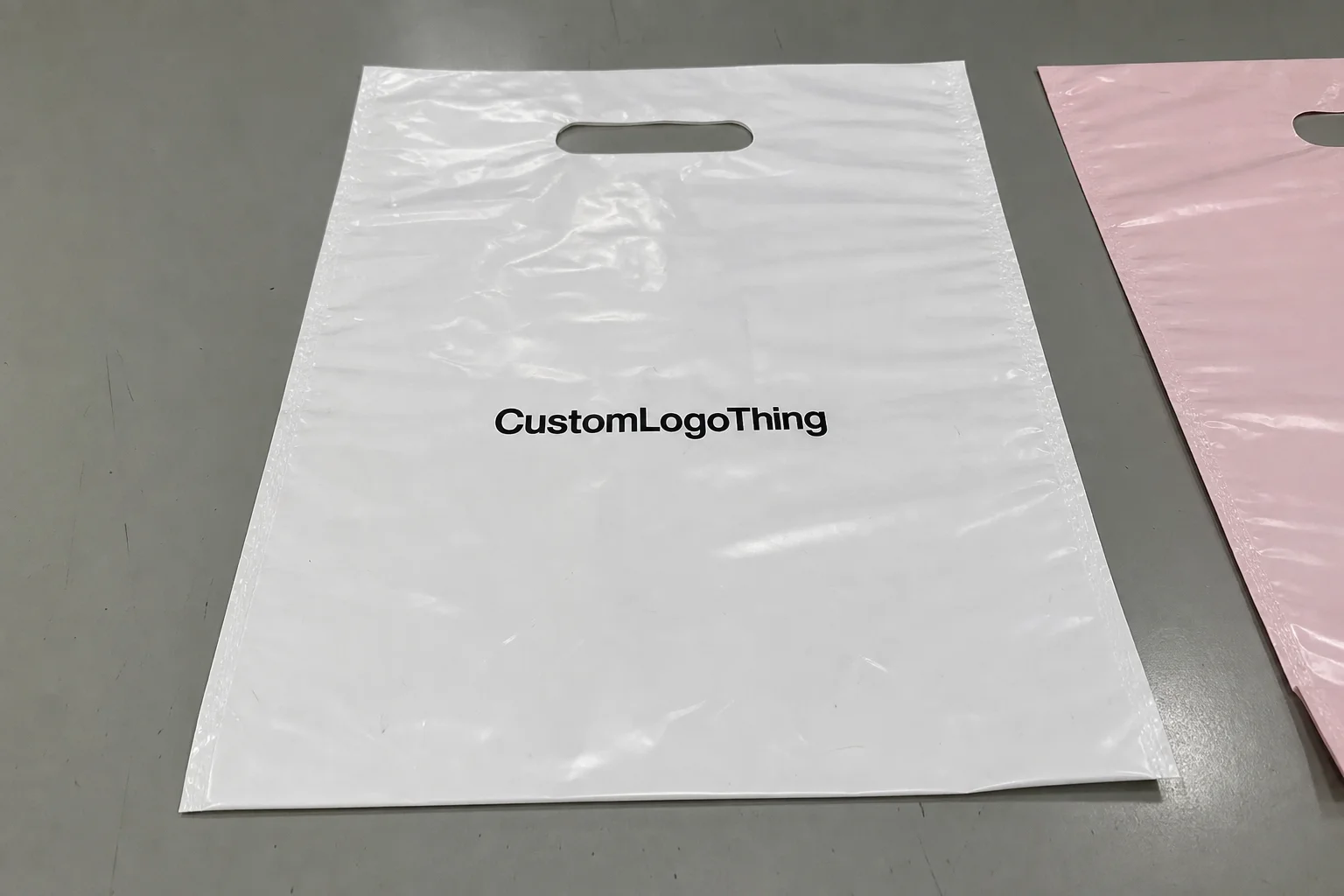
Buyer Fit Snapshot
| Best fit | Branded Padded Mailers for Sample Kits and Approvals projects where brand print, material claims, artwork control, MOQ, and repeat-order consistency need to be specified before quoting. |
|---|---|
| Quote inputs | Share finished size, material target, print colors, finish, packing count, annual reorder estimate, ship-to region, and any compliance wording. |
| Proofing check | Approve dieline scale, logo placement, barcode or warning zones, color tolerance, closure strength, and carton packing before bulk production. |
| Main risk | Vague material claims, crowded artwork, missing packing details, or unclear freight terms can make a low unit price expensive after revisions. |
Fast answer: Branded Padded Mailers for Sample Kits and Approvals should be specified like a repeatable production item. The safest quote records material, print method, finish, artwork proof, packing count, and reorder notes in one written spec.
Production checks before approval
Compare the actual filled-product size with the drawing, then confirm tolerance on folds, seals, hang holes, label areas, and retail display edges. Reserve space for logos, QR codes, warning copy, and material claims before decorative graphics fill the panel.
Quote comparison points
Review material grade, print process, finish, sampling route, tooling charges, carton quantity, and freight assumptions side by side. A quote is only useful when the supplier can repeat the same color, closure quality, and packing count on the next order.
Branded Padded Mailers for Sample Kits Prototype Sample Approval solve a problem that usually appears late, right when everyone is already tired of revising the same package. A prototype can meet the spec, pass the size check, and still lose momentum if the mailer arrives crushed, scuffed, awkward to open, or visually disconnected from the rest of the kit.
The mailer is not just a shipping envelope. It carries protection, presentation, and process control at the same time. For packaging teams, the better version keeps inserts in order, shields fragile samples, and gives every reviewer the same first impression so feedback stays focused on the product instead of avoidable packing noise.
If the reviewer has to guess what is inside, hunt for paperwork, or fix the package before they can evaluate the sample, approval slows down before anyone even looks at the prototype.
That part sounds obvious. It still gets missed. A plain poly mailer can be fine for a soft accessory. A generic carton can work for a dense kit. Neither one always creates the sense of order that branded padded mailers do. If the goal is to move prototype sample approval forward with less back-and-forth, the mailer needs to do more than survive transit.
What Branded Padded Mailers for Sample Kits Actually Solve
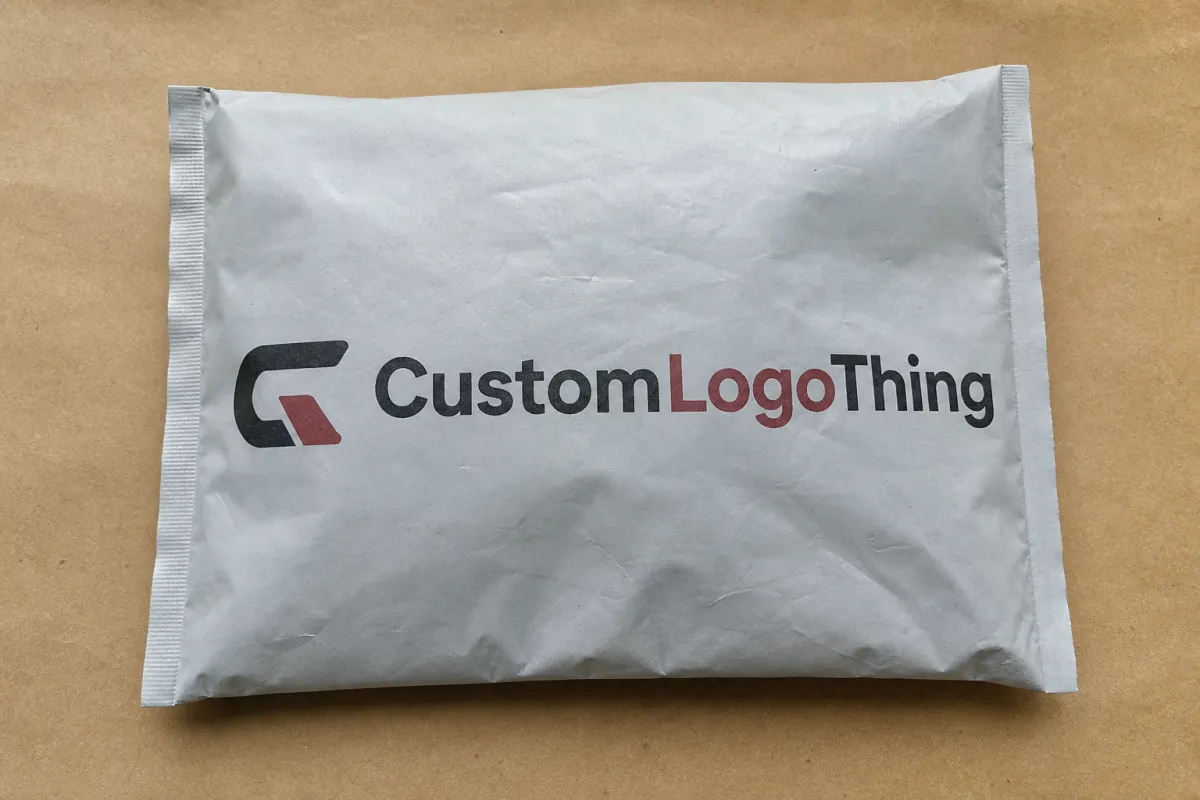
Picture a normal sample review cycle. A design team sends a prototype to procurement. Sales wants to compare it with the last revision. Quality wants dimensions. A decision-maker has two minutes between meetings and a very short attention span. If the mailer arrives dented or the contents are loose, every recipient starts the review one step behind. Branded Padded Mailers for Sample kits reduce that drag by making the package feel deliberate before the sample is even touched.
They also handle a quieter problem: expectation-setting. Branded outer packaging tells the recipient the sender cared enough to package the sample properly, label it clearly, and prep it for review. That matters in B2B packaging because the package becomes part of the product story. A poly mailer with no structure can look rushed. A well-printed padded mailer with a tidy insert layout says the opposite without trying too hard.
From a packaging buyer's point of view, the difference is practical as much as visual. A kit might contain a prototype, a color chip, a printed spec card, and a return slip. If those pieces float around inside a generic envelope, the review starts with sorting, not evaluating. Branded Padded Mailers for Sample kits prototype sample approval keep the set together and make the process repeatable across multiple recipients, which matters even more when the same sample goes to engineering, marketing, and a retail partner.
There is also a straightforward comparison worth making. Plain poly mailers are lightweight and inexpensive, but they offer little structure. Generic cartons protect better, but they can feel excessive for thin sample sets and often cost more in freight and fulfillment labor. Branded padded mailers sit between those two extremes. They deliver a cleaner presentation than a plain mailer and a faster packout than a box, which is why they show up so often in prototype circulation, launch coordination, and sample kit programs.
For teams building a tighter sampling workflow, this format can also support broader packaging consistency. If you already use other branded formats, such as Custom Packaging Products for retail or Custom Poly Mailers for lighter shipments, a padded mailer can fill the middle ground where protection and presentation both matter.
How the Sample Kit Mailer System Works
A good sample kit mailer system is more than one envelope. It is a chain of small decisions that starts with structure and ends with the recipient knowing exactly what to do next. The outer layer is usually a printed shell, often paper-based or kraft-based, with a cushioning layer built in. Common constructions include 120gsm to 150gsm kraft outer stock with a 3mm bubble layer, or a paperboard-faced mailer using 350gsm C1S artboard over a cushioned liner for a flatter, more premium presentation.
The closure method matters more than many teams expect. A peel-and-seal flap is fast and easy to automate in short runs, which helps when staff are packing dozens of kits in a day. A resealable closure can help if the recipient needs to check the contents, photograph the sample, and then return it. The choice depends on how often the sample will move between desks, conference rooms, and warehouses.
Good systems also build in routing cues. A printed QR code can open a checklist or approval form. A barcode can link the sample to an internal tracking sheet. A short instruction panel can tell the reviewer whether they are approving print quality, fit, material, color, or function. That kind of guidance saves time because it removes ambiguity from the first five seconds of the review.
Common contents in a sample kit include prototypes, spec sheets, swatches, inserts, instruction cards, and return slips. The mailer's job is to keep those pieces aligned and visible without turning the package into a cluttered stack. In practice, that usually means a compact fit with enough internal clearance to prevent creasing, plus a backer or pocket that prevents the documents from curling. For a flat sample set, many teams aim for roughly 3 to 5 mm of clearance around the insert stack, while thicker kits may need more space to avoid edge pressure.
Repeatability is the real payoff. If ten reviewers receive the same mailer, the same labeling, and the same contents, the feedback is easier to compare. That consistency matters more than a lot of teams expect. One reviewer may judge the sample on color, another on fit, and another on convenience. If the packaging changes from one shipment to the next, the process itself becomes harder to trust.
For teams that need outside guidance, organizations such as the ISTA help set expectations around distribution testing and transit damage. The point is not to turn sample mailers into lab instruments. The point is to use a basic level of testing and structure so the kit survives the handoff in a predictable way.
Key Factors That Affect Protection, Branding, and Usability
Size and fit are where many sample kit problems begin. A mailer that is too loose lets prototypes move around, which creates edge wear, corner crush, and a sloppy open experience. A mailer that is too tight can crease printed materials or push on fragile components. For a kit that contains an insert stack and a small prototype, leaving even 3 to 5 mm of internal clearance can make a noticeable difference in how the package handles. For slightly heavier kits, teams often step up to a deeper format rather than forcing a flat mailer to do box-level work.
Material choice changes both the protection level and the perception. Bubble padding is familiar and effective for lightweight protection, especially on irregular components. Foam can add more cushioning and a more premium feel, but it is not always the most sustainable or cost-effective option. Paper-based cushioning can fit programs that want a more recyclable presentation, though it may need tighter fit control to deliver the same shock absorption. The right choice depends on the prototype's weight, fragility, and the impression you want to create.
Branding deserves the same discipline. A logo printed too large can crowd the surface and make the mailer look more promotional than functional. Too little branding, and the package can drift into generic territory. Most teams do better with restrained placement: a logo lockup on one side, a simple message or reference code on the other, and enough white space or negative space to keep the layout readable. That balance makes the package feel intentional without competing with the sample inside.
Recipient experience is another practical filter. Can the mailer be opened cleanly without scissors? Is it easy to reseal if the sample needs to be passed to someone else? Can a reviewer keep the inserts in order after opening? These details sound small, but they get obvious fast when a team opens a dozen sample kits in a morning. A package that opens smoothly and documents itself clearly saves time at the exact point where attention is scarce.
Sustainability also affects perception, but it should be handled honestly. Recycled content, FSC-certified paper, and reduced-plastic construction can all support a stronger packaging story. At the same time, a sustainable mailer still has to function. A weaker structure that saves material but damages samples is not a good trade. The better question is whether the package uses the lightest, most responsible format that still protects the prototype and supports prototype sample approval.
For teams comparing materials, the FSC label can be useful when sourcing paper components, especially if the brand has a broader responsible sourcing policy. The U.S. EPA also maintains practical guidance on sustainable materials and waste reduction at EPA sustainable materials management, which is worth reviewing if the mailer will be part of a larger packaging standard.
Protection and Presentation Options
The table below gives a practical comparison of common approaches for sample kit mailers. Pricing ranges are directional, not fixed, because size, print coverage, finish, and order quantity move the numbers quickly. A simple branded padded mailer usually costs more than a plain mailer, but it can still land below a rigid mailer or box-based kit depending on the spec and quantity.
| Option | Typical Use | Approx. Unit Price | Pros | Tradeoffs |
|---|---|---|---|---|
| Plain padded mailer | Internal reviews, low-visibility sample shipments | $0.18-$0.45 | Low cost, light weight, easy to source | Limited branding, lower perceived polish |
| Branded padded mailer | Prototype sample approval, sales kits, partner reviews | $0.22-$0.38 at 5,000 pcs; $0.45-$0.95 for smaller runs | Cleaner presentation, better organization, stronger brand control | Higher setup effort, print constraints for short runs |
| Rigid mailer or mailer box | Fragile or premium samples, thicker insert stacks | $0.90-$2.50 | Better structure, more protection, premium feel | Higher freight, more packout time, more material use |
| Custom kit with inserts and backers | Multi-piece sample programs, review packs, launch approvals | $1.25-$3.50+ | Best organization, clearer instructions, stronger control | More expensive, more planning, more print coordination |
Process and Timeline for Prototype Sample Approval
The production flow usually starts with a brief. That brief should describe the sample size, the number of review recipients, the insertion stack, the shipping method, and the approval deadline. If any of those variables are missing, the first round of artwork or structure work will probably bounce. Dielines should follow real dimensions, not guesses, because a mailer sized for a 9 x 12 inch kit behaves differently than one built for a compact A5 sample set. A flat pouch that works for a single card can fail the moment a folded spec sheet and a prototype are added together.
After the brief comes artwork and structure development. This is where teams decide on print coverage, panel layout, flap placement, and any internal inserts. Once those details are set, the vendor produces a proof. A proof should be checked for logo placement, color approximation, barcode readability, and copy accuracy. If the kit includes a QR code, it should be tested on at least two devices before final sign-off. For print accuracy, many teams compare the proof against a Pantone reference or an approved swatch rather than relying on screen color alone.
Sampling and revision cycles often cause the biggest delays. One round of revision can be quick if the issue is minor, such as a typo or small color correction. But if the dimensions are off or the insert stack is not stable, the second prototype can take much longer. That is why the earlier review stages need accurate measurements and a real packing test. A paper mockup or a taped sample can catch problems before tooling or production starts.
A realistic timeline for a branded padded mailer project is often 12-15 business days from proof approval to finished production for a standard run, with simple repeat orders sometimes landing closer to 10 business days and more complex jobs stretching to 18-20 business days. If the project needs special inks, custom inserts, or a tighter color match, add a few days. Shipping and internal review add more time. If the kit needs to travel to multiple decision-makers, build in at least a few days for circulation, because the sample is rarely the only thing competing for attention.
Branded padded mailers for sample kits can shorten the approval loop because they reduce friction at each handoff. The reviewer receives the same presentation every time, sees the same instructions, and can compare the new sample against the previous one without reorganizing the contents first. That may sound modest, but repeated across multiple stakeholders it can save days, especially when changes need to be reviewed in sequence rather than in parallel.
A simple checkpoint system helps keep the process under control:
- Confirm the kit dimensions and sample stack height.
- Confirm the outer branding and print limits.
- Confirm the contents and insertion order.
- Confirm the shipping method and return path, if needed.
- Confirm who signs off on the final approval.
If your team uses internal references or case examples, the workflow section is also a good place to review Case Studies so stakeholders can see how similar package structures performed in the field. That kind of reference often reduces debate because it shifts the discussion from preference to precedent.
Cost, Pricing, MOQ, and Quote Considerations
Pricing for branded padded mailers depends on five main variables: material choice, print complexity, size, cushioning type, and order quantity. A simple one-color mailer in a standard size may sit near the lower end of the range, while a larger format with full-bleed print, premium finish, and custom inserts will move upward quickly. The difference between a basic and a tightly controlled kit is often more about setup than raw material cost.
MOQ tradeoffs deserve careful attention. A small prototype run may be best served by a shorter quantity, even if the unit price is higher, because the value comes from speed and accuracy, not from deep inventory. By contrast, if the same mailer will be used for recurring sample rounds, a larger run can spread setup costs across more units and lower the long-term cost per shipment. The cheap unit price is not always the best answer if it leaves you with excess stock, outdated artwork, or the wrong size.
Short-run and larger-run economics work differently. Short runs often carry a higher per-unit cost because the setup charge is spread over fewer pieces. Larger runs may require more storage and a stronger forecast, but they usually deliver a better unit cost. Tooling or plate fees, if relevant, should be asked about early. A quote that looks inexpensive at first can become expensive once design changes, version updates, or extra inserts enter the picture.
Shipping and packout efficiency also change the total cost. A lighter mailer can reduce postage, especially across repeated sample sends. A more compact mailer can also improve cube efficiency, which matters if the kit is traveling in bulk. On the other hand, under-packing to save postage can create damage, and damage is more expensive than freight almost every time. The total cost of approval includes remake risk, not just postage.
That is why quote comparisons should use the same inputs. Ask each vendor to quote the same size, same closure style, same print coverage, same quantity, and same insertion method. If one supplier quotes a bare shell and another quotes a fully packed kit, the comparison is not useful. Here is a practical checklist you can use before requesting pricing:
- Final dimensions of the prototype and insert stack
- Required protection level and any fragile components
- Print sides, ink count, and finish requirements
- Expected MOQ and reorder frequency
- Need for return materials, QR codes, or serial labels
- Delivery deadline and ship-to locations
For teams buying across multiple packaging formats, it often helps to align the sample kit mailer with the rest of the packaging family. That can simplify procurement, reduce artwork rework, and make future reorders easier. If a supplier already handles related packaging, the reference point for structure and pricing gets much clearer.
Common Mistakes When Ordering Branded Padded Mailers
The first mistake is guessing dimensions. A sample kit that sounds small in conversation may turn out to be awkward in the real world once the insert stack, bubble wrap, and backer are added. Ordering from memory instead of from actual measurements is one of the fastest ways to get a mailer that is too loose, too tight, or just annoying to pack.
The second mistake is overbranding the surface. It is easy to think more logo coverage equals more brand value, but sample kits need room for information. Tracking codes, approval instructions, return details, and internal identifiers all need space. If the outer surface is crowded, the reviewer has to work harder to understand what the package is for. A cleaner layout usually performs better, especially in procurement or QA settings where readability matters more than decoration.
The third mistake is skipping a test shipment. A mailer can look perfect on a screen and still fail in transit because the seal weakens, the contents shift, or a corner catches in handling. A pilot run to one or two recipients can reveal whether the closure is strong enough, whether the insert stays aligned, and whether the package survives normal courier treatment. That small test often prevents a much larger correction later.
Another common issue is forgetting the return path. Some teams remember to send the sample out, but not to make it easy to come back. If reviewers need to send the prototype back for comparison, lab review, or archiving, the mailer should include a clear return label or at least a simple instruction card. Without that, the approval process can turn into a series of emails asking who should ship what, where, and by when.
The last mistake is leaving operations out of the review. Creative teams may focus on aesthetics, while operations cares about packout speed, shelf space, shipping cost, and defect risk. Both views matter. A package that looks excellent in a design deck but takes two minutes longer to pack, or requires an awkward insert sequence, can become a bottleneck at scale. The people assembling the kits need a say before the design is locked.
A good rule is to compare branded padded mailers for sample kits against the full workflow, not just the first impression. If the mailer looks great but slows fulfillment, the cost shows up later. If it protects well but confuses reviewers, approval slows instead. Both failures cost time, and time is the hidden line item in most sample programs.
Expert Tips and Actionable Next Steps for Approval
Start with a one-page approval sheet. It should define the dimensions, the number of samples, the print requirements, the ship-to list, the return path, and the sign-off owner. That page becomes the reference point for everyone involved, which is especially useful when procurement, design, and operations all need to review the same package.
Ask for a pilot run before you place a larger order. Even a small batch can reveal whether the mailer opens cleanly, whether the sample shifts inside, and whether the label area is large enough for the tracking information you need. A pilot also helps identify handling issues that are hard to spot on a flat proof, such as flap lift, corner crush, or awkward insertion depth.
Build a reusable spec sheet for branded padded mailers for sample kits. Include the approved size, material, closure type, artwork zones, padding type, and any insert instructions. Once that sheet is approved, future sample rounds become much easier to launch because you are not reinventing the package every time the prototype changes by a few millimeters.
Use a feedback loop after the first shipment. Ask three simple questions: Did the sample arrive intact? Did the reviewer understand what to do next? Did anything in the packout slow the review? Those answers are more valuable than vague praise because they point to the exact places where the package needs adjustment.
It also helps to think of the mailer as part of the approval documentation, not just a shell. If the outer print includes a revision code or a simple status line, the reviewer can tell immediately which version they are holding. That helps prevent confusion when older and newer prototypes are circulating at the same time.
For organizations that want to standardize across programs, the next steps are straightforward:
- Finalize dimensions and sample stack height.
- Request a quote using identical specs across vendors.
- Approve a pilot run and test delivery to real reviewers.
- Confirm the return process, labels, and documentation flow.
- Lock the approved structure so future rounds stay consistent.
That sequence usually produces better results than trying to perfect everything on the first try. Packaging projects improve faster when teams control the variables that matter most: fit, print, protection, and reviewer clarity.
If you need additional product references while you shape the kit, browsing Custom Packaging Products can help align the sample mailer with the rest of the brand's packaging system. For teams that want to compare lighter shipping formats as a benchmark, Custom Poly Mailers is a useful comparison point.
Branded padded mailers for sample kits prototype sample approval work best when they are treated as a process tool, not just a branded envelope. The strongest programs keep the contents protected, the instructions clear, and the reviewer focused on the sample. That is how the packaging earns its keep.
Frequently Asked Questions
What size branded padded mailers work best for sample kits?
Choose the smallest size that fits the full kit without forcing the contents to bend, bulge, or twist. Leave room for inserts, labels, and any return materials, then test the packed mailer by shaking it gently to check for movement before final approval. For flat prototype sets, many teams start with sizes that fit an A4 or letter insert stack plus a thin sample, then step up only if the fit gets tight.
Are branded padded mailers enough for fragile prototype samples?
They work well for light to moderately fragile items when the padding and fit are matched correctly. For sharp, heavy, or high-value prototypes, add internal cushioning, rigid backers, or a secondary inner wrap. A 3mm bubble liner can be enough for many paper goods and lightweight components, but glass, metal, or precision parts usually need more structure. The mailer is only one part of the full packout design.
How do branded padded mailers help with prototype sample approval?
They keep the presentation consistent across every reviewer, which reduces confusion and comparison errors. They can also include instructions, QR codes, and return details that move the approval process forward faster. Damage-related delays fall too, which is often where sample approval loses time. If the outer package clearly shows the revision or kit ID, reviewers spend less time asking basic questions.
What affects the cost of branded padded mailers for sample kits?
Material choice, print coverage, size, and cushioning type have the biggest impact on unit cost. Order quantity matters because setup fees spread out more efficiently across larger runs. Postage and packing efficiency also matter, especially if the kit ships often or to many recipients. A standard branded padded mailer might land around $0.22-$0.38 per unit at 5,000 pieces, while smaller runs or heavier print coverage usually cost more.
What should I include in a sample kit mailer before sending it out?
Include the prototype, a concise spec sheet, any reference samples, and a clear approval or feedback form. Add return instructions if the item needs to come back for comparison, reuse, or lab review. Keep the kit focused so the reviewer can make the decision quickly. If the kit includes a QR code or tracking barcode, place it where it can be scanned without opening every layer of the package.