Buyer Fit Snapshot
| Best fit | Printed Padded Mailers for Prototype Sample Approval projects where brand print, material claims, artwork control, MOQ, and repeat-order consistency need to be specified before quoting. |
|---|---|
| Quote inputs | Share finished size, material target, print colors, finish, packing count, annual reorder estimate, ship-to region, and any compliance wording. |
| Proofing check | Approve dieline scale, logo placement, barcode or warning zones, color tolerance, closure strength, and carton packing before bulk production. |
| Main risk | Vague material claims, crowded artwork, missing packing details, or unclear freight terms can make a low unit price expensive after revisions. |
Fast answer: Printed Padded Mailers for Prototype Sample Approval should be specified like a repeatable production item. The safest quote records material, print method, finish, artwork proof, packing count, and reorder notes in one written spec.
Production checks before approval
Compare the actual filled-product size with the drawing, then confirm tolerance on folds, seals, hang holes, label areas, and retail display edges. Reserve space for logos, QR codes, warning copy, and material claims before decorative graphics fill the panel.
Quote comparison points
Review material grade, print process, finish, sampling route, tooling charges, carton quantity, and freight assumptions side by side. A quote is only useful when the supplier can repeat the same color, closure quality, and packing count on the next order.
Printed Padded Mailers for Sample kits prototype sample approval do more than keep a small package from getting crushed in transit. They set the tone before the recipient even opens the flap. A plain envelope makes a carefully built prototype feel temporary. A printed padded mailer says someone planned the handoff, the handling, and the review.
That matters because sample approval is not just about whether the item arrived in one piece. It is about fit, finish, color, texture, assembly, and the confidence a reviewer feels when they pull the sample out of the package. If the outer mailer looks cheap, oversized, wrinkled, or generic, the review starts with friction. No drama. Just a bias that should not be there. A better mailer does not force approval. It keeps the packaging from getting in the way of it.
For product teams, procurement staff, and packaging buyers, the value is practical, not decorative. The mailer becomes part of the communication system. It can carry version labels, handling notes, a short checklist, and a clear brand presence that makes the kit easier to manage. That is why Printed Padded Mailers for Sample kits prototype sample approval deserve attention as a working packaging tool, not as a throwaway shipping supply.
A sample kit is not a random pile of parts. It is a controlled review package, and the mailer should help control the first impression, the transit risk, and the approval process.
Why Printed Padded Mailers Shape Prototype Sample Approval
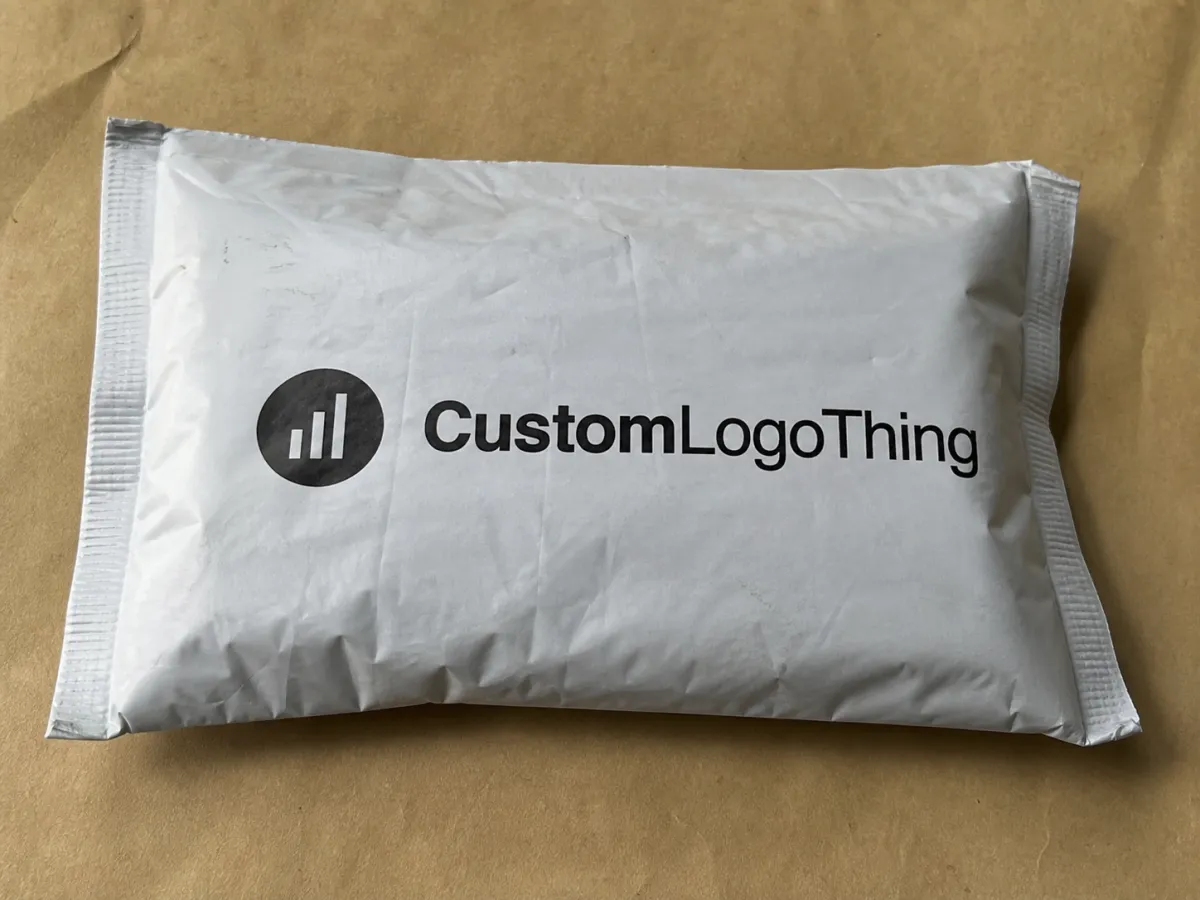
The outside of a package frames the whole conversation. A reviewer who receives a clean printed padded mailer expects organization, and that expectation carries over to the contents. If the product inside is a prototype, mockup, swatch set, or early production sample, the package should tell the recipient that the sender understands presentation as part of the review process. That matters most for items judged by eye or by touch, because the cover package is the first clue the recipient gets about the level of care behind the sample.
Prototype approval often lives or dies on details that are hard to recover once a package arrives bent or scuffed. A sample card with a creased edge, a printed piece with rubbed ink, or a small assembled component that shifted during transit can send the reviewer in the wrong direction. Even if the product itself is fine, people react to the condition of the package. A printed padded mailer lowers that friction by combining protective cushioning with a more deliberate presentation.
There is also a workflow payoff. Teams reviewing prototype samples usually move through a stack of shipments, and anything that makes the kit easier to identify speeds things up. Clear branding, part numbers, internal routing notes, and a visible version identifier save time at receiving, at the desk, and during follow-up. Instead of opening a mystery package and trying to decode it, the reviewer can get to the actual comparison work faster.
For sample kits, presentation and protection are tied together. A package that looks organized tends to be handled more carefully, and a package that is sized correctly tends to arrive with less scuffing and fewer complaints about transit damage. That is why printed Padded Mailers for Sample Kits prototype sample approval can improve more than shipment appearance. They help shape the conditions around the approval itself.
Printed Padded Mailers for Sample Kits Prototype Sample Approval
The phrase is long because the job is long. Printed Padded Mailers for Sample Kits prototype sample approval have to do three things at once: hold the contents securely, protect them through normal parcel handling, and present the sample in a way that supports a fast, clear decision. A good mailer does not need to be fancy. It needs to be chosen with enough care that the contents feel intentional the moment the recipient sees the outside.
A typical padded mailer has three functional parts. The outer face stock or film carries the print and gives the package its look and scuff resistance. The inner cushioning layer absorbs compression and minor impacts, keeping the contents from riding directly against the outer shell. The closure system, usually a peel-and-seal strip or another secure seal, keeps the contents closed after packing and helps prevent accidental opening during transit. Each of those parts affects how the mailer performs during sample review.
Paper-based padded mailers often fit sample kits that need a warmer, more material-driven look. They are familiar, they print well, and they can support branding that feels less slick than glossy film. Poly-based padded mailers usually make more sense for moisture resistance, tear resistance, and a cleaner, more saturated print surface. The right choice depends on the sample itself. A printed sheet, swatch set, or lightweight mockup may do well in a paper-based format, while a higher-value prototype or an item that could get exposed to weather in transit may deserve the extra protection of poly.
That decision should tie back to the purpose of the kit. If the package is going to a design team for a visual review, the outer appearance may matter nearly as much as the cushioning. If the package is moving through multiple shipping hubs or going to field testers, stronger film and better seam integrity become more valuable. The mailer should fit the risk, not the other way around.
Some premium sample kits use a paper face made from 350gsm C1S artboard laminated to a padded core. That build gives the outside a flatter, sharper print surface for logos, version codes, and color bars. It is a specialty option, not a default. More common production runs use a kraft or poly face with bubble or paper padding underneath, because the cost stays lower and the line speed stays manageable. For approval kits, that tradeoff usually makes sense. A spec sheet can look great on 350gsm C1S artboard. A parcel that gets tossed into a truck still needs cushioning.
| Mail Type | Typical Strengths | Tradeoffs | Best Fit | Rough Unit Range |
|---|---|---|---|---|
| Paper-based padded mailer | Good print feel, familiar appearance, often easier to recycle in some streams | Less moisture resistance, can show wear sooner in rough shipping | Visual samples, swatches, lightweight prototype kits | $0.15-$0.24 at 5,000 pcs for simple one-color jobs |
| Poly-based padded mailer | Better puncture resistance, stronger weather protection, smooth print surface | Less paper-like presentation, recycling path depends on local systems | Fragile parts, moisture-sensitive samples, higher-value prototypes | $0.18-$0.32 at 5,000 pcs, depending on size and print coverage |
| Full-coverage printed mailer | Strong branding, easier version control, better shelf and desk presence | More setup, more artwork coordination, higher print cost | Approval kits, product launch reviews, customer-facing samples | $0.22-$0.40 at 5,000 pcs, with larger sizes running higher |
Printing turns the mailer from a generic envelope into a communication piece. A logo alone can work, but many teams get more value from adding a part number, a version code, a handling line such as “inspect before signing,” or a small checklist on the face or flap. That detail tells the reviewer exactly what to do next. It also cuts down on confusion if several sample versions arrive at once.
The package itself can support the approval process by carrying the right cues. A subdued one-color print may suit a technical sample, while a stronger brand treatment may help a sales team present a prototype to a customer. Some teams use a front panel for brand and a back panel for instructions or internal routing fields. Others keep the outside minimal and reserve the details for the insert sheet. Both approaches can work if the package and the process line up.
For teams comparing multiple packaging formats, the mailer should be evaluated next to the product, not in isolation. A padded mailer may be ideal for flat items, soft goods, swatches, or compact assemblies. A small carton may be better for rigid prototypes, stacked parts, or samples that need more vertical clearance. For additional packaging formats that may complement sample mailers, teams often compare options through Custom Packaging Products before deciding whether a mailer, box, or hybrid kit makes the most sense. The point is not to default to one format; it is to match the package to the sample and the review path.
Key Factors That Change Fit, Print Quality, and Protection
Size comes first because everything else depends on it. A sample kit that includes a prototype, instruction card, comparison piece, and perhaps a foam or chipboard insert needs room to sit flat without getting crushed by the closure. If the mailer is too tight, the contents can bow, curl, or press against seams. If it is too loose, the sample may shift during transit and pick up scuffs or corner wear. For most approval kits, the goal is enough internal clearance that the contents rest naturally, not so much room that they float around like they own the place.
Print quality is the next major decision. One-color branding can look clean, professional, and cost-controlled, especially on smaller orders. Two-color or full-coverage printing creates a stronger visual statement, but it also changes the cost structure and the proofing process. If the package needs to look polished in front of a distributor or customer, a fuller print treatment may be worth the extra spend. If the kit is for internal approval, a simple logo and version label may be all that is needed.
Protection details deserve equal attention. Seam strength matters because sample kits are often hand-packed in small batches and then moved through conveyor systems, truck transfers, and parcel sorting equipment. Adhesive closure quality matters because a weak seal can compromise the package before it reaches the reviewer. Tear resistance matters because a mailer that splits at the corner creates a frustrating receiving experience and can damage the contents even if the cushioning layer did most of its job.
Label placement is another practical issue that often gets missed during design. A mailer needs space for an address label, a barcode, and sometimes a packing slip or return instructions. If the artwork covers the wrong area, the shipper may have to place labels over important design elements or critical text. That sounds small until the batch is packed, and then it becomes a recurring operational nuisance. A good layout leaves room for the labels to live where they belong.
For teams building more specialized kits, print side selection matters too. A mailer can carry artwork on one side, both sides, or in a full-wrap treatment. The back side might be better used for handling instructions, receiving notes, or internal routing fields. The more complex the sample review, the more helpful it becomes to separate the visual brand message from the operational message.
Material choice should also reflect the review environment. A paper-based mailer may be perfectly adequate for controlled office delivery, while a poly-based construction is better for weather exposure and rough parcel movement. The right answer depends on the item, the distance traveled, the handling path, and how sensitive the sample is to moisture, abrasion, and compression. There is no universal winner, and anybody pretending otherwise is trying to sell you something.
For testing and shipping expectations, the distribution standards published by ISTA are useful reference points, especially for teams that want more disciplined packaging validation. For buyers who need to think through source materials, fiber stewardship, and chain-of-custody options, FSC offers clear guidance on responsible forest sourcing. Those references do not replace package testing, but they give teams a better framework for comparing options.
Useful approval details to plan ahead
- Version marking: Use a clear part number, revision letter, or color-coded code so reviewers do not confuse one sample with another.
- Internal instructions: Include a short note telling the reviewer what to check, how to compare it, and where feedback should go.
- Insert stability: Make sure cards, swatches, or product pieces cannot slide into a corner and wrinkle during delivery.
- Return path: If the sample must come back, reserve room for a return label or simple reuse instruction.
- Brand balance: Keep the design strong enough to feel intentional, but not so busy that it distracts from the prototype.
Process and Timeline: From Artwork to Turnaround
The production path for printed padded mailers is straightforward, but each step can slow the job down if it gets rushed. First, confirm the finished dimensions of the sample and any inserts. Then review the dieline so the artwork fits the actual fold, seam, and closure placement. After that, prepare the graphics, verify the brand elements, and check whether the design needs barcode space, handling notes, or version labeling. Proof approval comes next, and only after that should the job move fully into production.
Artwork revisions are the step that most often stretch the schedule. A design that looks fine on screen can run into trouble when the text sits too close to a seam or the logo lands in a fold zone. If the kit needs regulatory language, care instructions, or a recycling note, those items can force a rethink of the layout. The earlier the team confirms the content, the fewer surprises there are during proofing.
There is a real difference between a digital proof, a printed sample, and a finished production run. A digital proof helps catch placement and copy issues. A physical sample shows how the colors, material, and finish behave in hand. The final run confirms repeatability. For approval kits, a physical sample is often worth the extra step because presentation matters, and color that is slightly off can change the feel of the whole package. The product team may not care much about the exact shade of a background graphic, but the reviewer may notice it immediately.
Lead time depends on quantity, print coverage, and the level of custom work. Simple printed mailers in modest quantities often take 12-15 business days from proof approval, while more customized jobs with size changes, full coverage printing, or special inserts can take 15-20 business days or more. Freight time then adds another layer, especially if the kits need to arrive before a scheduled review meeting, a customer visit, or an internal sign-off date.
For planning, that usually means building backward from the approval date. If the review is scheduled for a certain week, the packaging order should be placed early enough to absorb proof revisions, shipping delays, and sample packing time. That sounds simple, but it is exactly where many prototype programs stumble. The sample is ready, the packaging is not, and the review meeting gets pushed because the package cannot be sent with confidence.
Teams that work with Custom Poly Mailers often find that the proofing stage reveals details that matter later in the process, such as print density, edge alignment, and how much visual contrast is needed for labels. That is one reason sample approval packages benefit from a small pilot run or a pre-production sample before a full commitment. The extra step is easier than correcting a batch of mailers after the job is already in motion.
Cost, MOQ, and Quote Questions to Ask
Pricing for custom padded mailers comes down to a handful of repeat factors. Material thickness matters because stronger substrates cost more. Print complexity matters because more colors, larger coverage, and additional setup all add labor and machine time. Size matters because larger mailers use more material and often require a different run configuration. Closure style matters too, especially if the package needs a tamper-evident seal or a premium peel-and-seal strip. If the job asks for special finish effects, the price moves again.
MOQ, or minimum order quantity, plays a big role in prototype work. A low MOQ is useful when the product is still changing, when the approval group is small, or when the team only needs a short run for a limited customer review. The tradeoff is that lower quantities usually cost more per unit. That does not automatically make them a bad decision. If a short run keeps a prototype on schedule or prevents a packaging overbuy before the design is final, the higher unit cost may be the right call.
For planning purposes, many buyers think in landed cost rather than just unit price. A mailer that costs a bit more per piece may still be the smarter buy if it reduces damage, shortens approval time, or removes the need for a secondary protective sleeve. A cheaper mailer can become expensive fast if the kit has to be repacked, resent, or reworked because the first shipment did not arrive in usable condition.
Here are the quote details worth confirming before a supplier prices the job:
- Finished size: Outer dimensions and usable internal space.
- Quantity: Current need, reorder expectation, and any pilot quantity.
- Print sides: Front only, front and back, or full coverage.
- Artwork count: One design or multiple versions for different samples.
- Closure style: Peel-and-seal, tamper evident, or another closure type.
- Proofing: Digital proof, printed proof, or both.
- Freight method: Standard ground, expedited shipping, or direct-to-site delivery.
- Sample availability: Whether a pre-production sample is included or extra.
A buyer who asks those questions early usually gets a more accurate quote and fewer surprises later. That matters because prototype programs often move quickly, and the packaging budget can get squeezed if every revision becomes a separate emergency. A clear quote also makes it easier to compare vendors on real terms instead of just scanning the cheapest number on the page.
As a rough planning guide, a 5,000-piece run of printed padded mailers for sample kits prototype sample approval often lands around $0.15-$0.24 per unit for a simple one-color paper build, depending on size and print coverage. More coverage, heavier board, white poly film, or a custom insert can move the number toward $0.28-$0.45 per unit. Freight, proofing, and any special finish should be counted separately so the landed cost stays honest. Those numbers are estimates, not promises, because substrate choices and production geography can move pricing more than buyers expect.
Step-by-Step Guide to Building Better Sample Kits
Start with the purpose of the kit, not the packaging. Is the sample going out for internal engineering approval, customer feedback, sales presentation, distributor testing, or a final sign-off? That answer changes everything. A technical review kit may need version labels, comparison parts, and a short response sheet. A customer-facing sample may need stronger branding and a cleaner presentation. A field test kit may need more protection and a sturdier mailer construction. The right packaging follows the job.
Next, build around the sample itself. Measure the item in its final state, including any protective sleeves, foam pads, cards, or companion components. Then choose a mailer size that allows the contents to sit flat without being loose. A package that is too tight can bend, compress, or scratch the sample. One that is too large may look careless and invites movement. The best fit usually leaves just enough room for a neat packout without unnecessary void space.
After that, decide how the insert will work. Some teams use a simple card with the product version, the date, and the reviewer instructions. Others include a comparison sheet that lists the key differences from a previous sample. For more complex approval cycles, a short checklist can be a huge help because it narrows the feedback to the exact features that matter. If the package needs to return, add a return label or a short note explaining how the sample should be sent back.
Then test the complete kit before ordering in quantity. Pack one sample, seal the mailer, and simulate the handling it will see in transit. That can be as simple as a drop test from desk height, a brief vibration simulation, or a walk through how the package will slide in and out of a tote, bin, or shipping carton. The goal is to see whether the mailer protects the sample and whether the print remains visible after real handling. Small issues show up fast in a physical test.
A well-planned sample kit should also be easy to receive. If the package arrives with a clear part number, a strong brand mark, and a direct note that says what to inspect, the reviewer spends less time figuring out the package and more time judging the sample. That is where printed padded mailers earn their keep. They reduce the administrative friction around approval and make the review feel organized without adding extra noise.
For teams that buy regularly, it helps to create an internal packaging checklist. That checklist can include mailer size, insert count, version code, shipping method, and approval date. Keeping those details in one place means the next prototype run starts from a better baseline instead of rebuilding the process each time. It also makes reorder conversations less chaotic, which procurement teams tend to appreciate more than they say out loud.
The best sample kits are usually the quiet ones: easy to open, clearly marked, properly protected, and free of distractions that pull attention away from the prototype.
Common Mistakes, Expert Tips, and Next Steps for Printed Padded Mailers
The most common mistake is picking a mailer by price alone. If the outer package is too thin, too small, or too generic for the sample inside, the whole approval can lose focus before it begins. Another frequent issue is overpacking. Teams sometimes add too many inserts, too many cards, or too many loose pieces because they want to be thorough. The result is a kit that feels crowded and can scuff itself in transit. Better to keep the package focused on the exact decision the reviewer needs to make.
Low-contrast artwork is another easy miss. A logo or instruction line that looks readable on a monitor may become hard to read on a textured paper surface or a darker film stock. This is one reason a physical proof matters. It shows how the art, the substrate, and the finish behave together. If the brand color is critical, ask for a printed sample before committing to the full run. Color on packaging is always a relationship between ink, material, and light, not just a digital file.
From a production standpoint, leave room away from the seams. Critical text, barcodes, and version marks should not sit where a fold or edge seal will distort them. Keep the most important information where the package can carry it cleanly. That one habit avoids a surprising number of problems, especially on smaller mailers where every inch matters. It also makes the package easier for the receiving team to scan and sort.
A second practical tip: think about the package as part of the approval message. If the sender wants a fast sign-off, the kit should make the next step obvious. That can mean a visible approval box, a return-to-sender note, or a short sentence that tells the reviewer exactly what to compare. A good mailer supports that message instead of competing with it.
Here is a simple next-step checklist for teams preparing an order:
- Confirm the final sample dimensions and any insert pieces.
- Collect the artwork, version number, and any handling notes.
- Decide on paper-based or poly-based construction.
- Choose the print sides and the level of coverage.
- Verify quantity, MOQ, and reprint expectations.
- Request a proof and review the dieline carefully.
- Schedule packing and freight so the kit arrives before review.
For teams that want a tighter packaging workflow, this is also the time to compare printed mailers against other available formats and decide whether the sample deserves a mailer, a box, or both. The answer depends on the product, the handling path, and how much presentation matters to the approval audience. The right supplier should be able to quote both options so the team can compare unit cost, protection, and packout time side by side.
Use printed padded mailers for sample kits prototype sample approval if the goal is a cleaner, more controlled review process with less transit damage and a stronger first impression. That choice works best when the package size is correct, the print is readable, and the mailer supports the sample instead of competing with it. The practical takeaway is simple: lock the dimensions, choose the right material, and verify one physical proof Before You Order the full run. That is the quickest path to a sample kit that actually helps approval instead of creating another round of questions.
FAQ
How early should I order printed padded mailers for sample kits?
Order them as soon as the sample dimensions and artwork direction are clear enough to lock the dieline. That gives room for proofing, revisions, and freight time without turning packaging into the bottleneck. For a standard run, many teams want the order placed at least three to four weeks before the review date so the kit can survive a round of proof changes and still arrive on time. If the schedule is tight or the artwork is complex, plan earlier.
What is the best material for printed padded mailers used in prototype review?
Paper-based mailers are a good fit when presentation and paper recovery are priorities and the sample is not highly sensitive to moisture. Poly-based mailers make more sense when puncture resistance, weather protection, or a smoother print surface matters more. The sample itself should guide the choice, because fragile or higher-value prototypes usually need stronger protection than a standard paper insert can provide. A premium face stock like 350gsm C1S artboard can help with print sharpness, but only if the structure underneath still protects the sample during transit. For a sample that may get routed through multiple hands, the safer build usually wins.
How do I estimate pricing for custom printed padded mailers?
Start with size, quantity, print coverage, and material, because those are the biggest cost drivers. Then ask separately about setup, proofing, and freight so the quoted unit price reflects the real landed cost. A simple 5,000-piece run can land around $0.15-$0.24 per unit for a one-color paper mailer, while larger sizes, heavier board, or full-wrap artwork can push pricing into the $0.28-$0.45 range or higher. Comparing only the piece price can be misleading if shipping or reorders change the total budget later.
What should be included inside a sample kit mailer for approval?
Include the prototype, any comparison parts, a short instruction sheet, and a clear response form or approval checklist. Add version identifiers so reviewers know exactly which sample they are evaluating. Keep the kit simple enough that the product remains the focus, but complete enough that the reviewer can make a decision without chasing missing details. For cosmetic, garment, or hardware approvals, the insert should tell the reviewer what changed, what to check, and whether the sample needs to be returned.
Can printed padded mailers improve prototype sample approval feedback?
Yes. A branded, well-sized mailer frames the sample as intentional and helps reviewers approach the package with clearer expectations. It also reduces transit damage, which means the feedback is more likely to focus on the prototype rather than on how the package arrived. For the strongest result, pair the mailer with concise instructions and a visible version label so comments stay specific and useful. That is especially helpful for teams reviewing multiple versions in one cycle, where a simple visual cue can save a lot of back-and-forth.