Buyer Fit Snapshot
| Best fit | Printed Padded Mailers for Sample Kits projects where brand print, material claims, artwork control, MOQ, and repeat-order consistency need to be specified before quoting. |
|---|---|
| Quote inputs | Share finished size, material target, print colors, finish, packing count, annual reorder estimate, ship-to region, and any compliance wording. |
| Proofing check | Approve dieline scale, logo placement, barcode or warning zones, color tolerance, closure strength, and carton packing before bulk production. |
| Main risk | Vague material claims, crowded artwork, missing packing details, or unclear freight terms can make a low unit price expensive after revisions. |
Fast answer: Printed Padded Mailers for Sample Kits: Durability Checklist should be specified like a repeatable production item. The safest quote records material, print method, finish, artwork proof, packing count, and reorder notes in one written spec.
Production checks before approval
Compare the actual filled-product size with the drawing, then confirm tolerance on folds, seals, hang holes, label areas, and retail display edges. Reserve space for logos, QR codes, warning copy, and material claims before decorative graphics fill the panel.
Quote comparison points
Review material grade, print process, finish, sampling route, tooling charges, carton quantity, and freight assumptions side by side. A quote is only useful when the supplier can repeat the same color, closure quality, and packing count on the next order.
A printed Padded Mailers for Sample kits shipping durability checklist sounds clunky because it is. The phrase may be ugly. The job is not. Sample kits fail in boring ways: corner crush, seam splits, rubbed-off print, and contents that drift just enough to make the package look tired before anyone opens it. That is the kind of failure that quietly wrecks a launch.
Sample kits get judged at the mailbox. The outer package sets the tone before the customer touches the insert card, bottle, swatch, or promo piece inside. A padded mailer does more than hold things together. It supports package protection, keeps ecommerce shipping compact, and gives the shipment a finished look instead of a thrown-together one. For brands sending beauty samples, fabric swatches, subscription previews, or product launch kits, that first impression is part of the product.
For buyers comparing Custom Packaging Products, the job is not picking the prettiest mailer and calling it done. The real work is balancing protection, print quality, and landed cost so the mailer survives actual transit packaging without paying for structure the kit never needed. A printed mailer that costs a few cents more can still win if it cuts damage, returns, and reships. A cheaper mailer that fails twice is not cheap. It is just delayed expense.
Why Sample Kits Need Stronger Mailers Than You Think
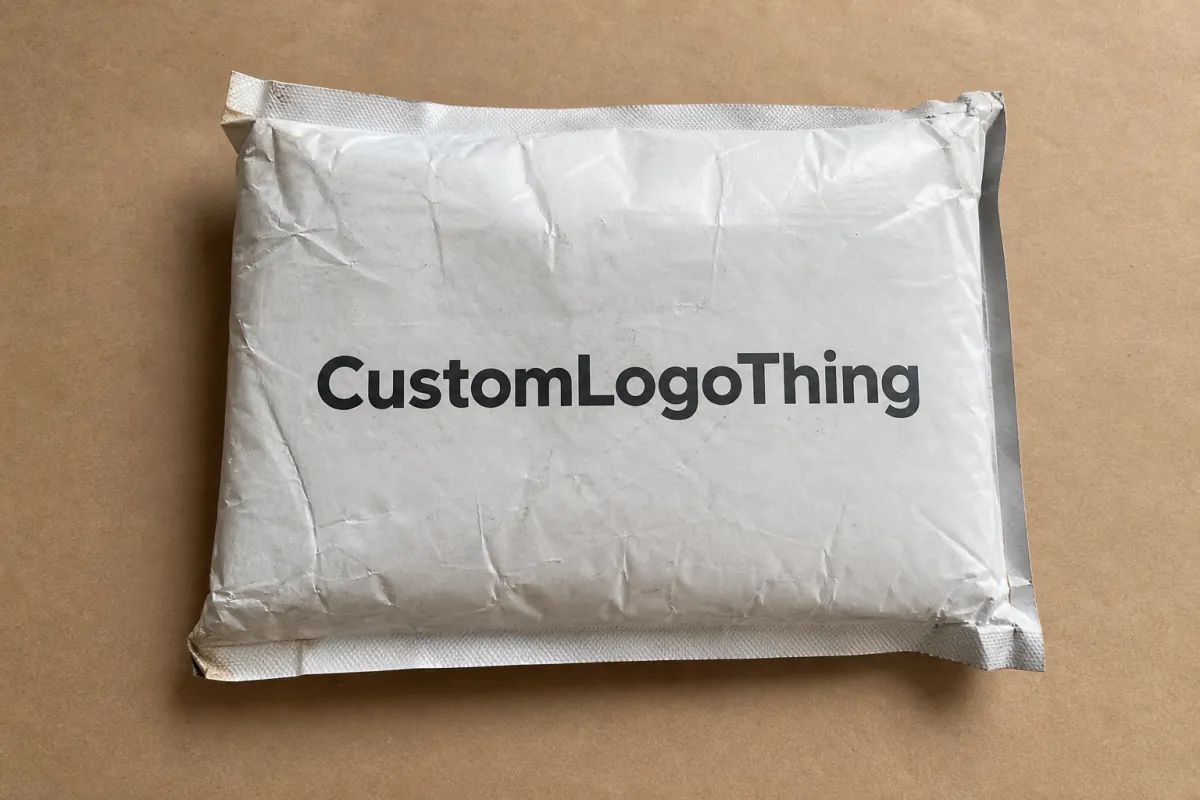
Sample kits look easy on a design comp. Transit does not care. A flat mailer can seem fine until it gets stacked under other parcels, hits a conveyor turn, drops into a tote, and gets squeezed at the corners near final delivery. That is when weak spots show up. The face creases. The seal shifts. The print starts to scuff. Suddenly the package looks older than the product inside.
Most brand teams obsess over the contents and give the outer package too little credit. That first impression matters. A bent corner or a rough-looking printed face sends the wrong signal before the kit even opens. Printed Padded Mailers for Sample Kits solve a very practical problem: cushioning, closure security, and a clean print surface in one format that works for lightweight kits, cards, fabric swatches, and promotional inserts.
A mailer also makes sense when a box would be overkill. A padded mailer usually uses less material, cuts down dimensional weight, and fits better into order fulfillment systems built for high-volume parcel flow. For flat or lightly contoured kits, it is often easier to pack, cheaper to ship, and less awkward than a box with empty space rattling around inside. Heavier or more fragile sets still need a harder shell, and it pays to compare that option with Custom Shipping Boxes before the structure gets locked in.
A sample kit mailer should not just survive transit. It should arrive looking like someone expected the rough handling and planned for it.
From a packaging buyer's point of view, the goal stays simple: protect the sample, keep the presentation tight, and avoid paying for packaging that does nothing useful. Those goals start fighting each other when the structure is underspecified. Too light, and the kit gets beat up. Too heavy, and freight climbs. Too loose, and the contents slide. Too tight, and the seams carry the stress. Good mailers sit in the middle and do the boring work well.
There is also a brand signal hidden in the structure. A mailer that opens cleanly, prints crisply, and holds its shape reads as deliberate. A mailer that bows, wrinkles, or rubs bare spots into the design reads as cheap. Customers may not explain it that way, but they notice.
How Printed Padded Mailers Work in Transit
A printed padded mailer usually has three jobs split across three parts: the outer face, the cushioning layer, and the sealed edges that keep the package together when it gets flexed, stacked, or squeezed. The face stock or film handles graphics and abrasion resistance. The cushioning layer absorbs minor impacts and softens compression. The edges and closure zone keep the contents from forcing their way out under normal parcel abuse.
The outer surface matters more than many teams expect. Ink coverage, coating choice, and fold lines all change how the package looks after sorting. A heavy flood of ink can look rich on press and still show rub marks if the finish is too soft. Matte can look premium, but it needs a coating that resists scuffing. Gloss can hide some abrasion, yet it can also make dents and pressure marks more obvious if the board or film underneath is flimsy. No magic trick here. Just tradeoffs.
For paper-based printed padded mailers, one common build starts with a 350gsm C1S artboard outer face paired with an inner pad made from 80-120gsm recycled paper or a thin kraft bubble layer. Film-based versions might use 60-70 micron PE film with an internal bubble or paper cushion. A 25mm peel-and-seal strip is common, and a good one should close with firm, even pressure instead of a weak tack that lifts in the trailer.
What these mailers handle well is moderate compression, surface scratching, and the low-level shocks that come with parcel flow. What they do not fix is sharp corners, glass pieces, loose metal parts, or moisture exposure. If the sample kit includes a fragile bottle or anything with edges that can puncture, the internal packaging may need a divider, wrap, or rigid insert. The mailer is one part of the system. Not the whole system. Packaging rarely gets to be simple just because everyone wishes it would.
Size also matters. A well-sized padded mailer keeps the contents from migrating, which cuts down dents and scuffs. Too much room lets things slide. Too little room pushes pressure onto the seams and closure. For lighter kits, that balance can decide whether the package lands looking polished or flattened at the edges. For a flat sample card set, a snug 6 x 9 inch or 7 x 10 inch format may be enough. For a multi-piece beauty kit with a folded insert and a vial, a larger 9 x 12 inch mailer with a reinforced seam usually behaves better.
For brands that care about sustainability claims, material sourcing deserves real attention instead of a quick checkbox. Ask for documentation if recycled content, responsible fiber sourcing, or chain-of-custody claims are part of the program. Check whether the structure matches FSC or other recognized standards. The Forest Stewardship Council is a useful reference point when fiber-based materials are involved, and the International Safe Transit Association is a solid place to start when testing and transit performance need to be defined. If a supplier says a mailer is recycled or certified, ask for the paperwork. Claims are cheap. Proof is better.
Printed Padded Mailers for Sample Kits Shipping Durability Checklist
The durability checklist needs to be easy enough to use during procurement and specific enough to catch the real failure points. A mailer can look polished in a sample drawer and still fall apart in the first transit run. Thickness alone does not save it. Neither does a nice print. A useful printed Padded Mailers for Sample kits shipping durability checklist covers the material stack, edge behavior, closure, fit, and the way the package performs once it is actually loaded.
- Material thickness: Confirm that the outer face and cushioning layer match the route and weight, not just the visual design.
- Outer stock: For paper mailers, ask for 350gsm C1S artboard or a comparable board weight if the kit needs a sharper printed face.
- Padding consistency: Check whether the cushioning stays even across the panel or thins out at folds and edges.
- Edge strength: Inspect seams and corners for split risk after compression, especially around the bottom fold and flap edges.
- Closure security: Verify that adhesive, peel-and-seal strips, or flap sealing stays closed under normal handling.
- Seal width: A 15-25mm adhesive zone is common; anything narrower deserves extra testing before approval.
- Print adhesion: Rub-test the graphics lightly and see whether the finish scuffs or cracks at folds.
- Loaded shape: Pack the real kit and see whether the mailer still closes without bulging or bowing.
Contents matter just as much as structure. A flat card sample is a different problem from a jar, a swatch bundle, or a multi-piece presentation kit with literature and inserts. A sample bottle may need room so the seam area does not take the stress. A swatch kit may need a tighter fit so pieces do not slide around and polish the inside of the mailer. If the kit has several components, test them together as one assembly. Testing parts in isolation looks tidy. It also misses the point.
Environmental conditions are easy to ignore during sourcing, then very hard to ignore after a bad delivery. Humidity can soften some materials or change adhesive performance. Temperature swings can alter how a seal feels in the warehouse versus how it behaves in a carrier trailer. Stacking can flatten soft mailers before they even leave the building. Conveyor turns and sortation drops create repeated flex, and weak seams usually fail there first.
Size tolerance deserves its own line item. A mailer that is too tight can burst at the seam or distort the print panel. One that is too loose lets the contents ride up and rub the inside, which creates cosmetic damage even if the package stays closed. A good test should answer three questions: does the contents move, do the creases fail, and does the closure stay intact after a transit simulation or trial shipment?
For planning, it helps to match mailer style to the kind of sample kit being shipped. A paper padded mailer with a 350gsm outer face usually works for flat swatch sets, literature packs, and lightweight promos around 4-12 oz total shipped weight. A more heavily padded version is better for mixed kits with a bottle, card deck, and insert stack that lands closer to 12-20 oz. Above that, many teams start looking at a rigid mailer or box because the risk curve changes fast.
| Mailer Option | Typical Use | Protection Level | Approx. Unit Range | Notes |
|---|---|---|---|---|
| Light padded mailer | Flat cards, swatches, lightweight inserts | Low to moderate | $0.15-$0.24 | Often priced around 5,000 pieces, depending on size and print coverage; best for compact kits with little internal movement |
| Printed padded mailer with stronger closure | Standard sample kits, small promo packs | Moderate | $0.24-$0.42 | Usually the sweet spot for branding and transit handling; a 1-2 color print with a 25mm peel-and-seal strip fits many programs |
| Heavy-duty padded mailer | Heavier kits, multi-piece samples, higher-touch presentation | Moderate to high | $0.42-$0.78 | Higher cost, but better if the route is rough, the kit is dense, or the contents need a stiffer edge |
| Rigid mailer or box alternative | Fragile or premium kits with hard components | High | $0.70-$1.50+ | May raise dimensional weight, but can reduce damage risk and improve presentation for fragile sets |
Those ranges are a planning guide, not a quote. Quantity, print coverage, material choice, and seal style move the number quickly. A 5,000-piece run with simple one-color print can land near the low end. Add full-bleed artwork, metallic ink, a custom insert pocket, or heavier padding and the price moves up. The table helps because it forces the buyer to compare structure against the real job instead of choosing by habit. For many sample programs, the winning option is not the lightest one or the strongest one. It is the one that delivers the lowest cost per successful delivery.
Step-by-Step Guide to Specifying a Sample Kit Mailer
The fastest way to spec the wrong mailer is to size it from a product sheet instead of from the finished package. Measure the fully packed kit, not just the largest item. That includes inserts, cards, pouches, wraps, closure space, and any thickness added when the contents are stacked inside. That number is the real shipping footprint, and it controls fit and freight.
- Measure the completed kit. Capture finished dimensions after all inserts and presentation pieces are in place.
- Set the protection target. Decide whether the mailer needs light abrasion control, moderate compression resistance, or more demanding package protection.
- Define the print goals. Decide where the logo sits, how much of the surface gets printed, and whether the design stays clean around fold and seal areas.
- Request a spec sheet or sample. Confirm closure feel, internal padding, and final dimensions before production.
- Test with the actual contents. Run a short transit check using the real finished kit, then revise the spec if movement, bulging, or cosmetic damage shows up.
That sequence sounds obvious because it is. Still, it prevents the classic mistake of treating the mailer like a decorative sleeve instead of a working piece of packaging. It also gives the supplier enough detail to quote accurately. If the packaging team is still weighing formats, it can help to review a broader range of shipping materials, including Custom Poly Mailers, because some kits do better with film-based mailers while others need more structure.
For buyers managing order fulfillment, the mailer also has to fit the packing line. A format that looks elegant but slows packing by ten seconds per unit gets expensive fast at volume. The opposite problem is worse. A mailer that packs quickly but fails in transit creates more cost later. The spec should work for the packer and the customer.
One practical rule: test the kit under real closure pressure. A sample mailer can look fine when left half-open or packed lightly, but the stress pattern changes once the adhesive strip is fully engaged and the contents are compressed to final thickness. That is when seam strain, panel bowing, and closure behavior show up. For a tight kit, build the spec around the assembled load, not the loose components.
A useful starting spec for paper-based sample kit mailers is simple: 350gsm C1S artboard outer face, recycled paper or thin bubble cushioning on the inside, a peel-and-seal closure with at least 20mm adhesive width, and print kept clear of the fold and flap edge. That combination will not solve every transit problem, but it gives procurement a sane baseline instead of guesswork.
Process and Timeline: From Artwork to Production Run
A clean production run starts with a clean quote request. The supplier needs finished dimensions, quantity, print goals, contents description, and any special requirements such as moisture resistance, tamper evidence, or a specific sealing preference. After that, the path usually runs through quote review, artwork prep, proof approval, material confirmation, sampling, production, packing, and freight or fulfillment handoff.
Lead time shifts whenever part of that chain stays open. If artwork is not final, dimensions are still changing, or the kit calls for specialty finishes, the calendar stretches. Multi-color print, tight color matching, and nonstandard sizing usually add more back-and-forth than teams expect. First-time orders take longer than repeat runs because the buyer and supplier are still deciding the final structure together.
Delays tend to show up in the same places: a dieline gets approved late, copy changes land after proofing, a color correction needs another round, or the team wants a physical sample reviewed by too many people before release. None of that is unusual. It still costs days. Plan extra time when the sample kit launch ties to a product release, event mailing, or sales campaign with a fixed ship date.
A typical custom job may move from approved artwork to production in about 12-15 business days from proof approval for a straightforward run. Complex print coverage, unusual sizes, foil, spot varnish, or a nested insert can push that into the 15-20 business day range. If a physical sample is needed first, add time for the build, transit, review, and revision cycle. That is fine when planning starts early. It turns into a headache when the packaging brief arrives after the marketing calendar is already carved in stone.
One more practical point: if the kit is going straight into ecommerce shipping instead of manual boutique fulfillment, check whether the package needs automation-friendly details. Small changes in seal style or opening direction can affect pack speed and cartonization. Teams that think about the line early usually avoid rework later. A mailer that opens on the wrong edge can add a few seconds per unit, and that turns into real labor cost fast.
If the order includes a deadline-sensitive launch, work backward from the ship date and leave time for one reprint if something minor changes. That is not pessimism. That is how packaging projects stop becoming emergency projects.
Cost, Pricing, MOQ, and Quote Factors
Cost is where sample kit projects get oversimplified. A buyer sees one unit price and assumes the cheapest mailer wins. It rarely works that way. The real price drivers are size, material weight, padding construction, print complexity, color count, sealing style, and total volume ordered. A larger printed area raises ink and setup cost. A heavier material raises unit cost and freight. A specialty closure or custom fit can add tooling or sampling work.
MOQ matters because setup cost has to be spread across the run. On a small order, the setup burden shows up hard in the unit price. On a larger order, that same cost gets distributed more efficiently, so the per-piece number usually improves. That is one reason procurement teams sometimes bundle a sample kit run with a broader packaging order if the schedule allows it.
For reference, a 5,000-piece run of printed padded mailers with modest coverage often lands about $0.15-$0.24 per unit for simpler paper constructions, then climbs into the $0.24-$0.42 range with more print coverage, a reinforced seal, or a heavier inner pad. Smaller quantities can run notably higher per piece. A 1,000-piece order with the same structure might cost 30-60 percent more per unit because setup is spread across fewer mailers. That is normal, not a surprise, and definitely not a reason to panic at the first quote.
When quotes get compared, check what is included. Some pricing covers artwork support, proofing, and sample production. Other pricing only covers the mailer itself, with freight and special packing billed separately. If the kit needs custom collation or odd packing steps, that should appear in the quote from the start. A low number that leaves out key services is not a real comparison. It is a trap with nicer typography.
Durability has a cost side too. A cheaper mailer can become the expensive option if it raises replacement rates, customer complaints, or resend costs. That is why cost per successful delivery tells a better story than raw piece price. The best value is not always the lowest line item. It is the one that keeps the sample intact, the presentation sharp, and the service team from doing avoidable cleanup.
The comparison below is a practical way to frame the decision before ordering, especially if the team is choosing between a padded mailer, a heavier structure, or a box-based alternative:
| Buying Question | Padded Mailer | Poly Mailer | Shipping Box |
|---|---|---|---|
| Best for | Flat or lightly contoured sample kits | Very light items with minimal protection needs | Fragile or stacked kits with more internal movement |
| Brand presentation | Strong if print is well planned | Good for clean graphic coverage | Best for a premium unboxing experience |
| Dimensional weight impact | Usually moderate | Often lower | Often higher |
| Damage resistance | Moderate | Low to moderate | High |
| Typical buyer priority | Balance of cost, speed, and presentation | Lowest weight and simple handling | Maximum protection and structure |
That table is not a rulebook. It is a filter. If the kit is flat and the main risk is scuffing, a printed padded mailer may be the best fit. If the contents are slippery and lightweight, a film mailer may be enough. If the contents are fragile or the presentation is more complex, a box may be worth the extra dimensional weight. Buyers usually save more by choosing the right structure first than by forcing a fragile kit into a package that was never meant for it.
Common Mistakes and Expert Tips for Sample Kits
The most common mistake is choosing appearance first and durability second. A mailer can look great in a flat proof and then fail once it gets packed full and shoved through a real parcel network. That gets worse when the artwork covers high-stress zones or hides seam lines that later turn into weak points. Strong packaging design respects the physical behavior of the structure, not just the marketing goal.
Another mistake is testing an empty mailer and calling it finished. Empty tests help with print, closure feel, and general construction, but they hide the stress points that show up only after the actual kit goes in. The real test is the finished load. That is when bulging, internal shift, and seam pressure appear. If the packed mailer looks fine empty and fails full, the test was incomplete. Convenient, but still incomplete.
Artwork placement causes trouble too. Fold lines, seal zones, and corners take the most abuse in transit. If the most detailed graphics sit exactly where the package bends, the finish can look worn quickly. A cleaner layout near stress zones helps the mailer stay sharp longer. Put the strongest visual treatment on panels that stay flatter after packing and shipping.
Here are a few habits that usually pay off:
- Keep the design calm near fold and seal areas. Let the graphics breathe where the structure needs flexibility.
- Request a pilot batch. A small run is the fastest way to see how the package behaves in the field.
- Inspect first shipments closely. Check for scuffing, corner crush, and closure issues before scaling.
- Use carrier routes that reflect the real job. A local hand delivery does not tell you much about parcel abuse.
- Track customer feedback. People notice when a sample kit arrives dented, open, or visually tired.
There is also a material-side lesson that gets missed a lot: more cushioning is not automatically better if it pushes the project into a higher shipping tier or slows packing. A careful buyer looks at the whole system, including order fulfillment speed, freight cost, and likely replacement rate. Some programs do better with a compact padded mailer and a tight internal insert. Others need a rigid structure from day one. The package has to match the kit, not the mood board.
Testing should use methods that resemble the route, not wishful thinking. Packaging teams often borrow standards and protocols from groups such as ISTA and ASTM to build a more repeatable view of transit stress, even when the test plan is simplified for a specific job. The point is not to bury the team in jargon. The point is to make the package prove itself under realistic conditions.
For brands that want a broader packaging strategy, the sample kit mailer should fit the rest of the shipping system. That means thinking about inserts, literature, outer cartons, and fulfillment method together instead of treating them as separate purchases. A mailer that works beautifully on its own can still fail as part of a larger kit if the contents are packed in the wrong sequence or if the product mix is unstable inside the envelope.
One useful habit: keep a short failure log. Note the carrier, the route, the damage type, and whether the problem came from crush, scuffing, opening, or movement. Three or four bad cases usually reveal a pattern faster than another round of opinions in a meeting.
Next Steps: Build a Pilot Before You Scale Up
The easiest way to move from concept to a dependable spec is to build one finished sample kit exactly the way the customer will receive it. Include every insert, the final closure method, and the exact contents you plan to ship. Measure the finished dimensions and total weight, then write them down. That sounds basic because it is. Those numbers anchor the package choice and stop the guessing.
From there, Request a Quote, a proof, and a small pilot run. Send the pilot to a few different addresses if possible, because route length, climate, and carrier handling can change the result. A package that survives a short local route may behave differently in a longer national shipment. If the sample program supports a launch, that extra check is cheap insurance.
As the pilot lands, track three things carefully: damage, presentation quality, and customer response. Damage is obvious. Presentation quality is the quieter signal, because a package can be technically intact and still look worn. Customer response tells you whether the mailer feels polished, cheap, secure, or overbuilt. Those reactions matter, especially when the sample kit is part of a brand-building program.
If the test results show scuffing or movement, adjust the size or padding before scaling. If the closure feels weak, change the seal design. If the print holds up but the package is too large for the contents, tighten the dimensions and rethink the insert layout. Small fit changes often deliver the biggest performance gain.
The practical takeaway is simple: pack the finished kit, not the fantasy version, and approve the mailer only after it survives a real route with the contents closed, compressed, and labeled exactly as it will ship. That is the point where Printed Padded Mailers for Sample kits stop being a design idea and start being a shipping system.
What size printed padded mailers for sample kits should I choose?
Measure the fully packed kit, not just the largest component, because inserts, closure space, and internal wraps can change the finished size more than expected. Leave enough room for the contents to sit flat without forcing the seams open or letting the kit rattle inside. If you are stuck between sizes, ask for the closest sample and test it with the real product load before approving production. For many flat sample sets, 6 x 9 inches or 7 x 10 inches works. For mixed kits with multiple pieces, 9 x 12 inches is often the safer starting point.
How do I test printed padded mailers for sample kits shipping durability?
Run the exact finished kit through a short transit test using real carriers or a controlled drop-and-compression check. Inspect for seam stress, closure failure, edge crush, scuffing, and movement inside the mailer after delivery. Test more than one destination if possible, since distance, sorting volume, and climate all affect the outcome. A simple field test with 10-20 pilot units often catches the problems that a flat sample cannot.
What affects the price of printed padded mailers for sample kits?
Size, material weight, padding type, print coverage, and the number of colors are the main drivers of unit cost. MOQ changes pricing because setup costs are spread across fewer units when the order is small. Freight, proofing, and special packing requirements also change the final landed cost. As a practical benchmark, a 5,000-piece run with simple print and standard construction can land near $0.15-$0.24 per unit, while heavier print coverage or reinforced construction pushes the number higher.
How long does production usually take for custom sample kit mailers?
Timing depends on artwork readiness, proof approval, material availability, and whether the order needs a sample first. Straightforward custom runs often take 12-15 business days from proof approval, while more complex jobs can stretch to 15-20 business days or more. First-time jobs usually take longer because the size, print layout, and durability spec may need a review cycle. Build in extra time if multiple stakeholders need to approve the design or if the kit has a fixed launch date.
What should I send when requesting a quote for printed padded mailers for sample kits?
Send the finished kit dimensions, total weight, contents list, print goals, and estimated quantity. Include special needs such as moisture resistance, tamper evidence, or a preferred closure style. If possible, share a photo or sample of the packed kit so the supplier can recommend the right structure faster. For the cleanest quote, also mention whether you want paper-based construction, film-based construction, or a hybrid with a padded inner layer.


