If you are comparing bucket hats Unit Cost Breakdown for sports team sourcing, the cheapest-looking sample is rarely the cheapest finished order. A plain hat, a stitched logo, and a fully custom build can all look close at first glance, but the labor, setup charges, and pack-out details can change the delivered cost more than buyers expect.
From a packaging and apparel buyer’s point of view, the real job is not to find the lowest line item. It is to match the hat to the roster, the deadline, and the way the team will hand them out. That means looking at fabric weight, decoration method, MOQ, and freight as one total buying decision instead of separate line items.
Why bucket hats can look simple but price out differently
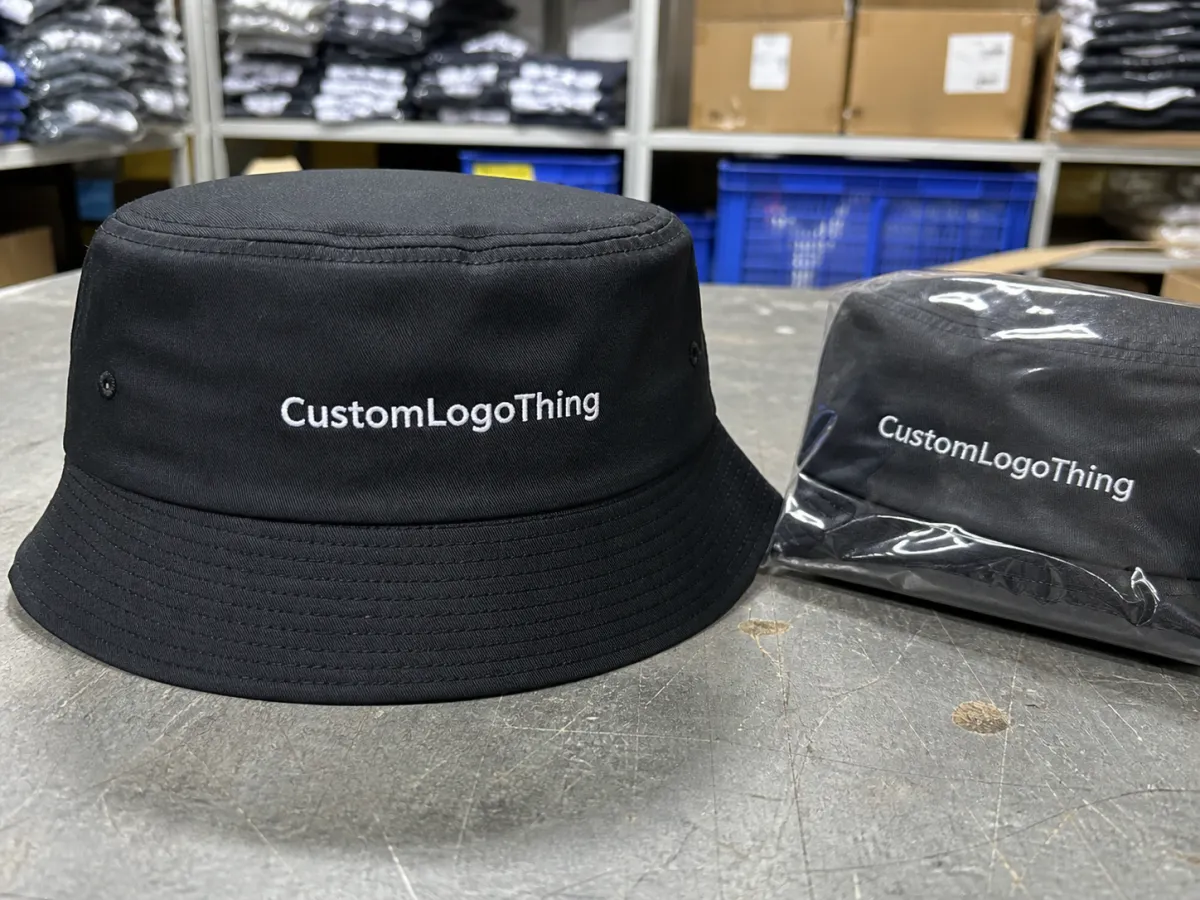
Bucket hats fool a lot of first-time buyers because the silhouette is relaxed and unstructured, yet the construction can involve more seams, more edge finishing, and more decoration constraints than a flat panel cap. A standard cap usually gives you a front panel for a logo and a familiar bill shape. A bucket hat brings all-around stitching, a softer crown, and a brim that needs to hold shape without turning stiff or awkward. That extra sewing time shows up in the unit cost.
For sports teams, the buying scenario is usually straightforward on paper. The coach, team manager, booster club, or event planner wants a visible logo, matching colors, and a deadline tied to a tournament, camp, or staff event. In that setting, the question is not just, “What does the hat cost?” It is, “What is the delivered cost per wearable hat, and will it hold up through travel, sweat, and repeat use?”
Honestly, the better-built hat often wins on value. Tighter stitching, a clean sweatband, and a fabric that does not collapse after one wash can reduce rejects and keep reorders consistent across a changing roster. A lower quote with loose specs can become expensive if the team ends up replacing weak pieces or reworking the decoration. That is why buyers should compare like-for-like construction, not just the headline price.
- Cheapest-looking is not always cheapest delivered.
- More seams usually means more sewing time.
- Better consistency lowers the risk on reorders.
Bucket hat styles, materials, and build choices that affect fit
The first major cost driver is the build itself. Soft cotton twill is still one of the most common options because it feels familiar, takes embroidery well, and wears naturally on the sidelines or during outdoor events. Brushed twill has a slightly softer hand and a more premium appearance, while ripstop can be a smart choice for teams that expect hard use and want a lighter, more technical look. Nylon and polyester blends are useful when packability and quick drying matter more than a classic cotton feel.
For team sourcing, the style should match the use case. Sideline staff hats need to be comfortable for long wear, youth camp giveaways should be breathable, and travel kits benefit from fabrics that can be folded into a bag without looking crushed. Reversible bucket hats can make sense for certain promotions, but they add sewing steps and a second decoration zone, so they rarely sit at the low end of the price range.
Fit matters more than fashion in this category. Standard adult sizing around 58-60 cm covers most teams, youth sizing usually sits closer to 54-56 cm, and adjustable or elasticized versions help keep inventory simpler when you are handling mixed ages or volunteer staff. Panel count also changes the feel. A 4-panel build can be simpler, while a 6- or 8-panel pattern may fit better around the head but can add labor. Brim width and crown depth change sun coverage, profile, and sewing time, so those details should be confirmed before anyone quotes a bulk pricing number.
For buyers who need a broad view, the best habit is to define the hat as a working garment first and a style item second. If the team is wearing it for summer travel, turf events, or outdoor fundraising, breathability and stable fit usually matter more than a fashion-forward shape.
Construction specs teams should confirm before requesting quotes
A clean quote starts with a clean spec. If the buyer leaves out fabric weight, crown height, brim stitching, or closure style, the factory has to assume the missing pieces, and assumptions almost always distort the final unit cost. For team sourcing, that can create a bad comparison between vendors because one quote is based on a lighter fabric, another uses a denser twill, and a third quietly includes more labor in the seams.
Here are the details worth locking down before quotes go out:
- Fabric weight: for example, 240-320 gsm cotton twill or a comparable poly blend.
- Brim build: stitched rows, edge binding, or a softer raw look.
- Sweatband: cotton, polyester, or self-fabric, depending on comfort and budget.
- Lining: unlined is cheaper; lined feels cleaner and can sit better in the head.
- Closure: fitted, adjustable cord, elastic, or no adjustment at all.
- Decoration field: front, side, patch area, or all-over artwork.
Decoration-friendly specs matter just as much. A logo that fits in a 2.5-inch embroidery field is easier to run than a broad crest that needs a patch or panel placement. Fine text, small badge details, and thin outlines are where direct stitching can lose clarity, so the quote should reflect whether the artwork will be embroidered, woven, printed, or applied as a patch. If the art is color sensitive, ask for Pantone matching or the closest practical thread match rather than a vague “close enough” description.
Proofing also deserves attention. A digital mockup is useful, but a sample or stitch-out is better when the design has small lettering or multiple thread colors. If the order includes special labels, size stickers, or team-level sorting, those packaging choices should be included early because they affect handling time and the total landed cost. For broader shipping discipline, some teams also use carton handling and test references from ISTA to think through transit risk before release.
The cleanest quote is the one with the fewest assumptions.
Decoration choices that change the finished unit cost
Decoration is where bucket hats can move from simple apparel to a more involved production job. Small embroidery on the front-left or centered front panel is usually the most efficient option for team orders because the setup is familiar and the stitching area is manageable. Woven patches can look sharper for fine lettering and multi-color crests, while printed patches work well when the design has gradients or tiny details that embroidery would blur. Sublimation is more specialized and generally fits all-over graphics or synthetic constructions better than classic cotton twill.
The key is not just appearance. It is repeatability. A logo that looks good once still has to look the same across 50, 200, or 1,000 pieces. Direct embroidery is efficient for many team programs, but once the artwork gets too detailed or the placement wraps around a curved surface, a patch can become the smarter choice. That is especially true for small crests, sponsor marks, or team names with thin strokes. A well-made patch can preserve edge clarity where stitches would crowd together.
Setup charges matter here too. Embroidery usually needs digitizing, which is a one-time setup fee that converts art into a stitch file. Woven patches or badges may carry tooling fees if there is a custom mold, backing, or special finish involved. Those costs should be separated from the per-piece rate so the buyer can see whether the quote is being driven by production labor or by one-time prep work. For some orders, the setup is almost negligible; for low MOQ projects, it can dominate the first run.
| Option | Typical MOQ | Setup / tooling | Estimated cost per piece | Best fit |
|---|---|---|---|---|
| Plain stock bucket hat | 100-200 | $0-$25 | $3.80-$5.80 | Fast giveaways, simple staff use |
| Single-location embroidery | 100-300 | $25-$75 digitizing | $5.20-$8.10 | Most team branding needs |
| Woven patch or appliqué | 200-500 | $50-$150 tooling | $5.80-$8.90 | Fine detail, crisp logos |
| Fully custom build | 500+ | $100-$300+ tooling | $7.50-$12.50 | Special colors, custom panels, premium look |
That table is not a promise, but it is a realistic starting point for comparing bulk pricing. The same visual style can land in a different range if the fabric changes from cotton to nylon, if the logo moves from one location to two, or if the buyer asks for premium finishing. A quieter logo placement is often the best tradeoff between presentation and cost per piece.
Bucket hats unit cost breakdown for sports team sourcing
Now to the part most buyers really need: the bucket hats Unit Cost Breakdown for sports team sourcing. A serious quote should separate the base hat construction, decoration method, setup charges, sample approval, packaging, carton handling, and freight. If all of that is buried in one number, it becomes hard to tell whether one supplier is actually cheaper or just less transparent.
A practical way to read the quote is to start with the base hat, then add the labor and handling on top. For example, a plain cotton twill bucket hat might sit in the low single digits before decoration. Add a single-color embroidery, and the price rises because of digitizing, machine time, and thread use. Swap that embroidery for a woven patch, and the setup structure changes again because the patch has its own run, backing, and application labor. A fully custom build, especially one with special colors or panel layout, will usually move into a higher band because the sewing and material prep are no longer standard stock work.
MOQ changes the unit cost just as much as decoration does. A 100-piece order spreads the same digitizing, proofing, and admin time across fewer hats, so the cost per piece is naturally higher. At 500 pieces, the same preparation cost gets diluted, and bulk pricing starts to look more attractive. That is why two quotes can appear far apart even when the fabric looks nearly identical. The buyer should always compare the exact quantity, artwork, and delivery terms before judging value.
Urgency also pushes the total upward. Rush orders can mean overtime, schedule reshuffling, or expedited freight. Special labeling, split size runs, and team-level pack-out can add handling time even when the product itself is unchanged. If a coach wants youth and adult sizes mixed in one carton, or if a booster club wants each bag marked by roster group, those details need to be counted before approval.
For a rough working model, many team buyers find the total landed cost easier to think through in three layers:
- Product cost: the hat itself, including fabric and construction.
- Decoration cost: embroidery, patch application, print, or custom trim.
- Delivery cost: sample, packaging, freight, and any split handling.
That structure keeps the discussion grounded. It also helps identify where savings are real and where they are only cosmetic. A lower base price can disappear quickly if freight is high or if the quote leaves out packaging work that the team still needs.
Production steps and turnaround from artwork approval to ship date
Once the order is approved, the work usually moves in a predictable sequence. First comes the request review, where the supplier checks quantity, decoration method, color, and delivery deadline. Next comes artwork review and mockup preparation. If the logo needs digitizing, that step happens before any real production starts. Some orders need a physical sample or a stitch-out, especially when the art has fine text or a special placement. After approval, bulk production begins, then inspection, packing, and dispatch.
Simple embroidered orders typically move faster than fully custom builds because the sewing program is straightforward and the materials are more standard. A low-complexity team order might move through production in roughly 10-15 business days after proof approval, while more complicated patch or custom-panel work can take longer. If a sample must be approved first, add time for that back-and-forth. The biggest delay usually comes from changes after proofing, not from the sewing itself.
That is why deadline-sensitive sports programs should submit the artwork, quantity, size mix, and delivery destination together. If the buyer sends the logo first and the colorway later, or changes the decoration method after the proof, the order can slip a full production slot. The fastest path is a clean first round with all the essentials in place, especially when the hats need to arrive before a tournament, camp, or season launch.
For buyers who care about responsible sourcing, packaging materials can be selected to align with paper certification standards such as FSC, especially when carton labels, inserts, or retail-style tags are part of the order. That may not change the hat itself, but it can matter to clubs and schools that want a cleaner sourcing story.
Quality checks, pack-out options, and what makes reorders easier
Quality control on bucket hats should not be treated as a final glance in the box. It should cover stitch consistency, logo placement, color matching, seam integrity, brim shape, and carton count. If the hat is embroidered, the buyer should confirm that the design sits straight on the panel and that thread tension has not distorted the fabric. If the order uses patches, the edges should be secure and the application should not pucker the crown. Those checks save time later, especially on larger team orders.
Pack-out options matter more than many buyers expect. A coach or team manager does not always want a mixed carton of loose hats. Individual polybags, size stickers, and team-group sorting can make handout day much easier, and they also protect the hats in transit. For orders going to schools, clubs, or tournament sites, carton labels with quantity, size mix, and color code reduce the chance of a distribution mistake. That is not flashy, but it is practical.
Repeat orders are easier when the first one is documented well. If the hat model, fabric shade, logo size, placement, and packing method are all recorded, the next season’s reorder can match more closely. That repeatability is valuable because teams change rosters, sponsors, and staff, but they still want the same look. A supplier who can hold those specs steady is often worth more than a supplier with a slightly lower first quote.
In practice, this is where confidence comes from: clear communication, stable construction, and fewer surprises. A good team program should be able to reorder without re-engineering the whole hat. That is how the cost stays predictable.
Next steps: send the details needed for a clean team quote
If you want a useful quote instead of a vague estimate, send the basics in one message: quantity, hat color, size mix, logo file, decoration preference, deadline, and shipping destination. If there is a reference image or a spec sheet, include that too. The more complete the first request, the more accurate the unit cost will be.
It also helps to explain the use case. A tournament staff hat, a youth league giveaway, a booster club fundraiser, and a camp merch item do not need the same construction. The best fabric, fit, and decoration method will shift depending on how often the hat will be worn and how much visual impact the team wants.
Ask for side-by-side pricing on blank, embroidered, and patched versions so you can compare the true landed cost rather than only the base factory number. That comparison often reveals that a slightly higher product cost is offset by lower setup fees, fewer handling charges, or better durability.
Before you approve anything, confirm sampling, freight timing, carton labeling, and the final artwork proof in writing. That is the cleanest way to lock the bucket hats Unit Cost Breakdown for sports team sourcing and avoid last-minute surprises once production starts.
FAQ
What changes bucket hat unit cost the most for sports team orders?
Decoration method usually has the biggest impact, followed by MOQ, fabric choice, and any special pack-out or labeling requirements. Embroidery and patches carry different setup and labor costs, so the same hat can price very differently depending on logo style. Rush timing and shipping method can also change the delivered cost even when the base factory price stays the same.
How low can MOQ be before the unit price rises sharply?
The exact threshold depends on construction and decoration, but small runs almost always carry higher setup cost per hat. If you need a low quantity, keep the design simple and avoid extra customization such as special labels or multiple logo locations. Ask for two quotes, one at your target quantity and one at a slightly higher quantity, to see whether volume pricing improves the total.
Which decoration method is best for team bucket hats?
Small embroidery is often the cleanest and most cost-efficient choice for team branding. Patches work well when the logo has fine detail, multiple colors, or needs a premium look on a curved surface. The best method depends on logo size, lead time, and whether you want a subtle uniform look or a more promotional finish.
How long does production usually take after artwork approval?
Simple orders can move faster than custom builds, but timing depends on proof approval, decoration method, and current production load. If a sample or digitizing step is required, add extra time before bulk production starts. The fastest path is to approve artwork, quantity, and shipping terms in one round so the order does not stall between steps.
What information should I send for an accurate bucket hat quote?
Send quantity, hat color, size mix, logo artwork, decoration preference, delivery deadline, and shipping destination. If possible, include a reference image or spec sheet so the quote matches your target construction and branding. Clear inputs reduce back-and-forth and make the bucket hats Unit Cost Breakdown for sports team sourcing much easier to compare.

