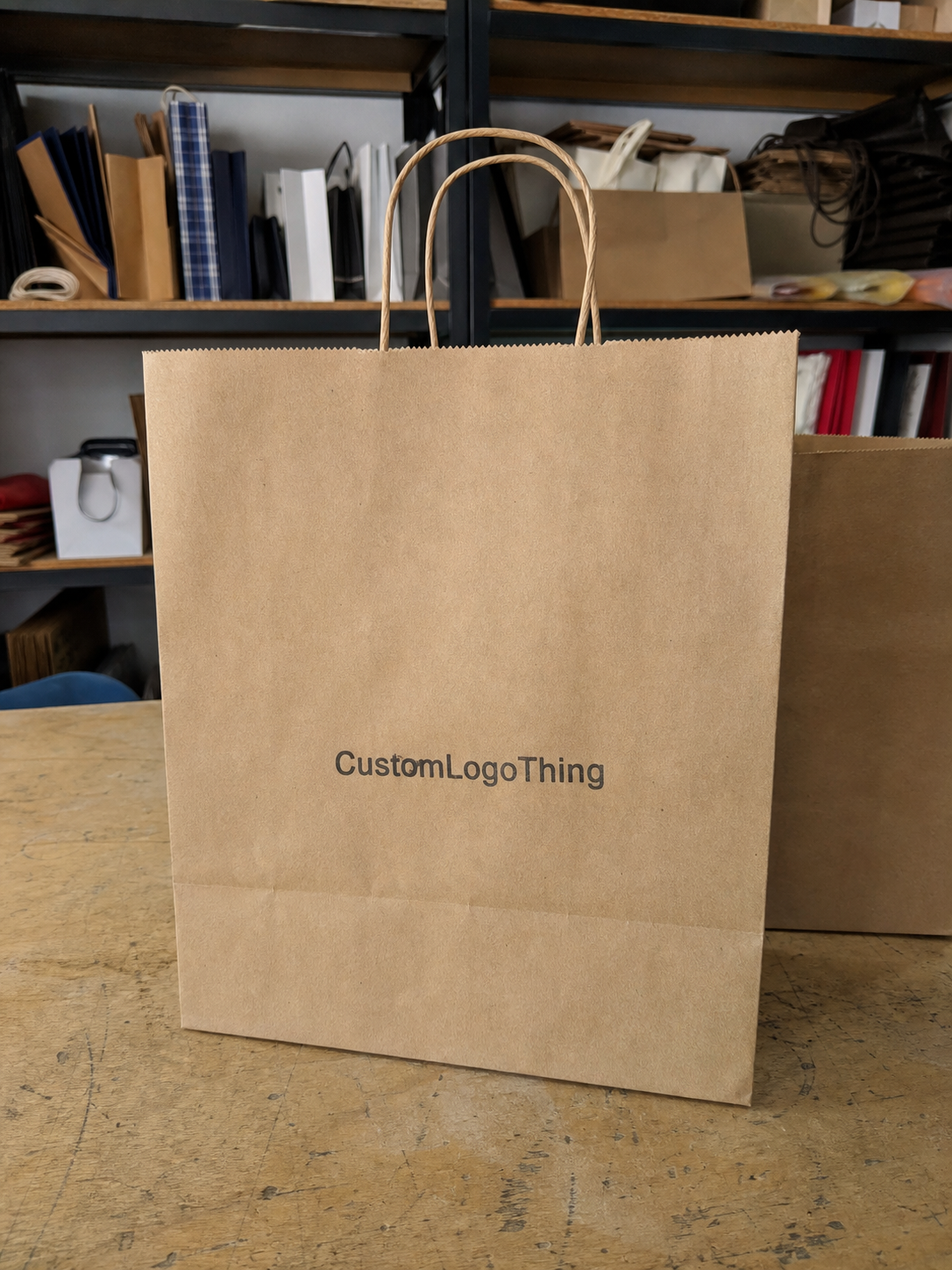
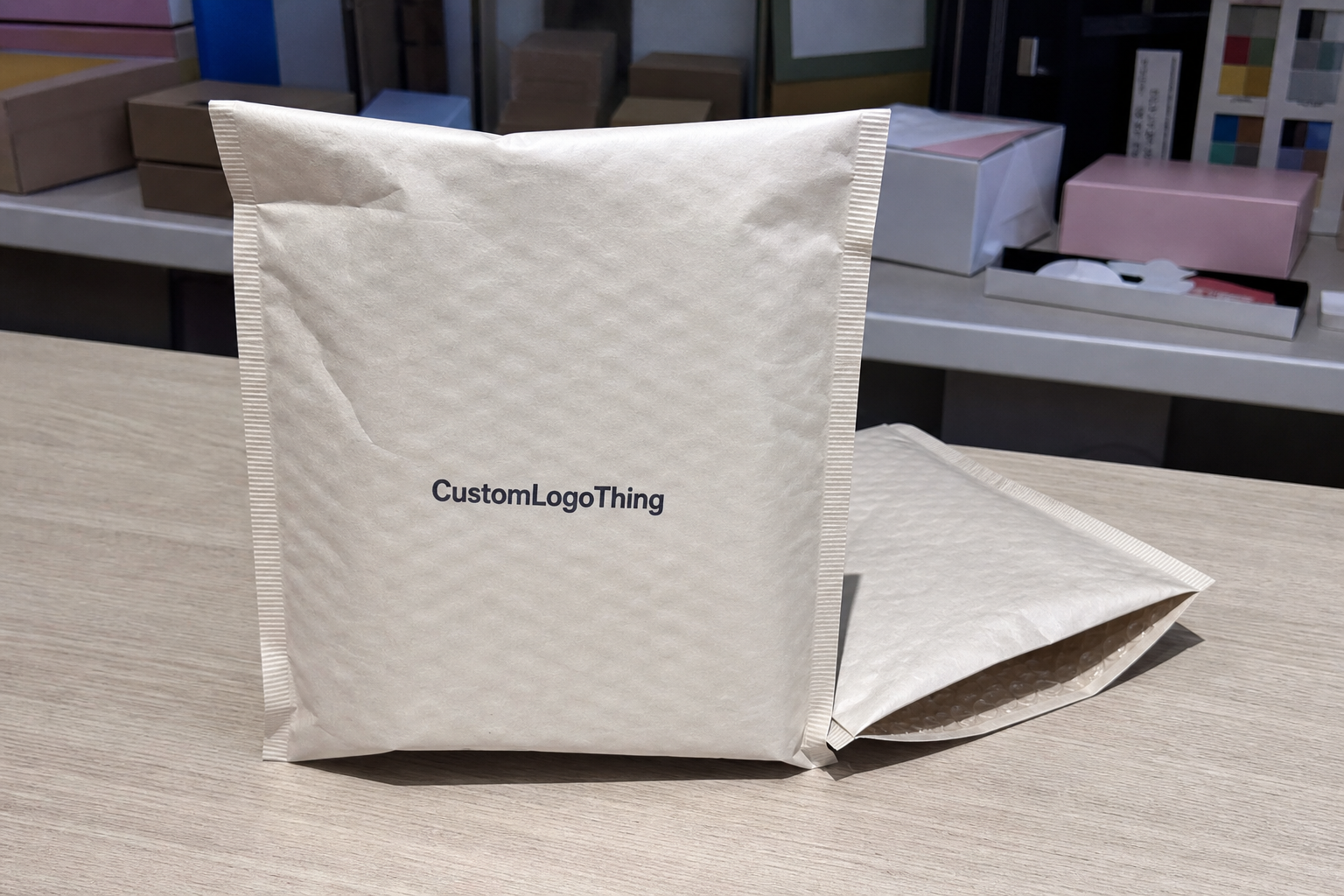
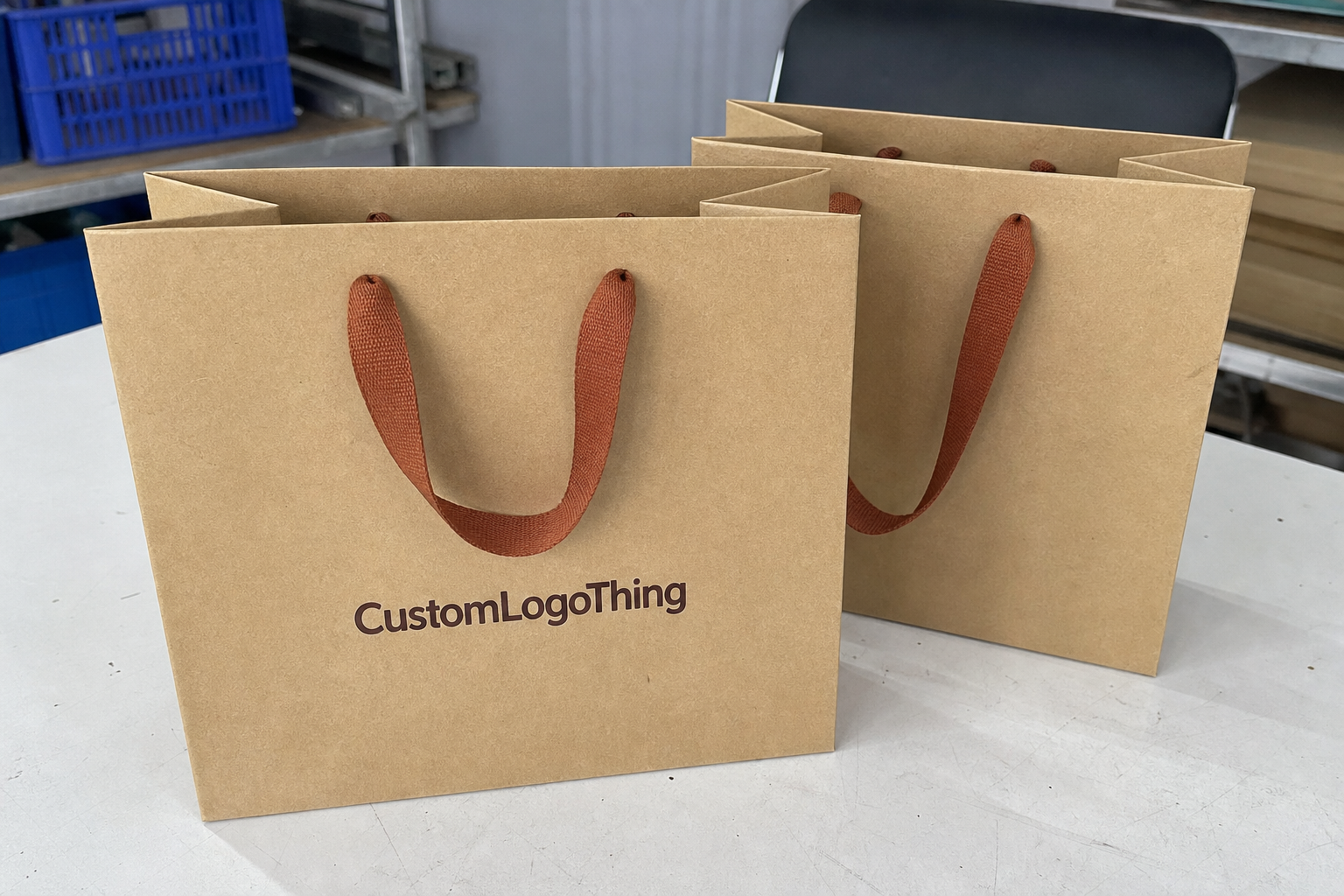
A cap can look straightforward on a shelf and still move the quote by a wide margin once the spec changes. A different closure, a higher stitch count, a thicker front panel, or a retail-ready packout can add more than a buyer expects. That is why a clear retail merch caps Unit Cost Breakdown matters before art approval, sample sign-off, or MOQ commitment.
The useful question is not simply what a cap costs. It is what is included in that number, what is excluded, and what will appear later as setup, sampling, packaging, or freight. Once those pieces are separated, it becomes much easier to compare suppliers on the same basis and avoid a low quote that turns expensive after revisions.
Retail merch caps unit cost breakdown: where the dollars go
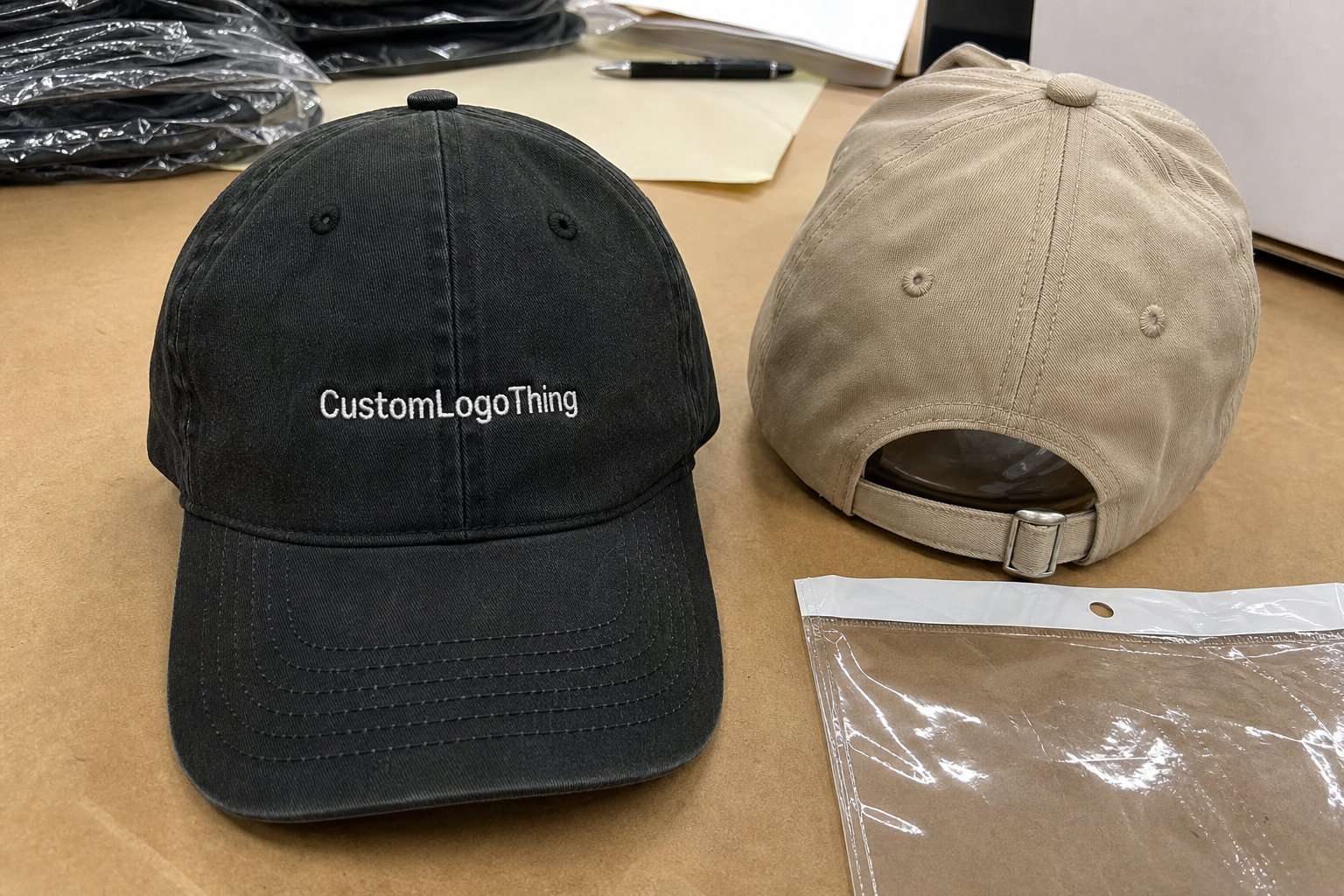
Most cap quotes are built from a few predictable cost buckets: the cap body, decoration labor, setup work, sampling, finishing, inspection, and outbound packing or freight. If one price looks unusually low, the missing amount is often sitting in one of those support items rather than in the fabric itself. A clean quote should make every bucket visible.
The cap body covers the materials and sewing of the blank product. Decoration adds the branding work, whether that is embroidery, a patch, print, or a badge. Setup spreads one-time tasks across the order, including digitizing, screen or mold prep, machine adjustment, and first-piece approval. Sampling and shipping are separate again, and they should be treated that way.
Buyers get tripped up when they compare only the headline unit price. A six-panel structured cap with a standard snap closure may look close to a five-panel unstructured style on paper, but the cutting, reinforcement, and labor can be very different. In a retail merch Caps Unit Cost Breakdown, the small spec changes are usually the ones that move the number most.
Practical rule: the cheapest quote is often the one with the fewest assumptions. If the spec sheet is loose, the unit price is usually loose too.
For retail programs, it also helps to separate factory unit cost from landed cost. Factory unit cost tells you what the cap costs to produce. Landed cost adds packing materials, export cartons, freight, duties, and any warehouse receiving charges. If the caps are meant to hit a shelf, a DC, or a promo kit schedule, landed cost is the number that matters to margin.
One more detail gets overlooked often: the quote can be accurate and still incomplete if the buyer has not defined packaging. A loose cap in a master carton is a different job from a cap that needs a barcode, hangtag, individual polybag, or insert card. Those decisions change labor, materials, and carton density, which then changes freight.
Cap construction details that raise or lower base pricing
Construction does more to pricing than many buyers expect. A structured cap usually needs reinforcement in the front panels, more shaping during sewing, and extra handling to keep the crown stable. An unstructured cap skips some of that work, which can lower the base price, but it also changes the hand feel and the retail look. The same is true for low-profile, mid-profile, and high-profile crowns; they are not just style labels, they are different patterning jobs.
Fabric choice also matters. Cotton twill is common because it is familiar to sew and easy to source in stable colors. Brushed canvas can feel more premium but may require more care during cutting and finishing. Performance polyester often behaves differently on the line and may need different stitch settings or a different backing choice for embroidery. Washed finishes, garment-dyed looks, and specialty blends can add cost because they bring more variation into the process.
Closures are another quiet driver. Plastic snapbacks are usually fast to assemble. Fabric straps, metal buckles, and custom closures add labor and sometimes inspection time. None of those differences seem dramatic on a single unit, yet they matter across a few thousand pieces.
Common construction choices that move the number:
- Structured vs. unstructured: structured caps usually cost more because of reinforcement and shaping.
- Five-panel vs. six-panel: panel count changes sewing time and front panel behavior for decoration.
- Low-profile vs. mid-profile: profile changes affect fit, patterning, and crown volume.
- Snapback vs. strapback: strap closures often add labor and can slow inspection.
- Buckram or fused support: a firmer front panel usually means more material and handling.
Retail buyers often want a cleaner silhouette, a stronger front panel, and a better interior finish than a promo cap would need. That is a fair trade if the cap is meant to sit in a store or open with premium apparel. The mistake is assuming those details are free. They are not, and the quote should show it.
Decoration options and what they do to the final quote
Decoration is where a simple cap becomes a retail product, and it is usually where the price spread widens. Embroidery, woven patches, printed graphics, rubber badges, and appliques all take different paths through production. Some add machine time. Some add handwork. Some add both.
Embroidery is often the first benchmark because it is efficient on clean artwork with moderate stitch counts. A small left-chest-size logo on the front of a cap can be economical, but dense art or too many thread colors slows the run and increases the chance of cleanup work. Side or back embroidery adds more labor because every location needs alignment and inspection.
Patches can be a good retail choice when the artwork is too detailed for embroidery or when the buyer wants a more dimensional finish. Woven patches handle fine text well. Rubber badges and appliques create stronger shelf presence. All of them require attachment, and that attachment step matters as much as the decoration itself.
There are also practical adders that appear only when the order is broken down properly. A simple front embroidery might add a modest amount per piece. A second location, a denser stitch count, or a patch with a sewn edge can shift the cost again. A clean way to think about it is to ask what the decoration is doing to labor, not just what it looks like on the mockup.
- Simple front embroidery: usually the lowest branded option when stitch count stays moderate.
- Dense embroidery: more thread, more machine time, and more risk of distortion on lighter fabrics.
- Woven patch: good for detail, but attachment adds a separate labor step.
- Rubber badge or applique: a stronger retail look, usually at a higher unit cost.
- Multiple locations: each extra placement raises setup, alignment, and inspection time.
As a rough buying guide, a clean single-location decoration often keeps the cap in a lower cost band. Multi-location branding, layered patches, or mixed materials usually push the quote up faster than expected. Those are not bad options, but they should be chosen for the retail effect they deliver, not as an afterthought during sample approval.
| Order type | Typical MOQ | Common unit cost range | What usually drives the number |
|---|---|---|---|
| Blank structured cap | 300-500 pcs | $1.05-$1.85 | Fabric, crown structure, closure type, carton packing |
| Single-location embroidery | 500-1,000 pcs | $1.60-$2.80 | Stitch count, digitizing, thread colors, placement time |
| Woven patch or applique | 1,000-3,000 pcs | $2.05-$3.60 | Patch build, attachment method, inspection, packaging |
| Multi-location decorated cap | 3,000+ pcs | $2.60-$4.80 | Extra setup, alignment checks, color matching, rework risk |
These ranges are factory-side estimates, not retail pricing, and they do not include freight or duties. They are still useful because they show how quickly decoration and construction can move the number. A quote that leaves out digitizing, sampling, or special packing is not a complete comparison.
Specification checklist for a reliable cap quote
Most quote delays start with missing information. If the supplier does not know the exact cap style, fabric, decoration method, or packing format, they have to assume. Assumptions lead to revisions, and revisions tend to create friction later in the schedule.
A better brief usually includes the following:
- Quantity: exact volume plus any stepped pricing targets.
- Cap style: structured or unstructured, five-panel or six-panel, snapback or strapback.
- Fabric: cotton twill, brushed canvas, performance polyester, washed finish, or blend.
- Decoration: embroidery, patch, print, badge, or a mix.
- Artwork: vector file, placement notes, Pantone references, and any stitch count target.
- Packing: polybag, hangtag, barcode sticker, insert card, carton count, or shelf-ready pack.
Artwork detail deserves more attention than it usually gets. A small logo with flat shapes is easy to price. Fine text, layered gradients, or an edge that needs tight registration will change the way a cap is decorated and inspected. If the art is still moving, say that early. A supplier can often quote both the current version and a likely final version, which helps avoid a pricing surprise after design approval.
Packing details matter just as much. A cap going loose into a master carton is not the same as a cap that needs retail presentation. Barcode placement, folding preference, insert card size, and carton count all affect labor and space. Even the order in which those tasks happen can change the unit cost, especially on larger runs.
The benefit of a tight spec sheet is straightforward: it gives you a like-for-like comparison. If two quotes use the same materials, decoration, packing, and delivery terms, the buyer can compare the numbers without guessing what is hidden inside the line items.
Pricing, MOQ, and unit-cost breakpoints by quantity
MOQ changes pricing because setup work has to be paid for somewhere. Digitizing, patch prep, machine adjustment, cutting, and first-piece approval happen whether the order is 300 pieces or 3,000. As volume rises, those fixed charges spread out, and the unit price normally improves.
Buyers usually see three practical tiers: a small test order, a mid-range retail run, and a larger replenishment run. The drop between those tiers is not always smooth. Fabric availability, decoration method, and packing requirements can change the slope. A blank cap often moves differently from a heavily branded one because the fixed labor is lower.
A simple way to ask for pricing is to request quotes at three quantities, such as 300, 1,000, and 3,000 pieces. That shows where the fixed charges start to fade and where the factory can pass through material savings. It also shows whether the low quantity is being priced honestly or padded so heavily that it is no longer useful.
Watch for line items that are easy to miss on the first pass:
- Digitizing or artwork prep: necessary for embroidery and some badge formats.
- Tooling: custom patch molds, trim tools, or special fixtures.
- Sampling: pre-production samples, revisions, and courier cost.
- Freight: carton volume, consolidation, and final shipping mode.
Those charges are normal. The issue is when they are not surfaced early. A buyer who understands the full retail merch caps Unit Cost Breakdown can compare quotes on reality rather than on a single attractive number. That is usually where margin gets protected.
Process and timeline from quote approval to shipment
A cap order tends to follow a predictable sequence: inquiry, spec review, quote, artwork proof, sample or virtual approval, bulk production, quality control, packing, and shipment. Each step can hold up the next one if the brief changes midstream. The easiest orders are the ones where the buyer gives complete information before the quote is issued.
Late artwork changes create some of the biggest delays. So do color corrections, packaging additions, and decoration changes after sample approval. A cap body may already be locked in, but if the buyer decides to shift from a flat print to an applique badge, the process has to be adjusted and the schedule usually stretches.
- Inquiry and spec review: the supplier confirms style, quantity, decoration, and packing.
- Quote and proof: the buyer reviews price, artwork placement, and setup charges.
- Sample or approval: a pre-production sample or digital proof confirms the look.
- Bulk run: materials are cut, sewn, decorated, and checked in process.
- QC and packing: final inspection, carton packing, labeling, and dispatch.
Lead time varies with fabric availability, decoration complexity, and factory load. Simple embroidered caps with stock materials can move faster than custom retail caps with special trims and labeled packout. A practical planning range for many bulk orders is about 12-20 business days after approval, but that window can stretch if the order needs a special finish, a busy production slot, or additional sample revisions.
If a launch date is fixed, the safest move is to leave room for sample review and freight. Rush shipping can save a schedule, but it often eats into margin fast. A steady schedule usually costs less than a late scramble.
Quality control, packing, and freight choices that protect margin
Quality control on caps should focus on the details that turn into returns, chargebacks, or wasted inventory if they are wrong. Stitch consistency, decoration placement, crown shape, color match, and clean finishing all matter. A crooked patch or uneven embroidery density may look minor on the line, but it is much harder to defend once the goods are received and counted.
Packing is another direct cost. Individual polybags, insert cards, barcode stickers, tissue, and carton labeling all add labor and materials. If the caps need to arrive shelf-ready, that requirement should be priced before production starts, not after the bulk run is complete. Rework at the packing table is slow and expensive.
Freight can change the economics quickly because caps are light but bulky. Carton volume matters as much as weight. A quote that looks sharp at the factory level can become less attractive once cartons are counted, consolidated, and moved by air or sea. For carton performance and handling checks, the guidance from ISTA is a useful reference point.
If the packaging program calls for fiber-based cartons or inserts, ask about recycled content and FSC-certified board where it fits the retail plan. That will not always lower the unit cost, but it can help the packout match retailer expectations and keep the program easier to approve.
The cheapest factory quote is rarely the whole story. A clean QC standard, sensible carton design, and the right freight method often save more than shaving a few cents off the cap body. That is especially true on retail orders, where a delay or a defect can cost more than the original savings.
Next steps for requesting a sharper, faster quote
If you need a tighter number, send the cap style, quantity, decoration details, target delivery window, and packing requirements together. A complete brief gives the supplier less room to assume and less reason to pad the quote.
Ask for stepped pricing at more than one quantity. Three tiers are usually enough to reveal the real breakpoint. A small order may carry the full setup burden, while a larger run may show where the unit cost starts to behave more efficiently.
Share artwork early, even if it is not final. Decoration complexity has a direct effect on the price, and a simple logo can behave very differently from a dense multicolor design with more than one placement. If the art is still changing, make that clear so the quote can be built around the current version and the likely final version.
Before you approve anything, read the quote as a whole. The cap itself, the decoration, the setup, the packing, and the freight all belong in the same conversation. That is the cleanest way to compare quotes and avoid surprises later in production.
How is retail merch cap unit cost calculated for a bulk order?
It usually starts with the cap body, then adds decoration labor, setup or digitizing, packing materials, and shipment. The unit cost drops as quantity rises because fixed charges get spread across more pieces. For a true comparison, include landed cost, not just the factory number.
What MOQ usually gives the best retail merch cap pricing?
The best pricing point is often the first tier where setup charges stop weighing heavily on each piece. Higher MOQs usually help more on decorated caps than on blanks, but the improvement depends on fabric, decoration method, and packing. Stepped quotes make that easier to see.
Which decoration method keeps retail merch cap unit cost lowest?
A simple front embroidery or a single-location print is often less expensive than layered patches or multi-step badges. The lowest-cost option still depends on stitch count, artwork detail, and the number of placements. Cleaner artwork usually costs less to produce and inspect.
What details should I send to get an accurate cap quote fast?
Send the cap style, quantity, fabric preference, color, decoration method, artwork file, packing requirements, and target delivery date. Include notes on polybags, hangtags, barcode labels, or carton instructions so the supplier can build a realistic retail merch caps Unit Cost Breakdown from the start.
How long does a retail merch caps order usually take?
Timelines depend on artwork approval, decoration method, material availability, and production queue. Simple orders can move faster than custom retail caps with special trims or packout requirements. A common bulk window is about 12-20 business days after approval, with freight added separately.