The Frosted Zipper Bags minimum order quantity is rarely just a line on a quote. It usually reflects the point where film width, zipper application, artwork setup, packing method, and freight all start affecting the final number in a way buyers can feel immediately on a first run.
Smaller orders often look straightforward from the outside. In practice, they still need the same core work as a larger run: material is prepared, the sealing line is set, dimensions are checked, artwork is reviewed, and the finished bags are packed so the frosted surface does not arrive scuffed or creased. The bag may look simple, but the production path behind it is not.
Why Smaller Frosted Zipper Bag Runs Can Surprise Buyers
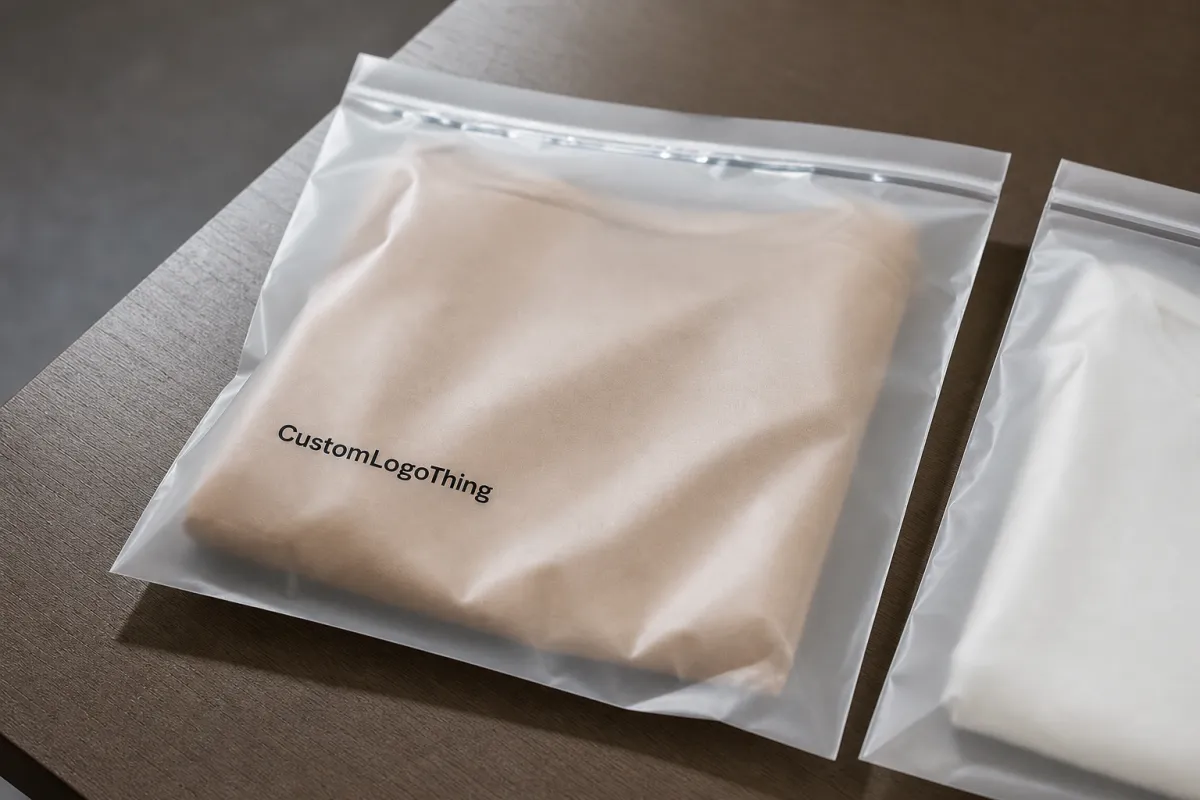
Many buyers expect a small order to cost less per bag because the total piece count is lower. Manufacturing does not break down that neatly. A short run still needs setup time, and setup does not shrink just because the order is smaller. Film has to be loaded, the zipper line aligned, cutter settings checked, and the print or label position confirmed before the first usable bag comes off the line.
That is why first-run pricing is shaped less by the bag itself and more by the cost of getting production ready. A custom size, a printed logo, or a special finish adds another layer of planning. In many cases, the Frosted Zipper Bags minimum order quantity is set so the supplier can cover those fixed steps without pricing the job at a loss.
Smaller orders still have real value. They let a buyer test fit, closure feel, shelf appearance, and how the bag holds up after repeated opening and closing. That matters because a frosted zipper bag is not only a container. It is also part of the product presentation. If the zipper feels stiff, the frosted finish looks too cloudy, or the pack sits awkwardly on the shelf, the first run should reveal that before the order gets larger.
A small run is most useful when the packaging is still being validated. The frosted finish softens what shoppers see, while the zipper keeps the bag practical after opening. That combination works well for samples, retail accessories, kits, and lightweight goods, but it still needs to be tested with the actual product. A sample photo can hide a lot of fit problems.
A small run only pays off if it answers a real question. If the first order confirms fit, seal quality, and presentation, the money is doing useful work.
Product Details: What Frosted Zipper Bags Are Built to Do
The frosted surface is the feature most buyers notice first. It sits between fully clear and fully opaque, letting the contents show through while softening the visual clutter. For brands that want a cleaner retail look without hiding the product, that middle ground often feels more polished than a fully transparent bag.
The zipper closure matters just as much. People tend to focus on appearance and forget that the bag still has to open and close cleanly. A good zipper should run evenly across the width, reclose without snagging, and stay aligned so the top edge does not split or warp. If the bag will be opened several times, closure quality becomes part of the user experience, not just a manufacturing detail.
Common uses include cosmetic items, apparel inserts, small hardware, branded samples, accessory packs, and kitted components that need to stay organized. In those settings, Frosted Zipper Bags do a good job of balancing presentation and practical storage. They also suit brands that want a lighter package than rigid boxes or clamshells.
Stock styles and custom styles are not priced the same way. Stock bags may come in a limited set of sizes and thicknesses, often without print. Custom versions can include logo printing, a hang hole for retail display, a bottom gusset for extra volume, or dimensions built around one specific product. Each option changes the production plan, which is why a quote should always match the real construction instead of a general bag description.
For transport testing, many teams use ISTA guidance to see how cartons and packs behave under vibration, drops, and repeated handling. If the order includes paper-based cartons or inserts, FSC certification may also matter for sourcing decisions and retail requirements.
Sizes, Film Options, and Custom Specs That Change the Quote
Bag dimensions are one of the clearest pricing drivers. A larger bag uses more film, more sealing area, and usually more careful packing. A smaller bag may save material, but it can also be harder to run if the zipper placement or side seals need tighter control. The cost effect is not always linear because the factory is balancing yield, machine speed, and scrap rate at the same time.
Film thickness changes the feel and the price. A lighter structure can be more flexible and may cost less, while a thicker film usually adds stiffness, better protection, and a more substantial hand-feel. A 0.10 mm film and a 0.14 mm film can look similar in a sample, yet they do not behave the same during production. The thicker version may affect sealing speed, bag weight, and the way the zipper line finishes.
Most custom requests fall into a few categories: width and length, gusset or no gusset, the balance between clear and frosted appearance, and print complexity. A simple one-color logo on a single panel is very different from full-coverage artwork, tight registration, or decoration on both sides. More detailed artwork means more proofing, tighter control, and more time spent checking alignment.
A clear spec sheet saves time on both sides. It should list exact measurements, the product weight or fill volume, whether the bag needs a hang hole, the acceptable tolerance range, and any retail-ready requirements. If the bag has to hold a finished cosmetic item or a heavier accessory, the structure should be chosen around that use case, not around the cheapest available option.
Vague specs usually create extra rounds of revision. Every revision slows down sampling and pricing. A precise brief gives the supplier a fair chance to choose the right material, zipper style, and packing method the first time.
Frosted Zipper Bags Minimum Order Quantity, Pricing, and Unit Cost
The Frosted Zipper Bags minimum order quantity usually reflects more than raw film usage. Setup labor, print preparation, machine changeover, carton packing, and line efficiency all matter. If a supplier has to stop a line for a small custom run, the fixed cost of that interruption gets spread across fewer pieces, and the unit price rises. That is standard manufacturing math, not a sign that the bag is unusually expensive.
Tier pricing usually follows a familiar pattern: as quantity increases, unit cost tends to fall because setup cost is distributed across more finished bags. The break point depends on the supplier and changes again if the order is printed, oversized, or built with extra features. A plain frosted bag may fit one pricing band, while the same bag with branded print and a special zipper profile may land in another.
The biggest cost drivers are usually easy to spot once the quote is broken down:
- Custom dimensions that reduce material yield or require a special cutter.
- Film thickness that changes material cost and production speed.
- Print complexity including color count, coverage area, and registration accuracy.
- Zipper style if the closure is upgraded or needs a more specialized profile.
- Freight weight and carton count, especially for bulky or high-volume shipments.
Comparing quotes takes a little discipline. Sampling may be listed separately. Plate or tooling charges may be separate. Freight may be quoted ex-works, FOB, or delivered depending on the supplier. Carton charges and packing style can also vary. A lower headline price can turn into the more expensive option once every line item is counted.
| Order Type | Typical MOQ | Typical Unit Cost | Lead Time | Best Use |
|---|---|---|---|---|
| Stock, unprinted | Low to moderate | $0.08-$0.18 | Fastest | Samples, quick launches, internal use |
| Lightly customized | Moderate | $0.12-$0.28 | Moderate | Small branded runs, retail-ready packs |
| Fully custom | Higher | $0.18-$0.40+ | Longest | Exact sizing, special print, premium presentation |
Those ranges are directional. A simple 5,000-piece order can stay near the low end if it is plain and standard, or move higher quickly if the print is detailed or the dimensions are unusual. The most useful quote is the one that separates material, setup, sample, and freight so you can see where the money is actually going.
Repeat buyers usually find the MOQ easier to manage after the first round proves the structure. The bag dimensions are already confirmed, the print files are settled, and the packing method is known. That is often the moment when replenishment planning becomes more efficient than one-off buying.
Process and Timeline for Sampling, Approval, and Production
A clean production run usually follows the same sequence: quote request, artwork review, sample or proof approval, production scheduling, and shipment. The order matters because each step can stop the next one if something is missing. Buyers who send complete information early usually get a cleaner timeline than buyers who revise the artwork halfway through.
Lead time depends on the type of order. Stock items can move faster because the structure already exists. Light customization adds time for proofing and print setup. Fully custom work adds another layer, especially if the dimensions, zipper placement, or finish need a pre-production sample before mass production can begin. A useful estimate should separate sample time from production time, because those are different stages.
A sample is especially helpful when the bag must fit a specific product closely. A cosmetic jar might fit on paper and still feel loose in the bag. A hard accessory may fit dimensionally but sit too high for comfortable zipper closure. A sample catches those issues before a full run turns them into waste.
Clear communication shortens the timeline more than shortcuts do. Final dimensions, approved artwork, and a signed-off spec sheet give the factory a stable target. If the buyer keeps changing the size or print after proof approval, the schedule slows down. That is usually a planning issue, not a production mystery.
Shipping should be planned at the same time. Carton count, palletization, and destination can all affect the practical delivery date. If a launch is tied to a store opening or a subscription ship date, ask for a lead-time estimate that separates sampling, production, and transit. That is the only way to plan inventory with confidence.
Quality Checks That Prevent Expensive Surprises
Small runs deserve the same inspection discipline as larger orders. The most common checks are simple but effective: seal width, zipper engagement, film clarity, print placement, and dimensional consistency. If the bag is meant to look premium, uneven frost patterns or off-center print can hurt the final presentation more than a buyer expects.
The zipper should close evenly from end to end. If one side catches or the track feels loose, the bag may still work once or twice, but repeat use will be frustrating. Seal strength matters too. A bag that looks fine on arrival can still split at the top edge if the heat-seal temperature is off or the sealing pressure is inconsistent.
Film clarity is another point buyers often underestimate. Frosted film should look uniform across the sheet, not cloudy in one area and thin in another. If the material has a matte additive or surface treatment, ask for a sample from the actual production batch rather than a hand-picked showpiece. That gives a more honest read on how the finished run will look.
For heavier products, basic stress checks are worth asking for. A drop test on a packed carton, a zipper re-open test, or a quick visual audit after packing can reveal whether the bag holds up under handling. These checks do not need to be elaborate. They just need to match the way the product will actually ship and sit on a shelf.
What Makes a Supplier Reliable When the MOQ Is Tight
Reliability shows up in the details. Seal quality should be consistent from bag to bag. The zipper should open and close without uneven resistance. The frosted film should look uniform. Print placement should stay centered and repeatable. A smaller order still deserves the same finish standard as a larger one.
Response time matters a great deal when the MOQ is close to your forecast. If a supplier answers slowly, you may end up ordering too much just to be safe, or too little and missing the launch window. A good partner helps you size the run around the real need instead of around guesswork.
Look for signs that the supplier is managing the job, not just quoting it. They should confirm the spec in writing, review artwork before production, and give a lead time that sounds realistic rather than optimistic. If they can explain why one quote differs from another, that is usually a good sign. If they cannot explain the difference, be careful.
A useful supplier also tells you when a thinner film is too light for a heavier product, or when a small batch should stay unprinted until the market proves itself. That kind of honesty is more valuable than the lowest number on paper. It prevents mistakes that only show up after the product is already in use.
For buyers who need to move quickly, the best suppliers make the Frosted Zipper Bags minimum order quantity fit the launch plan instead of forcing the launch plan to fit the bag. That difference matters more than a small price gap on the front end.
What to Prepare Before You Request a Quote
A good quote request starts with the basics: exact bag size, target quantity, and whether the order is stock, custom-printed, or built for one specific product. Those details let the supplier choose the right line and avoid padding the estimate with uncertainty. If you only know the general idea, the quote will be rough, and rough quotes are hard to compare.
Artwork matters more than many buyers expect. Send the logo file, the print location, and any approved brand colors. If the artwork is not final, say so clearly. A supplier can still give a useful estimate, but it should be labeled as a working quote rather than a production-ready price.
Shipping details sharpen the quote quickly. Delivery destination, target date, and whether the goods will go to one warehouse or multiple locations all affect cost and scheduling. A small freight difference can erase the savings from a lower unit price, especially on packaging that is light but bulky.
If you are comparing options, ask for them side by side. One version might be a plain frosted bag. Another might include a hang hole. Another could include logo print. Seeing the price spread makes it easier to decide whether the upgrade is worth it for the product and the margin.
For teams still refining the plan, the best move is simple: collect the spec sheet, confirm the use case, and request a quote built around the frosted zipper bags minimum order quantity rather than around a generic size. That keeps the first run grounded in real production and real inventory needs.
Frequently Asked Questions
What is a typical frosted zipper bags minimum order quantity?
The frosted zipper bags minimum order quantity usually depends on whether the bag is stock, custom-sized, or printed, because each option changes setup work and material planning. Smaller runs are possible in some cases, but the unit price will usually be higher because fixed production costs are spread across fewer bags. The cleanest way to confirm the MOQ is to send the size, closure style, and print requirements together instead of asking in general terms.
Can I mix sizes within one frosted zipper bag MOQ?
Sometimes, but mixed sizes are usually treated as separate production items because each size can need its own setup and material allocation. If the order is close to MOQ, a supplier may allow a combined project structure, but the pricing will still reflect each size individually. Send each size and quantity clearly so the quote shows whether combining them helps or hurts the total cost.
What affects unit cost most on custom frosted zipper bags?
Bag dimensions, film thickness, print complexity, and zipper style are usually the biggest cost drivers. Lower quantities tend to have a higher unit cost because setup and proofing are spread across fewer finished bags. Freight, cartons, and any special packing requirements can also change the final landed cost, which is why landed pricing is more useful than a headline unit price alone.
How long does production usually take after approval?
The timeline depends on whether the order needs a sample, print proof, or fully custom construction before production starts. Once artwork and specifications are approved, production usually moves faster because the factory can schedule the run without back-and-forth revisions. Ask for a lead-time estimate that separates sampling, production, and shipping so you can plan inventory accurately.
What should I send to get an accurate quote for frosted zipper bags?
Send the bag dimensions, target quantity, whether the bag needs printing, and any special features like gussets or hang holes. Include artwork files or a clear layout note so the supplier can price the real print scope instead of a placeholder estimate. Add your delivery timing and destination because freight and scheduling can change the final quote.
If the goal is a first run that gives usable data instead of extra stock, match the bag structure, print scope, and shipping plan to the actual use case. That is the most practical way to keep the frosted zipper bags minimum order quantity under control while still getting a package that looks right, seals right, and teaches you something useful about the product.


