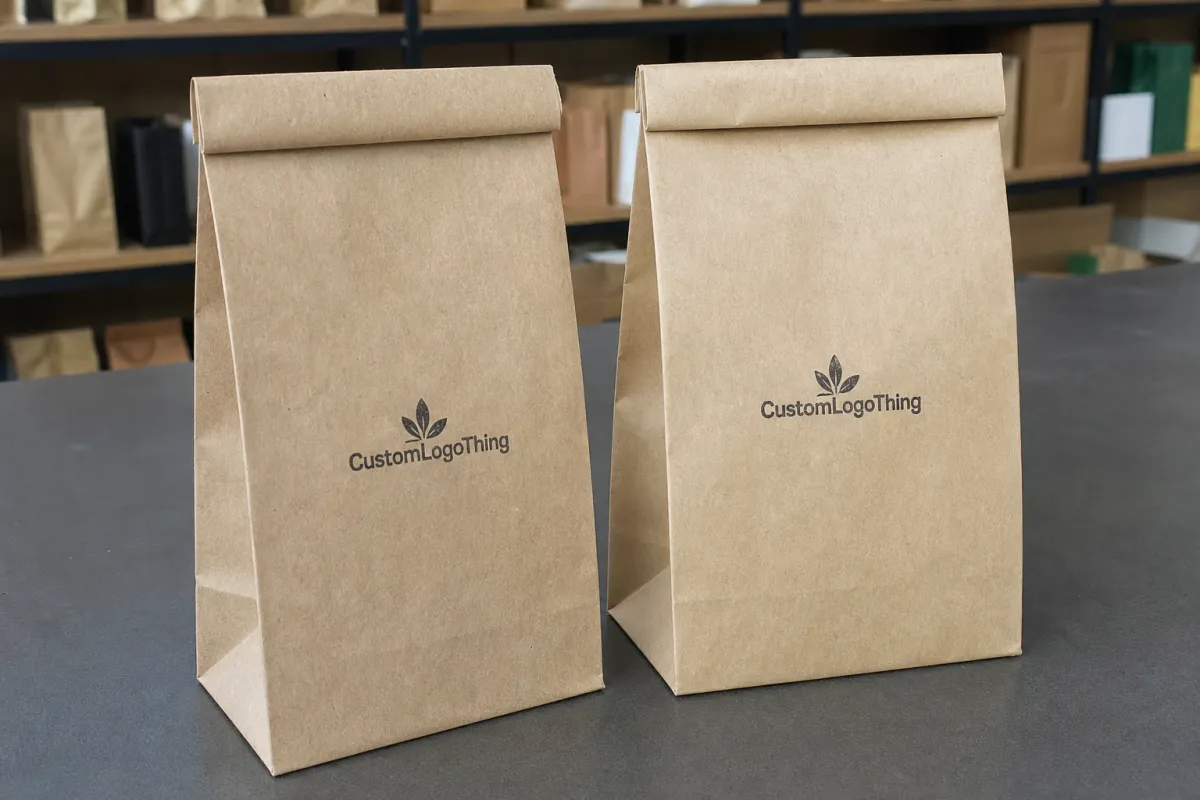
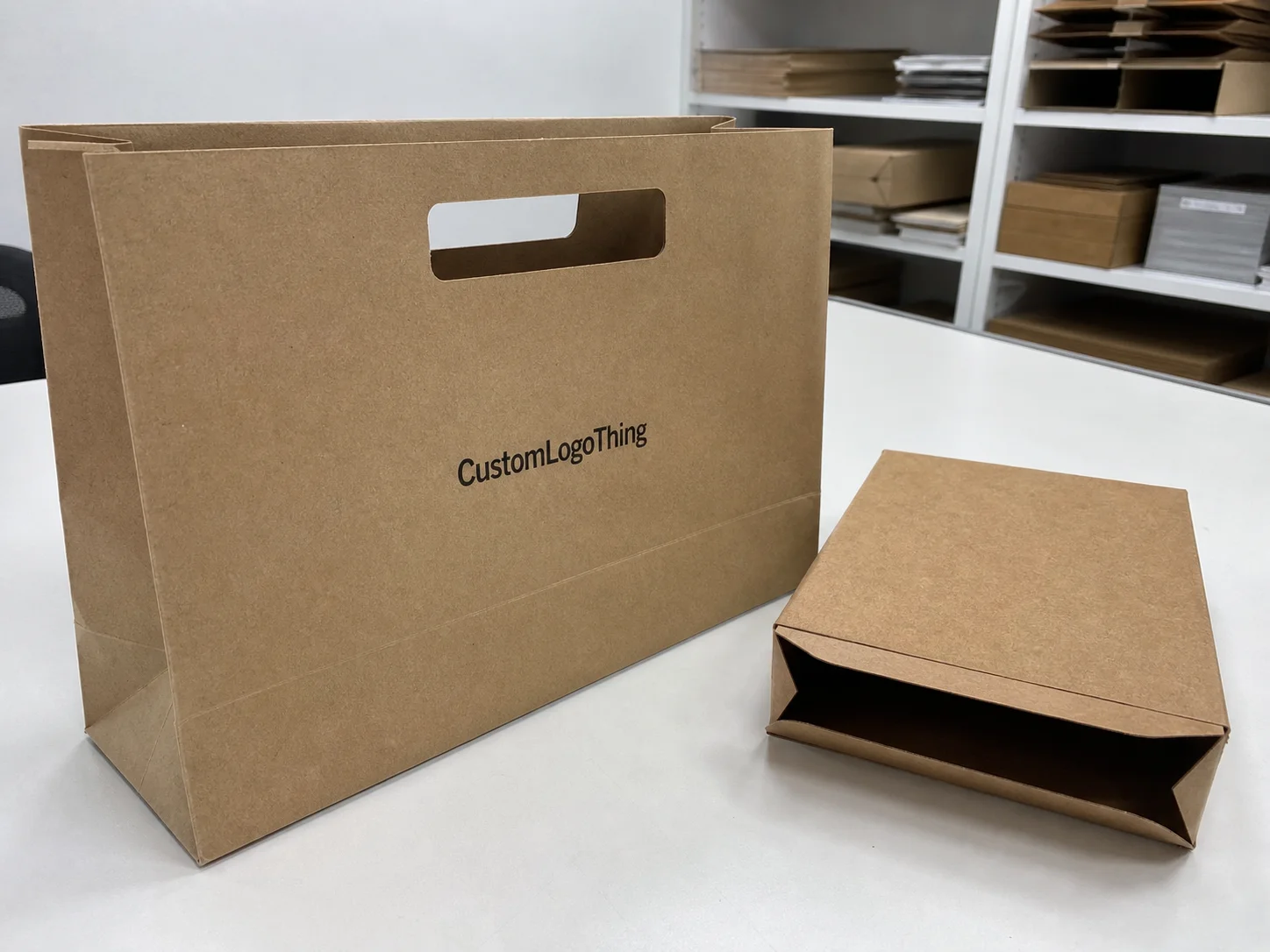
Home fragrance twisted handle paper bags Digital Proof Checklist sounds specialized, but the logic behind it is plain: reduce expensive surprises before ink hits paper. These bags travel farther than most packaging. They sit on counters, get carried through stores, appear in product photos, and sometimes outlast the fragrance inside them. A minor placement error or a weak stock choice does not stay private for long.
That is why buyers treat the proof as a production decision, not a design afterthought. Twisted Handle Paper bags live in a narrow lane between retail utility and gift-level presentation. They need to look refined, carry weight without buckling, and land at a unit price that still works for candles, diffusers, room sprays, and bundled sets. The wrong proof can distort all three.
A buyer can live with a print that feels slightly bolder than expected. A logo that sits too low, a handle that clashes, or a base that sags under a candle set usually means a reprint.
What Home Fragrance Twisted Handle Paper Bags Need to Get Right
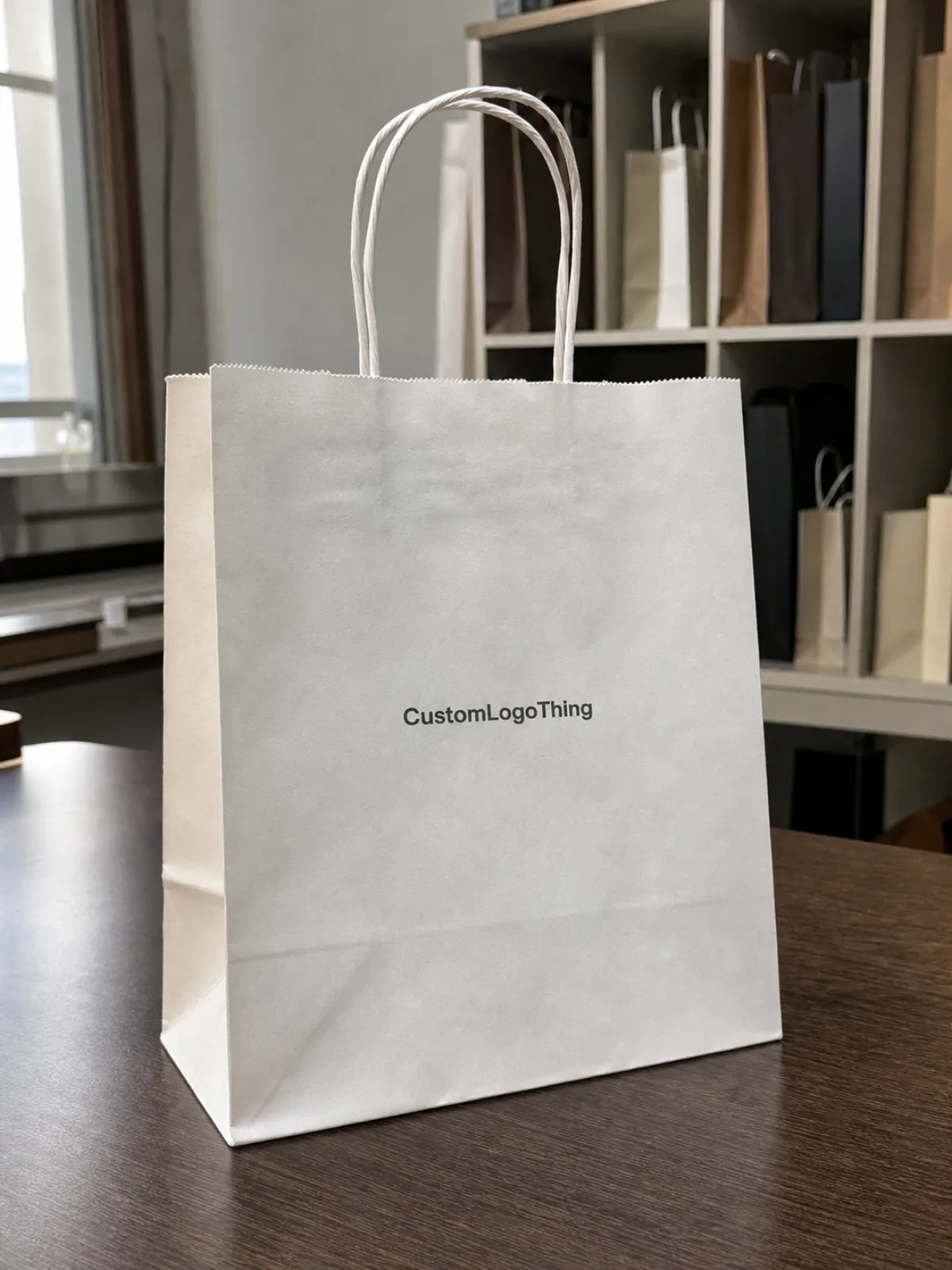
Home fragrance packaging gets handled more than people assume. It is picked up at checkout, carried home in daylight, unboxed on a shelf or vanity, and often photographed before the scent is even opened. That makes the bag part of the product experience, not just the transport layer. If the layout is cramped or the paper feels flimsy, the brand loses some of its intended value before the box or jar is touched.
Most buyers mean kraft or coated paper carrier bags sized for candles, reed diffusers, wax melts, room sprays, bath sets, and small gift bundles. Those categories sound similar on a spreadsheet, then become awkwardly different in real life. A 200g candle in a rigid jar needs more support than a slim diffuser box. A bundled holiday set may fit the same footprint on paper but behave very differently once tissue, inserts, and product weight are added.
The home fragrance twisted handle paper bags Digital Proof Checklist matters because the proof is where the artwork meets the actual structure. A design that feels balanced on screen can look crowded after the side gussets, bottom panel, and handle anchors are folded in. Buyers often discover that the premium finish they loved in a mockup is less persuasive once it competes with the bag geometry.
Four questions usually decide whether the bag is worth approving:
- Does the design support the fragrance price point?
- Will the bag hold the intended weight without bowing?
- Does the decoration fit the budget at the target quantity?
- Can the supplier produce and ship it on the real launch schedule?
Brand direction matters here. An uncoated kraft bag suggests restraint and an earthy mood. A white bag with lamination and foil pushes toward polish and giftability. Neither is automatically superior. The right choice depends on the scent family, retail setting, and how much visual competition the bag will face on shelf or in transit.
That is also why a useful proof should show more than a logo on a blank rectangle. It should reflect the intended structure, finish, and handling reality. Buyers who skip that step often end up approving a pretty graphic that does not survive contact with the physical bag.
How the Digital Proof Process Works for Fragrance Bag Orders
The process usually begins with artwork upload: logo files, copy, size request, finish preferences, and any reference images or brand sheets. A production team places that artwork onto a dieline so the buyer can see the front panel, side panels, bottom panel, and handle position in context. If the supplier is organized, the proof will also identify bag dimensions, paper weight, print method, and the finish selected for the run.
A strong digital proof confirms proportion, placement, and print intent. It should show whether the logo is too close to an edge, whether the handle anchors interrupt a key graphic, and whether the bottom panel makes the layout feel off-center. It can also flag bleed issues, safe area problems, and stamp placement that would be risky near a fold. What it cannot show fully is tactile quality. A screen will not tell you how rigid the paper feels or how much grip changes after lamination.
That gap matters. Color also shifts between a monitor and the final printed bag, and it shifts again under retail lighting. Buyers who approve from a laptop without checking a calibrated reference are usually making a guess, not a decision. The proof should function as a control document, not as a polished fantasy render.
A practical home fragrance twisted handle paper bags Digital Proof Checklist usually includes these items before sign-off:
- Logo size and placement: confirm that the mark reads at normal retail distance.
- Color reference: use Pantone targets or a physical sample, not vague color descriptions.
- Bleed and safe area: keep logos and text away from trims, folds, and seams.
- Handle details: confirm handle color, style, and anchor position.
- Bottom panel alignment: check that the artwork stays centered once the bag is formed.
- Compliance copy: keep barcode, website, warning text, or care notes inside the approved area.
If a buyer wants speed, the cleanest route is complete input at the start. A clear proof is faster to approve than a vague one that needs three rounds of interpretation. The same principle holds across other packaging formats: the earlier the specification is locked, the fewer expensive corrections appear later.
For buyers who want a practical benchmark on shipping stress and distribution testing, the ISTA packaging testing standards are a useful reference. For paper sourcing discussions, the FSC forest stewardship framework helps keep sustainability claims grounded in something verifiable.
Cost, MOQ, and Unit Price Drivers to Compare Before Ordering
Pricing for twisted handle paper bags moves more than many buyers expect. A plain kraft bag with one or two colors at 1,000 units is a different purchase from a fully printed, laminated, foil-stamped bag at a larger run. The main cost drivers are bag size, paper weight, print coverage, handle type, and finishing. Even a small change, such as matching the handle tint to the fragrance line, can change the quote.
Minimum order quantity matters because setup costs are spread across the run. A buyer ordering 250 bags may pay far more per unit than someone ordering 1,000, even if the bag looks similar on paper. That is not a pricing trick. It is the cost of plates, calibration, setup, packing labor, and the time required to get the machine ready for a short run.
Ask for quotes at multiple quantities. The step from 500 to 1,000 units often lowers unit price enough to justify a slightly larger first order, especially if the bag is tied to a seasonal launch or a retail rollout. A decent quote should make those breakpoints obvious instead of hiding them in a single rounded figure.
| Option | Typical Spec | Approx. Unit Price | Best For |
|---|---|---|---|
| Basic kraft bag | 150-200gsm, 1-2 color print, standard twisted handles | $0.18-$0.32 at 1,000 units | Sampling, value-led retail, simple branding |
| Mid-range retail bag | 200-250gsm, full-color print, matte or gloss finish | $0.32-$0.58 at 1,000 units | Core fragrance line, boutique display, gift packaging |
| Premium presentation bag | 250-300gsm, foil, spot UV, lamination, custom handle color | $0.58-$1.20 at 1,000 units | Holiday sets, luxury candles, higher-margin gifting |
Those figures are directional, not universal. Paper markets move. Freight moves. Finish complexity moves. A quote that looks attractive ex-works can become less attractive once packing, customs handling, and shipping are added. Buyers should ask whether proofing is included, whether dies or plates are included, and what happens if a production defect shows up in the finished batch.
Land cost is the better number to compare. That is especially true for custom logo bags that must arrive before a launch date. A cheap factory price can disappear quickly if the shipping leg or a rush fee pushes the final number above the margin the brand planned for.
Timeline and Lead Time: From Artwork Upload to Delivery
Lead time is a chain of steps, not one single date. The sequence usually includes quote request, artwork review, digital proof, revision, approval, production, packing, and shipping. If one step stalls, everything shifts. A buyer asking for a three-week turnaround is usually asking for a compressed sequence with little room for correction.
Proofing can take a few business days if the artwork is complete and the file formats are clean. Standard production often takes about 12-15 business days after proof approval. Specialty finishes can add more time, especially if they require extra setup or another verification step. Transit is separate from production, and that distinction matters. A short factory timeline does not mean the bags will arrive quickly.
Delays usually come from familiar causes:
- Artwork changes after proofing has already started.
- Missing Pantone references or unclear brand color targets.
- Late approval from marketing, retail, or legal teams.
- Confusion between matte, gloss, and soft-touch finishes.
- Barcode, website, or compliance copy edits at the last minute.
Seasonal fragrance lines feel this more sharply than core collections. Holiday launches, Mother’s Day gift sets, and retailer resets compress the calendar. A one-week delay in proof approval can easily turn into a missed shelf date. For that reason, internal approvals deserve a buffer of at least one to two weeks, and longer if the bag is part of a multi-SKU packaging family.
Supplier capability pages help here because they show what can actually be produced without guesswork. If a vendor handles cartons, sleeves, and carrier bags, it is easier to align formats across the range. If not, the schedule may split across multiple suppliers, which adds friction.
Key Specs That Influence Shelf Appeal and Durability
Paper stock is usually the first spec people notice, even when they do not describe it precisely. A 180gsm bag can feel adequate. A 250gsm or 300gsm bag usually feels more substantial and more suited to premium fragrance products. Coating changes the read as well. Matte finishes mute reflections and soften the look, while gloss can increase contrast and make colors feel sharper. Soft-touch lamination creates a quieter, velvety surface, but it also changes grip and fingerprints show differently.
Handle reinforcement is not decorative. A twisted handle bag carrying a candle or a two-piece gift set needs enough base support and handle anchoring to survive normal use. If the bottom panel is too light, the bag will distort under a heavy jar. If the handle glue area is underspecified, the bag can fail after a few carries even if it looks fine in inspection. That is why practical load checks matter as much as layout checks.
Finish choice also affects the way customers read the brand. Foil can push a fragrance line toward giftable and polished. Spot UV can bring forward a monogram or seal. Uncoated stock usually feels quieter and more artisanal. None of those choices is inherently better. The question is whether the finish supports the scent story and the shelf environment.
Structure and merchandising should work together. Tall narrow bags can look elegant but awkward with broader sets. Shorter bags feel stable in hand but can lose presence on shelf. Logo placement changes the tone as well: a centered mark feels traditional, a lower placement feels more fashion-led, and a side-panel graphic can improve visibility in motion. The right answer depends on how the bag will be seen most often.
Many buyers overcorrect by choosing the most expensive finish before they settle the structure. That order usually produces friction. Get the size, paper weight, handle style, and print layout right first. Then decide whether the premium finish is actually pulling its weight.
Common Proofing Mistakes That Cause Reprints and Delays
The biggest mistake is approving artwork from a monitor without checking it against the dieline. A screen mockup can hide scale problems. A logo that feels perfectly centered on a square render may sit too low on a tall bag, or too close to the handle anchors once the bag is folded. The proof should be read as a technical map of a folded object, not as a poster.
Bleed and safe margins cause more trouble than buyers expect. If a background color runs too close to the edge, the final bag can look cramped or uneven. If key text lands near a seam, the result can feel careless even when the print is technically correct. Handle placement is another easy miss. A handle that overlaps a strong graphic line may not break the bag, but it can weaken the visual rhythm.
Color mismatch is often a file discipline problem rather than a printer mystery. Buyers skip Pantone references, use uncalibrated screens, or approve from a soft image instead of a print-ready file. Sometimes the brand has a physical swatch, but nobody shares it with production. That is avoidable. If color matters, send a labeled sample, a brand guide, or a physical target. If it matters a lot, request a printed sample before full production.
Last-minute copy edits create another kind of delay. A barcode gets added after approval. A website changes. A regulatory phrase gets revised. The proof that felt finished yesterday becomes obsolete. A clean process needs version control: one approved file, one named contact, and one final sign-off. That is not exciting, but it keeps production moving.
The least dramatic bag orders are usually the best ones. Clear files, clear specs, and one final approval beat creative chaos every time.
For buyers comparing supplier claims, it helps to see whether the vendor can show proof structure and not just a polished final image. The broader packaging conversation at packaging.org industry resources is useful if you want context beyond one format.
Next Steps: Turn the Checklist Into a Clean Production Brief
The fastest way to get a usable quote is to send a production brief, not a chat thread. Gather the brand kit first: vector logo files, Pantone targets, bag dimensions, finish preferences, and any mandatory text. If the bags will carry candles or boxed diffuser sets, include actual product measurements. Even a few millimeters can matter if the fit is tight.
Then send a request that includes quantity tiers, target launch date, delivery address, and any special requirements. If the bags need to match cartons, sleeves, or tissue, say so early. If they are intended for gifting, note that handle color, print coverage, and finish should support presentation, not only transport. The more structured the brief, the more useful the quote.
If color or finish matters a great deal, ask for two proof directions. One may test a cleaner layout; another may test richer coverage or a different handle tone. That is not indecision. It is basic packaging control. Comparing two serious options now is cheaper than discovering the problem in finished stock.
For brands that use multiple packaging formats, it helps to compare the bag proof against the rest of the line. Tissue, inserts, cartons, and carrier bags should feel like one system. Consistency across the set usually matters more than any single component being slightly more polished than the others.
Approve only after the home fragrance twisted handle paper bags Digital Proof Checklist is complete, then lock the schedule, the quantity, and the reorder plan. That discipline keeps fragrance launches from drifting into last-minute chaos. The bag is part of the product story, and in this category, the story starts before the scent is opened.
What should a home fragrance twisted handle paper bags digital proof checklist include?
It should include the exact bag size, dieline, handle placement, color targets using Pantone or an approved reference, finish notes, and any required copy such as barcodes, website text, or warning language. The goal is to match the artwork to the actual structure before production starts.
How many proof rounds are normal before production starts?
One clean round is common when the artwork is final and the buyer has clear references. Two rounds are normal when the layout, color, or finish needs adjustment. More than that usually means the scope is still moving, which adds time and increases the chance of error.
What drives the unit cost of custom twisted handle paper bags?
Quantity has the biggest effect because setup costs are spread across the run. Paper weight, print complexity, handle style, and finishing choices also move the price. Shipping, packing method, and rush fees can change the landed cost as well.
How long does production usually take after the digital proof is approved?
Proofing can take a few business days depending on file quality and revisions. Standard production often takes about 12-15 business days after approval, though specialty finishes can take longer. Transit time is separate, so launch planning should include both manufacturing and shipping.
How can I reduce color mismatch on home fragrance packaging bags?
Send Pantone targets or a physical sample so the printer has a clear reference. Review the proof on a calibrated display and, when possible, compare it under neutral lighting. If the shade is highly specific, request a printed sample or swatch match before the full order.