Jacquard Knit Beanies for Bakery Teams
Bakery buyers do not usually need another generic winter accessory. They need headwear that holds up to early shifts, cold rooms, and a brand that has to read clearly from across a counter. A jacquard knit beanie solves a specific problem: it keeps staff warm while turning a logo into part of the fabric instead of a layer sitting on top of it. That distinction matters more than most first-time buyers expect. Surface prints can crack, embroidery can pucker, and oversized decorations can look fine in a mockup while failing the moment the hat stretches on a real head.
For wholesale buyers, the smartest evaluation starts with use case, not aesthetics. A bakery uniform piece has to survive folding, stocking, washing, and daily handling. A retail piece has to look good on a hook, a shelf, or a checkout display and still feel comfortable enough for someone to wear on the walk out the door. A dependable jacquard Knit Beanies Wholesale Supplier for bakery buyers should be able to talk through those differences in plain language: what the knit can support, what the artwork can handle, and where the price moves as the order gets more complex.
The best result usually feels simple. Warm, tidy, durable, readable. That is the brief.
Jacquard Knit Beanies Wholesale Supplier for Bakery Buyers: Why They Work
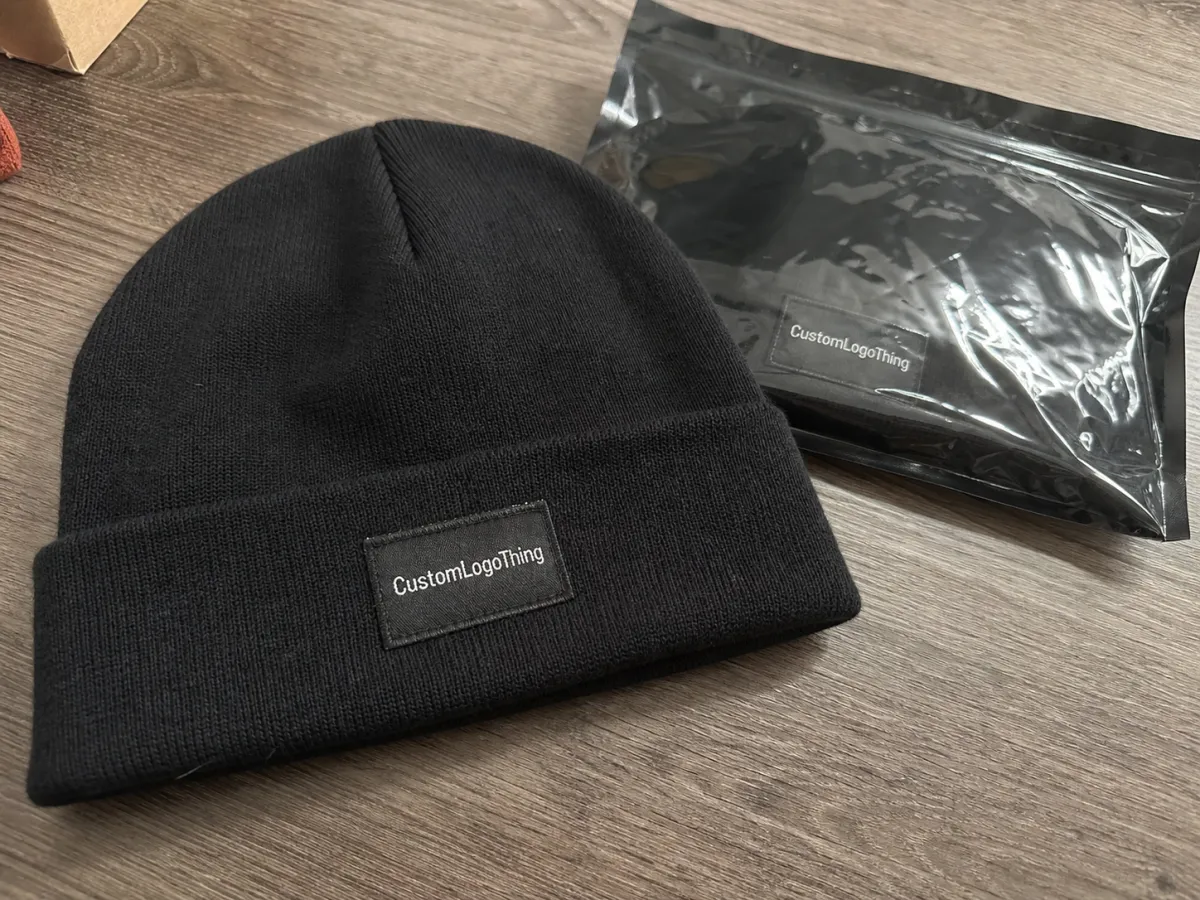
Jacquard knitting builds the design into the yarn path itself. That gives bakery brands an advantage because the logo or wordmark becomes part of the garment structure rather than a finish added later. On a busy production floor, that is not just a cosmetic detail. It changes how the beanie wears over time. If the staff is handling trays, opening freezers, or moving between warm ovens and colder storage, a surface application has more opportunities to fail than a knitted design does.
It also changes how the hat looks after repeated use. A jacquard pattern will not peel, and it usually ages more naturally than a transfer or printed graphic. That does not mean it is indestructible. Stitch density, yarn quality, and the size of the artwork still matter. Small text can blur. Thin lines can disappear into the knit. Two-color designs usually read far better than overly detailed art. If a logo relies on fine gradients or tiny type, it may need to be simplified before production starts.
Bakery buyers also tend to favor a cuffed profile. The fold-over cuff gives the brand a more stable visual zone and keeps the logo closer to eye level. It also helps the beanie sit tidier under pressure, which matters for front-of-house staff who need to look composed even when the line is long. Slouch styles can work for retail merchandising, but they often feel too loose for uniforms.
There is another practical reason jacquard works: it is easy to explain at retail. A shopper does not need to understand fabric engineering to recognize a clean bakery mark on a warm, well-made hat. If the design is restrained, the item can sit next to pastry boxes, tote bags, or gift sets without feeling off-brand. That gives the product more than one life. It can be uniform, merchandise, or a seasonal add-on.
Buyer note: If the same style has to perform as both staff headwear and retail product, start with the uniform spec first. Retail-friendly packaging is easier to add than it is to rescue a hat that fits badly or reads poorly on the head.
Jacquard Construction and Bakery-Friendly Design Details
The strength of a jacquard beanie depends on more than artwork. Knit structure affects the final hand feel, the clarity of the logo, and the way the hat keeps its shape. A tighter gauge usually gives cleaner edges and better stability. A looser construction can feel softer, but it may also let small details wander. Bakery buyers should care about that because staff uniforms are not worn in a studio; they are worn through long shifts, quick changes, and repeated handling.
Cuff height is one of the most overlooked choices. A deeper cuff gives more room for branding and creates a more substantial look, while a shorter cuff can feel lighter and more casual. Crown depth matters too. If it is too shallow, the beanie rides high and looks unfinished. If it is too deep, the top can collapse and create a slouchy shape that works better for fashion retail than for a bakery team trying to look organized.
Material selection changes both comfort and cost. Acrylic is the standard baseline because it is durable, color-consistent, and easier to price at scale. Recycled acrylic can support a lower-impact story without pushing the order into a premium bracket. Wool blends feel warmer and more substantial, but they tend to cost more and can require clearer care guidance. Lined beanies add comfort in colder regions, though the extra layer can reduce stretch slightly and add sewing steps to the build.
Fit range matters more than some buyers expect. A bakery crew usually includes people with very different head sizes and preferences. One employee wants a snug fit that stays put near the ovens; another wants enough ease to avoid pressure after an eight-hour shift. A solid wholesale spec should account for that without becoming sloppy. The right answer is usually a middle ground: close enough to look clean, flexible enough to cover a mixed team.
Contrast is doing a lot of work here. Light yarn on dark ground or dark yarn on light ground is generally the safest way to preserve brand legibility. If the art needs to be visible from across a counter, simplicity wins. A strong icon and a short wordmark are far more reliable than a crowded logo with delicate outlines.
Specs to Confirm Before You Request Samples
Good sample work starts with measurements, not mood boards. The most useful specs are relaxed circumference, stretch range, cuff height, and crown depth. Those figures tell the supplier whether the beanie will sit neatly or feel too loose, and they give the buyer a way to compare one version against another. If the order will be worn by multiple staff groups, the fit needs to work across a range of heads without stretching out of shape after a few wears.
Artwork should be prepared in vector format whenever possible. That gives the knitter cleaner reference data and makes the proofing stage faster. Pantone references help, but so does a realistic conversation about how yarn behaves. Color matching in knitwear is more forgiving than print in some ways and less forgiving in others. A yarn shade may read slightly softer than a screen rendering. That is normal. The point is to decide whether the match is close enough for the brand before the machine run begins.
Ask how many yarn colors the design actually requires. Every extra color can increase complexity, and complexity tends to show up in both price and lead time. A two-color layout is often the cleanest place to begin. If the logo truly needs three or four colors, that can still work, but the buyer should expect more proofing and a tighter eye on minimum quantity.
Packaging and labeling are not afterthoughts. A useful quote should state whether the order includes woven labels, size labels, hang tags, polybags, master cartons, and carton counts. If the beanies are going into retail, presentation is part of the product. If they are for staff only, the focus can stay on durability and consistency. Either way, the scope needs to be clear before pricing is accepted.
| Option | Best Use | Typical MOQ | Indicative Unit Price | Notes |
|---|---|---|---|---|
| Acrylic cuffed jacquard | Staff uniforms and basic retail | 300-500 pcs | $2.60-$4.30 at 5,000 pcs | Best balance of price, warmth, and logo clarity |
| Acrylic/wool blend | Premium shop merch | 300-600 pcs | $3.80-$6.20 at 5,000 pcs | Warmer hand feel, usually higher material cost |
| Lined jacquard beanie | Cold-weather teams and gift sets | 500-1,000 pcs | $4.40-$7.50 at 5,000 pcs | Extra comfort, more sewing steps, slightly slower build |
| Pom-pom retail style | Seasonal sales and holiday displays | 500-1,000 pcs | $4.80-$8.10 at 5,000 pcs | More visual impact, less formal for daily uniforms |
The numbers above are working ranges, not promises. A small order, a rushed timeline, or a heavier yarn spec can move the quote quickly. The point is to understand the direction of the pricing before the sample stage begins.
Decoration Options That Keep Bakery Branding Crisp
Jacquard is usually the strongest decoration choice for knitted headwear, but buyers still compare it with embroidery, labels, and patches. Each route has its place. Embroidery can work well on a cuff if the logo is simple and the stitch count stays manageable. Woven labels are useful for subtle branding or secondary identity. Patches can be effective for retail, but they add another material layer and can make the hat feel heavier or less flexible. None of those options are automatically better. The right answer depends on how visible the brand needs to be and how much detail the artwork carries.
For bakery branding, restraint tends to outperform decoration. A one-color or two-color design usually keeps the knit cleaner and the pricing more predictable. Big, readable shapes age better than intricate art. Small scripts, tiny taglines, and crowded outlines often disappear in the fabric and leave the buyer with a sample that looks weaker than the digital proof suggested. That is not a supplier failure so much as a mismatch between the art and the medium.
Placement changes the reading of the product. Front branding is the clearest option and usually the easiest for customers to notice. Cuff placement looks more polished and keeps the design in a stable zone. Side labels work when the front needs to stay clean, especially for retail pieces that rely on a sewn detail or hang tag to tell the story. Crown placement is less reliable because the logo can fold away as soon as the hat is worn.
A logo that looks sharp on a pastry box does not always knit sharply on a beanie. The safest path is usually the one that removes detail early, before yarn is committed and the sample comes back fuzzy.
Suppliers should be willing to say that directly. If they promise every design will knit perfectly as submitted, that is usually a warning sign. Good proofing includes artwork cleanup, stitch limits, and an honest discussion about what the logo can support.
Pricing, MOQ, and Quote Inputs That Change Unit Cost
MOQ is driven by production efficiency, not by arbitrary policy. Once a machine run is set up, the factory wants enough volume to spread labor and setup costs across the order. That is why larger runs usually deliver better unit pricing. A bakery buyer placing a first-time program should expect a different cost structure from a repeat seasonal order.
These are the inputs that usually move the price the most:
- Total quantity by colorway
- Number of yarn colors in the design
- Material choice and lining option
- Labeling, packaging, and hang tag needs
- Artwork revisions and proof rounds
- Shipping method and delivery destination
Simple acrylic jacquard beanies tend to sit at the lower end of the range. Add wool, a lining, or more complex artwork, and the unit cost rises. That is normal. What matters is whether the quote reflects the actual spec and whether the buyer understands why the number changed. If the goal is to stock multiple storefronts, the supplier should know the split by location and whether a reorder is likely. Those details can change how the order is planned.
There is also a hidden cost in unclear specs. A cheap first quote can become expensive if the artwork needs repeated cleanup or the sample cycle takes multiple rounds because the buyer and supplier were not aligned at the start. A clearer brief is often the less expensive option over the life of the program. That is especially true for bakery brands that refresh merchandise every winter or during holiday campaigns.
One practical rule helps: send target quantity, target delivery date, and intended use in the same message. A jacquard knit Beanies Wholesale Supplier for bakery buyers can usually narrow the price band faster when those three inputs are clear from the outset.
Production Process and Timeline from Sample to Shipment
The production path is usually predictable if the front end is disciplined. It begins with artwork review, then moves to knit chart approval, sample approval, bulk knitting, finishing, quality control, packing, and shipment. Delays usually appear in the same places: a logo revision after the chart is already built, color approval that is too vague to freeze, or a missing sign-off from a second internal decision-maker.
Lead time depends on more than machine availability. Yarn sourcing, lab dips, sample revisions, finishing details, and freight choice all affect the calendar. Air shipment can shorten the final leg, but it increases cost. Ocean freight is generally better value on larger orders, provided the buyer has enough runway. For a seasonal bakery launch, working backward from the display date is safer than trying to compress the schedule after the sample arrives.
That timing matters because bakery orders are often tied to real business events: holiday merch, staff uniform refreshes, opening kits, or promotional bundles. If the beanies are meant for retail, they need time to be tagged, counted, and placed on display. If they are for staff, they need to arrive with enough cushion to issue by location and size.
Fast approvals save money. A complete spec sheet and a clean logo file can trim days from the process. A hesitant approval cycle can eat up the advantage of an otherwise well-run order.
For carton handling and retail transport, testing standards are worth asking about. ISTA methods are useful if the cartons need to survive shipping to stores, and FSC can matter if the outer packaging or hang tags rely on certified paper sources.
The production process is not complicated. It just rewards buyers who bring the right information before the first sample is knitted.
What a Reliable Wholesale Supplier Should Prove Before You Order
A supplier should be able to show how quality is controlled, not just describe the product in flattering terms. For knitted headwear, that usually means stitch consistency, measurement checks, color tolerance, shrinkage or stretch recovery checks, and carton count verification. If there are multiple colorways, the supplier should explain how they prevent mix-ups during production and packing. Those details sound ordinary until one carton is wrong and the buyer has to sort it out across several locations.
Communication is part of quality. Approvals should be written down. Revisions should be tracked. Delivery dates should be realistic. If a date changes, the reason should be clear. That level of discipline matters in a bakery operation because the buying team is usually balancing product launches, staff scheduling, and seasonal demand at the same time.
Reorder support matters just as much as the first run. Bakery buyers often need the same style again for a new store, another winter season, or a larger crew. If the supplier stores approved artwork, color references, and production notes, the second order becomes easier and less risky. That is one of the clearest signs that the supplier understands wholesale instead of treating each order like a one-off sale.
Good suppliers also know where to push back. They will explain when a logo is too detailed, a yarn combination is too expensive for the target price, or a timeline is too tight for a clean result. That kind of caution is useful. It protects the buyer from a product that looks good only until the first batch is worn.
That is the standard to ask for before paying a deposit. If a Jacquard Knit Beanies wholesale supplier for bakery buyers cannot show that level of process control, the order is probably carrying more risk than the quote suggests.
Next Steps Before You Request a Quote and Start Production
Before requesting pricing, gather the basics in one place. The faster the brief is assembled, the faster the supplier can return a useful quote. More importantly, the quote will reflect the real order instead of an assumption.
- Confirm total quantity and any split by colorway.
- Send the logo in vector format if possible.
- Share Pantone targets or a close visual color reference.
- State whether the beanies are for staff, retail, or both.
- Ask for a mockup or sample before bulk production.
- Review packaging, labeling, and carton count on the quote.
The sample stage is not a formality. It is the point where scale, contrast, cuff placement, and overall balance are checked against the actual knit. A design that looks strong on screen can feel too small, too low, or too dense once it is knitted. The sample tells the truth, and the buyer should use it that way. If the beanie needs adjustment, make the changes before bulk production starts.
For bakery buyers, the most useful approach is often the least theatrical one: a clear spec, a clean sample, and a supplier who understands how knitwear behaves under real working conditions. That combination is what separates a useful uniform piece from a promotional item that gets forgotten after the season ends.
FAQ
Can bakery teams order jacquard knit beanies wholesale with custom colors?
Yes. Custom colors are common, but the final palette depends on the knit structure and the number of yarn shades in the design. Pantone references or close visual targets help a supplier judge whether the color plan is practical before sampling starts. If the logo relies on too many colors, simplifying the art usually improves both clarity and pricing.
What MOQ should I expect for bakery-branded jacquard beanies wholesale?
MOQ is usually tied to machine setup, color count, and knitting efficiency rather than a single universal number. Smaller orders can still be possible, but they often carry a higher unit price because setup costs are spread across fewer pieces. Tiered pricing is the most useful comparison, since it shows the difference between a launch order and a reorder.
How long does production usually take after sample approval?
Timeline depends on artwork approval, yarn availability, finishing details, and freight method. Once the sample is approved, bulk production moves faster if no further design changes are introduced. Seasonal periods can stretch the calendar, so bakery buyers should build in buffer time before a promotion or store opening.
What artwork works best for jacquard knit beanies in wholesale orders?
Bold shapes, clear lettering, and limited color palettes usually knit more cleanly than thin lines or small type. A design that reads from a few feet away is usually safer than one that depends on fine detail. If needed, simplify the artwork before sampling so the final beanie looks crisp in fabric, not just on a screen.
What should I send with a quote request for bakery buyer orders?
Send quantity, fit preference, logo file, target delivery date, shipping destination, and any packaging requirements. It also helps to explain whether the beanies are for staff, retail, or both, since each use case can point to a different spec. The more complete the request, the more accurate the price and timeline will be.


