What “subscription brands opp header bags carton packing spec” Really Means
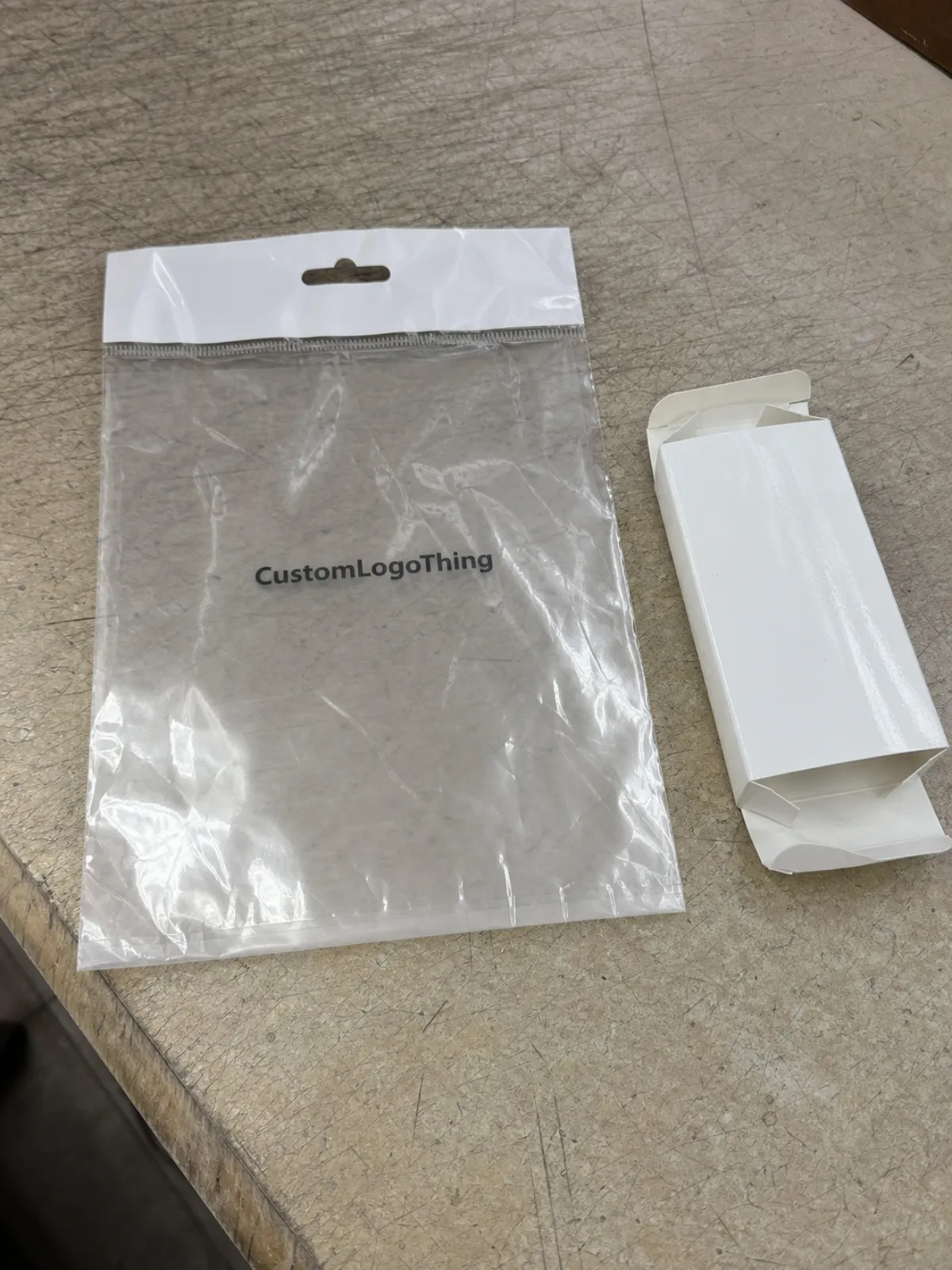
A subscription box team approves a sharp-looking clear OPP header bag. The sample fits. The logo lands in the right spot. The hang hole looks retail-ready. Then the cartons arrive at the fulfillment center and miss the pick-bin dimensions by 1.5 inches. Repacking starts, labor burns, and the freight model stops making sense.
A subscription brands OPP Header Bags carton packing spec is not just a bag size. It is the combined instruction set for finished bag dimensions, usable space, header layout, material, closure, bundle count, master carton quantity, carton size, carton weight, labels, and pallet handling.
Operational? Painfully. Also where margin protection lives.
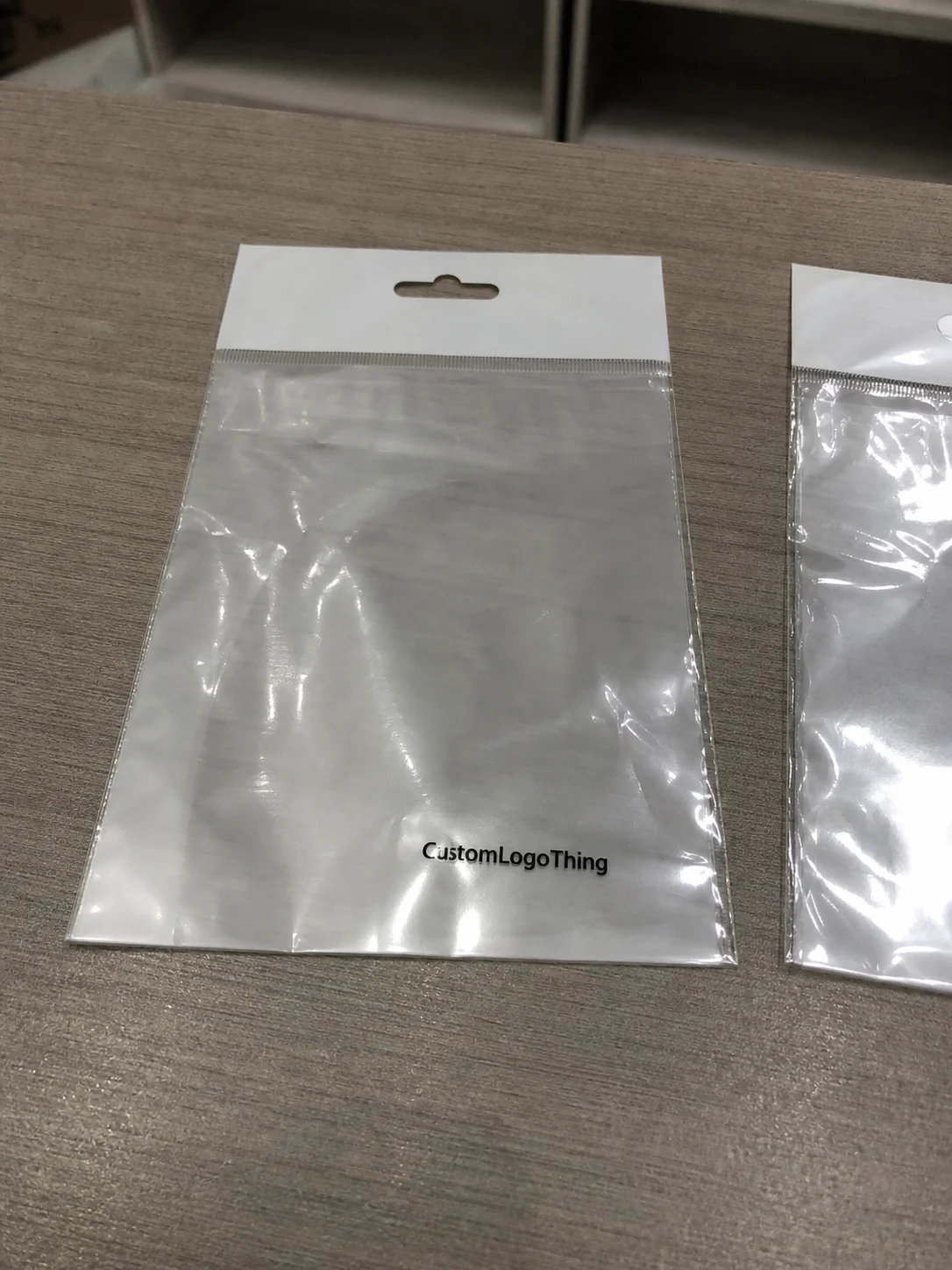
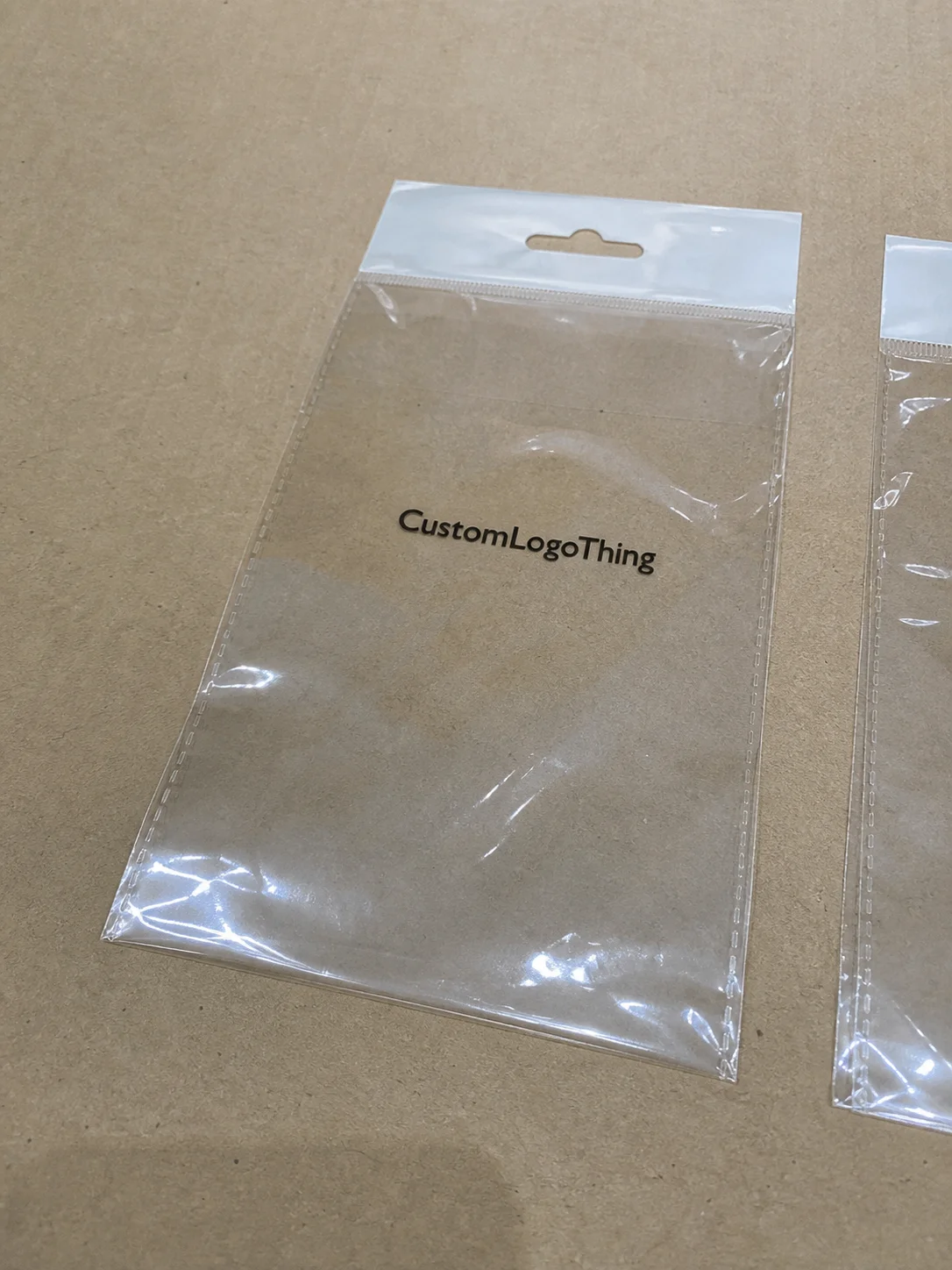
OPP Header Bags are clear oriented polypropylene bags with a folded, sealed, or reinforced header area. Many use a round or euro hang hole. Some include an adhesive strip; others are heat-sealed after filling. Subscription brands use them for sample kits, cosmetics, stationery, small apparel add-ons, branded accessories, influencer inserts, and small “surprise” items that need to look deliberate rather than dumped into a box.
The visible bag usually gets 90% of the design attention. The carton spec quietly decides whether the next 20,000 units move cleanly through receiving, storage, kitting, and pack-out.
One-off retail buyers can sometimes absorb a messy master carton. Subscription brands rarely can. A recurring program repeats the same packing decision month after month. If a carton count is awkward, if bundles are hard to audit, or if cartons are too tall for the fulfillment center’s rack layout, the error compounds with every drop.
From a packaging buyer’s point of view, the task is translation. Design wants clarity and brand presence. Fulfillment wants countable units. Procurement wants a quote that can be compared fairly. Freight wants cube efficiency. A good spec turns those competing needs into one document a supplier can price, produce, pack, and label without guessing.
Practical callout: If the supplier quote only lists bag width, bag height, film thickness, and unit price, the spec is incomplete for a subscription program. Ask for carton quantity, master carton dimensions, gross weight, and carton mark before approving the order.
How OPP Header Bags Move From Bag Spec to Carton Pack
An OPP header bag looks simple until you break it into parts: bag width, bag height, usable internal space, header height, flap style, hang hole shape, adhesive strip position, film thickness, print area, venting if required, and sealing method. Each choice changes how the bags behave inside a carton.
Film gauge is the obvious variable. A 35-micron OPP bag and a 50-micron OPP bag with the same flat dimensions will not necessarily pack the same way. The thicker bag has more stiffness and more stack height. Add a reinforced header or a double-layer fold and the cube changes again. It may be only a few millimeters per bundle, but multiply that across 100 bags, then 10 bundles, then 40 cartons.
Adhesive strips create their own small complications. If bags are packed too tightly, release liners can catch or curl. Printed bags may need a controlled stacking direction so inked surfaces are not pressed against the wrong layer under weight. Heavy ink coverage can increase blocking risk, especially if bags are packed before ink is fully cured. Not always. Enough to be worth checking.
Buyers will usually see several carton packing terms on a custom OPP header bag quote:
- Pieces per poly bundle: Common counts are 50, 100, or 200 pieces, depending on bag size and fulfillment preference.
- Bundles per inner carton: Used when the master carton needs smaller countable units inside.
- Pieces per master carton: Often 500, 1,000, 2,000, or more for small flat bags.
- Net weight and gross weight: Product-only weight versus carton-packed weight.
- Carton dimensions: Usually listed as length × width × height, in inches or centimeters.
- Carton mark: SKU, PO number, item description, quantity, country of origin, and sometimes barcode.
- Pallet pattern: Cartons per layer, layers per pallet, pallet height, and stretch-wrap instructions.
Carton packing affects fulfillment accuracy more than many teams expect. A master carton of 1,000 bags packed as ten bundles of 100 is easier to count than 1,000 loose bags. It is easier to issue to a kitting line. It is easier to audit after a short count. That small labor saving matters when a subscription brand is packing 8,000 boxes against a fixed release date.
The best packing specs work backward from the fulfillment line: how many bags are consumed per hour, how operators stage them, how inventory is counted, and whether partial cartons need to return to storage after each shift.
Key Spec Factors Subscription Teams Should Lock Before Quoting
Before requesting pricing, lock the fundamentals. Not perfectly forever, but tightly enough that suppliers quote the same item. For custom OPP header bags, the minimum spec should include finished bag size, usable internal space, header height, film gauge, closure type, print colors, order quantity, carton quantity, delivery destination, and fulfillment center inbound rules.
Size tolerance deserves plain language. Plastic bags flex, but production still needs acceptable variation. Width, height, side seal position, bottom seal position, header fold, hang hole placement, and print registration all have tolerances. A common commercial tolerance might be plus or minus 2–3 mm for simple bag dimensions, although the real number depends on material, machine setup, and supplier capability. Multi-color print registration may carry a separate tolerance.
Material choice needs the same discipline. OPP is crisp, glossy, and clear, which makes it useful for visible presentation. It can make a $2 sample look more premium. But OPP can scratch. It can feel brittle in cold conditions. For heavier or irregular items, CPP, PE, or a laminated film may perform better, even if the optical clarity changes. If the item has sharp corners, rigid edges, or multiple components, do not assume OPP is automatically the right film.
Subscription programs create triggers that ordinary retail packouts may not have. Monthly campaign changes can alter print needs. Kitting speed can favor 100-count bundles over bulk packs. Scan labels may need to face a specific direction. SKU separation may require color-coded bundle stickers. Surprise-and-delight inserts may need a bag that still looks good after several operators handle it.
Ask the fulfillment center one unglamorous question early: how will these bags be stored and loaded? Hand-loaded kitting lines, semi-automated stations, shelf bins, gravity flow racks, and pallet-based staging all point toward different bundle counts and carton sizes. A 2,000-piece master carton may look efficient on a quote but become irritating if operators only need 120 bags per shift.
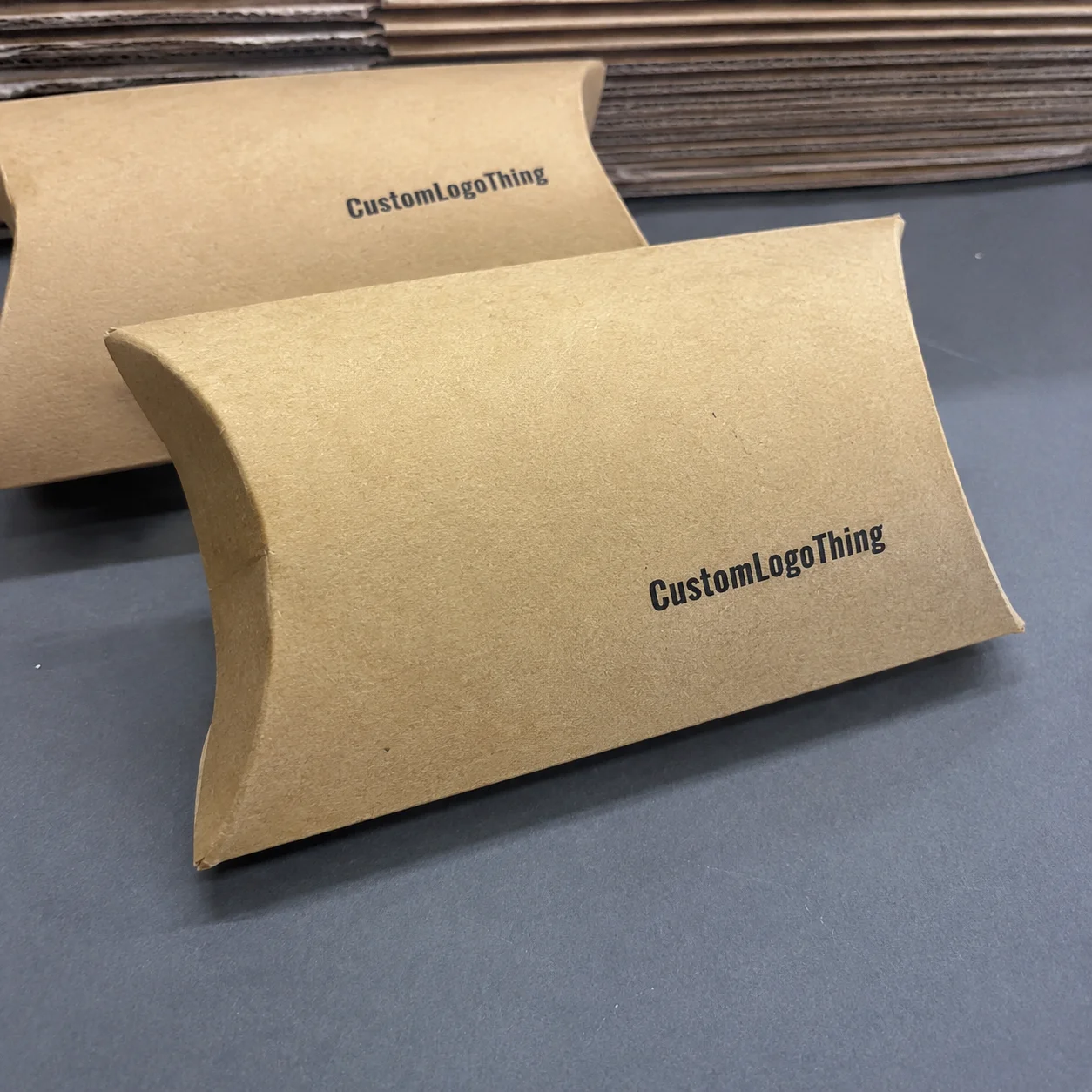
Compliance and branding details belong in the same spec. Include suffocation warnings where applicable, recycling marks if appropriate, country-of-origin labeling, barcode placement, carton labels, and inbound receiving requirements. For fiber-based carton decisions, some buyers also ask about FSC-certified paperboard or corrugated sourcing; the Forest Stewardship Council provides certification background at fsc.org.
If your team is comparing branded packaging formats, the examples on our custom packaging case studies page can help frame the tradeoff between presentation and packout efficiency.
Cost, MOQ, and Unit Cost Drivers in Carton Packing
The lowest unit price is not always the lowest landed cost. Packaging math has a familiar trap: a buyer saves fractions of a cent on the bag, then loses far more through dimensional-weight freight, repacking labor, damaged cartons, or warehouse exceptions. The carton is not a footnote. It is part of the commercial package.
Main price drivers include film thickness, bag size, print coverage, number of print colors, header construction, adhesive strip, hole punching, order quantity, packing method, carton grade, and inspection requirements. A plain small OPP header bag may be inexpensive at scale. A full-color printed bag with a reinforced header, adhesive closure, and strict bundle labeling costs more because setup and handling increase.
Custom printed OPP header bags usually carry higher minimum order quantities than plain stock bags. Printing plates, ink setup, material allocation, and machine time need enough volume to make the run practical. Depending on size and print method, a realistic custom MOQ might start around 5,000 to 10,000 pieces for simpler work, while complex or large-format printed bags may require higher quantities. Supplier capability and production route matter, so treat any single number as a starting point, not a rule.
Carton packing changes the quote. Packing 100 bags per bundle can cost slightly more in labor than loose bulk packing. It can also reduce miscounts, speed kitting, and make cycle counting easier. If a kitting line costs $25–$40 per labor hour fully loaded, saving a few minutes per carton can offset a small packing premium.
| Spec choice | Typical impact | Buyer watchpoint |
|---|---|---|
| 35-micron clear OPP, plain | Lower material cost, tighter carton cube | May feel too light for rigid or premium items |
| 50-micron OPP with printed header | Higher stiffness and stronger shelf appearance | Can increase carton size and freight cube |
| 100-count bundles | Better counting and line control | Slightly higher packing labor than loose bulk |
| Loose bulk master carton | Often cheaper to pack | Higher risk of miscounts, scuffing, and slow issuing |
| Heavier corrugated master carton | Better stacking strength | Adds carton cost and weight, but may reduce damage |
Freight math can be counterintuitive. A carton of OPP bags may be light but bulky, which means carriers may rate it by dimensional weight rather than actual weight. Before approving a subscription Brands OPP Header Bags Carton packing spec, compare pieces per carton, carton dimensions, cartons per pallet, and pallet height. A carton that holds 1,500 pieces instead of 1,000 may reduce carton count, but only if the resulting size and weight still work for receiving and handling.
Ask for tiered pricing at two or three quantities, such as 5,000, 10,000, and 25,000 pieces. Also request the carton packing method as a visible line item or note. Procurement needs to know whether savings come from production scale, thinner film, looser packing, or a more efficient master carton. Those are different savings with different risks.
Process and Lead Time: From Artwork Approval to Packed Cartons
A clean production path usually follows a predictable sequence: spec confirmation, artwork dieline, prepress check, proof approval, material scheduling, printing, cutting and sealing, header punching or finishing, counting, bundling, carton packing, QC, and shipping. Miss one detail and the chain slows down.
Lead time depends on the job. Custom printing, unusual film gauges, large-volume runs, multi-SKU assortments, and strict carton labels can extend turnaround. For many custom printed flexible packaging runs, buyers should think in terms of multiple weeks rather than days, especially when sampling and transit are included. A simple repeat order may move faster. A first run with new artwork and new carton rules rarely does.
Delays tend to come from familiar places: incomplete artwork, missing dieline confirmation, late barcode files, unclear packing quantities, and changes after proof approval. The carton spec is a frequent culprit. If the supplier does not know whether to pack 500 or 1,000 pieces per carton, whether each bundle needs a label, or whether the master carton needs a barcode on two sides, production may pause before final packing.
For a new subscription program, use a sample-first workflow. Confirm the product fit. Check header visibility. Test bag stiffness. Scan the barcode through or on the bag if scanning matters. Review the packed carton count. Stack sample cartons if possible and watch for crushing, bowing, or slippery movement. If the item will travel through parcel networks after kitting, consider relevant transport testing concepts from organizations such as ISTA, especially for finished subscription boxes.
Back-schedule from the fulfillment center’s receiving deadline. Then add buffer for QC sampling, transit, and possible carton rework. If the receiving deadline is Friday, the production completion date should not also be Friday. Obvious in theory; less obvious after a barcode label revision consumes two days.
Recurring orders can get faster after the first run. Tooling, dielines, approved samples, carton marks, bundle counts, and pallet instructions are already known. The buyer’s job is to prevent silent drift. If the second order changes quantity, SKU mix, or fulfillment destination, recheck the carton packing assumptions before saying “same as last time.”
Common Packing Spec Mistakes That Create Hidden Rework
The first mistake is ordering by outside bag size only. A 5 × 7 inch bag does not always provide a 5 × 7 inch usable space. Side seals, bottom seal, header fold, adhesive closure, and product thickness all reduce practical capacity. For thicker items, the flat size may need to increase more than expected because the film has to wrap around depth.
The second mistake is ignoring carton weight. A master carton can be efficient on paper and miserable in a warehouse. Many fulfillment operations prefer cartons that stay under roughly 30–40 lb for routine manual handling, although policies vary. If the carton is too heavy, workers may split it, repack it, or flag it as a handling issue. None of that appears in the original bag unit price.
The third mistake is mixing SKUs without clear marks. If three printed header bag versions arrive in one master carton with weak inner labels, kitting slows down. Mis-picks increase. A color-coded bundle sticker, separate inner carton, or large SKU label can prevent hours of sorting. For subscription drops with tight ship windows, visual control is operational insurance, not decoration.
The fourth mistake is approving beautiful full-coverage printing without testing scuffing, blocking, ink transfer, or readability after stacking. OPP is smooth. That is part of its appeal. It also means surfaces can rub in transit. Heavy dark ink on glossy film needs practical handling checks, especially if bags are bundled tightly or shipped in warm conditions.
The fifth mistake is failing to share fulfillment center inbound rules. Many centers specify maximum carton dimensions, maximum carton weight, barcode label placement, pallet height, carton strength, and advance shipping notice requirements. A supplier cannot follow rules they never received. The result is predictable: exception receiving, relabeling, chargebacks, or delayed release to inventory.
Here is the investigative comparison I keep coming back to: the bag is the evidence everyone photographs, but the carton spec is often the cause of the operational failure. A polished header bag can still damage a subscription drop if the master cartons are hard to count, awkward to store, or rejected at inbound receiving.
Next Steps: Build a Clean Spec Sheet Before You Order
Build the spec before chasing the lowest quote. A one-page internal sheet can save days of clarification and reduce the risk that design, procurement, and fulfillment are approving different assumptions.
Use this checklist before sending the job out:
- Measure the product: Include length, width, thickness, weight, and any sharp or rigid edges.
- Choose target bag dimensions: Separate outside size from usable internal space.
- Confirm header height: Common headers may run around 1–2 inches, but the right height depends on branding, hang hole, and closure.
- Select film gauge: Compare clarity, stiffness, scratch risk, and carton cube.
- Decide print needs: Specify colors, coverage, barcode location, warning text, and registration expectations.
- Define bundle count: Choose 50, 100, 200, or another count based on kitting workflow.
- Set master carton quantity: Balance count efficiency against carton size and weight.
- Request carton dimensions: Ask for length, width, height, net weight, and gross weight.
- Confirm labeling: Include SKU, PO, quantity, country of origin, barcode, and destination rules.
- Check pallet handling: Confirm cartons per pallet, pallet height, stretch wrap, and mixed-SKU rules.
If the item has unusual thickness, sharp corners, multiple pieces, or a premium surface that scratches easily, send the manufacturer the actual product or a dimensioned mockup. A PDF drawing helps. A physical sample catches different problems. The bag may need more clearance, a different film, or a looser carton pack than the spreadsheet suggests.
Ask for a pre-production sample whenever timing and budget allow. If that is not possible, request a digital proof plus written carton packing confirmation before mass production begins. The confirmation should name the bundle count, master carton quantity, carton dimensions, gross weight, and carton label content. A vague “standard export carton” is not enough for most subscription operations.
Keep the spec sheet shared. Procurement should not negotiate one version while design approves another and fulfillment receives a third. For Custom Logo Things projects, this is why a practical packaging brief matters more than a polished mockup alone. If your team is still shaping the program, our custom logo packaging case studies can help identify the questions to settle before purchase order approval.
Before approving the PO, compare the bag sample, supplier quote, carton packing spec, and fulfillment rules line by line. The strongest subscription brands OPP Header Bags Carton Packing spec decisions protect margin, delivery timing, and the customer unboxing experience at the same time.
FAQs
What should be included in an OPP header bag carton packing spec for subscription brands?
Include bag size, usable internal space, header height, film thickness, closure type, print details, pieces per bundle, bundles per carton, master carton dimensions, gross weight, carton labels, pallet instructions, and any fulfillment center inbound rules. For a recurring program, also include SKU separation rules and barcode placement.
How does carton packing affect the unit cost of custom OPP header bags?
Carton packing can affect labor, carton material, freight cube, storage efficiency, and counting accuracy. A slightly higher packing cost may lower total landed cost if it reduces repacking, miscounts, warehouse handling time, or dimensional-weight freight charges.
What MOQ should subscription brands expect for printed OPP header bags?
MOQ depends on bag size, print method, film type, and production setup. Plain or lightly customized bags usually have lower minimums than fully custom printed OPP header bags with special finishes, multiple colors, or reinforced headers. For many custom runs, buyers should be prepared to discuss quantities in the thousands.
How early should I finalize OPP header bag specs before a subscription box launch?
Finalize specs as early as possible, especially if the bag is printed, has a special header, or must meet strict fulfillment center requirements. Build in time for sampling, artwork approval, production, carton packing, QC, transit, and receiving. The first run usually needs more buffer than repeat orders.
Can one carton packing spec work for several subscription SKUs?
Sometimes, but only if the bags share similar size, thickness, bundle count, and handling requirements. If SKUs vary by print, size, fulfillment destination, or kitting sequence, separate carton marks or separate master cartons usually reduce warehouse errors.