Coffee Shops OPP Header Bags Warning Label Guide: Buy Right
A practical coffee shops OPP Header Bags warning label guide for pastry, cookie, merch, and impulse-counter packaging that stays readable, compliant, and production-friendly.
Coffee Shop OPP Header Bags for Retail Counters
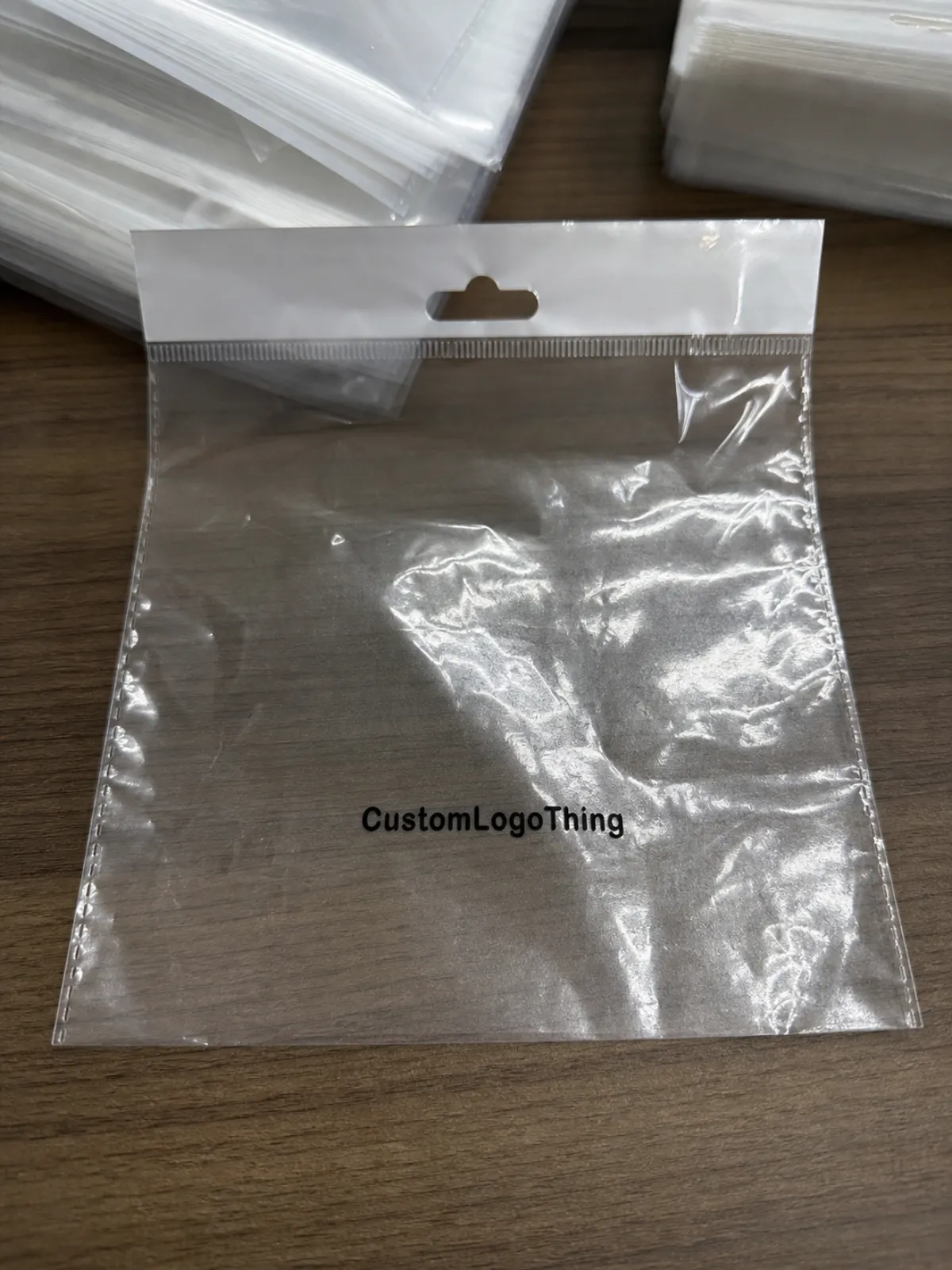
A coffee shop adds house-made cookies near the register. Then biscotti. Then dog treats. Then a small pile of branded stickers, pins, and brew cards. The product sells, the clear bag looks sharp, and then someone notices the warning label is missing, microscopic, or stuck on crooked. Very glamorous. Also very common.
This coffee shops OPP Header Bags warning label guide is about preventing that packaging mess before a custom print run turns into expensive scrap. OPP header bags are clear oriented polypropylene bags with a top header area used for branding, hanging holes, fold-over closures, printed product information, or caution text. They are popular with cafés because they make small items look retail-ready without the cost of folding cartons, rigid boxes, or full printed pouches.
A basic OPP header bag might hold a 2-ounce cookie, a 4-pack of mini biscotti, a flat sticker sheet, or a 3-inch enamel pin card. The attraction is obvious: high clarity, low weight, crisp presentation, and enough printable space to look intentional instead of improvised.
Warnings are not decoration. They may be needed depending on bag size, opening size, product type, distribution area, and risk category. Common examples include suffocation warnings for certain plastic bags, allergen statements for food, small parts warnings for pins or charms, and state-specific notices for certain materials or products. Not every bag needs every warning. Printing everything “just in case” can make the package ugly and, in some cases, less accurate.
The practical goal is simple: decide what belongs permanently printed on the bag, what belongs on a variable sticker, and what should stay off the package. If you sell three cookie flavors, one dog treat, and a rotating seasonal gift tag, one universal bag may work only if the fixed copy is truly fixed. Otherwise, congratulations, you bought inventory with an expiration date.
How OPP Header Bags Work for Coffee Shop Products
An OPP header bag has a few working parts. The clear pocket holds the product. The header strip sits above the pocket and acts like a small retail sign. Many versions include an adhesive flap, a peel-and-seal strip, a fold-over top, a round hang hole, or a euro slot for peg displays.
Some header bags have gussets for thicker goods, though many coffee shop formats are flat because cookies, cards, filters, and small accessories usually do not need much depth. Flat bags also pack faster, cost less, and stack more cleanly behind the counter.
That header changes the sale. A plain clear bag says “someone packed this in the back.” A printed header with a logo, product name, flavor cue, and clean warning placement says “this belongs on the counter.” For impulse items around $3-$12, that difference matters. Customers do not study small products for long. They glance, understand, and either grab or ignore.
Coffee shops use these bags for individually wrapped cookies, chocolate bars, tea sachets, sample coffee packs, loyalty gifts, stickers, pins, paper filters, tasting cards, brew accessories, and seasonal bundles. A 4 inch by 6 inch pocket with a 1.5 inch header can work for small flat items. A 5 inch by 8 inch pocket may suit biscotti or a larger cookie. Thick items may need a side gusset, a wider mouth, or more headspace so staff are not wrestling with packaging during the morning rush.
Printed warnings and applied labels both have a place. Printed warnings look cleaner, reduce hand labor, and help every bag leave the counter with the same baseline information. Applied labels are better for short runs, test products, variable ingredients, best-by dates, net weight changes, and seasonal names.
The labor math can be rude. If a staff member applies 500 warning stickers by hand at 7 cents each plus labor, the “cheap” option stops being cheap quickly. Stickers still make sense for changing data. They make less sense when the same warning appears on every bag for months.
OPP is glossy, stiff, and very clear. That is good for product visibility and bad for weak contrast. A warning printed in pale beige on clear film is not a warning; it is decoration pretending to have a job. Use dark ink, enough type size, and a stable background when possible. A practical layout is logo and product name on the front header, suffocation or caution copy on the back header, and a lower back label for nutrition, allergen, batch, or date information.
For variable product labels, many shops pair custom bags with Custom Labels & Tags so the permanent bag stays clean and the changing information stays easy to update.
Warning Label Rules Coffee Shops Should Check Before Printing
Warning requirements are not one-size-fits-all. They depend on bag dimensions, film thickness, product type, where the item is sold, who might handle it, and whether the item is food, non-food, children’s merchandise, or a promotional product. A coffee shop selling a sealed cookie at one counter faces different issues than a shop shipping pin-and-sticker bundles through corporate gifting programs.
Suffocation warnings are the one many buyers hear about first. In plain English, many businesses add suffocation warnings to plastic bags above certain size thresholds, especially when the opening is large enough to create a hazard for children. Exact language, type size, and placement can vary by jurisdiction, retailer requirement, and internal risk policy. Confirm with counsel, local rules, or the sales channel before printing 20,000 bags. Annoying? Yes. Cheaper than reprinting? Also yes.
Food packaging adds another layer. Depending on how the product is made, packaged, and sold, you may need ingredient statements, allergen declarations, net weight, manufacturer or packer information, best-by dates, lot codes, or handling statements such as “keep refrigerated” or “produced in a facility that also processes nuts.” The FDA provides general food labeling resources at FDA Food Labeling & Nutrition, and local health departments may add their own requirements.
There is also a difference between food-safe packaging and a decorative outer bag. If the cookie is bare, oily, or moist, the inner wrap needs to be suitable for direct food contact and appropriate for the product. A decorative OPP header bag may still be useful as the retail presentation layer, but it should not be assumed to solve grease resistance, freshness, oxygen barrier, or direct-contact requirements unless the material specification supports that use.
Non-food products create different headaches. Pins, charms, small toys, and accessories may need small parts warnings if children could access them. Coffee shops love cute add-ons. Regulators do not care that the enamel pin is adorable. If an item is not intended for children, say so where appropriate and avoid artwork, copy, or product placement that makes it look like a toy.
Do not overprint specific information onto a shared bag. If the same OPP header bag will hold almond biscotti in spring, peppermint cookies in winter, and dog treats during a weekend event, permanent ingredient copy is a bad idea. Use permanent printing for stable elements: logo, brand color, general caution copy, web address, QR code, and maybe a blank write-in batch box. Use stickers for flavor, ingredients, net weight, date, price, and batch information.
Practical rule: fixed risk language can usually live on the bag. Changing product data should usually live on a label. Mixing those up is how packaging inventory becomes shelf clutter.
Save final warning wording in a controlled file with a version date, reviewer name, and approved placement. Not in a random text thread. Not in a screenshot. Not in “final-final-use-this-one.pdf” sitting on one person’s laptop. The process works only if the approved copy can be found before reorder time.
Cost, MOQ, and Unit Cost Tradeoffs for Printed Warning Labels
Pricing for printed OPP Header Bags is driven by bag size, film thickness, print colors, print coverage, header construction, adhesive style, hang hole type, order quantity, setup costs, and whether warnings are printed inline or added as labels. A simple 1-color header print on a stock-like size costs less than a full-coverage front-and-back custom bag with multiple PMS colors, a euro slot, and special adhesive.
Small runs carry higher unit costs because setup is spread across fewer pieces. Larger runs reduce unit cost but increase inventory risk if warning copy changes, product names change, or your “limited seasonal item” turns out to be limited because nobody buys it. For many coffee shops, a useful quote set includes a test quantity, a practical reorder quantity, and a volume break quantity: 1,000, 5,000, and 10,000 pieces, adjusted to the supplier’s actual MOQ.
| Option | Best For | Typical Tradeoff | Buyer Watchout |
|---|---|---|---|
| Blank OPP header bags plus stickers | Testing flavors, short runs, events, rotating SKUs | Lower commitment, more staff labor | Sticker alignment can look rough after 200 hand-applied labels |
| Printed logo with stickered warning | Brand presentation with flexible compliance copy | Cleaner front, still some labeling work | Warning sticker must stay visible after filling and sealing |
| Fully printed warning and branding | Consistent products, higher monthly usage, retail displays | Higher setup, lower packing friction | Bad copy becomes expensive inventory |
As a rough planning range, very small custom runs can feel painful because plate, proof, or setup charges do not care that you only need a few hundred pieces. At 5,000 pieces, a simple printed header bag might land in a more reasonable unit-cost zone, often around $0.12-$0.35 per bag depending on size, material, colors, coverage, and freight. That range is not a quote. It is a sanity check so nobody acts shocked that a 4-color custom bag is not priced like a blank commodity sleeve.
Printed warnings save labor. Stickers save flexibility. That is the real trade. If staff apply 2,000 labels per month and each label takes 8-12 seconds to place cleanly, that is 4.4-6.7 labor hours before counting mistakes, rework, and the soul drain of peeling tiny rectangles all morning. For a busy counter, direct printing can pay for itself faster than expected.
Ask for tiered quotes in one conversation: test quantity, reorder quantity, and volume break. Also ask whether artwork cleanup, proof revisions, rush production, freight, carton labeling, and storage are included. Quote-page confetti is a thing. A “low unit price” with surprise setup, rush fees, and expensive freight is not low. It is just wearing a nice hat.
Process, Timeline, and Production Steps From Artwork to Delivery
The buying process should be boring in the best way. Define the product use. Choose the bag size. Confirm warning needs. Prepare artwork. Request a quote. Review the dieline. Approve the proof. Produce the bags. Inspect them. Ship them. Reorder before the last case is opened.
Simple steps, yes. Skipping one can cost real money.
Artwork should include a vector logo, readable warning text, placement instructions, PMS or CMYK color expectations, barcode or QR code if needed, and safe margins around seals, folds, hang holes, and adhesive areas. A flat rectangle on screen is not the finished bag. Seals eat space. Folds move artwork. Hang holes punch through whatever poor design element wandered into their path.
Proofing is not ceremonial. Check spelling, warning wording, type size, contrast, logo position, seal clearance, flap direction, and whether the staff can open and close the bag without blocking the printed information. Print a paper mockup at actual size if the supplier has not sent a physical proof yet. Tape it around the product. Crude? Sure. Useful? Absolutely.
Timeline depends on the path. Stock OPP Bags with Custom stickers can sometimes be ready within a few business days after label approval, depending on label quantity and local production. Fully custom printed OPP header bags often need more time for artwork review, proofing, plate or cylinder setup, production, quality checks, and freight. A practical planning window is often 12-25 business days from proof approval for standard custom production, with longer timing for sampling, larger orders, overseas freight, or busy seasonal queues.
Physical samples are worth the minor delay when the product is new, greasy, fragile, oddly shaped, or premium-priced. Samples confirm fit, clarity, header stiffness, closure behavior, glare, and whether warning copy remains readable once the bag is filled. A thick brownie may cover a back-panel warning that looked perfect on a blank dieline. Test with the actual product, not the imaginary version that behaves politely.
For shipping and shelf handling, ask whether the film gauge suits the item. Many OPP bags fall around 1.2-2.0 mil, though exact specs vary. Thin film can wrinkle around heavy cookies. Stiffer film can look crisp but may split if the fit is too tight. If products ship beyond the shop counter, consider basic transit testing principles from groups like ISTA, especially for gift packs or multi-item bundles.
Quality control should be practical, not theatrical. Pull samples from the first carton and check print registration, ink rub, bag dimensions, seal strength, flap adhesion, hang-hole position, and warning readability. Count a small stack if exact case quantities matter for inventory. If a QR code is printed, scan it from the finished bag under normal light, not only from the proof PDF. If a barcode is used for retail partners, confirm quiet zones and scannability before shipment whenever possible.
Set a reorder trigger. If monthly usage is 1,200 bags and production plus freight can take 20 business days, reordering at 2,000 pieces left may be rational. Waiting until the final box is open is not brave. It is just expensive planning with worse lighting.
Common Mistakes That Make Header Bag Warnings Expensive
The first mistake is putting the warning where the product covers it. A chunky cookie, folded merch card, or stack of filters can hide back-panel text. Fill the bag with the actual item, seal it, hang it, lay it flat, and hand it to someone who has not seen the artwork. If they cannot find the warning in 3 seconds, fix the placement.
The second mistake is choosing beautiful but unreadable print. Low contrast, tiny type, glossy glare, and busy patterns can make a warning technically present but practically useless. For caution text, choose function over mood board. Black, dark brown, charcoal, or another high-contrast ink usually beats soft beige, pale gray, or brand-approved whisper colors.
The third mistake is printing variable information permanently. Ingredients change. Net weights change. Best-by dates definitely change. Seasonal claims disappear. If the bag needs to serve multiple SKUs, keep those details on stickers or separate labels. A shared custom header bag paired with Custom Labels & Tags is often the smarter structure.
The fourth mistake is forgetting retailer or marketplace requirements. Local grocers, hotels, event venues, corporate gift programs, and online marketplaces may require specific label language, barcode placement, country-of-origin details, carton markings, or warning positions. Ask before production. Partners get very specific after you have already printed the wrong thing. Funny how that works.
The fifth mistake is using one bag size for everything. Oversized bags look sloppy and may create new warning considerations. Undersized bags crush pastries and slow staff down. A cookie that measures 3.75 inches wide probably should not go into a 4 inch bag unless the thickness and seal area have been tested. Give the product breathing room, but not a sleeping bag.
The sixth mistake is approving art without a compliance owner. Someone needs to decide who reviews warning language, food label copy, and product claims. Not the designer by default. Designers make things pretty; they are not your unpaid regulatory department.
- Wording confirmed: final warning text reviewed and saved in a controlled file.
- Type readable: text checked at actual size, not zoomed to 180% on a monitor.
- Placement visible: warning remains clear after filling, sealing, hanging, and handling.
- Product fit tested: actual cookie, merch card, pin, or accessory placed inside the sample bag.
- Variable info separated: ingredients, dates, net weight, and seasonal copy kept on labels if needed.
- Material checked: film gauge, closure, food-contact suitability, and grease behavior reviewed for the actual use.
- Quantity aligned: order volume based on monthly usage, seasonal spikes, and realistic reorder timing.
That checklist is plain because packaging approval should be plain. The goal is not to make buyers nervous. It is to catch predictable problems while they are still cheap.
Next Steps Before You Order Custom Header Bags
Start with the product list. Write down every item going into the bags: chocolate chip cookie, almond biscotti, dog treat, sticker sheet, enamel pin, filter pack, seasonal sample, gift card bundle. Measure each item in inches or millimeters, including thickness. Then decide which SKUs can share one bag without looking sloppy or hiding required copy.
Next, separate fixed copy from variable copy. Fixed copy may include the logo, brand URL, social handle, general suffocation warning, QR code, or a broad handling statement. Variable copy may include flavor, ingredients, allergens, net weight, batch code, best-by date, price, and seasonal names. This one exercise prevents many bad print decisions.
Create a simple packaging brief before requesting a quote. Include bag size, product photo, estimated monthly usage, desired header layout, print colors, closure type, hang hole needs, warning text, shipping deadline, and any retailer requirements. If you are unsure about the size, send the product dimensions and ask for recommendations. Good suppliers can usually suggest two or three practical bag formats.
Request a dieline before final artwork. A flat design file is not the same as a bag with folds, seals, adhesive, and a hanging hole. This is how logos end up living under adhesive strips. Give the designer the actual dieline, not a guessed rectangle.
Order samples or a pre-production proof when the product is new, oily, fragile, thick, or intended for a premium display. Greasy baked goods may need an inner food-safe wrap before going into a decorative header bag. Fragile biscotti may need a slightly larger pocket or a backer card. Premium merch may need a cleaner header and tighter registration tolerance than a basic giveaway item.
Ask for tiered pricing, production lead time, freight options, carton quantities, and reorder timing in the same conversation. Piecemeal quoting wastes everyone’s time. If labels will be part of the system, price them alongside the bags through Custom Labels & Tags so the total packed cost is visible before ordering.
Use the buyer’s discipline behind this guide as a pre-order checklist: fixed copy locked, variable copy separated, warning placement tested, material matched to the product, and reorder timing planned before the first case arrives. A good header bag should make the counter look organized, not create a tiny compliance scavenger hunt next to the register.
FAQ
Do coffee shops need warning labels on OPP header bags?
Sometimes. It depends on bag size, product type, where the item is sold, and whether the bag or product creates a specific hazard. Common label needs include suffocation warnings, allergen or ingredient information, small parts warnings, and handling or storage statements. Confirm requirements before printing because fixing a custom bag after production is usually expensive and deeply annoying.
Can the warning label be printed directly on OPP header bags?
Yes, fixed warnings can usually be printed directly on the header or back panel. Printed warnings look cleaner and save staff time compared with hand-applied stickers. Use stickers instead for information that changes often, such as ingredients, net weight, batch dates, best-by dates, or seasonal product names.
Where should a warning label go on coffee shop header bags?
Place it where it stays visible after the bag is filled, sealed, displayed, and handled by customers. The back header area is often a practical spot for suffocation or general caution text. Avoid seal lines, adhesive areas, hang holes, folds, and any area blocked by the product.
What affects the cost of custom OPP header bags with warning labels?
Major cost factors include size, film thickness, print colors, print coverage, order quantity, setup costs, closure style, and freight. Direct printing usually costs more upfront than blank bags, but it can lower labor cost if staff would otherwise apply labels by hand. Ask for tiered pricing so you can compare test-run, reorder, and volume quantities.
How long does it take to produce printed OPP header bags for coffee shops?
Timing depends on artwork readiness, proof approval, production queue, quantity, sampling needs, and shipping method. Stock bags with stickers are usually faster than fully custom printed bags. Build in extra time for compliance review and physical samples if the product is new or the warning copy has not been finalized.


