Buy Subscription Heavyweight Winter Hats Unit Cost Quote
A quote for subscription Heavyweight Winter Hats Unit cost should answer two questions immediately: what the hat costs, and what happens when that same hat is repeated across several drops. If a supplier cannot separate those numbers, the quote is incomplete. The knit weight matters, but the bigger budget swings usually come from short runs, repeated setup, decoration changes, and packaging that has to be recreated every time.
For recurring programs, the most reliable cost control is usually plain and unglamorous: keep the body consistent, standardize decoration, and build around hats that feel warm, structured, and worth the retail shelf space. That is how buyers get cleaner bulk pricing and fewer surprises when the second or third drop lands.
Why repeat orders change unit cost
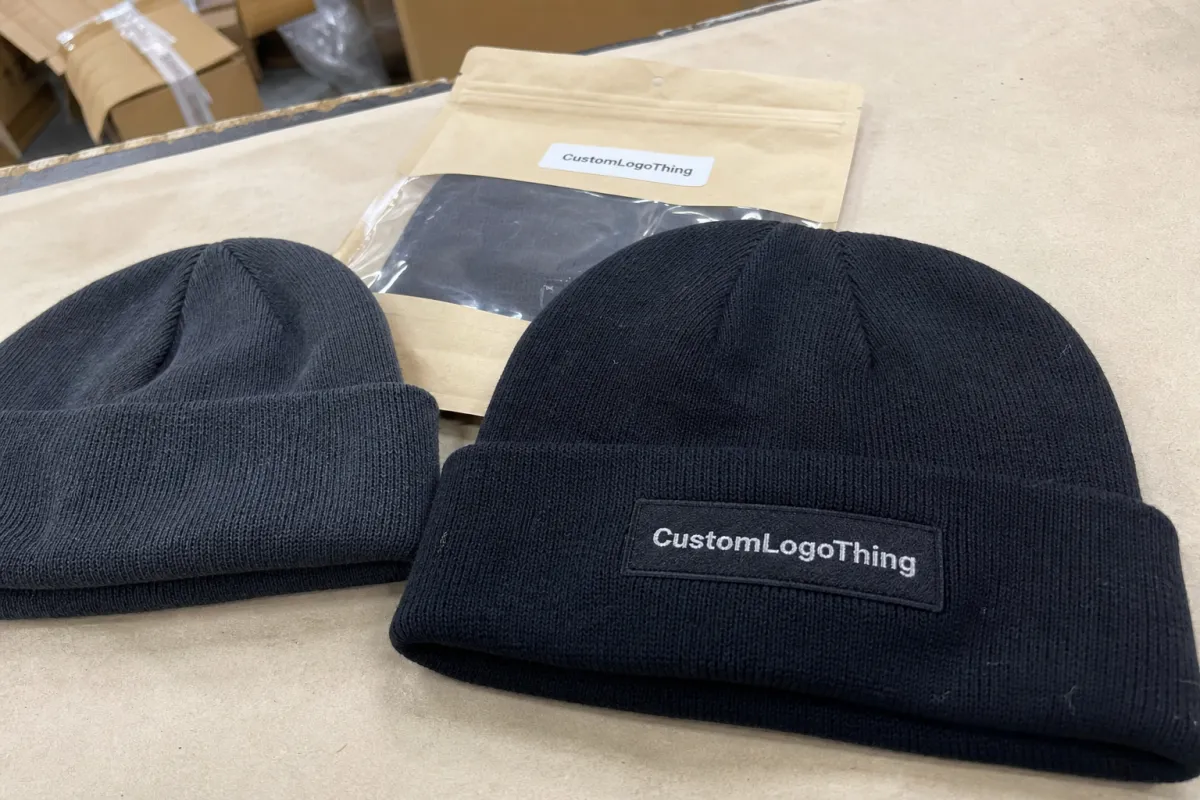
subscription Heavyweight Winter Hats unit cost tends to improve once the body stays the same across multiple drops. That is the part many buyers underestimate. They focus on yarn grams, but the factory is also paying for sample coordination, stitch programming, art handling, approval cycles, and packing labor. If those elements change every month, the quote never settles.
A heavier hat can be a stronger value than a standard beanie if the customer is buying warmth rather than a token winter accessory. Dense knit, a folded cuff, and a lined interior often justify a higher retail price because the product feels substantial in hand and performs better in cold weather. In subscription boxes, team stores, and winter promo kits, that tactile difference matters. A hat that feels flimsy on arrival creates the wrong impression before anyone tries it on.
The cleanest cost structure usually comes from one stable hat body with only a few variable elements:
- Fixed body: same yarn weight, cuff height, and crown depth.
- Variable decoration: patch, woven label, or embroidery that can change without rebuilding the product.
- Repeatable packout: same folding method, same bag or hang tag, same carton count.
Change the body and the order behaves like a new product. Keep the body stable and the unit cost becomes much easier to forecast. That difference is the line between a useful quote and a number that only looks precise.
If the body changes every drop, it is no longer a reorder. It is a new product with old artwork.
That is why subscription buyers should ask for pricing by drop, not just by annual volume. A supplier may look expensive on the first order and become competitive once the same pattern is used again. The reverse happens too. A low first quote can become expensive when the next run introduces a different patch shape, a new colorway, or extra handwork.
Construction choices that shift pricing
Heavyweight Winter Hats are not one thing. They are a stack of choices, and each one nudges the cost per piece. The main variables are yarn type, knit gauge, cuff height, lining, and any topper such as a pom or faux-fur ball. A simple rib knit with a fold-over cuff is one build. A dense double-layer beanie with a soft lining and a custom top detail is another.
Thicker yarn usually gives the hat a warmer, more structured feel, but it can also tighten the knit and reduce stretch if the factory pushes the gauge too far. That matters because a sample can look excellent flat on a table and still feel stiff on a real head. Buyers selling commuter gear, outdoor merch, or winter kits should test comfort as carefully as appearance.
Material choice affects decoration as well. Dense knit surfaces are not always friendly to tiny logos. A woven patch or sewn badge often sits better than a large embroidery field on very heavy ribbing. If the order needs sustainability language on packaging, paper tags or insert cards can be specified with FSC-certified paper without changing the hat itself.
For recurring programs, it helps to standardize the following early:
- Yarn type: acrylic, acrylic blend, wool blend, or merino blend.
- Gauge: denser knit for warmth and visual weight, looser knit for softer stretch.
- Lining: single-layer, fleece-lined, or thermal-lined.
- Topper: none, yarn pom, or faux-fur pom.
- Decoration zone: front cuff only unless the design truly needs more space.
Heavier does not automatically mean better. A thick hat that feels awkward under a hood or helmet can create returns and complaints. The best spec is the one that balances warmth, comfort, and repeatable production. That is how buyers protect subscription heavyweight Winter Hats Unit Cost without sanding off the product’s value.
Specs that control fit, warmth, and decoration
Before anyone quotes the order, lock the measurements that actually control fit and decoration. Otherwise, two factories can price what appears to be the same hat and end up quoting different products. That is how buyers get confused and blame the supplier when the spec sheet was incomplete.
At minimum, ask for these numbers:
- Head circumference: target range in inches or centimeters.
- Crown depth: how far the hat sits from opening to top.
- Cuff width: folded height and whether it is single or double fold.
- Stretch range: useful for adult, youth, or unisex fit.
- Decoration placement: center front, offset, or side placement.
Decoration quality on heavy knit surfaces depends on the usable flat area. A folded cuff gives more room for a patch or embroidery than a short cuff with a lot of rib pull. That sounds obvious until art is approved for a 3-inch patch and the finished cuff only gives a 2.25-inch clean zone. Then somebody is unhappy, and the factory gets blamed for physics.
For heavy hats, these decoration methods are usually the most practical:
- Embroidery: good for simple logos, but stitch counts need discipline.
- Woven patch: clean on rib knit and often the safest value choice.
- Leather patch: premium look, but can add tooling fees or extra setup charges.
- Sewn label: low-profile branding for subtle programs.
- Full-knit graphics: strong visual impact, but higher MOQ pressure and less room for revision.
If the order uses transit cartons and retail-ready packing, ask how the supplier checks count, compression, and outer-box strength. For shipping tests and packout discipline, ISTA methods are a decent reference point, especially when hats are part of a broader apparel or gift program. You do not need a lab lecture. You do need proof that the boxes can survive the route.
The common mistake is approving art before checking the usable decoration area on the finished hat. That sequence is backward. Confirm the blank size, then place the logo, then quote the order. That order saves time and money.
Pricing, MOQ, and realistic cost ranges
This is the part buyers usually want first: a quote they can use. The honest answer is that subscription heavyweight winter hats unit cost depends on quantity, yarn type, lining, decoration method, and packaging. If the supplier gives a single number without separating those inputs, the quote is either hiding the work or not fully built.
MOQ changes the math quickly. A 200-piece run can carry almost the same artwork and setup burden as a 1,000-piece run, which makes the per-piece cost stay stubbornly high. That is not greed. It is arithmetic. Small runs spread setup charges and sampling work across too few units. Bigger runs usually lower cost per piece, sometimes sharply.
| Hat build | Typical cost per piece at 500 units | MOQ pressure | Best use |
|---|---|---|---|
| Single-layer heavy rib knit + woven patch | $3.20-$5.00 | Lower | Simple subscription drops and promo kits |
| Double-layer or fleece-lined beanie + embroidery | $4.80-$7.50 | Medium | Cold-weather retail and winter bundles |
| Heavy knit + leather patch | $5.50-$8.50 | Medium | Premium branding with a more tactile look |
| Custom knit-in logo body | $6.80-$11.50 | Higher | Signature programs that repeat across drops |
Those ranges are not a promise. They are a practical starting point before freight, duties, and special packaging are added. A sample can run $35-$75 depending on complexity. Setup charges might be $40-$150 for a simpler decorated hat and more if the order needs custom knit programming or special patch work. If a supplier mentions tooling fees, that usually means custom patch shapes, molded badges, or other add-ons that require one-time production prep.
Here is the clean way to read a quote:
- Sample cost: what you pay to approve the first version.
- Unit cost: the per-hat factory price before freight.
- Setup charges: one-time prep for art, knitting, or decoration.
- Packaging cost: polybag, insert card, hang tag, carton labor.
- Freight: air, sea, or domestic transfer, depending on timing.
If the order is tied to multiple ship-to locations or a fulfillment partner, ask for a landed-cost view. Otherwise, the low factory price can look smart right up until freight appears and changes the conversation. For subscription programs, the landed number is the one that matters.
Bulk pricing improves when the body stays fixed and the decoration stays simple. If you want to compare 200, 500, and 1,000 units cleanly, ask for tiered pricing on the exact same spec. That makes the MOQ breakpoints visible instead of hidden behind one neat-looking number.
Timeline from brief to shipment
A smooth order follows a predictable path: brief, artwork, proof, sample, bulk approval, production, quality control, packing, and shipping. Nothing mystical there. The real value is in how quickly each stage gets approved and how few changes are introduced after the proof. Every late change adds time. Sometimes it adds cost as well.
For a well-prepared order, the timeline often looks like this:
- Quote and brief review: same day to 2 business days.
- Artwork proof: 1-3 business days.
- Sample or pre-production photo: 5-10 business days.
- Bulk production: 12-25 business days after approval, depending on yarn and decoration.
- QC and packing: 1-3 business days.
- Freight: varies by lane and mode.
The things that slow a project down are rarely mysterious. Slow art signoff is a big one. Custom yarn sourcing is another. Color matching can drag if the buyer wants a precise shade without providing a usable reference. And if the sample gets revised three times because the patch is too large or the cuff is too short, the calendar gets eaten alive.
Buyers can save real time by approving a standard body, a standard color, and one decoration method that the factory already runs often. That does not make the hat generic. It makes the process repeatable, which is what a subscription program needs. Repeats are where subscription heavyweight winter hats unit cost starts behaving instead of wandering.
Rush production can happen, but only if the spec is tight and the approval chain is short. If the team knows the design, the colors, and the ship dates, the factory has a fighting chance. If the buyer is still deciding whether the patch should be rectangular or oval, rush service is just a wish with a price tag.
Ask for photo QC if the order is shipping blind. A proper check should cover stitch quality, patch placement, color tolerance, packed counts, and carton labels. If the supplier cannot describe that process, the risk does not disappear just because the quote is lower.
How to compare suppliers on repeatability
Supplier selection is a risk decision, not a vibe check. A low first quote is easy. A consistent reorder is the hard part. For a recurring winter program, the supplier has to repeat the same body, the same decoration, and the same packing method without drifting. If they cannot do that, the savings on paper can vanish in rework, missed dates, and extra freight on a rescue shipment.
Compare suppliers on the things that actually affect repeatability:
- Proof quality: are dimensions, placement, and color notes clear?
- Yarn options: are they offering stock yarns or one-off custom colors?
- Repeat-order consistency: can they match the approved sample on later drops?
- QC process: do they inspect stitching, patch alignment, and packing counts?
- Communication: do they answer with numbers, not vague assurances?
A clear spec sheet matters more than a glossy sales deck. The deck can look polished. The hats still need to fit. If the supplier asks good questions about fit, use case, decoration zone, and fulfillment method, that is a better sign than a perfect slide with no numbers behind it.
For distribution programs, ask how outer cartons are labeled and whether the packout is designed for shelf storage, DTC shipment, or subscription box inserts. If the product will travel in corrugated shippers, the carton count and compression tolerance should be checked against the route. That is where a transit standard like ISTA has more value than a pretty product photo.
The hidden cost of weak communication is usually delay. Delay turns into partial shipments, which turn into air freight, which turns into a much more expensive story than the original quote. That is why the best supplier is not always the cheapest one. It is the one that can keep subscription heavyweight winter hats unit cost predictable from the first drop to the next reorder.
One simple filter helps: if two suppliers are close on price, choose the one that gives the cleaner spec sheet, the clearer QC plan, and the better repeat-order path. Small price wins are nice. Avoiding a bad reorder is better.
FAQ
What drives subscription heavyweight winter hats unit cost the most?
Quantity is the biggest lever because setup, sampling, and artwork work spread out as the run gets larger. Decoration choice matters a lot too; a simple woven patch or clean embroidery usually costs less than a complicated knit-in graphic. Lining, pom details, and special packaging can push the number up fast even when the hat body stays the same.
How does MOQ change heavyweight winter hat pricing?
Lower MOQ usually means a higher per-piece price because setup charges are shared across fewer units. The jump is steepest when the order needs custom yarn colors, custom labels, or a special knit pattern. Ask for pricing at 200, 500, and 1,000 units so the MOQ impact is visible instead of hidden.
Do heavyweight beanies cost more than standard winter hats?
Usually yes, because heavier yarn, denser knitting, or lining adds material and machine time. The gap shrinks when the same body is reordered repeatedly or kept close to a standard factory pattern. A heavier hat can still be the better buy if it supports a stronger retail price or a winter bundle.
Which decoration method keeps heavyweight winter hat unit cost lower?
A woven or sewn patch is often the safest value play on dense knit surfaces. Simple embroidery works well when the logo is clean and the stitch count stays reasonable. Avoid overcomplicated full-knit graphics on small runs if the goal is to keep pricing under control.
How fast can a subscription heavyweight beanie reorder ship?
Reorders move fastest when the body, colors, and decoration are unchanged from the approved sample. Stock yarn and a locked spec sheet cut delays more than any sales promise ever will. If the schedule is tight, send the quantity by drop, target delivery window, decoration method, and preferred hat structure together so the supplier can quote the subscription heavyweight winter hats unit cost without guessing.


