The subscription Heavyweight Winter Hats sample checklist exists for one reason: a beanie can look expensive in a mockup and still disappoint the moment someone pulls it over thick hair, headphones, or a winter hood. Heavyweight knitwear is especially unforgiving because the item has to do several jobs at once. It needs to feel warm, hold shape, carry branding cleanly, and survive repeated wear without turning stiff, itchy, or oddly shallow.
That is harder than it sounds. A thick knit can hide construction flaws in a product photo, then expose them in the first five minutes of wear. A crown that looks full on a table may sit too high on the head. A cuff that appears crisp may fight back when folded. A yarn that reads soft in a swatch may feel scratchy once body heat and friction get involved. Subscription programs feel those mistakes more sharply because the customer expects consistency from one shipment to the next.
The goal of this checklist is simple: define approval in measurable terms before production starts. That means fit, warmth, handfeel, stitch quality, logo placement, packaging, and cost. If those standards are not written down early, teams tend to approve the first sample that looks acceptable instead of the sample that actually performs.
Why the subscription heavyweight winter hats sample checklist matters
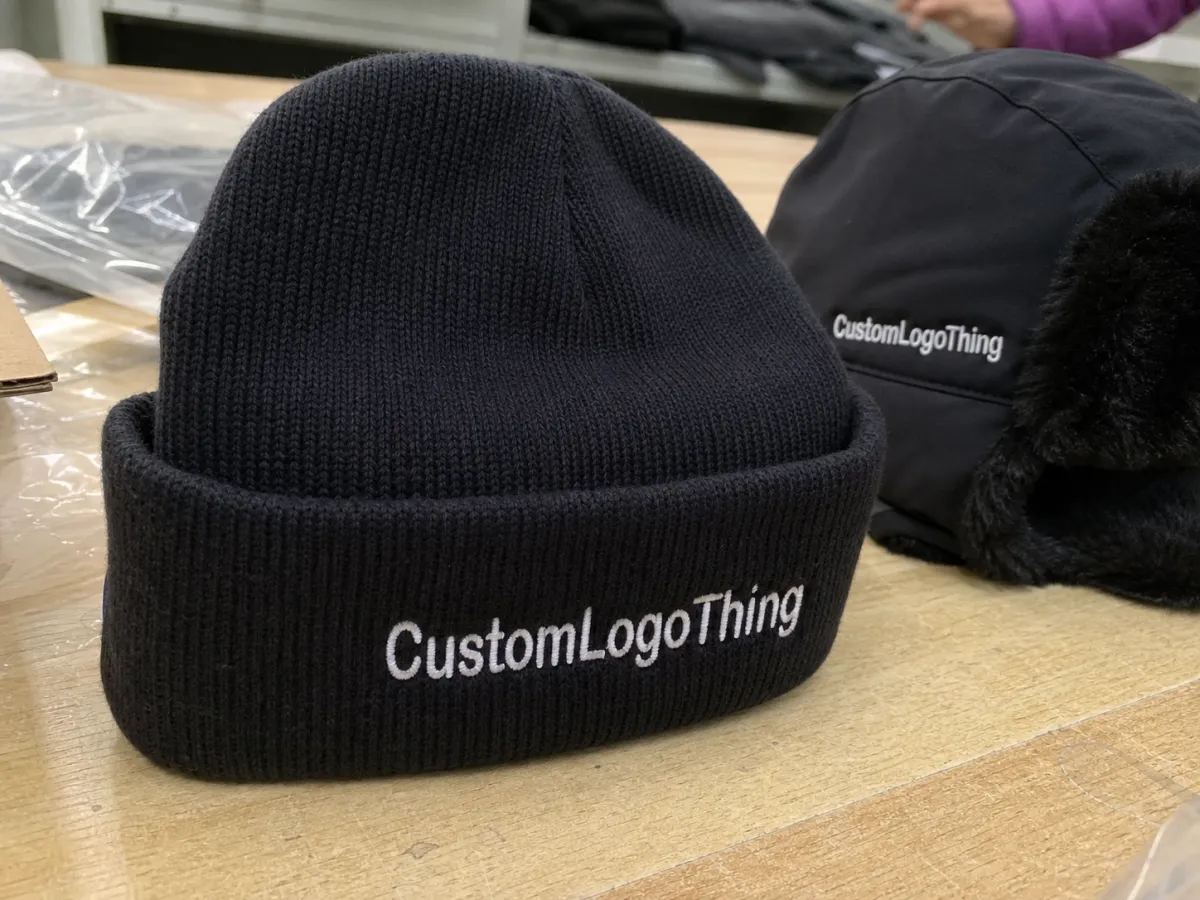
Recurring programs have a long memory. If one winter hat runs small, scratches at the forehead, or arrives with a tilted logo, that flaw repeats in every box until the issue is corrected. The return rate may not spike all at once, but complaints build quietly, and by the time someone notices the pattern, the bulk order is already in motion.
Heavyweight Winter Hats deserve a more disciplined review than basic promotional beanies. The extra thickness changes almost everything: stretch recovery, seam bulk, cuff behavior, and the way embroidery sits on the fabric. Even color can look different once the knit density increases. That is why the subscription heavyweight winter hats sample checklist is less about paperwork and more about protecting the customer experience.
Think of the sample as the benchmark, not a suggestion. It should represent the final mix of yarn, construction, branding, and packaging with enough accuracy that a production piece can be judged against it later. If the sample is vague, the bulk run will be vague too, and vague knitwear usually turns into expensive rework.
If the sample cannot survive a short wear test and still look like the product the buyer expected, it is not ready for bulk.
How the sample approval process and timeline usually works
A good reference pack does more than hand over artwork. It should include target dimensions, yarn or fiber content, knit style, logo size, decoration method, color targets, packaging notes, and the intended wear profile. A beanie for an outdoor-first audience should not be approved using the same expectations as a fashion drop. The use case changes the product.
For most programs, the first sample is a development sample rather than a final proof. If corrections are needed, a second round follows. A straightforward stock-knit program may move faster, while custom yarns, special patches, woven labels, or custom packaging add time. A realistic planning window is often 12-15 business days for the first round, plus another 5-10 business days for revisions, then shipping time on top of that. Complex orders can run longer if yarn sourcing or decoration testing stalls.
Build the schedule with room to breathe. Heavyweight knitwear often needs more time than buyers expect because several parts are moving at once: yarn selection, gauge testing, trim sourcing, decoration trials, and final inspection. If the order has multiple colors or a few packaging variations, approve the core sample first and use it as the control reference for the rest.
One practical rule helps prevent confusion: keep one approval file and one final sample. Sales, sourcing, and operations should not each hold a different version with different comments. That is how small wording changes turn into expensive misunderstandings. A clear approval trail keeps the Subscription Heavyweight Winter Hats sample checklist useful instead of turning it into a pile of scattered opinions.
Materials, warmth, and fit signals to inspect first
Start with the fiber blend. Many heavyweight winter hats use 100 percent acrylic because it is consistent, cost-friendly, and relatively easy to reproduce at scale. Acrylic also tends to hold dye well, which matters when the same color has to repeat across multiple monthly shipments. If the brand wants a softer feel or a more natural story, wool blends can add warmth and structure, but they may introduce itch concerns and a higher price point. Recycled polyester appears more often now too, especially when the buyer is balancing sustainability messaging with mass production realities.
Then check the shape. Body depth, cuff height, and stretch recovery are the first fit cues to verify. Too shallow and the hat rides up. Too deep and it slouches in a way that looks accidental. The right proportions depend on the audience, not on a generic beanie template pulled from an old purchase order. Subscription products should be judged against real customer head shapes, hair volume, and layering habits.
Knit density is the next clue. A denser knit usually holds structure better and blocks wind more effectively. A looser knit may feel softer in hand but can lose shape after repeated wear. That trade-off matters. A cold-weather box might prioritize warmth and recovery, while a style-led subscription may accept a slightly lighter feel if the silhouette is better. There is no universal answer; there is only the fit between the product and the buyer.
Do not skip the inside of the hat. Rough seams, loose floats, scratchy embroidery backs, and bulky label folds can ruin an otherwise polished item. A customer may never describe the issue in technical language, but they will remember that the hat felt cheap or irritating. For a recurring program, that memory matters more than a perfect product photo.
For programs that care about transit durability as well as presentation, it helps to review packaging and parcel handling guidance from ISTA. If your branded insert card or hangtag uses paper stock, chain-of-custody options from FSC can support the paper trail for the full kit.
Cost, pricing, MOQ, and unit cost checkpoints
Separate sample cost from production cost. A sample invoice may be discounted, charged at cost, or waived depending on the vendor relationship, but that line item says almost nothing about the final bulk price. Decoration, packaging, freight, and rework risk can change the economics quickly. Buyers who focus only on the sample fee often underestimate the full landed cost.
For heavyweight winter hats, a custom logo piece might land around $4.25-$9.50 per unit at moderate volume, with landed cost often closer to $6.50-$13.00 once freight, duties, and packaging are included. Those are planning ranges, not promises. Stitch density, yarn choice, trim complexity, and volume breaks can move the number in either direction. A thick knit with premium patching and custom packaging will not behave like a plain acrylic cuffed cap.
MOQ matters just as much as unit cost. Some knit programs allow 300 to 500 pieces per color, while others require 1,000 or more depending on the yarn, machine setup, and decoration method. If the subscription line needs several colors, ask whether the MOQ can be split across shades or whether each color must meet the threshold alone. That detail can make or break a launch calendar.
Decoration choices also affect cost in ways that are easy to miss during early planning. Embroidery is often efficient for small logos, but stitch count can push the price up fast. Woven labels can look clean and controlled, yet they add an application step. Patches read premium, but border finish, thickness, and placement tolerance all affect both price and comfort. The cheapest decoration is not always the one that survives repeated wear.
| Sample stage | Typical lead time | What to verify | Typical cost impact |
|---|---|---|---|
| Blank or stock reference sample | 2-5 business days | Base fit, handfeel, general shape | $25-$60 |
| Knit development sample | 7-14 business days | Stitch density, crown height, color match | $60-$140 |
| Corrected pre-production sample | 5-10 business days | Final yarn, logo placement, trim, packaging | $40-$100 plus freight |
That table keeps the conversation grounded. It is much easier to make a rational approval decision when development, correction, and freight costs are visible side by side. A slightly more expensive corrected sample is usually a smart trade if it prevents a full production run from being wrong.
Step-by-step sample review for subscription buyers
Step 1: Check dimensions against the spec sheet before judging aesthetics. Measure body depth, cuff height, circumference, and logo placement. Heavyweight beanies often fail on proportion before they fail on styling, and a half-inch drift can change the whole fit.
Step 2: Do a realistic wear test. Put the sample on, wear it for several minutes, and move around. Sit, stand, bend, and turn your head. If possible, test it with a hood, earbuds, or tied-back hair. A hat that feels fine in a static pose may become annoying once someone starts living in it.
Step 3: Review the decoration from multiple angles. The logo should appear centered when worn, not just when the hat is laid flat. For embroidery, check edge crispness and thread density. For patches, inspect the border, the edge lift, and any stiffness. For woven labels, look at how the label folds and whether it creates a pressure point.
Step 4: Check the inside finish. Loose threads, rough backing, and bulky seam intersections tend to be overlooked because they are not visible in photos. They still matter. The inside of a winter hat touches the skin all day, and comfort complaints usually begin there.
Step 5: Put all comments into one shared approval record. Sourcing, merchandising, operations, and customer service should be aligned before the sample is signed off. If one team wants a darker gray and another has already approved the lighter one, the bulk order becomes a negotiation instead of a production plan.
Step 6: Compare the sample with packaging and insert materials. A polished outer carton cannot rescue a hat that fits badly, but packaging can either elevate or weaken the perceived value. If the box includes a care card or hangtag, the instructions should be practical: how to wash, how to reshape, and how the hat is meant to be worn.
The strongest reviews are blunt and specific. "Feels good" is not enough. "Fits well but the logo sits 8 mm too low when worn folded" is the kind of note that actually improves the next round.
Common mistakes that create returns or rework
Color approval is a frequent trap. A charcoal hat can look clean in one light and muddy in another. Daylight, warehouse lighting, and phone flash all shift the reading. Always review the sample in more than one setting before signing off on color. If the shade matters to the brand, compare it against the target in both natural and artificial light.
Another common error is relying on one fit tester. Head shape, hair volume, and comfort tolerance vary too much for that to be enough. A hat that feels ideal to one reviewer may feel shallow, deep, or tight to another. If possible, have a few people with different head sizes wear the sample before final approval. The point is not consensus for its own sake; it is to catch obvious fit issues before thousands of units are knit.
Decoration durability can also create problems. Embroidery backs can irritate skin if they are not finished cleanly. Some patch styles curl after handling or become stiff in cold temperatures. Sewn labels can create pressure where the head flexes. Small defects like those are easy to miss in a still photo and hard to forgive after the item ships.
Packaging can hide weak product decisions for a while, which is why it should never be treated as the main event. Nice tissue and a printed insert are useful, but they do not fix poor fit or scratchy yarn. Subscription buyers should treat the product and the unboxing as a single system. If one part fails, the whole delivery feels off.
One last problem: approving a sample because the timeline is tight. This is where rushed programs pay twice. They pay once for the weak sample, then again for the cleanup. The subscription heavyweight winter Hats Sample Checklist should function as a stop sign, not a formality. Anything that fails the gate gets fixed or removed.
Expert tips for better comfort, branding, and durability
Ask for a reference sample that matches the target handfeel before approving the heavier version. A physical comparison is more reliable than a string of adjectives. "Soft," "plush," and "premium" can mean very different things from one person to another. A known reference cuts through that ambiguity fast.
Set explicit acceptance standards for logo size, stitch count, patch border width, and label position. Even a small drift can change the visual balance of the hat. On a close-fitting cuff, a logo that grows a few millimeters can look crowded. A patch placed too low can make the whole cap feel off-center even if the product itself is structurally fine.
If warmth is the main selling point, prioritize yarn quality, knit density, and seam finishing before adding extra decoration. A large logo may look good in a catalog, but the wearer usually cares more about comfort and insulation. In premium winter headwear, the best brand signal is often that the hat feels better than expected after several minutes of use.
For insert cards or care notes, keep the instructions practical and brief. Wash cold if applicable, reshape while damp if the fiber allows it, and avoid overpromising features the fabric cannot deliver. If your subscription program uses a seasonal system, such as a predictable label color or a simple cold-weather icon, that can build recognition without forcing a full redesign every month.
A good winter hat sample should fit cleanly, feel comfortable after real wear, and make the brand look more credible, not less.
One more technical point: if a supplier says a decoration or packaging component "passed testing," ask what standard they used. A named method is more useful than a vague claim. For parcel shipments, ISTA-style thinking helps you ask better questions about compression, drops, and abrasion. For paper inserts, FSC documentation helps you trace the material source. That kind of paperwork is dull, but it protects the program when questions show up later.
Next steps before you approve the bulk run
Turn the approved sample into a written spec sheet with dimensions, photos, material notes, decoration callouts, and packaging details. Keep it simple enough that someone else can check a production piece against it without guessing what the sample looked like on the table. A strong spec sheet should remove ambiguity, not add more layers.
Record the final pricing, MOQ, timeline, shipping terms, and insert-card count in one place. That gives purchasing, operations, and finance the same reference point. If a later quote changes one part of the order, the team can see immediately whether the landed cost still works.
Share final sign-off with every stakeholder who will touch the order. Merchandising cares about appearance, operations cares about consistency, and customer service cares about what will trigger complaints. Those groups do not need identical priorities, but they do need the same approved sample and the same measurable expectations.
Most importantly, use the subscription heavyweight winter hats sample checklist as the final gate before bulk production. If the sample passes, the order is ready to move. If it fails, fix the issue while the cost is still small. Heavy knitwear hides very few mistakes once the boxes start shipping.
What should a subscription heavyweight winter hats sample checklist include?
It should cover fit, warmth, stitch quality, yarn handfeel, branding placement, and packaging presentation. Add measurable checks for body depth, cuff height, stretch recovery, and logo position so the review is not based on opinion alone. It also helps to note color, label type, decoration durability, and any care or sizing information that will go into the box.
How many samples do I need for a heavyweight beanie subscription program?
At minimum, request one baseline sample and one corrected sample if the first version needs changes. If you are launching multiple colors or decoration methods, ask for one approved sample per variation before production. For subscription programs, keeping a retained reference sample is smart because it gives you a control piece for future reorders and quality checks.
What pricing details matter most when comparing winter hat samples?
Look at sample cost, production unit cost, MOQ, decoration charges, packaging cost, and freight separately. Ask how each upgrade changes the total landed price, especially embroidery, patches, custom labels, and insert cards. The cleanest comparison is the one that uses the same cost basis across vendors, not just the lowest headline quote.
How long should the sample process take for heavyweight winter hats?
The timeline depends on yarn availability, knit development, decoration method, and shipping distance. Plan time for one review round and one correction round so you are not forced to approve a compromise sample. If the hats need custom packaging or several colorways, build in extra time before the final production lock.
What is the last thing to check before approving production?
Confirm that the approved sample matches the written spec for size, material, color, trim, and decoration. Verify that sourcing, operations, and the buyer all reviewed the same version, because hidden disagreements are what create last-minute surprises. Keep the approved sample on file and use it as the control piece for the full run and any future replenishment.


