Supplement Cuffed Knit Beanies Material Thickness Guide
Thickness changes more than hand feel. It changes warmth, cuff stability, logo clarity, carton count, and whether a beanie looks like a retail piece or a cheap throw-in. Two beanies can share the same fiber blend and still behave very differently once the cuff is folded, the sample is washed, and the cartons are stacked for freight.
That is why thickness should be decided early, not treated like a cosmetic detail. A beanie that looks identical in a photo can collapse softly in one version, stand upright in another, or feel dense enough for serious winter wear in a third. The real question is not which one looks thick. It is which build matches the use case, the budget, and the decoration method without creating problems later.
For supplement brands, that matters even more. The product often sits between promo merchandise and retail apparel, which means buyers need something that feels polished without turning into a cost trap. A clean spec makes that balance possible.
Supplement Cuffed Knit Beanies Material Thickness Guide: What Buyers Miss
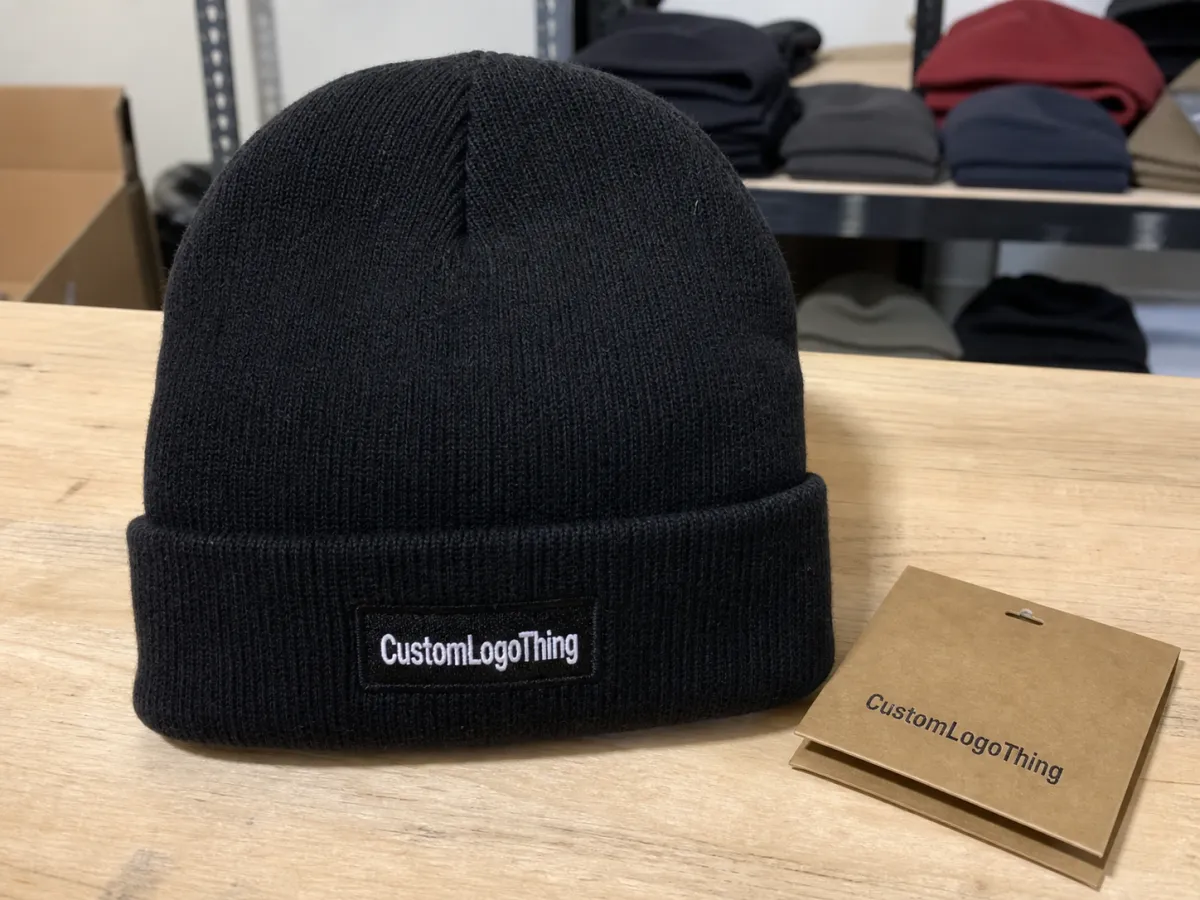
This guide is less about fashion language and more about product control. Buyers often lock in colors and embroidery, then discover that thickness is what decides whether the beanie lands as premium merch or a forgettable giveaway. The knit density affects silhouette, stretch recovery, packing density, and the way the cuff sits after repeat wear.
Thickness is also not the same thing as warmth. A loose knit can feel bulky but still let air through. A tighter midweight knit can feel more substantial because it traps heat better. That difference matters when the order is tied to supplement promotions, wellness events, or cold-weather retail programs where the item has to do more than just exist in a box.
In practice, buyers usually need one of four outcomes: fast promo distribution, retail-level presentation, clean logo decoration, or a soft lifestyle feel. Each one pushes the spec in a different direction. A lighter knit mails cheaply and packs flat. A heavier knit feels sturdier, but it also raises freight, storage, and repacking risk.
A thick beanie that loses shape after two wears is not premium. It is just heavy yarn with weak recovery.
That is the mistake people keep making. Day-one hand feel is only half the story. The fabric also has to survive folding, stretching, and the rough handling that happens between the sample room, packing line, and final customer.
Use this order of thinking:
- First, define the use case: giveaway, retail, team uniform, or private-label merch.
- Second, set the warmth target: light coverage, balanced warmth, or true winter wear.
- Third, decide how detailed the logo needs to be.
- Fourth, check how much bulk shipping and storage can absorb.
That sequence avoids the classic error of buying the thickest sample because it feels nicest in the hand. A winter-weight beanie that stacks badly or swallows embroidery detail can cost more in rework than it saves in perceived value. The supplement cuffed knit Beanies Material Thickness guide works best when it starts with end use and works backward from there.
How Knit Density and Yarn Weight Shape the Hand Feel
Thickness is only one piece of the puzzle. Yarn weight, stitch gauge, and finished knit density are different things, and mixing them up leads to bad decisions. A thicker yarn can create a bulkier feel, but a tightly knitted beanie made from a finer yarn may feel denser and warmer because there are fewer gaps for air to move through.
The cuff deserves special attention. Ribbed cuffs need stronger recovery than the crown because they stretch the most when the wearer pulls the hat on. A cuff that is too loose flares out. One that is too rigid sits awkwardly and can feel irritating above the eyebrows. The crown can usually stay a little lighter without hurting the silhouette, which helps avoid the boxy look that makes some merch hats feel overbuilt.
There is a tradeoff between softness and structure. Dense knit structures feel premium, but if the beanie is intended for mixed indoor-outdoor use, too much body can trap heat and create a stiff feel around the forehead. Lighter knits can look full in a flat lay and still let wind pass through in real wear. That is why swatches matter more than product photos.
Here is the simplest way to think about hand feel:
- Lightweight: easier to pack, softer drape, better for mild weather or broad distribution.
- Midweight: balanced stretch and warmth, usually the safest choice for general merch.
- Heavyweight: more structure, stronger shelf presence, better for cold-weather use and premium retail.
For branding, knit density matters as much as comfort. A tighter surface gives embroidery a more stable base, while fuzzy or open knits can blur small lettering and thin icon strokes. If the artwork is detailed, ask for a sample on the actual fabric density instead of approving from a digital proof alone.
Material Variables That Drive Cost, MOQ, and Unit Price
Once thickness is chosen, price comes into view. Fiber blend, stitch count, cuff depth, and finishing details often matter more than the headline material description. Basic acrylic keeps pricing competitive. A wool blend or recycled yarn build usually pushes the quote upward. Add custom dye matching, deeper cuff construction, brushed finishing, or dense embroidery placement, and the unit price climbs again.
MOQ changes the economics quickly. Small orders usually come with fewer customization options and a higher price per unit because setup time is spread across fewer hats. Larger runs lower the unit cost, but they also make revision expensive if the sample misses the spec. That is why buyers should compare prices against the same gauge, same cuff depth, and same decoration method before judging any quote.
Packaging can move the number too. If the beanies ship in corrugated cartons with kraft paper inserts, or if the retailer wants FSC certified hangtags, recycled materials, or post-consumer content in the pack, the quote may rise by a small amount per unit. Often that is worth it for premium programs. Biodegradable packaging can work for lightweight presentation, but it should never crush the cuff or distort the fold.
For shipping tests, the carton matters as much as the hat. ISTA testing standards are a useful reference point for compression and transit abuse: ISTA. If the pack-out uses paper-based components, FSC certified board and kraft paper can help align the presentation with sustainability goals: FSC.
| Build Type | Hand Feel | Typical Quote Band at 5,000 Units | Best Fit | Watch-Out |
|---|---|---|---|---|
| Basic acrylic | Soft, flexible, easy to wear | $1.80-$2.80 each | Promotions, broad giveaways, budget merch | Can feel too light if the customer expects winter structure |
| Acrylic/poly blend | Slightly firmer, good shape retention | $2.20-$3.40 each | Retail basics, team programs, mid-market merch | Needs careful sample review to avoid a plasticky hand feel |
| Recycled yarn blend | Varies by input fiber, often balanced and modern | $2.50-$4.20 each | Sustainability-led brands, eco-forward packaging programs | Color matching can be less predictable than virgin fiber |
| Wool blend | Warmer, more structured, premium feel | $3.50-$5.50 each | Cold-weather retail, elevated brand merch | Higher cost and sometimes more care sensitivity |
If you want a cleaner quote, ask suppliers to break out five items: fiber blend, cuff construction, gauge or stitch density, sample timeline, and bulk lead time. That makes comparison much easier. A lower base price can disappear once decoration, packaging, and shipping are added back in.
Process and Turnaround: From Spec Sheet to Sample Approval
A good knitting run starts before the first machine turns. The cleanest projects move through the same sequence: brief, spec review, yarn selection, knit sample, revision round, final approval, bulk production, and packing. Skipping a step does not save time; it usually pushes the delay downstream where it costs more.
The biggest time losses are predictable. Unclear thickness targets create resamples. Unclear logo placement creates decoration changes. Waiting too long to approve the first prototype can hold the entire production slot. For a straightforward stock-color order, a first sample often takes around 7-10 business days, and bulk production may land in the 12-20 business day range after approval. Custom yarns, unique cuff heights, or special trims can stretch that longer.
Process discipline also protects the packaging side. If the hats will ship folded in cartons lined with kraft paper, or if retail units need FSC certified inserts, the supplier needs that information before packing starts. A beanie approved in bulk but too bulky for the intended carton can create last-minute repacking, extra labor, and a less polished presentation.
From a buyer's point of view, the point is simple: the sample should answer the same questions the purchase order will ask. Thickness, fit, cuff depth, decoration method, and pack-out should all be tied to the sample, not left in vague language. That is how you avoid surprise revisions and a launch date that slips because the product looked right but did not measure right.
Good process is not bureaucracy. It is how a buyer keeps the final run aligned with the first sample, the quote, and the shipping plan.
Step-by-Step Guide to Choosing the Right Thickness
Start with the wearing environment. Indoor events, commuter retail, outdoor winter use, and brand giveaways point to different thickness targets. A promotional hat meant for trade shows should usually stay lighter and easier to pack. A beanie for cold-weather retail can justify more body and a deeper cuff because the customer expects warmth and structure.
Next, define the audience. Youth sizing, adult retail, premium lifestyle buyers, and utility-focused workers respond differently to the same hand feel. A younger fashion audience may prefer a softer drape, while a workforce program may prioritize durability, coverage, and predictable recovery after repeated stretching.
A simple three-tier framework works well in most sourcing conversations:
- Lightweight for breathable wear, easy mailing, and lower-cost campaigns.
- Midweight for balanced warmth, reliable shape, and most private-label merch.
- Heavyweight for cold-weather use, premium feel, and stronger shelf presence.
Then test the beanie on real heads, not just on a flat table. Fit changes once the cuff is folded and the knit stretches over a person. Check recovery after 10 to 15 minutes of wear, because some fabrics relax quickly and lose that clean cuff line. Measure cuff height, crown length, and logo placement on the worn sample, not only on the unrolled prototype.
A useful check is to compare at least two swatches: one at the target thickness and one a step lighter or heavier. That is often enough to reveal whether the current spec is too stiff, too airy, or just right. If the artwork is small, inspect it from arm's length and again at close range. If it reads well in both views, the thickness is probably working.
Before bulk approval, confirm the sample against the spec sheet. The supplement cuffed knit Beanies Material Thickness guide only matters if the target is measurable: cuff depth in centimeters, yarn blend by percentage, decoration method, and the final packed form. “Looks good” is not a spec.
Common Mistakes in Knit Thickness Selection
The first mistake is choosing the thickest option by default. Heavier is not always better. If the beanies need to mail cheaply, stack neatly, or work indoors, extra bulk becomes a cost center rather than value. It can also make the cuff sit too high, which changes the silhouette in a way many buyers do not notice until the first delivery arrives.
The second mistake is ignoring recovery. A thick cuff that stretches out after two wears looks tired fast. The fabric may still be warm, but the product no longer reads as premium. Recovery matters especially when the beanie carries a prominent logo, because any distortion around the decoration affects the whole item.
The third mistake is overfocusing on color while underestimating embroidery clarity. Dense, fuzzy, or highly textured knits can swallow small details. Fine lettering, thin lines, and low-contrast thread colors are the first to suffer. If the logo has delicate elements, ask for a sew-out on the exact thickness you intend to buy.
Photos can mislead too. Two beanies can look similar on a product page and still differ sharply in density, drape, and warmth once they are in hand. That is one reason physical swatches matter more than thumbnails. A beanie can appear bulky because of styling, not because the fabric is actually dense.
Finally, do not ignore pack-out and storage. A bulky knit reduces units per carton, increases shipping cube, and slows fulfillment. On a 2,000-unit campaign, that difference can ripple into freight, warehouse handling, and the way the products display on arrival. The best thickness is the one that fits the whole system, not just the head.
Next Steps for a Cleaner Quote and Better Bulk Run
Before you contact suppliers, gather the decision inputs in one place: intended use, season, audience, decoration method, preferred hand feel, budget range, and packaging needs. If the project includes retail presentation, say so early. If the goods must ship in corrugated cartons with kraft paper fill, or if the brand wants recycled materials and biodegradable packaging, that belongs in the first brief, not the last email.
Request two or three swatches or sample weights whenever possible. Comparing one sample against another reveals more than a spec sheet alone. You can feel cuff recovery, inspect stitch density, and judge whether the knit holds shape after stretching. That side-by-side view is usually where the right thickness becomes obvious.
Ask every supplier to quote the same details:
- Gauge or stitch density
- Fiber blend
- Cuff depth
- MOQ
- Sample cost and sample timeline
- Bulk lead time
- Decoration method
Approve one finished sample, not a vague description, before moving into bulk. That protects both sides. The supplier knows what to build, and the buyer knows what will arrive. It also keeps the final quote honest, because thickness, packaging, and decoration no longer shift after the number is signed.
Keep the supplement cuffed knit Beanies Material Thickness guide tied to the spec sheet, and the project gets fewer surprises, cleaner pricing, and a better-looking product on arrival. That is the quiet advantage of a disciplined buy: the beanies feel right, the logo reads right, and the whole run moves through production without constant course correction.
FAQ
What thickness works best for supplement cuffed knit beanies in cold weather?
Midweight to heavyweight is usually the safest range for cold-weather wear because it balances warmth, structure, and comfort. If the beanies will be worn outdoors for long periods, ask for a denser knit or a thicker cuff rather than just a heavier yarn. If the order also has to mail easily or work indoors, a midweight build with good recovery is usually the smarter compromise.
How does thickness affect embroidery on cuffed knit beanies?
Tighter, denser knits usually hold embroidery cleaner because the needle has a more stable surface to stitch into. Very thick or fluffy fabrics can hide small details, distort fine lettering, or create uneven stitch tension. Always test embroidery on the actual sample thickness before approving a bulk run.
What should I ask for in a quote for knit beanie thickness?
Ask for gauge or stitch density, yarn blend, cuff construction, and whether the sample reflects the final bulk spec. Also confirm MOQ, sample cost, turnaround time, and whether color matching or custom packaging changes the price. The goal is to compare the same build across suppliers, not just compare base prices.
Is thicker always warmer for cuffed knit beanies?
Not always. Warmth depends on knit density, fiber choice, and how much air the fabric traps, not thickness alone. A loosely constructed thick beanie may still let wind through, while a tighter midweight knit can feel warmer in practice. If warmth is the priority, ask for a sample test rather than relying on visual bulk.
How many samples should I review before ordering in bulk?
At minimum, compare one control sample and one alternate thickness so you can judge fit, warmth, and logo clarity. If the project is retail-facing or premium branded, review two or three options to compare cuff structure and drape. Approve the sample that best matches your spec sheet before moving forward.


