A candle cuffed knit beanies Unit Cost Review only becomes useful when the cuff, stitch density, and decoration method are fixed in writing. Those details can move the price more than buyers expect. Even a simple-looking beanie still carries knitting time, folding, trimming, decoration, inspection, and packing, and each step affects the final number.
The better habit is to compare full landed cost, not just the logo line. Yarn choice, knit gauge, label type, carton packing, and freight terms all affect what each unit really costs. A low decoration quote can still become the expensive option if the order needs special labels, tighter packing, or a slower production slot. The goal is not the cheapest number. It is the clearest one.
Why Cuffed Beanies Cost More Than a Quick Logo Quote Suggests
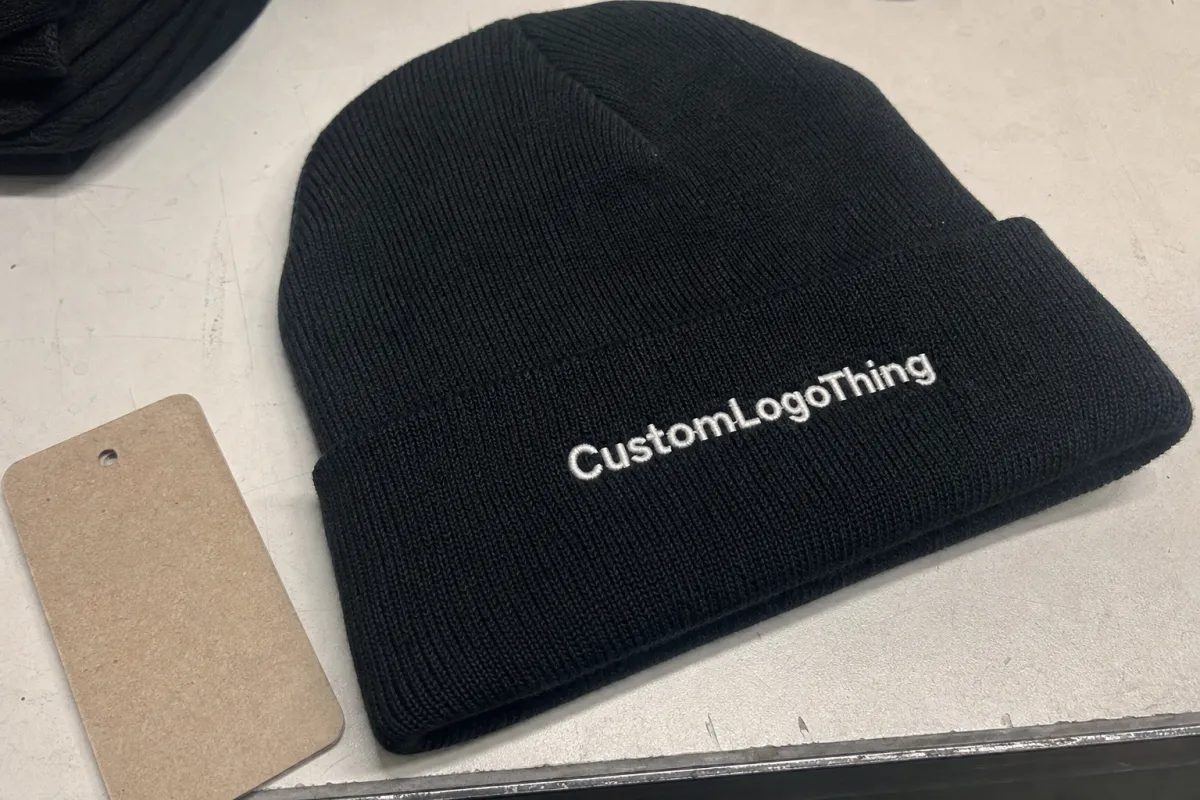
A cuffed beanie is more than a knit tube with a fold. The cuff creates a second visual zone, but it also creates a production control point. Decoration has to sit square to the fold, line up with the front panel, and stay centered after the knit relaxes. If the placement spec is weak, the risk of rework rises quickly.
Buyers also underestimate how much setup can hide in a small order. A quote may begin with a simple embroidery rate, then add digitizing, label tooling, hangtags, folding labor, and carton labels. If the program needs a retail-ready finish, the supplier is building a sellable unit, not just knitting a hat.
The beanie body, decoration, and packaging each carry their own cost structure. A standard rib knit body in acrylic yarn is usually efficient. A heavier blend, recycled yarn, or tighter gauge can improve handfeel and shape retention, but it can also raise yarn cost or machine time. The most reliable quotes come from a spec that leaves little room for interpretation.
The cheapest quote is often the one that left out cuff placement, label type, and packing instructions.
That is why a candle cuffed knit beanies Unit Cost Review helps before suppliers are compared side by side. It puts every quote on the same set of assumptions.
Cuffed Knit Construction and Decoration Choices That Matter
The common structure is a rib knit body with a folded cuff, usually in a 1x1 or 2x2 pattern depending on the look and stretch target. The cuff is what makes decoration read cleanly or look crowded. A flat embroidery mark sits well when the knit density is steady and the fold stays flat. A woven patch can also work, but only if the placement is square and the sewing line does not tug the cuff out of shape.
Decoration method changes both appearance and unit cost. Flat embroidery is usually the most economical branded option on the cuff, especially for one- or two-color logos. 3D embroidery adds presence, but it also adds stitch time and usually pushes the order toward a higher MOQ. Woven labels and sew-on patches create a more finished retail look, yet they introduce extra setup and sewing steps. Custom private label tags are useful for resale programs, but they are not a free add-on.
Material choice matters just as much. Acrylic remains the baseline for many bulk runs because it is stable, easy to source, and generally friendly to price control. Acrylic-wool blends usually feel warmer and more premium, though they can narrow supply options and raise unit cost. Recycled yarn can support sustainability claims, but the price depends on fiber availability, color matching, and waste recovery.
Color control deserves its own line in the spec. If the body color, cuff color, thread color, and label colors all change at once, the chance of quote drift rises. Define the nearest Pantone where relevant, or at least confirm whether the supplier is matching by yarn lot, lab dip, or visual reference.
Decoration placement should also be measured from the cuff edge, not just described as front center. A logo placed 1.25 inches above the fold is not the same as one placed 2 inches up the body, because knit stretches and recovers unevenly. On a shelf, that difference is obvious.
Sizing, Gauge, and Finish Specs Buyers Should Lock First
Before anyone prices the order, the buyer should lock the size spec. That means crown height, cuff depth, stretch range, and intended fit. A utility beanie meant for cold-weather use should not be priced like a slouchier lifestyle piece. They are different products, even if both are cuffed knit caps.
Knit gauge is one of the most overlooked cost drivers. A tighter gauge often gives the beanie a cleaner surface, less visible gap in the stitch, and a steadier base for embroidery or patches. A looser knit can feel softer and more casual, but it may stretch more during wear and show more variation from piece to piece. If gauge is not specified, the factory may default to its standard.
Finish details deserve the same attention because they affect both labor and presentation. Inside seam finish, care labels, woven tabs, folding style, and whether each beanie is bagged individually all need to be defined before the quote is locked. A retail-ready order usually needs cleaner folding, tighter count control, and more consistent front-panel presentation. A promo order may allow simpler packing and a lighter finish.
Artwork placement is another place where vague instructions create trouble. Define the logo size and the distance from the cuff edge. A logo that looks centered in a mockup can shift after the knit relaxes or when the cuff is folded by hand during packing. Good spec sheets include tolerances, so the supplier has something measurable to inspect.
For programs that care about receiving quality, basic transport and carton expectations matter as well. Standards published by organizations like ISTA are useful when carton performance or rough handling is part of the distribution chain. The beanie itself is not fragile, but a crushed carton, poor count, or wet packaging can still create a reject at the warehouse dock.
Candle Cuffed Knit Beanies Unit Cost Review and MOQ Drivers
This is the part most buyers care about, and it is where a candle cuffed knit beanies Unit Cost Review becomes a practical buying tool. Final price is shaped by quantity, yarn quality, decoration method, labeling, packout, and how much setup the factory must absorb. A 300-piece run and a 3,000-piece run can look similar in the quote template, but the cost structure is very different because the same knitting, digitizing, inspection, and packing overhead gets spread across a small or large batch.
MOQ varies by factory, but the pattern is consistent. Lower minimums are easier with stock-colored bodies and simple embroidery. Higher minimums are common for custom yarn colors, special labels, complex knit patterns, or multi-step branding. A plain cuffed beanie with one front logo may be possible at 100 to 300 pieces in some programs. Once the order adds custom knit details, special packaging, or a patch-and-tag combination, MOQ can move to 500 pieces or more.
The table below reflects the kind of pricing conversation that usually helps buyers most. These are typical ranges, not fixed quotes. Yarn market swings, freight, decoration complexity, and packout rules all move the number.
| Option | Typical MOQ | Typical cost per piece | What changes the number |
|---|---|---|---|
| Blank cuffed knit beanie | 100-300 | $1.80-$3.20 | Yarn type, gauge, body color, fold and pack style |
| Single-color flat embroidery | 100-300 | $2.40-$4.10 | Digitizing, stitch count, logo size, cuff placement |
| Embroidery plus woven label | 300-500 | $2.75-$4.85 | Label tooling fees, sewing labor, tighter QC, retail packing |
| 3D embroidery or sew-on patch | 300-1,000 | $3.10-$5.75 | Extra setup charges, patch die or mold, added inspection time |
Hidden costs are usually the part buyers miss first. Digitizing a logo may run roughly $25-$75. Woven label tooling can sit around $40-$120. Patch dies or molds can fall anywhere from $60-$180 depending on complexity. Those numbers are not dramatic on a large run, but they matter on a short order. The first carton is often carrying most of the setup burden, which is why unit cost falls as quantity rises.
There are simple ways to lower the price without changing the product identity too much. Keep one decoration location. Limit thread colors. Use a standard yarn shade instead of a custom-dyed body color. Avoid mixing embroidery, patches, and tags on the same run unless the retail brief actually needs all three. If the order needs inserts or hangtags, FSC-certified paper stock through a program like FSC is a workable option, but it still has to be priced into the order.
For buyers building this review for procurement or merchandising, the strongest habit is to ask for the quote in layers: blank body, decoration, packaging, and freight. That breakdown makes supplier comparison much easier.
Production Steps, Sampling, and Lead Time Planning
The production path is usually simple on paper: artwork review, specification confirmation, digital proof or sample, bulk knitting, decoration, inspection, folding, packing, and export documentation. In practice, one vague line in the spec can slow the whole order. That is especially true when the order involves custom yarn sourcing or a logo that needs adjustment after the first sample.
A digital proof is often enough for standard yarn, a simple logo, and a familiar cuffed knit structure. A physical pre-production sample is a better choice when the silhouette is new, the placement is tight, or the decoration finish needs to be judged in hand. A sample can take about 5-10 business days. Bulk production often lands in the 12-20 business day range after approval, depending on factory load and material availability.
Lead time planning is where experienced buyers stay ahead. Peak season can stretch the schedule even for a simple order. Rework after sampling, delayed artwork approval, or carton label changes can all add days that were never visible in the original estimate. A buyer who builds in a buffer usually protects margin better than one who depends on the fastest promise.
Packaging belongs in this stage too. If the order needs barcodes, master carton labels, assorted size ratios, or a specific carton count, those instructions should be final before bulk packing starts. If transport tests or warehouse receiving rules matter to the program, the buyer should ask early, not after the order is already in motion.
Small issues become expensive fast. A logo approved in one spot and shifted by half an inch after sampling can trigger a new stitch file, another round of approval, and a delay in the knitting line. The more specific the approval, the fewer surprises in bulk.
What Reliable Buyers Expect From a Beanie Supplier
Reliable suppliers are organized. They quote the same way every time, explain tradeoffs without hedging, and keep the spec stable once the buyer approves it. A candle cuffed knit beanies Unit Cost Review should reveal that discipline early, because a good factory can point to the exact drivers behind the price.
Buyers in wholesale and retail programs usually look for a few practical signals. The supplier should be able to explain shade control, stitch consistency, and decoration alignment in plain language. They should be comfortable discussing MOQ, sample timing, and packout rules without forcing the buyer to fill in the gaps. They should also understand receiving teams and master carton labels, because those details matter when cartons hit a warehouse dock.
Communication speed matters more than many teams admit. If the buyer has to chase answers on placement, yarn choice, or label approval, hidden costs usually show up later in the schedule or in rework. A supplier that keeps the conversation clear from sample stage through shipment tends to protect both time and margin.
It also helps when the supplier is honest about limits. A strong partner will say, “That decoration is possible, but it will increase setup charges,” or, “That yarn color can work, but the lot tolerance may shift slightly.” Those answers are more useful than a polished promise that ignores how knitting and finishing actually behave.
If the program needs custom hangtags, paper inserts, or branded cards, ask whether the supplier can keep those materials aligned with the garment packout. The fewer handoffs, the fewer chances for mix-ups.
Next Steps for a Faster, More Accurate Quote
If the goal is a fast quote, send the minimum useful package first: target quantity, beanie color, logo artwork, decoration method, and delivery deadline. That is enough for a real price check instead of a guess. Once the first number is in hand, the buyer can tighten the details without forcing the supplier to restart from zero.
For a sharper estimate, add cuff depth, size expectations, packaging needs, and intended use. A promotional giveaway, a retail resale program, and a seasonal uniform accessory do not carry the same finish requirements. The quote should reflect that difference.
- Send artwork in vector format if possible, with thread colors or Pantone references where relevant.
- State quantity clearly, including whether you are comparing a test run with a larger repeat order.
- Confirm decoration placement from the cuff edge and note any tolerance you can accept.
- List packaging requirements, including polybags, hangtags, inserts, and carton count.
- Ask for sampling timing before the calendar is locked, especially if the order is seasonal.
Compare the quote against the full bulk pricing picture, not only the decoration line, then confirm sampling, lead time, and final packout details before release. That is the cleanest way to avoid pricing gaps and production delays.
What affects candle cuffed knit beanies unit cost the most?
The biggest drivers are quantity, yarn choice, decoration method, and how much setup is needed for cuff placement. Smaller runs usually cost more per piece because the same knitting and decoration work is spread across fewer units.
What MOQ should I expect for cuffed knit beanies with a logo?
MOQ depends on the factory and decoration style, but buyers should expect a higher minimum for custom colors or more complex embroidery. Standard stock designs usually have a lower entry point than fully custom knit patterns or multi-location branding.
How long does production usually take after approval?
Lead time depends on sampling, material availability, and the complexity of the logo or label application. Straightforward orders move faster when artwork and specifications are approved before bulk production starts.
Can I lower the unit price without changing the beanie style?
Yes, often by simplifying the logo, limiting thread colors, choosing a standard yarn option, and keeping one decoration location. Consolidating packaging and avoiding last-minute revisions can also reduce added labor and handling costs.
What do you need for an accurate cuffed knit beanie quote?
Provide quantity, beanie color, logo artwork, desired decoration method, placement details, and target delivery date. If available, include packaging requirements and any sizing or label preferences so the quote matches the final order.


