A subscription printed poly mailers Unit Cost Review usually starts with the wrong number. Buyers fixate on the printed mailer price and miss the labor hiding around it: relabeling, repacking, replacing damaged outer packaging, and correcting inconsistency at the pack line. For subscription programs, those small delays repeat on every shipment. Repeated enough times, they become the real cost.
That is why branded poly mailers work best in categories with predictable cadence and moderate protection needs. Apparel, accessories, supplements, and many beauty products all benefit from the same structure: a low-touch pack-out, a consistent outside presentation, and fewer handoffs between picking and dispatch. If you are comparing formats, start with the broader range of Custom Packaging Products and narrow from there based on shipping rhythm, not just artwork preference.
Why Recurring Mailers Cut Repack Costs and Delays
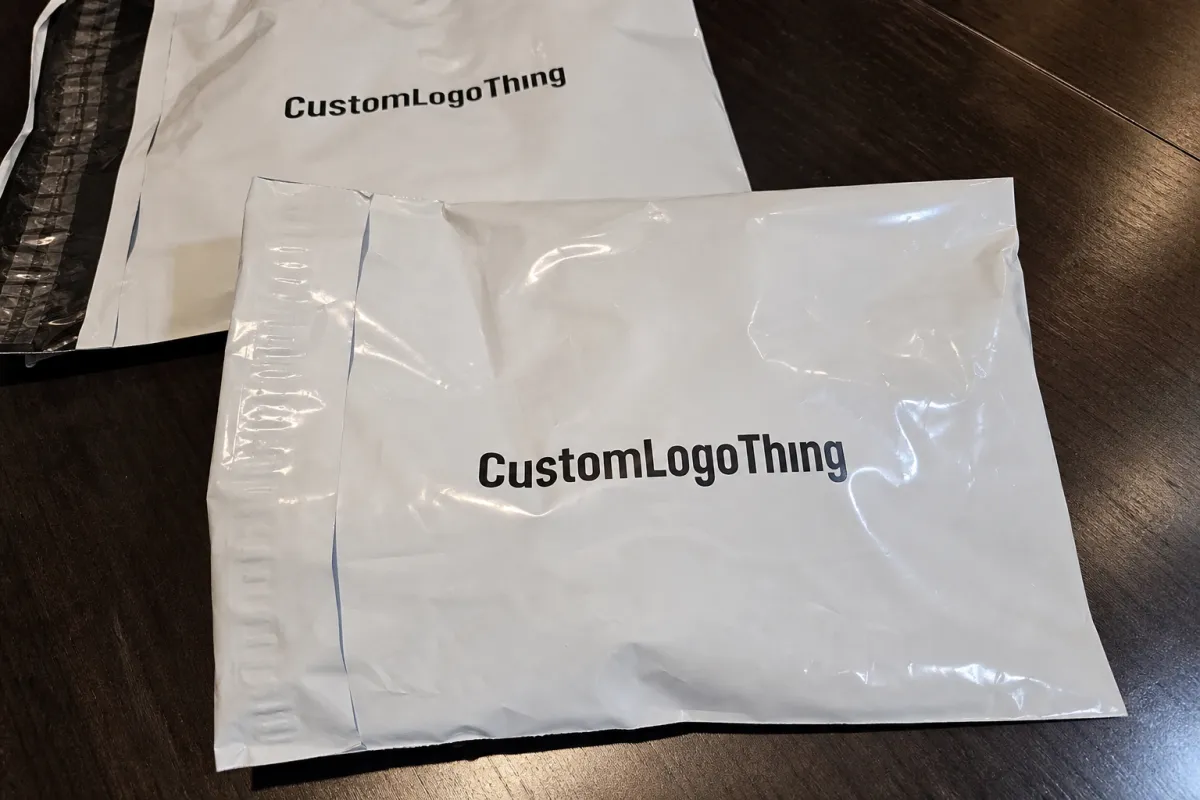
For subscription shipments, the strongest argument for a printed mailer is not visual polish. It is process control. One mailer can replace several packaging touches, and every touch removed saves time. That matters less on a one-off campaign and more when the same SKU ships every week or every month. A subscription printed poly mailers Unit Cost Review should account for that operating lift, not only the quoted print price.
Three cost leaks show up often. First, plain mailers force additional labeling or inserts when brands want a finished look. Second, inconsistent packaging increases errors because staff have to pause and confirm which component belongs to which order. Third, the customer sees a less repeatable unboxing experience, which weakens brand recognition over time. A custom-printed mailer reduces those variables because the pack line follows one pattern instead of many.
Recurring programs do not behave like seasonal launches. They need predictability, repeatable handling, and fewer decision points for the fulfillment team. A mailer that opens cleanly, seals without drama, and arrives looking the same on shipment one and shipment fifty has value that is easy to miss if you only compare unit prices.
A branded mailer can look like a small line item until it is repeated thousands of times. Then the main question is whether it reduces handling, errors, and complaint risk.
Buyer behavior tends to follow that logic. The strongest subscription operators treat the outer mailer as part of the production system, not as decoration. That is why a detailed subscription Printed Poly Mailers unit cost review belongs beside labor and damage-rate checks, not after them.
A plain mailer may be cheaper on paper, but a branded version often offsets part of that difference by cutting repack steps and keeping the pack line moving. That is especially true for recurring apparel and accessory programs that run on tight schedules and lean teams.
What a Printed Poly Mailer Should Include by Default
At minimum, a printed poly mailer should use polyethylene film with reliable seams, a pressure-sensitive self-seal closure, and opacity that protects the contents during transit. Those are baseline requirements, not premium features. If a supplier cannot specify film type, closure performance, and print placement clearly, the quote is too vague to trust.
Printing choices should be decided early because they affect both cost and consistency. Most buyers choose one-color logos, two-color branding, or full-color graphics. Matte and glossy finishes both work, but they behave differently. Gloss often reads louder under retail lighting and photographs with more contrast, while matte gives a softer look and usually hides scuffs better. Interior printing adds a memorable reveal, though it tends to push the unit cost upward and can extend approval time.
It helps to separate the basics from the extras:
- Standard: self-seal flap, printed logo, usable opacity, sealed seams, and a tear notch if the order requires it.
- Often requested: tamper evidence, recycled-content claims, higher puncture resistance, and a finish matched to the brand.
- Optional: inside print, hang-tab style, retail-ready messaging, and custom warning copy.
Not every feature belongs on every order. A subscription beauty brand may care more about presentation and seal consistency than extra puncture resistance. A soft-goods program may care more about speed and low cost per piece. The right spec depends on the item, the route, and the damage risk, not on what looks impressive in a sample kit.
For environmental claims, keep the language narrow and support it with documentation. The EPA guidance on recycled-content claims is a useful reference, and ISTA testing methods are helpful if you need to evaluate shipping performance rather than just appearance: EPA and ISTA.
Size, Film, and Seal Specs Buyers Need Before Quoting
Most pricing mistakes start with incomplete specs. A supplier cannot quote accurately if the buyer gives only a logo and a rough size estimate. The useful inputs are concrete: flat width, length, usable interior space, film thickness, print area, number of print sides, and whether the product ships alone or inside a sleeve or inner carton.
Film thickness affects performance quickly. A lighter gauge can reduce cost for soft goods with no sharp edges. A heavier gauge often improves puncture resistance, which matters for boxed accessories or products with corners that can stress the film during sorting. In a typical Subscription Printed Poly mailers Unit Cost Review, moving from 2.5 mil to 3 mil may raise the quote modestly, but it can also reduce replacement claims if the parcel route is rough or the contents have edges.
Seal style matters more than many buyers expect. A strong adhesive closure is only useful if it matches the product, the climate, and the distance the parcel travels. Warm storage, long parcel networks, and repeated touchpoints all affect bond performance. If a mailer needs to fit over tissue wrap or an inner carton, the interior dimensions should reflect that real pack-out, not the bare product size.
Use this checklist before requesting a quote:
- Item dimensions and any secondary packaging.
- Target ship weight and typical fulfillment volume.
- Film gauge preference and opacity requirement.
- Print sides, print colors, and finish.
- Need for tamper evidence, recycled content, or a tear notch.
- Expected reorder cadence and storage limits.
This is also where pack-line behavior matters. A mailer that opens cleanly and seals reliably reduces bench time. A mailer that sticks, splits, or requires extra handling slows the team down. That operational difference often matters more than a small gap in the quote.
Subscription Printed Poly Mailers Unit Cost Review: MOQ and Pricing Levers That Move the Quote
The biggest pricing drivers are usually plain to see. Quantity, print colors, film thickness, size, resin content, and finish all affect the number. Setup charges, tooling fees, and whether the supplier must create plates or separate print runs for multiple designs matter too. The headline unit price can look attractive until the other charges appear on the invoice.
MOQ needs context. A low minimum helps when a subscription program is still being tested, but it usually comes with a higher unit cost. Higher volumes normally lower bulk pricing because setup is spread over more pieces. The tradeoff is inventory. If the order is too large, storage and cash tied up in stock can erase part of the savings.
Here is a practical comparison buyers can use as a starting point. Actual pricing changes with size, artwork, resin market conditions, and freight, but the structure is the part that helps during review.
| Print Format | Typical MOQ | Typical Cost Per Piece at 5,000 Units | Primary Cost Drivers | Best Fit |
|---|---|---|---|---|
| One-color logo on standard film | 3,000-5,000 | $0.16-$0.24 | Basic setup charges, one plate, standard opacity | Stable subscription SKUs with simple branding |
| Two-color branded mailer | 5,000-10,000 | $0.20-$0.32 | More print prep, tighter registration control, moderate film gauge | Brands that want stronger unboxing impact |
| Full-color or inside print | 10,000+ | $0.28-$0.50 | Higher prepress, more setup time, tighter print control | Premium recurring programs with stronger brand emphasis |
The best quote is not always the lowest unit price. Compare landed cost, which includes freight, proofing, setup charges, and any split-shipment fees. A supplier that looks cheaper on paper can end up more expensive once pallet freight, art changes, and a second delivery window are added. That is especially true in a subscription model, where a late shipment can interrupt the outbound schedule.
Multiple artwork versions change the math again. If you need seasonal graphics, regional versions, or several subscription tiers, ask whether the vendor can combine them into one production window. Consolidated runs often lower total overhead, even if the per-piece price stays slightly higher than a single-SKU order.
If you are comparing options for an ongoing program, review the current Custom Poly Mailers range alongside the shipping calendar. That makes it easier to match spec, MOQ, and reorder timing without buying too early.
Proofing, Production Steps, and Realistic Turnaround
The production path is usually straightforward, but buyers still lose time in predictable places. The order starts with quote confirmation, then artwork review, then a digital proof, then prepress approval. After that comes printing, drying or curing, inspection, packing, and shipment. The run itself may be efficient, yet approval steps can stretch much longer than expected.
Most delays come from the same three issues: low-resolution artwork, unclear sizing, and late changes to compliance copy. If the logo file is not set up correctly, proofing takes longer. If dimensions are approximate, the supplier may need to revise the dieline or confirm the film width again. If a recycled-content or shipping-protection statement needs wording changes, production can slip by several days.
Typical turnaround depends on print method and current plant load, but buyers often underestimate the gap between proof time and production time. A realistic schedule is often a few days for proof approval and another 10-15 business days for production on a standard order. More colors, more SKUs, or special finishes can extend that timeline.
To keep the schedule on track, send final files instead of drafts. Include exact item measurements, a signed spec sheet, and a clear decision on gloss versus matte, print sides, and closure style. If a subscription program ships on a fixed calendar, build the reorder date backward from the outbound date rather than forward from the purchase order.
A frozen spec helps in two ways. It speeds up the first run, and it reduces the chance that the second order looks different from the first. For recurring shipments, that consistency is part of the value being purchased, not just a nice extra.
How to Judge a Supplier on Consistency and Print Quality
Subscription brands need the second order to look like the first. That sounds obvious, yet it is where many suppliers slip. Color drift, weak seals, and inconsistent film thickness can show up across reorders, especially if approval is handled casually rather than through documented checks.
Ask how quality control works at press check and final inspection. A supplier should be able to describe what they measure, how they record it, and what happens if the print registration shifts or the seal fails. Sample packs, spec confirmation, and a clean reorder process matter more than broad claims about capability.
Operational evidence is more persuasive than marketing language. Look for:
- Documented thickness and seal-strength checks.
- Repeatable color control across reorders.
- Clear sign-off on artwork revisions.
- Fast responses when volumes shift or shipping windows tighten.
Communication is part of quality. A responsive team can prevent expensive errors when subscription volume spikes or when a new SKU needs to be folded into an existing mailer spec. Good vendors help preserve the same packaging logic even when the order mix changes.
Ask what standards or test methods the supplier references. For shipping performance, ISTA-style thinking keeps the discussion focused on distribution risk, not only appearance. For recycled-content language, the claim should be backed by documentation. That is how trust is built in procurement: the printed message has to match what can actually be defended.
Next Steps to Lock the Spec and Order With Confidence
Start with a one-page spec sheet. Include dimensions, film gauge, print colors, estimated annual usage, and the exact ship-to destination. If the pack-out includes tissue, inserts, or an inner carton, spell that out too. The cleaner the brief, the cleaner the quote. That is the fastest route to a useful subscription printed poly mailers unit cost review instead of a vague price range.
Then request a sample or digital proof before production begins. A proof will not catch everything, but it confirms size, logo placement, closure direction, and basic color balance. For a recurring program, that step is worth the time because it protects the first shipment and every reorder that follows.
Next, compare at least two quotes on the same basis. Do not compare one supplier’s unit price against another supplier’s landed cost. Put the numbers side by side and include MOQ, freight, proof charges, and any extra tooling or setup fees. Only then does the pricing picture become honest.
If you are refreshing the broader shipping system, compare the mailer spec against the rest of the packaging mix and confirm the full kit still fits the business. That is where Custom Packaging Products can help you benchmark alternatives without losing sight of the recurring ship schedule.
The right buying decision is not simply the lowest quote. It is the best balance of unit cost, production speed, consistency, and inventory risk. A subscription printed poly mailers unit cost review works only when it measures the full landed cost and the labor it removes. That is the number that tells you whether the program is actually saving money.
How does subscription printed poly mailers unit cost change with order size?
Unit cost usually drops as quantity increases because setup and print prep are spread across more pieces. The savings are strongest when the artwork stays fixed and the same size ships on a recurring schedule. Freight, storage, and cash flow still matter, so the lowest per-piece price is not always the best landed cost.
What affects printed poly mailers pricing for recurring shipments?
Size, film thickness, print colors, and finish are the biggest drivers of price. Additional artwork changes, special adhesives, and multiple SKUs can add setup costs. Rush approvals or split shipments can also raise the final invoice even when the unit price looks stable.
What MOQ should a subscription brand expect for custom poly mailers?
MOQ depends on print method, number of designs, and how much setup the job requires. Single-SKU recurring programs usually get better pricing and easier production scheduling than multi-artwork launches. If you need several versions, ask whether the supplier can combine them into one production window.
How long does production take after proof approval?
Lead time starts after final artwork approval, not when the first quote is sent. Production time depends on the print method, job complexity, and current factory load. Fast approvals and complete specs are the best way to keep the schedule on track.
What should I send for an accurate subscription mailer quote?
Send dimensions, film gauge, artwork files, print colors, quantity, and ship-to location. Include whether the mailer needs a glossy or matte finish, inside print, or a stronger adhesive. If you have a target reorder cadence, add that too so the quote matches your real buying pattern.


