Toy Embroidered Baseball Caps Unit Cost Review for Buyers
A toy Embroidered Baseball Caps unit cost review starts with a useful contradiction: the smallest decorative choice can have one of the biggest effects on how finished a cap looks. A clean embroidered logo often reads as higher value than the budget behind it. Buyers who focus only on the headline price miss the larger pattern, which is that visual quality, production stability, and landed cost do not always move together.
For toy-themed promotions, retail add-ons, event merchandise, and licensed giveaways, the cheapest quote is rarely the safest one. Cap body quality, embroidery density, closure style, sample terms, packaging, and freight all shape the final number. Ignore any one of them and the unit cost can drift after approval. That is why a toy embroidered baseball Caps Unit Cost Review has to look at the full build, not just the stitch count.
The practical goal is not to chase the most elaborate decoration. It is to get a cap that looks intentional, stays within spec, and can be reordered without a redesign. A simple artwork file, placed well, often outperforms crowded graphics that force the machine into constant thread changes. On a curved cap panel, restraint usually wins.
Toy embroidered baseball caps unit cost review: why the look can outperform the spend
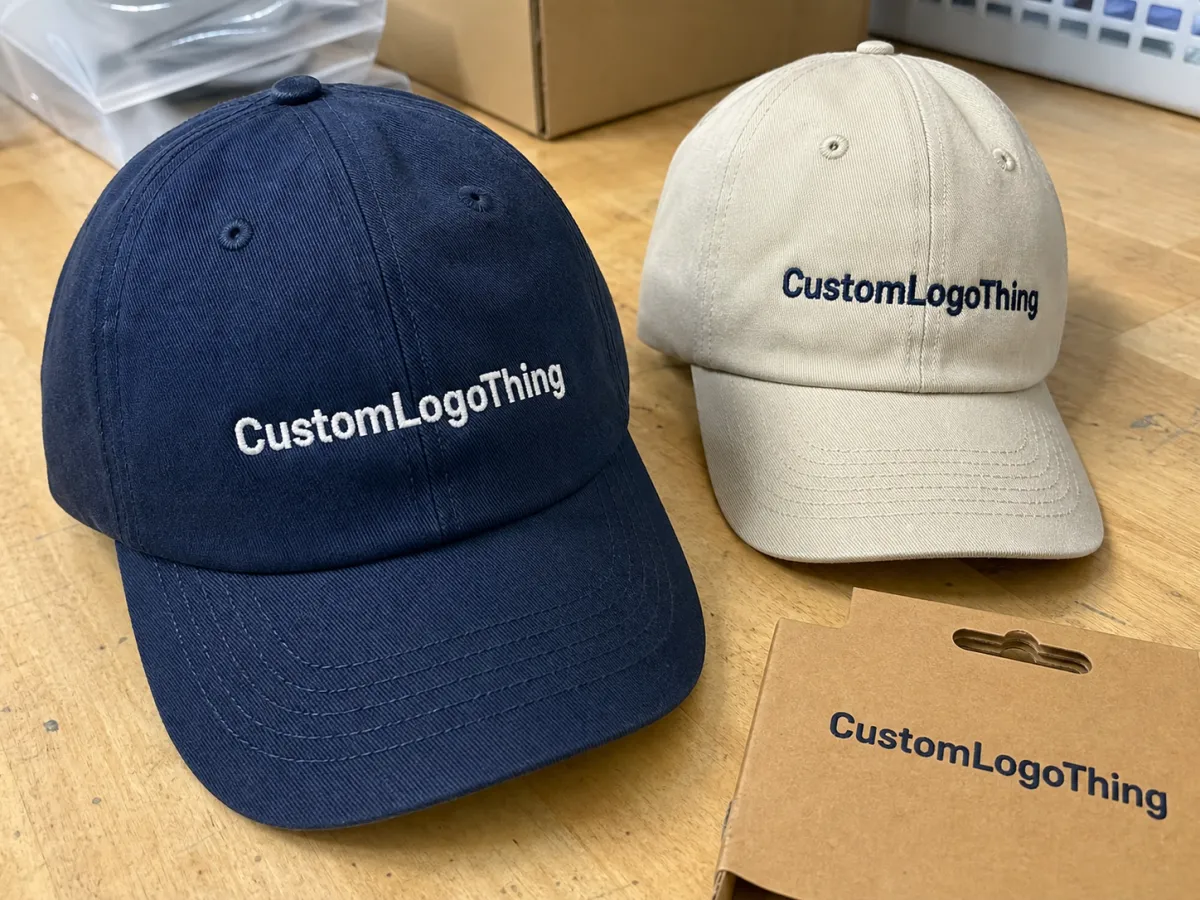
Embroidery adds texture, light, and depth in a way print cannot fully match. Even a modest logo can create a retail-ready effect if the stitch direction is clean and the placement is centered properly on the front panel. That is why a buyer can spend less than expected and still end up with a cap that feels premium. The eye tends to read clarity first, then complexity.
That point matters more for toy-themed merchandise than it does for plain promo headwear. A playful graphic needs to stay legible at a glance, and the cap should still feel usable rather than novelty-only. If the design is too busy, the embroidery can start to fight the cap shape. A simplified silhouette, a tighter outline, or a single bold icon often holds up better in production.
In a toy Embroidered Baseball Caps Unit Cost review, the strongest comparison is usually not between “cheap” and “expensive.” It is between a design that sews cleanly and one that creates small technical problems at every step. A clean design reduces needle breaks, shortens machine time, and lowers the chance of rejected samples. Those are not abstract savings. They show up directly in the quote.
A cap with 6,000 clean stitches can look more expensive than a busy design with 12,000 stitches because the eye notices finish before it notices volume.
That does not mean more detail is always a mistake. It means the art has to earn its complexity. If the embroidery adds a clear benefit to shelf appeal or brand recognition, it belongs in the program. If it only increases machine time and makes the shape harder to read, it is probably too much.
Embroidery design details that change the final cap value
Stitch count is the first pricing lever, but not the only one. A logo with fewer stitches usually runs faster, uses less thread, and creates fewer opportunities for thread breaks. That helps both production speed and quality consistency. Simple 1-color or 2-color art is often the most cost-efficient choice, especially when the decoration area is limited to the front panel.
Thread changes add time. So do small outlines, thin lettering, and dense fill areas. A design can look clean on screen and still be difficult on fabric, particularly if the letters are too small to hold shape once they curve around the crown. A good rule is to judge the art by how it reads from a few feet away, not by how sharp it looks when zoomed in on a laptop.
Underlay affects both structure and cost. It sits beneath the visible stitches and supports the top layer, which is helpful on softer cap bodies. Without enough underlay, the embroidery can sink into the fabric or lose edge definition. Add too much, and the machine time rises. The best result is usually the one that keeps the design stable without overbuilding it.
Flat embroidery is the most reliable and economical option for most toy-branded caps. 3D puff can work for bold, simple logos, but it is less forgiving if the art includes fine details or tiny text. Patch construction is another path when the buyer wants a collectible look or a more retail-oriented finish. A woven patch or twill patch can sharpen the appearance, yet it adds its own steps: patch production, edge finishing, attachment, and inspection. Each step can create a setup charge or a small delay.
Before approving volume production, ask for a digitized proof. The proof should show placement, approximate thread colors, and the stitch direction on the crown panel. If the artwork has a face, thin outline, or toy detail that carries meaning, the proof should show whether the design needs to be simplified. That is where a practical supplier earns its keep. The best ones point out the weak spots before the order is locked.
A useful test is simple: does each design element improve the finished cap enough to justify the extra machine time? If the answer is uncertain, cut the detail. Clarity is usually cheaper than rescue work.
Cap body specifications buyers should lock in before requesting a quote
The cap body can move pricing nearly as much as the embroidery. Cotton twill, brushed cotton, polyester blend, and performance fabric each behave differently in production and in wear. Cotton twill usually feels familiar and sells well in casual or gift-oriented programs. Polyester blends can hold shape and dry faster. Performance fabrics are often crisper, but they may not deliver the softer hand some buyers want for toy-themed merchandise.
Structure is another early decision. A structured crown supports embroidery well because the front panels keep their shape. An unstructured cap feels relaxed, but the lack of support can create small variations from one piece to the next. Panel count also matters. A 6-panel cap remains the most common because it gives the embroidery a predictable front area. A 5-panel cap offers a flatter front, which can help if the design is wide or badge-like.
Brim shape affects presentation, too. Pre-curved brims feel more ready-to-wear, while flat brims often read as more modern or youth-oriented. Neither is automatically better. The right choice depends on the audience and how much shelf presence the buyer needs.
Closure style changes both the price and the fit strategy. Hook-and-loop is economical and easy to size. Snapback closures widen the wear range. Metal buckle closures usually push the cap into a more finished retail lane. If the order is for a youth audience, sizing should be checked carefully; a good-looking cap that fits badly becomes dead stock faster than almost anything else.
Packaging belongs in the spec, not in a separate afterthought column. Individual polybags, size stickers, barcode labels, carton marks, and master carton counts all affect the landed number. If the buyer needs retail-ready presentation, confirm whether hangtags, inserts, or recycled claims are included. Any sustainability claim should be backed by documentation before the order moves forward. If paper or board components are involved, ask for proof that matches recognized sourcing requirements such as FSC documentation where relevant.
The cleaner the spec sheet, the less likely the quote is to drift later. A vague request often looks attractive at first and then expands once production begins. That is one of the main reasons a toy embroidered baseball caps unit cost review is most useful before sampling, not after.
Unit cost, pricing tiers, and MOQ tradeoffs to compare
Quantity is still the strongest pricing lever. Setup work, digitizing, and sampling are fixed or semi-fixed charges, so they weigh heavily on smaller runs. As the order size increases, those costs spread across more units and the cost per piece falls. The math is straightforward, but the quote often hides that logic in bundles, tiers, or language that makes the cheapest line look better than it is.
Buyers should compare quotes item by item. Separate the cap body from decoration. Separate sample costs from freight. Separate rush fees from standard production. If a supplier combines all of that into one number, ask for a breakdown. A low headline price can hide packaging charges, a smaller decoration area, or a cap body that is cheaper for a reason.
| Order tier | Typical unit cost range | Setup charges and sample impact | Best fit |
|---|---|---|---|
| 300 to 500 pcs | $4.20 to $7.00 | Digitizing and sample costs carry a heavy share of the total; freight can change the landed price quickly | Small events, test runs, short retail trials |
| 1,000 pcs | $2.60 to $4.10 | Setup costs are easier to absorb; sample fees become less painful | Core promotional orders and wider distribution |
| 3,000 pcs | $1.75 to $2.90 | Per-piece pricing improves; simple artwork usually gets the best result | Retail programs and repeat seasonal launches |
| 5,000 pcs and up | $1.45 to $2.40 | The spread on setup is lowest; there is more room to negotiate packaging and color matching | Higher-volume rollouts and reorders |
These are planning ranges, not guarantees. A basic embroidered cap with controlled artwork and standard packaging can fall inside them, but special materials, larger logos, dense fills, 3D puff, patch construction, or custom pack-out will push the number upward. So will a premium closure, heavier fabric, or a retail finish that asks for more inspection time.
Design changes can also be expensive in ways that are easy to miss. A second colorway may look like a small creative decision, yet it can create a new setup cost. Tiny edits that alter stitch direction or add one more thread color can have a bigger effect on the line than a buyer expects. If the design is close to the edge of what the machine handles cleanly, simplifying it is often the cheapest way to improve the result.
Request at least two quantity levels. A quote at 500 and 1,000 pieces, or 1,000 and 3,000 pieces, reveals where the actual break sits. That comparison is more useful than any single number because it shows whether the price drops in a way that matches your demand. It also helps identify whether the supplier is passing on real scale or just moving numbers around.
Production steps, proofing, and turnaround expectations
A clean production flow usually follows the same sequence: artwork review, digitizing, digital proof, sample approval, bulk production, inspection, packing, and shipment. If any of those steps are still unsettled, the order can pause. That is normal. What creates problems is not the pause itself but pretending the approvals are already done when they are not.
Proofing is where the real decision-making happens. The factory should confirm thread colors, stitch direction, logo placement, and any size limits that affect how the design lands on the front panel. If the toy graphic includes fine outlines, small text, or facial detail, the proof should show what will survive the transition from screen to fabric. A design that looks precise at 100 percent on a monitor can still need simplification to sew cleanly on a curved crown.
Lead time depends on artwork complexity, material availability, current machine load, and whether the order needs custom packaging or labels. A sample often takes about 3 to 7 business days after artwork approval. Bulk production commonly runs 12 to 20 business days, though larger or more complicated runs can take longer. Shipping adds its own schedule, especially if cartons need special labeling, consolidation, or export paperwork.
Most delays come from late revisions, slow approvals, or quantity changes after sampling has started. If the order keeps changing, the factory cannot hold the line. That is not a manufacturing failure; it is a planning failure. A clear sign-off process prevents the problem.
For carton performance and handling expectations, it helps to check against recognized transport guidance. The ISTA site is a useful reference when a buyer wants to understand carton stress, handling risk, and test expectations. That matters more on mixed-SKU programs, where caps may travel with heavier or more fragile goods.
Ask how cartons will be packed, stacked, and labeled. A tidy pack-out reduces damage and makes receiving easier. It also cuts down on the kind of warehouse questions that slow everything else down. That is a small operational detail with a real cost effect.
How to evaluate a supplier for repeat cap programs
A supplier that understands repeat programs should be able to explain what will stay stable from order to order. The cap body should be repeatable. Thread colors should be matchable. Decoration placement should stay within a tight tolerance. If the first run lands well and the second one drifts, the buyer ends up with product that looks related but not identical. That creates problems for brand consistency and for resale planning.
Price alone does not tell you whether a supplier is safe for repeat work. A strong partner explains why the quote moves, which changes are low risk, and which ones will disrupt the run. If the only answer is the lowest number possible, that is usually a warning sign. Good quoting sounds practical, not theatrical.
Quality control should be discussed before production starts. Ask how the supplier checks for loose threads, crooked placement, color variance, bent visors, and carton counts. Ask what happens if a cap arrives with a mark or a weak closure. These are not dramatic failures, but they still affect sell-through and buyer confidence. A supplier with a clear inspection method is easier to trust than one that improvises after a problem appears.
Material claims deserve scrutiny. If a supplier mentions recycled components, paper inserts, or eco packaging, ask for the documentation before approval. The same applies to closure materials and fabric content. Vague sustainability language can create headaches later, especially if the product is going into retail channels or a licensed program with strict spec requirements.
Repeat programs also benefit from a simple change-control rule. Once the sample is approved, any later revision should be written down and costed separately. Otherwise, small changes accumulate until the reorder no longer matches the original. That kind of drift is expensive because it is subtle.
For buyers who need a practical supplier screen, the main questions are straightforward: Can they repeat the same cap body? Can they hold placement tolerance? Can they explain what adds cost without hiding behind vague language? Those answers matter more than a polished sample room.
Next steps to request a clean quote and move the order forward
The easiest way to get a usable quote is to send a complete spec pack. Include the artwork file, preferred cap style, quantity, target delivery date, embroidery size, thread color count, and packaging requirements. If the artwork is detailed or includes small text, ask for digitizing feedback before sampling begins. That reduces the risk of a revision cycle that burns time and budget.
Ask for at least two quantity levels so the pricing break is visible. A quote at 500 and 1,000 pieces, or 1,000 and 3,000 pieces, makes the unit cost curve easier to read. If the buyer is still testing demand, that spread is one of the fastest ways to understand whether the program is financially realistic.
Before approval, run through a short checklist:
- Confirm cap style, fabric, panel count, and crown structure.
- Confirm embroidery size, thread colors, and placement.
- Confirm MOQ, sample terms, and setup charges.
- Confirm packaging, labeling, and carton count.
- Confirm production timing, freight method, and approval deadlines.
If the artwork includes small lettering, multiple thread colors, or a tight front panel, request a digital proof or physical sample before issuing the purchase order. That is standard caution, not overthinking. Caps are judged in person, under real light, at arm’s length. The screen can hide a lot.
Use the toy embroidered baseball caps unit cost review as a buying framework. The right order balances appearance, price, and repeatability in a way that survives reorders and distribution. A practical spec, a clean proof, and a supplier that answers hard questions usually lead to a better result than chasing the lowest number on the page.
What affects toy embroidered baseball caps unit cost the most?
Stitch count, artwork complexity, cap body quality, and order quantity usually matter most. Setup charges, sample costs, packaging, and freight can also change the landed price more than buyers expect, especially on smaller runs.
How low can the MOQ be for embroidered toy-themed caps?
MOQ varies by factory and cap style, but it usually rises when the order needs special materials, extra colors, patch construction, or custom pack-out. A simple cap can often start lower than a retail-style build with several finishing steps.
Can I reduce pricing without lowering embroidery quality?
Yes. Simpler artwork, fewer thread changes, and a standard cap body often reduce cost while keeping the finish clean. The key is to protect legibility and placement while removing the parts of the design that slow production.
How long does sampling and bulk production usually take?
A sample often takes about 3 to 7 business days after artwork approval. Bulk production commonly runs 12 to 20 business days, depending on quantity, complexity, and current factory load. Shipping adds more time.
What should I confirm before approving a quote?
Confirm quantity, cap style, embroidery size, thread colors, MOQ, sample terms, packaging, shipping method, and the expected production timeline. If any of those items are vague, the quote is not ready yet.

