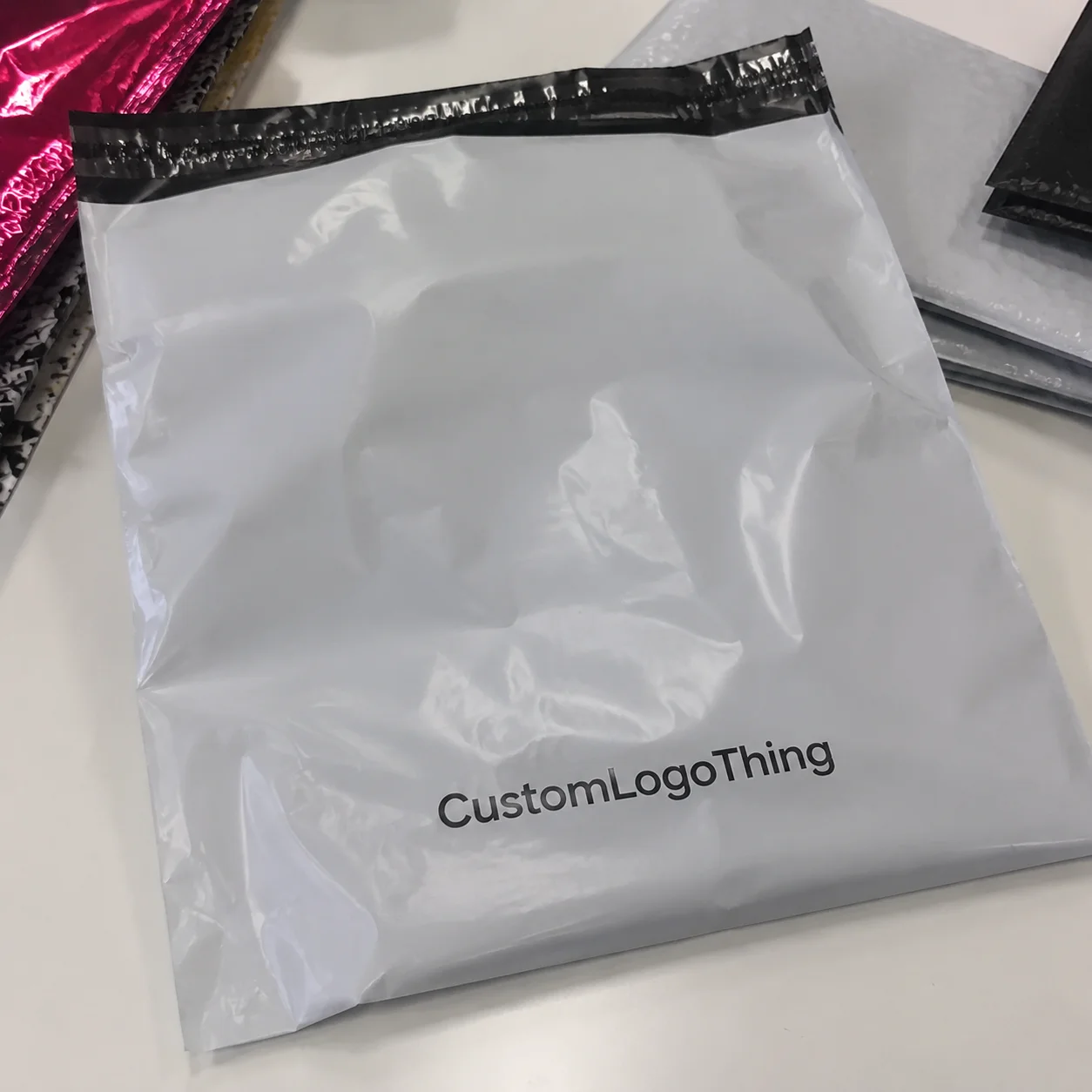
The candle Printed Poly Mailers Artwork Proof checklist is where packaging orders either stay clean or get expensive. A proof can look polished on screen and still fail on a real mailer once seams, folds, flap adhesive, and white ink are involved. Candle brands feel that quickly because the mailer has to do more than ship a box. It carries the first impression, the scent story, and the warning copy in a format that has to survive handling.
I treat the candle Printed Poly Mailers Artwork Proof checklist as a production control tool, not a design mood board. It shows whether the file fits the dieline, whether the art is printable, and whether the small details survive on flexible plastic instead of a perfect digital preview. If you are comparing custom poly mailers with other custom packaging products, this is the stage that protects budget and timeline.
There is a reason buyers who skip proof review end up paying twice. Flexible film distorts. Print methods behave differently. Brand colors shift more than people expect. And a tiny typo on a shipping bag is still a typo when the order lands on a customer’s doorstep.
What the candle printed poly mailers artwork proof checklist actually catches
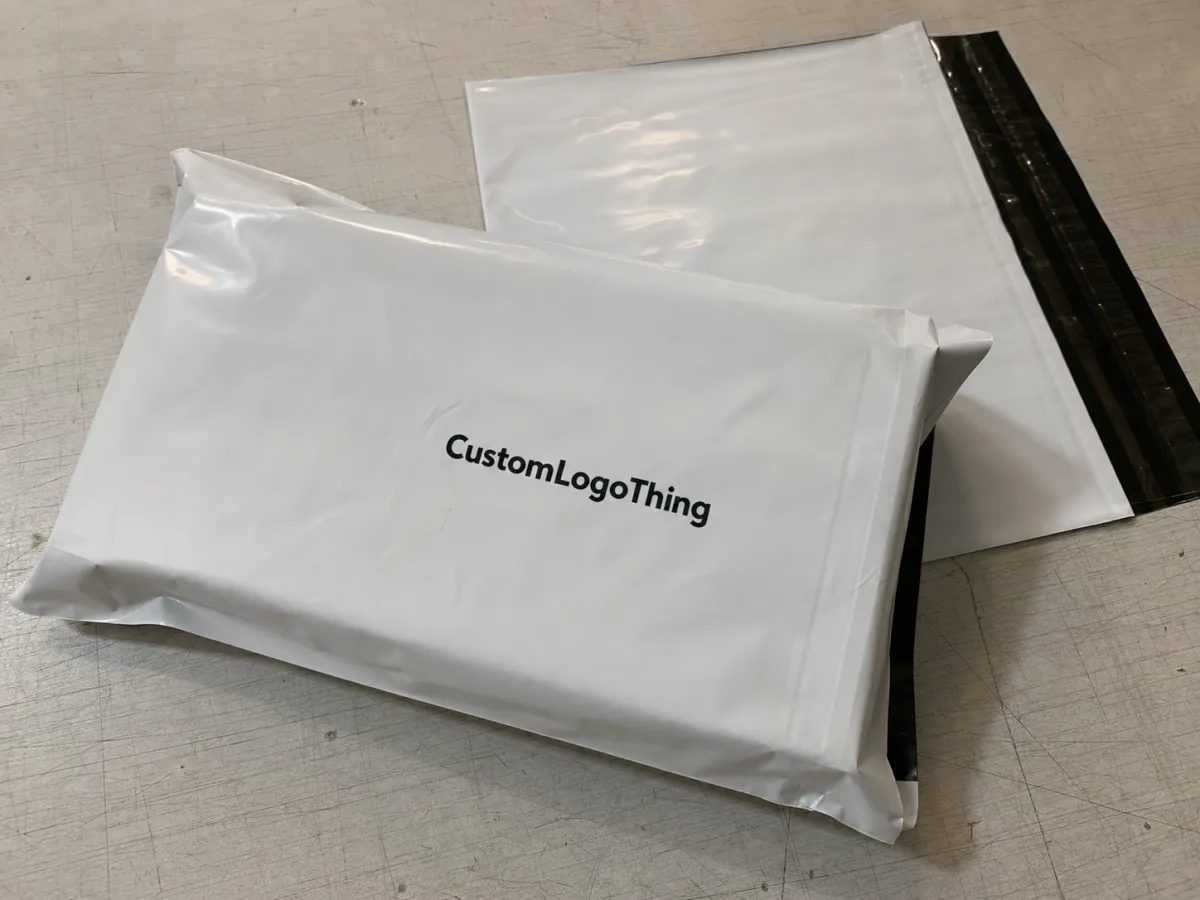
A useful proof checklist catches the stuff that looks fine in Illustrator and turns awkward on film. Placement is the first issue: artwork has to stay clear of seams, folds, tear strips, and the adhesive flap. Color is the second issue: screen brightness, substrate finish, ink density, and white underprint all change how the final bag reads.
For candle packaging, the checklist also protects the brand story. A mailer often carries more than a logo. It may include scent notes, a web address, a recycling icon, a warning statement, and short copy that is supposed to make the brand feel considered. If any of that lands too close to the edge or gets too small to read after print gain, the bag stops feeling premium.
If the proof does not show the dieline, the safe area, and the exact copy, it is not ready to approve. Simple rule. Saves reprints.
Use the checklist to verify the basics before anyone signs off:
- Art placement against the exact dieline, not a guessed rectangle.
- Bleed and safe area so edges do not clip when the bag is formed.
- Ink and color limits for the chosen print method and substrate.
- Text and barcode legibility at the actual print size.
- Construction issues like flap location, seam overlap, and fold distortion.
This is where candle brands usually get surprised. They focus on the concept and forget the surface is moving, flexing plastic. A proof is not there to flatter the design. It is there to expose weak spots before production does.
How the proof review process works from file upload to sign-off
The workflow is straightforward, but each step has consequences. First, the buyer sends the artwork file. Then the supplier checks resolution, font handling, color mode, and whether the logo and copy fit the selected bag size. After that, the art gets placed onto a dieline and turned into a digital proof. The buyer reviews it, requests changes if needed, and approves the final version only after every line looks right.
- File upload - send the best source file you have, not a screenshot from chat.
- Prepress check - confirm image resolution, fonts, color mode, and missing assets.
- Dieline placement - make sure the artwork respects folds, seams, flap area, and bleed.
- Digital proof - review the layout as a production document, not a finished sample.
- Revision round - fix anything off before the job gets locked.
- Final sign-off - approval moves the order into production, where changes cost time and money.
That distinction matters. A proof is usually a layout confirmation, not a physical sample. Some suppliers can make a preproduction sample or printed mockup, but if nobody promised that, assume you are reviewing a digital representation. The checklist should tell you what to compare on the proof itself: logo version, font choice, color values, barcode size, warning text, recycling mark, and any claim language that cannot be wrong.
One typo in a contact line still matters when 10,000 bags arrive. So does a misplaced barcode. So does a warning statement that gets trimmed too tight because someone assumed the safe area was optional.
There is also a point where the buyer has to push back. Small fixes, like swapping a contact number or nudging copy a few millimeters, often need only one revised proof. Bigger changes, like moving art away from a seam or rebuilding a white layer, should trigger a fresh proof before approval. If the supplier keeps saying "close enough," that is a warning sign.
For shipper performance, ask whether the mailer has been tested in transit. ISTA standards from ISTA are a useful reference if the packaging needs to survive rough handling. If your order includes paper inserts, sleeves, or cartons, FSC documentation from FSC matters for those paper components, not for the plastic mailer itself.
Artwork, material, and finish details that change the final look
The same design can look completely different on glossy, matte, clear, and opaque poly mailers. Glossy white bags make color pop harder, but they also reflect light and can make fine type harder to read. Matte surfaces feel calmer and more premium, though dark colors may lose some punch. Clear and translucent mailers create a different problem entirely: what sits behind the bag changes the final appearance.
Print method matters just as much. Full-color process printing can handle gradients and image-heavy graphics, but it may drift from screen color. Spot color printing is cleaner for strict logo work, yet it gives less flexibility if the design uses a lot of tonal variation. White ink is the other big variable. Without a white underlayer, darker art can disappear into the film and look washed out. That is especially obvious on black, navy, forest green, and deep brown branding.
Construction details affect artwork placement more than many buyers expect. Seam location, gusset depth, adhesive flap size, and tear-strip position all create real limits. If the proof ignores those details, the final print can drift into the wrong zone or fold in a way that hides the branding.
The checklist should ask one blunt question: does this layout account for bleed, safe area, and distortion from folding or stretching during packing? If the answer is vague, the proof is not ready. Buyers do not need to become prepress technicians. They do need enough knowledge to spot when a proof is pretending to be finished before it actually is.
Surface texture also matters. A slightly rough film can soften tiny type. A smoother film can reflect light and make thin lines look uneven. If your candle brand uses delicate typography, ask for the proof at actual size and inspect the small text, not just the logo.
Pricing, MOQ, and unit cost: what drives the quote
Custom Poly Mailer pricing is not random, even if it feels that way when the quote arrives. The main drivers are bag size, material thickness, print coverage, number of colors, and order volume. Add custom sizing or special packing, and the number moves again. For candle mailers with heavy artwork coverage, expect the unit cost to sit above a basic one-color logo bag.
MOQ changes the math quickly. Smaller runs carry more setup cost per piece, so the unit price climbs. Larger runs spread setup, plate, or setup-equivalent charges across more bags, which usually lowers the per-unit number. Buyers often compare only the bag price and ignore proof support, revision limits, and whether artwork setup is included or billed separately. That is where the surprise fees live.
| Proof or print option | Typical MOQ | Ballpark unit cost | Best for | Main tradeoff |
|---|---|---|---|---|
| Single-color logo print on standard matte poly mailer | 3,000 to 5,000 pieces | $0.18 to $0.28 | Simple branding, tight budgets | Less visual depth and fewer color options |
| Full-color artwork with white ink support | 5,000 to 10,000 pieces | $0.28 to $0.55 | Retail-style candle branding | More setup and stricter proof control |
| Custom size with heavy coverage or special finish | 10,000 pieces and up | $0.35 to $0.70+ | Premium launches and larger programs | Higher risk if the artwork is not locked early |
Those ranges are only ranges. They move with supplier location, film type, print technology, and whatever else is already sitting in the production queue. A rush order or multiple proof rounds can add cost even if the bag dimensions do not change. Compare three things at once: price per bag, proof support, and revision policy.
Use the checklist during the quote stage too. It helps you ask cleaner questions before approval: Is art setup included? Are revisions limited? Is the final sign-off written down? Does the supplier charge extra if the barcode or warning text needs another proof? Those questions are plain. They also protect margin.
Timeline and production steps after proof approval
Once the proof is approved, the job moves into prepress, printing, curing or drying, converting, packing, and shipment. A clean order can move quickly, but one unresolved detail can slow the line down. If the proof is locked, a typical production window for custom Printed Poly Mailers is often around 12 to 18 business days, though larger or more complex runs can take longer.
Lead time depends on the proof itself, the factory queue, seasonal demand, ink complexity, and whether the order needs a physical sample before mass production. If a buyer keeps asking for edits after approval, the schedule slips. If the bag has multiple print layers or a tricky white underprint, the job may need extra drying time and tighter inspection.
The most common delay is simple: someone approves a proof with unresolved text, an unconfirmed barcode size, or the wrong mailing spec, then tries to fix it after production starts. Ask who confirms final approval, who sends schedule updates, and whether the supplier gives a written production start date after sign-off.
This is also where the checklist becomes useful on reorders. Keep the final proof, the approved artwork file, the quote, and the supplier notes in one folder. If the next order matches the last one exactly, the reprint should move faster and cost less. If the supplier has changed materials, print method, or dimensions, you want that documented before anyone starts the run.
For candle brands shipping fragile glass jars or boxed sets, ask whether the mailer is being used alone or as part of a tested shipper system. If the packaging needs to survive rough handling, the supplier should be able to discuss testing in concrete terms, not vague promises.
Common proof mistakes that cause reprints or delays
Most reprints start with a handful of avoidable mistakes. The first is artwork too close to the edge. If the design ignores the safe area, something will disappear. The second is logo placement over a seam or fold. A brand mark that gets split by construction looks careless, even if the file was technically approved.
Color mistakes are just as common. A bright monitor preview is not the same as printed plastic. Buyers also assume a Pantone callout will match perfectly on every substrate, which is optimistic. On matte film, colors can soften. On dark material, they can sink. On clear material, the background changes the result.
Content errors cause trouble too. Missing disclaimer text, outdated websites, wrong contact information, and barcodes that are technically present but too small to scan all show up in production. Candle packaging often includes warning copy or handling notes, and those lines deserve the same care as the logo.
- Low-resolution images that turn soft once the artwork is enlarged.
- Hidden layers that show up in prepress and change the output.
- Unembedded fonts that substitute the wrong typeface.
- Missing linked files that force the supplier to guess.
The checklist works because it catches boring errors before they become expensive errors. Most buyers do not lose money on spectacular failures. They lose money on small, obvious misses they did not inspect closely enough.
What to check before you approve and reorder
Before you approve, compare the proof against the dieline line by line. Read every word of copy. Confirm quantity, bag size, color values, and shipping details. If anything looks off, ask for an annotated revision. That is not being difficult. That is buying correctly.
Save one master approval file that includes the final proof, approved artwork, quote, and supplier notes. That file becomes your reorder anchor. Without it, every repeat order turns into a memory test.
A simple approval sequence helps:
- Compare the proof to the dieline.
- Read every line of copy out loud.
- Check the barcode, warning text, and website at actual size.
- Confirm bag dimensions and print count.
- Get written approval from the right person before production starts.
For candle brands, that discipline pays off because the mailer is part protection and part presentation. A sloppy bag makes a small product line look cheaper than it is. A clean bag makes a modest product line feel considered. The difference usually starts with the proof, not the press.
Keep the candle Printed Poly Mailers Artwork Proof checklist in front of every approval, payment release, and reorder. It is the simplest way to protect color, fit, and margin without turning the process into a mess.
FAQ
What should a candle printed poly mailers artwork proof checklist include?
Start with artwork placement, bleed, safe area, and seam clearance. Then confirm color values, logo version, barcode size, warning text, and contact details. The checklist should match the exact bag size, material, and print method, not a generic template pulled from an old folder.
How do I check a candle mailer proof before approving it?
Review the proof against the dieline, not just the mockup. Zoom in on edges, folds, seal zones, and any area where artwork can disappear during packing. If the proof does not match the approved brand file exactly, ask for revisions before you sign off.
Why does pricing change after the artwork proof is reviewed?
Complex artwork, extra colors, and full-coverage printing raise setup and production costs. Additional proof rounds, rush timing, and custom sizing can also change the quote. MOQ matters too, because smaller runs usually carry a higher unit cost.
How long does artwork approval usually take for printed poly mailers?
A clean proof can move quickly, but revision rounds add days. Timeline also depends on the factory queue, material availability, and print complexity. Approving incomplete artwork is the fastest way to slow the schedule down.
Can I use the same checklist for reorder proofs?
Yes, but verify that the artwork file and quote still match the current order. Check for brand updates, changed copy, revised dimensions, or any supplier note that affects the final bag. Keep the approved proof with the purchase record so repeat orders stay consistent.