A cuffed beanie looks simple until the logo lands 8 mm too low, the cuff folds differently from the sample, or the yarn shade shifts just enough to make a whole carton look off. That is the real work behind beauty cuffed knit beanies Bulk Order Planning: translating a small, familiar item into a spec that survives production, shipping, and shelf display without expensive surprises. Buyers usually lose money on avoidable details, not on the beanie itself.
The product sits in an awkward middle ground. It is low enough in price that small mistakes can wipe out margin, but visible enough that quality issues are obvious to customers. A loose cuff, fuzzy embroidery, or an uneven dye lot does not read as “minor” once the order is stacked in a store or photographed for a campaign. The buyer ends up explaining what should have been prevented.
Why beauty cuffed knit beanies bulk order planning beats guesswork
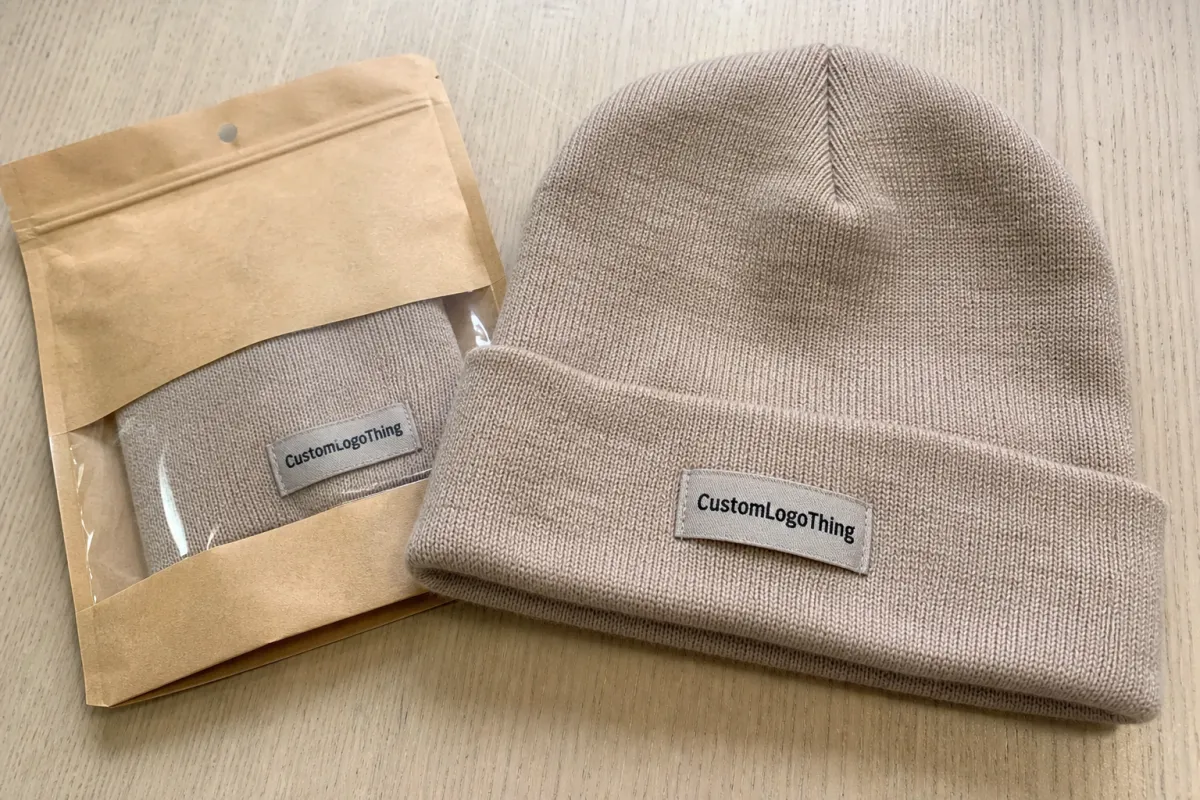
The fastest bulk decisions usually happen after buyers realize beauty cuffed knit beanies Bulk Order Planning is less about the hat itself and more about fit, trim, decoration limits, and timing. A cuffed beanie gives you one main branding zone, but that zone is not fixed. A half-inch change in cuff depth can shrink imprint space, move the logo line, and change the way the product reads from across a room.
That matters across several buying scenarios. Salon retail needs a polished shelf look. Holiday bundles need consistent colors across gift sets. Influencer kits need the hat to photograph well from multiple angles. Staff uniforms need repeatability because people notice if one batch fits looser than the next. Pop-up merch needs an order that can move fast without looking rushed.
The best orders start with a clear decision on what matters most. If the beanie is meant for resale, finish quality and presentation should shape the spec. If it is a giveaway, the buyer may care more about unit cost, stretch recovery, and decoration durability. If the item will be worn every week, comfort becomes more important than a trendy finish. The spec should follow the use case, not the other way around.
The cheapest quote is often the one that leaves out the expensive part: rework, delayed approval, or a rush freight bill that eats the margin.
Timing is just as real as cost. A sample that comes back late can push production into a crowded factory window, and then even a simple reorder starts slipping. By the time a buyer notices the color is off or the logo is too small, the calendar may already be the problem. That is why planning ahead usually saves more than chasing the lowest unit price on day one.
There is also a practical reason experienced buyers write the spec first: it forces tradeoffs into the open. You may not be able to have a very thick cuff, a tiny detailed logo, and the lowest possible price in the same order. One of those has to move. It is better to find that out before sampling than after a sample round and a revised invoice.
Material, cuff, and fit details that decide the final look
Material choice changes how the beanie feels, how it stretches, and how clean the decoration holds. Acrylic is common because it is affordable, easy to knit, and holds color well. Acrylic-poly blends usually add a little more softness and recovery. Wool-heavy blends can feel warmer and more premium, but buyers should check whether the hand feel suits the audience and whether the yarn introduces itch or care concerns.
For most bulk programs, the yarn decision is less about fashion language and more about performance. A smoother acrylic yarn typically gives cleaner edges and more predictable production. A softer blended yarn may photograph better, but it can also fuzz faster if the knit tension is loose. If the beanie is going to be worn outdoors or packed in retail sets, the finish should survive handling before it ever reaches the customer.
Fit is just as important. Most Cuffed Knit Beanies are sold as one-size-fits-most, but that phrase hides a lot of variation. Ask for the laid-flat width, body height, cuff depth, and stretch range. A cuff depth of roughly 2.5 to 4 inches is common, yet even that narrow band can affect how high the logo sits. Crown shape matters too: some beanies sit slouchier, others stand more upright and look closer to a retail basics style.
Knit gauge, yarn thickness, and stitch tension affect more than comfort. Tighter gauge usually gives cleaner decoration edges and better snag resistance, while a looser knit can look softer but may blur small logos. That is why beauty Cuffed Knit Beanies bulk order planning should include a physical sample, not just a mockup. A logo that looks crisp on screen can disappear once the stitch pattern starts moving under thread.
Color control deserves its own check. Dye lots can vary, especially across large runs or reorders. Buyers should ask what color standard the supplier uses, whether PMS matching is realistic for the yarn, and how shade tolerance is approved. If the order includes black, oatmeal, and a seasonal color, request swatches for each rather than trusting one photo. A small mismatch on a dark beanie is easy to miss in proofs and hard to ignore in a store.
Common spec questions worth asking early:
- What is the exact cuff depth and body height?
- How much stretch recovery does the yarn hold after wear?
- Is the sample made from the same yarn lot as production?
- What shade tolerance is acceptable before a batch is rejected?
One more practical note: rib structure changes the look more than many buyers expect. A tighter rib can hold shape and make embroidery sit cleaner, while a softer rib may feel more relaxed but can shift slightly after repeated wear. On a retail wall, that difference is visible. On a warehouse shelf, it becomes obvious when one pile of hats stands up and another collapses.
Decoration specs that keep logos crisp on knit surfaces
The decoration method should follow the logo, not the other way around. Embroidery is still the cleanest answer for simple marks and wordmarks because it adds texture and reads as premium from a distance. Woven patches handle fine detail better when the logo has tiny text or thin lines. Chenille and appliques create a fashion-forward look, but they are usually best for bigger, bolder graphics. Woven labels are subtle and economical, especially for lower-key retail or staff use.
| Decoration method | Best use | Typical MOQ | Typical added cost per unit | What to watch |
|---|---|---|---|---|
| Embroidery | Simple logos, premium retail feel | 100-300 pieces | $0.60-$1.50 | Stitch count and small text limits |
| Woven patch | Detailed logos, sharper edge definition | 100-250 pieces | $0.45-$1.20 | Patch size and sew-on placement |
| Chenille or applique | Fashion retail, bold team marks | 200-500 pieces | $1.25-$2.75 | Thickness, weight, and hand feel |
| Woven label | Low-profile branding, budget control | 150-500 pieces | $0.20-$0.55 | Visibility and readability at distance |
Artwork prep saves time and money. Send vector files, define PMS references if the logo uses brand colors, and state minimum line thickness if the design includes fine detail. If there is a preferred edge finish, say so. If there is a no-go zone on the cuff, mark it. The more specific the art file, the less the supplier has to guess.
Placement also changes the product story. Centered cuff placement is the standard for most retail looks. A side patch feels a little more modern and works well if the front fold is busy. Some buyers pair a front label with a hang tag so the beanie can carry both brand identity and retail information without crowding the knit surface. If the piece will sit in a premium display, a cleaner method usually wins over a more complex one.
For logo sizing, keep the knit structure in mind. Small text under about 0.25 inch high often turns muddy once it is stitched or woven onto a ribbed surface. Thin outline logos can also lose clarity unless they are simplified for knit application. A good production file usually reduces detail rather than trying to force every design element onto the cuff.
For packaging and shipping of the finished goods, transit testing can matter more than buyers expect. If cartons need to survive long freight lanes or distribution handling, review common testing practices at ISTA. If you are adding paper inserts, swing tags, or belly bands, specify FSC-certified paper through FSC so the accessory materials match the sustainability message.
Pricing, MOQ, and unit-cost drivers to compare
Quote comparison gets easier once the buyer understands the real cost drivers. Yarn type, knit complexity, decoration method, color count, packaging, and production location all affect the number. A basic acrylic beanie with one embroidery location and standard polybagging can price very differently from a custom blend with a woven patch, custom label, and retail insert.
As a working range, a straightforward stock-style cuffed knit beanie in bulk often lands around the low single digits per unit before freight, while custom details can push the landed number materially higher. A simple order may stay near $2.00-$3.50 per piece at volume, but more complex builds with premium yarns, multiple colorways, or retail-ready packaging can move into the $4.00-$7.00 range or beyond. Those numbers are not universal. They are useful because they keep buyers from comparing a stripped-down quote to a finished one.
MOQ moves with the decoration choice and the number of colorways. A supplier may quote 100 pieces for a single color with embroidery, then require 300 or more once the order splits into three shades. That is not always a tactic; it is often a real production issue because setup time, yarn allocation, and decoration prep do not scale evenly. Buyers save more by simplifying artwork than by asking for a quote that ignores the factory’s workflow.
Volume tiers matter because setup fees spread out as quantity rises. On small runs, a $60-$150 setup charge can inflate the per-piece price. On larger runs, the same setup becomes almost invisible. That is why beauty cuffed knit beanies Bulk Order Planning should compare total landed cost, not just the line-item price of the hat. Freight, packing, inserts, labels, and carton marks all belong in the same math.
Here is a practical way to compare quotes:
- Match the exact yarn and knit spec.
- Match the decoration method and size.
- Match the quantity by colorway.
- Match packaging and labeling requirements.
- Compare landed cost to your target sell-through or giveaway budget.
A supplier that gives only a per-piece number is not giving the full picture. Ask for the freight estimate, packing method, and any extra charges for hang tags, woven labels, or retail-ready folding. If you run multiple programs, the detail on Wholesale Programs should help you compare how quantities change pricing across different product setups.
A quote that looks higher on paper can still be the better deal if it avoids duplicate sampling, repacking, or a late shipment.
It also helps to ask how the supplier handles reorders. A first run may include one setup fee, but the second order should usually be cleaner if the spec is locked. If every reorder starts from zero, the relationship is costing more than it should. Mature suppliers keep the production record organized so the buyer is not rebuilding the same brief every season.
Process, lead time, and production steps from proof to delivery
The cleanest orders follow a predictable path: quote, proof, sample, revision, production, quality check, packing, and shipment. Problems usually appear in the middle. Artwork is not fully approved. The sample is close but not exact. The production queue is full. Yarn matching takes longer than expected. Each delay compounds the next one, and the shipment date starts to move without warning.
For most bulk buyers, the most useful lead-time estimate is not a single number but a range. A straightforward order can move from proof approval to production in 12-15 business days if materials are ready and the factory is not congested. Add more time if the order needs custom yarn sourcing, multiple color approvals, or a second sample round. Freight is its own variable. Air moves fast and costs more. Ocean is cheaper but needs a wider buffer.
Beauty cuffed knit beanies bulk order planning should also include the calendar around the launch itself. Seasonal retail resets, trade shows, staff events, and holiday campaigns do not forgive late arrivals. If the beanies are going to be sold or handed out on a fixed date, build a cushion of at least one to two weeks above the supplier estimate. That buffer is boring. It is also profitable.
A few details tend to stretch timelines more than buyers expect. Pantone conversion to yarn can take longer than Pantone conversion to print. Logo revisions can turn a two-day approval into a two-week delay. And once decoration is scheduled, changing the placement by even a small amount can force a remake of the stitch file or patch artwork. The earlier those decisions are locked, the easier the production window becomes.
Approval checkpoints keep the order from drifting. At minimum, confirm the following before mass production:
- Measured sample dimensions, including cuff depth and body height
- Logo placement and final decoration size
- Color standard and approved swatch
- Packaging method, carton marks, and insert copy
- Defect threshold for loose stitching, staining, or misaligned labels
That last point is where disciplined suppliers stand apart. They do not just say yes. They flag the risk before the order is released. They tell you if the logo is too detailed for the chosen stitch count, if a colorway is likely to shift across dye lots, or if the packaging instructions need to be clarified before the carton run starts.
Quality checks that catch the expensive mistakes
The fastest way to protect a bulk order is to inspect the right things before the shipment leaves the factory. A beanie can pass a casual visual check and still fail in retail use. The cuff may twist after packing, the label may sit crooked, or the decoration may look fine until the hat is stretched onto a head. None of those issues show up in a photo proof.
Experienced buyers usually care about five checks. First, measure the sample flat and compare it to the spec sheet, not the memory of the original request. Second, inspect the logo under daylight or a neutral light source; knit texture can hide color issues under warm indoor lighting. Third, stretch the cuff and body to see whether the shape recovers. Fourth, rub the decoration lightly to check whether threads lift or patches curl. Fifth, verify the packing count by carton so short shipments do not hide inside a big order.
Quality control becomes more valuable as quantity rises. On a 100-piece order, a small defect rate can be visible but manageable. On a 5,000-piece run, even a 2% issue rate means a lot of problem units. That is why AQL language, defect definitions, and carton sampling plans matter. They turn vague promises into a repeatable process.
There is also a difference between cosmetic and functional defects. A tiny yarn slub may be acceptable on a low-cost giveaway but not on a premium retail beanie. A slightly off-center label may be fine for a festival order and unacceptable for a luxury-facing launch. The tolerance should match the channel. If the buyer does not say so, the factory has to guess.
Before release, it helps to confirm these practical points:
- Whether the cuff stays folded after packing and transit
- Whether the logo remains legible when the beanie is stretched
- Whether inside seams feel smooth enough for all-day wear
- Whether packaging protects the shape or flattens the product
- Whether the final packed count matches the purchase order
None of this sounds glamorous. It is the part that keeps the order from becoming a markdown problem later. A beanie that looks a little rough in the carton rarely gets better on shelf.
What a dependable bulk supplier should verify before production
A dependable supplier checks the order against a real spec sheet, not just the customer email. That means confirming measurements, color standards, decoration placement, packaging details, and defect thresholds before production starts. If those items are vague, the supplier should push back. Silence looks polite, but it becomes expensive once the product is in the machine.
There is a clear difference between a vendor that only quotes and a vendor that validates. A quoting-only vendor may respond quickly, but they often leave the buyer to discover issues during sampling. A validating vendor asks whether the cuff is folded or unfolded in the measurement, whether the logo must sit centered or slightly offset, whether the product needs retail inserts, and whether the carton must be shelf-ready or just bulk packed. That discipline saves time later.
Communication speed is useful, but it is not enough by itself. Look for disciplined file review, a willingness to call out weak artwork, and a clear answer on what happens if one batch falls outside tolerance. For a buyer managing multiple channels, that kind of operational honesty matters more than a polished sales pitch. It also explains why one supplier may cost more and still produce a better result.
Packaging details deserve special attention. A bulk beanie order can still fail retail readiness if labels are crooked, inserts are missing, or cartons are packed in the wrong orientation. The product might be correct and still feel sloppy on arrival. If the order includes custom hang tags, tissue, polybags, or shelf trays, verify every instruction before the first production run. That is the difference between inventory and sellable inventory.
One more practical check: ask how quality is inspected. Some teams sample a few cartons; others inspect against a fixed AQL standard and document the defect rate. A supplier that can explain that process clearly usually understands bulk work better than one that talks only about appearance. If you need common ordering answers in one place, the FAQ is a useful starting point before you send the brief.
The best suppliers also know when to simplify an order. If the decoration is too detailed, they should recommend a patch instead of forcing embroidery. If the yarn color is too close to a difficult dye match, they should suggest an alternate shade rather than promising an exact result. That kind of restraint saves the buyer from a prettier quote and a worse shipment.
Next steps: build your order plan before you request quotes
The smartest buyers finish the brief before they start chasing prices. Quantity by color should be set. Decoration method should be chosen. The delivery target should be real, not hopeful. Shipping destination should be listed. Packaging requirements should be explicit. Once those basics are fixed, beauty cuffed knit beanies bulk order planning becomes a controlled buying exercise instead of a series of guesses.
Use one checklist across every vendor so the quotes are comparable. Include logo files, size expectations, approval contacts, packaging notes, and any must-have retail presentation details. Then compare landed cost, not just unit cost. Approve the sample with eyes open, lock the calendar, and protect the launch date with a freight buffer. That is how bulk buying stays efficient without turning into a rescue mission.
Beauty cuffed knit beanies bulk order planning is not complicated, but it is precise. Buyers who treat cuff depth, decoration method, packaging, and lead time as linked decisions usually get better pricing, fewer revisions, and a cleaner final product. The same order can look ordinary on paper and excellent on shelf. The difference is rarely luck; it is the spec.
What is the usual MOQ for a beauty cuffed knit beanie bulk order?
MOQ depends on the decoration method, color count, and whether the beanie is stock knit or fully custom. Patches and embroidery often allow lower minimums than more complex knit builds. Ask for separate MOQ numbers by colorway so you can see the real cost of splitting the order.
Which decoration method works best for cuffed knit beanies in bulk?
Embroidery is strong for simple logos and a premium look, while woven patches handle more detail. Choose the method based on logo complexity, stitch limits, and the retail position of the product. If the beanie is for giveaways, prioritize durability and unit cost; if it is for resale, prioritize finish quality.
How long does bulk production usually take after approval?
Production time depends on sample approval, factory queue, and whether yarn or trim must be sourced first. Freight method changes the final delivery window more than many buyers expect. Build in extra time for artwork revisions and color matching so the shipment does not slip past your launch date.
Can I split one bulk beanie order across multiple colors or logo versions?
Yes, but each colorway or version can affect MOQ and unit cost. Standardizing the artwork and limiting the number of color combinations usually keeps pricing more efficient. Ask the supplier to quote both the total order and the split configuration so you can compare the difference.
What should I send to get an accurate quote for cuffed knit beanies in bulk?
Send quantity, color breakdown, decoration method, logo file, target ship date, and destination zip or port. Include any packaging needs, label requirements, and size expectations up front. The more complete the brief, the faster you can compare quotes without hidden setup or packing charges, and the easier beauty cuffed knit beanies bulk order planning becomes.