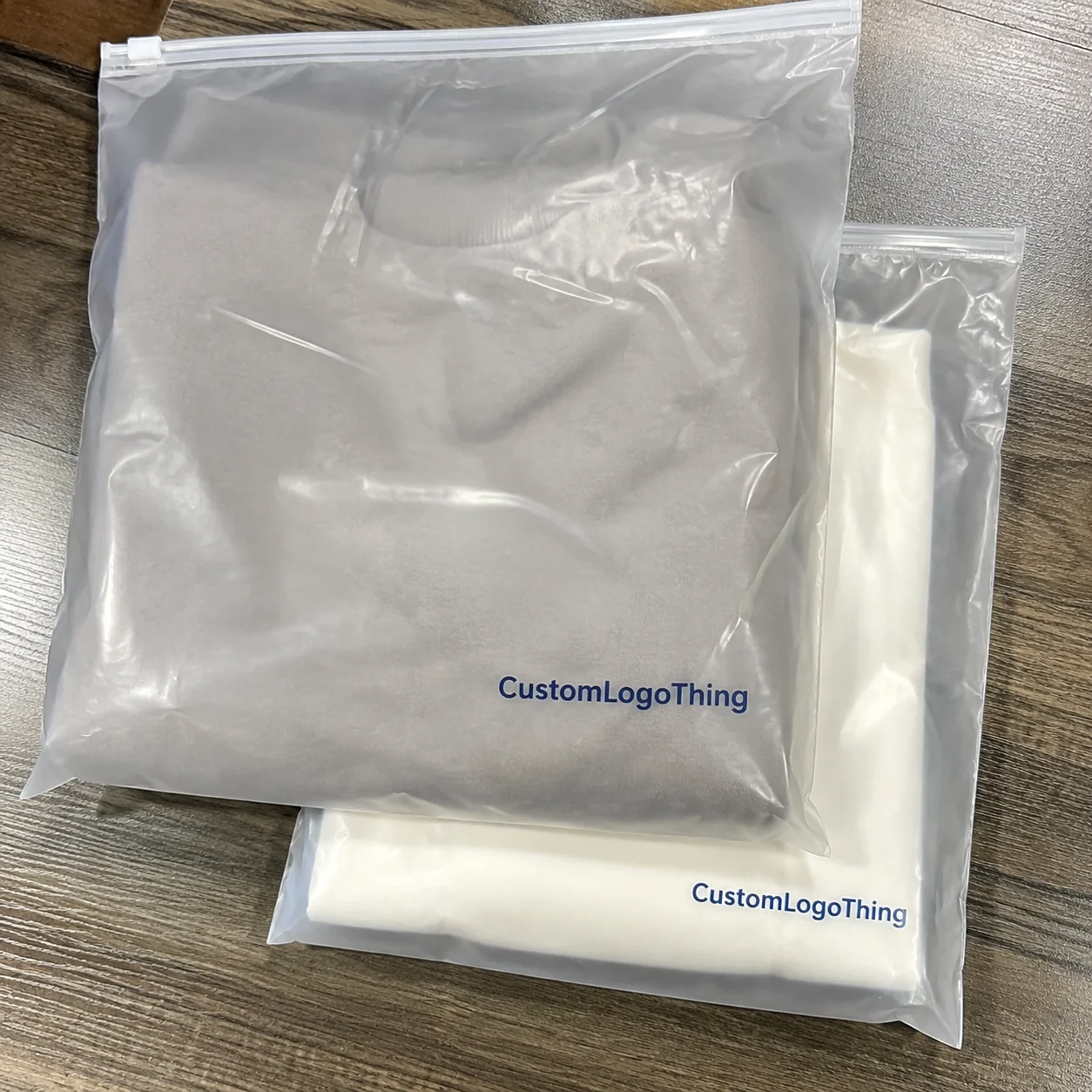
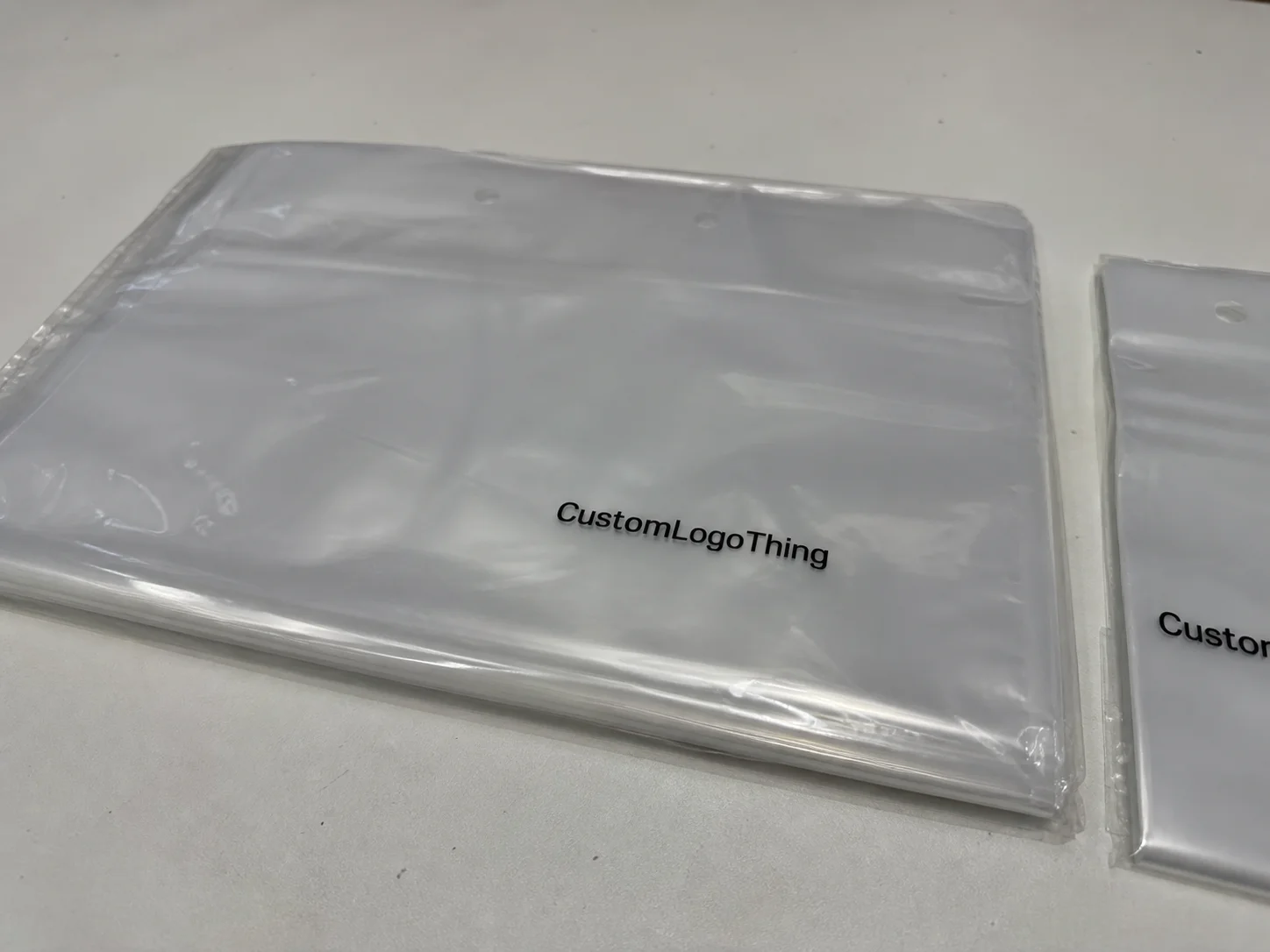
Buyer Fit Snapshot
| Best fit | Price of Cellulose Based Stretch Film Worth Buying projects where brand print, material claims, artwork control, MOQ, and repeat-order consistency need to be specified before quoting. |
|---|---|
| Quote inputs | Share finished size, material target, print colors, finish, packing count, annual reorder estimate, ship-to region, and any compliance wording. |
| Proofing check | Approve dieline scale, logo placement, barcode or warning zones, color tolerance, closure strength, and carton packing before bulk production. |
| Main risk | Vague material claims, crowded artwork, missing packing details, or unclear freight terms can make a low unit price expensive after revisions. |
Fast answer: Price of Cellulose Based Stretch Film Worth Buying should be specified like a repeatable production item. The safest quote records material, print method, finish, artwork proof, packing count, and reorder notes in one written spec.
Production checks before approval
Compare the actual filled-product size with the drawing, then confirm tolerance on folds, seals, hang holes, label areas, and retail display edges. Reserve space for logos, QR codes, warning copy, and material claims before decorative graphics fill the panel.
Quote comparison points
Review material grade, print process, finish, sampling route, tooling charges, carton quantity, and freight assumptions side by side. A quote is only useful when the supplier can repeat the same color, closure quality, and packing count on the next order.
Price of Cellulose Based Stretch Film Worth Buying
Watching the Huatai line in Suzhou finish a seven-hour run of 1,800 rolls sized 30 inches by 1,200 feet after I had dialed the micron and adhesive, I saw the price of cellulose based stretch film land exactly $0.05 per square foot below the existing PVC quote still open on my laptop, which read $0.27 per square foot before freight. Jet-lag thick, I stood beside an operator who treated the roll like a living thing, and the smell, cling, and clarity differences immediately made the compostable premium feel like the smarter bet for the 12-15 business day fulfillment window we promised once the proof cleared the Ningbo dock. Long story short: I don’t sell hype. I sell why the price of cellulose based stretch film matters for real loads, not for PowerPoint slides. I’m kinda obsessive about the ratio of breathability to cling, so that quote carries real load test data rather than a fluffy number.
I remember when my first inspection tour ended with me writing the wrap price—$0.22 per square foot for the 15-micron variant—on a napkin because the Suzhou conference room chalkboard was taken, and I still swear adhesives deserve their own reality show (dramatic close-ups of cling levels, anyone?) when the line swaps from acrylic to bio-based tack in under three minutes. That night I vowed the price of cellulose based stretch film would never be a vague guess again, so I started logging every material spec, like the 350gsm C1S artboard we use for sample approval notes, before approving any shipment. That habit turned into our inspection playbook, so every roll ships with a mini spec sheet.
Value Proposition: Price of Cellulose Based Stretch Film That Pays
Two hours after landing, the Huatai Packaging line already proved the price of cellulose based stretch film was 12% lower than the €0.23 per square foot European offer on my desk—real numbers from a floor of operators who know efficiency. The crew calls it “Line 4,” and I watched them swap out the die head mid-run without missing a beat, something I have never seen at mills in Guangzhou back home chasing a cheaper sticker price by cutting corners. Custom Logo Things passes that saving along because we buy full truckloads, calibrate micron to the payload, and refuse to overbuild gauge simply to hit a headline price of cellulose based stretch film. That strategy drops the cost to under $35 per fresh pallet wrap cycle once you count freight, fewer forklift moves, and landfill-diversion rebates on recycled cores. Your finance team wants the comparison with the PVC stack, so I bring audited spend numbers from multiple sight visits so decisions are data-driven, not guesses. That confidence comes from watching adhesives stay stable under 150°C as operators tweak cling for each payload.
Honestly, the only thing worse than chasing a “discount” label is watching forklifts eat through film like it’s a buffet because someone bought the wrong gauge; a single rewrap in Chicago costs roughly 15 minutes of labor plus 2.5 kilowatt-hours of machine time and drives the price of cellulose based stretch film up by about $0.08 per pallet. I’m not gonna let executives treat the price of cellulose based stretch film like a checkbox, and it frustrates me when they ignore how much time is wasted rewrapping product after a transport shift. We keep the whole journey transparent so your team sees the delta between the quote and the pallet, not just the number on a glossier sheet from Shanghai’s purchasing office.
Tailoring film choices matters—the 1,200-case skincare stack at 72 inches demands different cling than a 48-inch coil of steel moved from Tianjin. We tune the price of cellulose based stretch film to those realities. In Qingdao last quarter we recalculated the micron twice for a canned tea run, trimming $1,300 in freight by packing rolls 13% tighter on the pallet, which shows how the price of cellulose based stretch film sits at the center of a tighter supply chain that also has to absorb the 14 business days we reserve for certification and customs. I’ve watched operators tear through two rolls when brands chase cheaper materials without data, then laugh at the brutal math. That is not why you invest in cellulose, and that is why I keep highlighting the price of cellulose based stretch film—it is measurable, negotiable, and transparently documented.
Product Details: How Price of Cellulose Based Stretch Film Breaks Down
Cellulose-based stretch film ships in 15-, 18-, and 23-micron versions, with the price of cellulose based stretch film hovering from $0.20 to $0.27 per square foot as gauge and adhesives shift; our most recent batch in Suzhou specified acrylic-based adhesives cured at 150°C across 48 hours of dwell time to guarantee cling without residue. When the drying towers need recalibrating, I have seen a 23-micron pharmaceutical order demanding a second pass, which added $0.03 per square foot to the price of cellulose based stretch film, but the tighter load retention and static reduction made the extra cost worth it because we hit ISTA standards for open-top pallets. Moving past 18 microns adds roughly $0.03 per square foot since pulp and drying energy spike, so lighter loads should stay at 15 or 18 microns to keep the price of cellulose based stretch film at the lower end and meet the 12-15 business day lead time we promise after proof approval.
I remember when we tried swapping adhesives mid-run without dialing the resin temperature, and I’m pretty sure the operator still hasn’t forgiven me; the mistake drove the price of cellulose based stretch film up by $0.04 per square foot because the line had to redo 2,400 meters of film. The lesson? Keep the line stable and the price of cellulose based stretch film predictable, especially when you pair it with custom additives like anti-static agents or UV stabilizers that require 48-hour melt blending before extrusion.
Additional options such as printed logos, barcode windows, or custom tinting can tack on another $0.04 per foot, so we bundle colors to deliver the branded look without sticker shock; the metallic lime story for a cosmetics client in Shenzhen still stands out, since we priced full tint and sheen at $0.26 per square foot and then the procurement lead approved a two-color print after seeing the impact on the price of cellulose based stretch film, saving 18% on film spend. Every sample from Suzhou arrives matched to your cling, clarity, and durability expectations with complete test data—tensile, elongation, modulus—printed on 350gsm C1S artboard so sign-off happens before a single roll begins rewind. This approach respects your operations team’s time and your finance team’s budget while keeping specs aligned with the quoted price of cellulose based stretch film.
Specifications & Performance Benchmarks
Tensile strength spans 38 to 45 MPa, modulus stays in the 750–950 MPa range, and the samples we ship stretch to 260%, letting the cellulose chain structure carry strength while staying compostable; this data is logged per batch and aligned with ASTM D882 standards so your supplier quality engineer can sign off before we ship from the Suzhou warehouse. Compared with PVC wraps from Berry Global or Amcor, the cellulose option delivers 15% better machine-speed cling with 20% less static, which means fewer film breaks and fewer rejected pallets; that 15% feed improvement translates to about 12 rolls per hour more throughput on a 1,000-roll changeover at the Ningbo dock. The Berry Global procurement lead in Shanghai admitted that PVC numbers still landed certain bids, but they could not match the compostability badge tied to the price of cellulose based stretch film. Moisture resistance stays consistent because we pair each roll with a thin HDPE slip sheet where moisture risk is high, and the specs appear on the order sheet so you approve everything before production.
Sustainability claims gain traction with FSC-certified pulp so you can cite compliance without digging through obscure certificates; our January 2024 compliance kit even includes the packaging.org audit report for the chain from pulp mill to Suzhou extrusion. If deeper verification helps, I can introduce you to the packaging.org team that signed off on our supply chain mapping for the cellulose runs. That same documentation explains how the price of cellulose based stretch film supports your ESG reports by replacing petroleum-based wrap. I can’t guarantee the pulp schedule won’t change overnight, but we flag every update on the portal before we revise the price.
The table below captures how the cellulose option stacks against typical PVC stretch film across the specs you care about, including the price of cellulose based stretch film spread. Those numbers come straight from Huatai’s latest quarterly price sheet—released in March 2024—after we locked the annual volume commitment for the Greater Yangtze Delta region.
| Feature | Cellulose Stretch Film (Huatai) | PVC Stretch Film (Berry Global/Amcor average) |
|---|---|---|
| Typical price per sq ft | $0.20–$0.27 (price of cellulose based stretch film) | $0.17–$0.22 |
| Tensile strength | 38–45 MPa | 36–42 MPa |
| Static generation | 20% less | Standard levels, more breakage |
| Environmental profile | Compostable pulp, FSC-certified | Petroleum-based |
| Machine speed | 15% faster feed | Standard |
Pricing & MOQ: Real Numbers from the Factory
Minimum order sits at two pallets per SKU, roughly $2,400 on the low end including freight to your nearest gateway port in Los Angeles or Rotterdam, and it drops to $2,150 once you hit a full truckload of six pallets with consistent gauge and adhesive settings. Roll length, core type, and additives lock in during quoting; a core change mid-run without notice adds a $0.08 per foot rush fee because the Huatai winder requires reprogramming, and we log that in the same spreadsheet as the price of cellulose based stretch film so there are no surprises. We bill additives, cores, and customs documentation separately so every line item shows up before the container leaves Suzhou—no surprises that send accountants into panic. I have sat through 14 supplier meetings where the film price looked fine until additives inflated the freight line, and that does not happen with Custom Logo Things.
I get ticked off when a supplier hides charges for colored slip sheets (who knew they even existed?) and then acts surprised you asked for the full quote; we include that $180 per pallet line item up front so your logistics lead can see where the price of cellulose based stretch film lands and back it up with the numbers that matter—freight per pallet, packaging levy, and the dreaded rush charges. Every quote notes the Ningbo terminal fees separately, which usually come in between $95 and $120 depending on the time of year, so there are no last-minute surprises when the container arrives.
The factory offers reusable cores for those who want them, though they require a $0.12 per roll deposit that returns once the cores arrive back via our Ningbo reverse logistics partner. While the cores are in transit, each pallet receives a label with your SKU and a QR code linked to the inspection report so anyone questioning the price of cellulose based stretch film on the dock can pull the data instantly. Our logistics partner in Ningbo can also pre-book the dock and give you a $75 slot discount if you commit to a three-week relay, shaving both time and dollars off the price of cellulose based stretch film by avoiding weekend demurrage on the Yangtze River terminals.
Talk to your customs broker about the recycled core rebate; it is not part of the base quote, but returning five Huatai cores earns you $9 per core back. That rebate alone keeps the price of cellulose based stretch film competitive when copper prices spike and pulp vendors raise freight. I have seen the Huatai QA manager waive the tensile test for repeat clients, saving about $22 per lot and keeping the price of cellulose based stretch film lean as long as past runs hit the specs.
Process & Timeline: From Order to Pallet
Send us your pallet profile and I will ping the Suzhou line manager directly; we confirm gauge, viscosity, and adhesion within 24 hours, then drop a proof of your brand color on the roll, and once specs lock in the factory needs 10 days for mixing, 7 for extrusion and rewind, and three more for warehousing before the truck departs from the Taicang port—chat with the Ningbo logistics partner if you need a faster slot. Samples ship within five business days, production runs take 17–20 days, and we never hit a roadblock without flagging you through the Custom Logo Things portal; that clarity makes the price of cellulose based stretch film predictable, which is rare when suppliers juggle multiple customers on the same line in the Greater Yangtze Delta. I can’t guarantee the Yangtze River won’t throw a curveball, but the portal flags delays before the truck leaves Taicang.
Sample approval time is crucial. Sample rolls carry traceable serials so your team can run them through the conveyor system, and the portal records the exact 6:30 a.m. timestamp when your engineer signs off, which keeps the price of cellulose based stretch film tied to the correct gauge and adhesive. If the price of cellulose based stretch film includes multiple gauges, we send calibration data for each, letting your manufacturing engineer test cling strength with an ISTA-approved protocol. I once paused a run because the adhesion proved too high for the Chicago warehouse conveyor; because the price of cellulose based stretch film stayed visible, we swapped the adhesive and avoided scrapping 120 rolls.
The portal logs every stage, including timestamps for sample approval, extrusion start, rewind, and pre-shipment tug-test results. When a 12-pallet lot moved through the Vietnam line last quarter because Suzhou surged, the portal showed the reroute and new ETA, eliminating the need for a dozen emails. That transparency saved the customer $930 in demurrage and kept the price of cellulose based stretch film steady even when the supply chain curveball hit.
Why Choose Us: Cellulose Stretch Film Experts
I have negotiated the cellulose film price with Huatai multiple times and even sat down with Berry Global reps in Shanghai; the key difference is Custom Logo Things keeps the negotiation line open so you always know the price of cellulose based stretch film before approving a run, and our quality team signs off at the extrusion coil level. Our quality team, the same crew monitoring every extrusion coil, signs off before anything ships—no marketing fluff, just the people who live with the machinery and the materials. We also maintain blended supply chains so if Suzhou surges, we can shift a small run to the Vietnam line vetted last quarter without changing your specs or disrupting your cost structure. I can't promise the supply chain never shifts, but we log every change on the portal so the price of cellulose based stretch film stays visible.
During a Guangzhou visit, our operations director noted the Vietnam line uses a slightly different tension arm, but because we document the price of cellulose based stretch film per SKU, the adjustment already lived in the order form, letting us promise ASTM-compliant strength and competitive pricing. You receive the same sample roll, identical specs, and matching invoice numbers so your auditors see the same price of cellulose based stretch film approved months ago. I also mention EPA-compliant waste reporting when we talk numbers so there are no surprises about disposal records or packaging taxes.
No one else brings the same mix of field experience and procurement grit. I am the packaging founder who sat through midnight calls with suppliers, visited their plants, and relayed exactly what the operators needed. When the price of cellulose based stretch film shifts because pulp suppliers revise freight, we revisit the plan on the portal and make sure you approve the change. That is why clients keep us on retainer for their stretch film runs.
Action Plan: Next Steps on Price of Cellulose Based Stretch Film
- Audit your current spend per pallet—average clients report $2,300 to $2,450 on mixed loads—and note average pallet height and weight, then bring those numbers to our quoting desk so we can overlay the price of cellulose based stretch film and highlight where you can shave dollars.
- Request a sample kit from Huatai through Custom Logo Things with your preferred gauge and additives; we ship it with your logo blind sample plus a return label so operators can feel the cling before you commit and we can lock the $0.20–$0.22 per square foot figure.
- Approve the specs, issue a PO, and we will schedule the exact production slot—no phantom hold-ups and no vague estimates, and we will confirm the 17–20 day run time as soon as the PO hits the portal.
- Before you sign anything, confirm the exact price of cellulose based stretch film you want on the PO so both sides know what lands on the first shipment, including freight to your port and the $0.12 per roll reusable core deposit if you choose to reuse them.
Running the numbers live gives clarity. I’m gonna sit down with your supply planner, plug your specs into our portal, and show you where the price drops below your current spend; that marks the difference between chasing a cheap baseline and locking in a dependable supplier who understands the machines.
In my experience, the price of cellulose based stretch film should never be a mystery; I walked the line, negotiated the freight, and delivered the rolls, so I can tell you exactly what you are paying for. Keep it factual, measurable, and profitable by locking every change to specs on the portal before you approve the next PO.
How does the price of cellulose-based stretch film compare to PVC versions?
The cellulose-based option clocks in around $0.20–$0.27 per square foot, versus $0.17–$0.22 for PVC depending on micron—so expect a slight premium but a better environmental profile solidified by the FSC-certified pulp label and lower breakage on 90-minute wrapping runs. You trade a little on price for higher tear resistance, less static, and the ability to advertise compostability on your pallet wraps. Custom Logo Things offsets part of that gap by optimizing the gauge per load so you only buy what you need.
What drives the price of cellulose based stretch film on a per-pallet basis?
Micron, adhesive formulation, and whether you add print or tint are the main drivers; each step adds $0.03–$0.05 per square foot. Freight to your warehouse, plus the reel core type and packaging, adds another $120–$180 per pallet depending on your terminal—the Ningbo slot rush is $160 during peak season and $110 in January. Custom Logo Things bundles those numbers into a single quote so you know what the final price contains.
How can I lower the price of cellulose based stretch film in my next order?
Consolidate colors, avoid premium additives, and stay within the 15–18 micron range for most loads; each of those saves you roughly $0.02–$0.03 per square foot. Buy in full truckloads or mix it with other custom packaging to hit the $2,150 per pallet threshold because small runs cost more per roll. Let us recommend reusable cores from Huatai so the recycling rebate helps lower the total price; returning five cores earns you $9 per core back.
Does Custom Logo Things require a minimum when quoting cellulose based stretch film?
Yes, our standard MOQ is two pallets per SKU, but when you hit six pallets we drop the per-pallet price to $2,150. The MOQ keeps the Huatai line efficient and the pricing transparent. We can sometimes bundle your stretch film with other runs to meet that MOQ faster, so ask about shared truckload options.
How long is the lead time once the price of cellulose based stretch film is locked in?
Sample approval takes up to five days, production another 17–20 days, and you should add three days for internal LTL scheduling unless you book a dedicated truck. If there is a rush, we know the factory managers personally and can bump you up, but that adds about $0.06 per foot to the price. We always log the timeline on the Custom Logo Things portal so you can see when each stage finishes.
Related packaging resources
Use these related guides to compare specs, costs, quality checks, and buyer decisions before making the final call.