Beauty packaging buyers usually do not lose margin because a pouch is a few cents too high. They lose it when the bag tears in transit, the zipper fails after a few openings, the film clouds on shelf, or the spec was too loose and the run has to be repeated. For that reason, Clear Zipper Bags unit cost for beauty should be treated as a full package cost, not a headline number in isolation.
Clear Zipper Bags stay popular because they show the product, keep the presentation simple, and work across sample kits, travel sets, tools, and retail accessories without forcing the brand into a complicated structure. The best versions are not the cheapest ones. They are the ones that hold shape, close consistently, and arrive looking like the sample that was approved.
That matters more in beauty than in many other categories. Customers handle the pack directly, the contents are often small and high value relative to size, and the packaging has to look tidy even after shipping. A clear pouch that feels flimsy or clouds too easily sends the wrong signal before the product is even opened.
Why beauty brands choose clear zipper bags over cheaper pouches
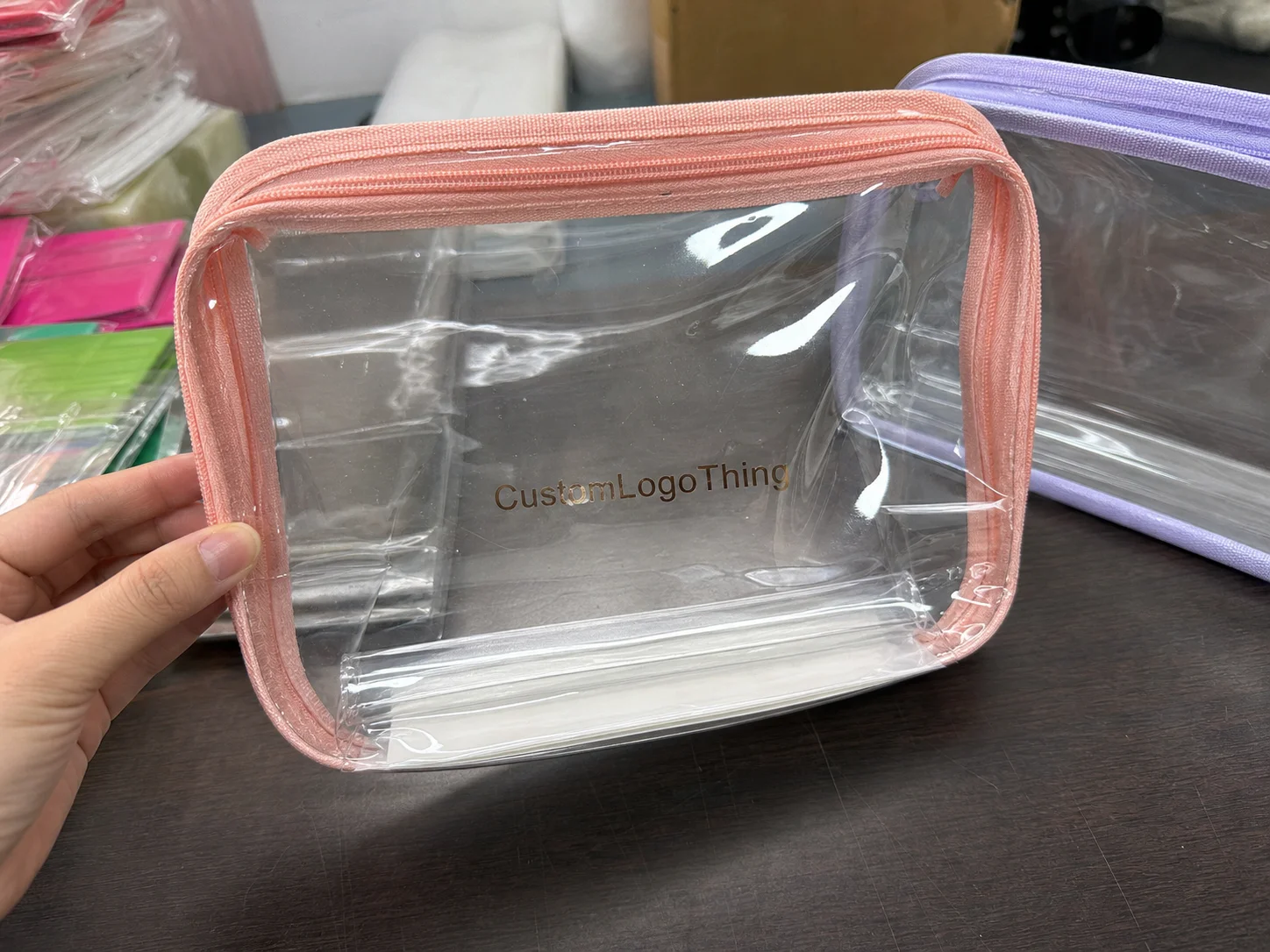
A low quote is easy to like on a spreadsheet. The problem is that generic pouches often hide a long list of small failures. Print can drift, seals can split, zippers can feel weak, and bags can arrive with inconsistent dimensions. That last point matters because a product stack may fit in one batch and not the next.
For beauty launches, the packaging line is part of the product experience. A slightly higher unit price can still be the lower-cost option if it reduces damage, returns, and labor spent fixing packing issues. Buyers should compare the structure, closure, and packing method, not only the starting price.
Clear Zipper Bags are especially useful for sample kits, refill packs, lash accessories, bath products, wipes, cotton pads, travel sets, and small gift bundles. The transparency helps both retail presentation and fulfillment accuracy. Staff can see the contents quickly, and customers can confirm what they are buying without opening the pouch.
A quote that looks cheap can become expensive if the bag does not fit the product, the zipper fails, or the packing method causes damage before the customer sees it.
Repeatability matters just as much as appearance. If a brand reorders the same pouch months later, the second run should match the first in clarity, size, zipper feel, and print placement. A launch can survive a rough sample review. It rarely survives a reorder that arrives slightly smaller, slightly cloudier, or harder to close.
Materials, thickness, and finish options that change unit cost
Material choice has a direct effect on both look and price. PE is common for simple clear bags because it is flexible and economical. It works well for basic packaging needs when the goal is to keep unit cost down. The tradeoff is that PE often feels softer and less premium than other structures.
CPP is often selected when clarity and handfeel matter more. It tends to look cleaner and more retail-ready, which is why it appears often in beauty packaging where presentation affects perceived value. PET/PE laminates usually offer more stiffness and better shelf presence, but that extra structure comes with a higher cost per piece.
Thickness changes the experience as much as the material does. Thin sample bags can work around 60 to 80 microns when the contents are light and flexible. For beauty kits, refill packs, or small bottles with more weight, 90 to 120 microns is often safer because it gives the bag a firmer feel and better resistance to stretching.
Zipper style also affects pricing. A standard press-to-close zipper is usually the baseline. Reinforced closures cost more but are easier to justify when the bag will be opened repeatedly, handled in retail, or packed with contents that create more stress at the closure line. Double zippers exist for some applications, though they should only be specified if the product really needs the extra closure strength.
Finish choices add cost in smaller increments that still add up across a run. Frosted film, matte treatment, euro holes, tear notches, custom print, and special handle shapes all change the final quote. If a finish improves shelf appeal or makes fulfillment easier, it can justify the increase. If it only looks decorative on a sample, it may not.
For buyers who want a neutral reference point when comparing structure and material language, industry packaging resources such as Packaging.org and similar packaging references can help keep supplier conversations precise. That is useful when a quote uses broad terms that hide the actual film construction being proposed.
Specs beauty buyers should confirm before requesting quotes
Most pricing mistakes start with an incomplete brief. Before requesting a quote, lock down the size, thickness, zipper style, print requirements, and packing format. If those details are still changing in email threads, the supplier is guessing and the numbers you receive will reflect that uncertainty.
Beauty products need usable internal space, not just a nominal outer dimension. A flat sample card, a tube, a small bottle, and a bundled set all behave differently once inside the pouch. Measure the packed product stack, then add enough clearance for easy closure and normal handling.
Clarity and seal performance should be evaluated together. A pouch can look attractive and still fail at the zipper line. It can seal well and still haze during storage. Ask for a physical sample and inspect it under normal light, not only under ideal photography conditions. For premium or scent-sensitive products, pre-production approval is usually worth the extra step.
Transit performance matters as well. For retail sets or ecommerce shipments, ask how the bags hold up under carton compression, vibration, and repeated handling. Standards such as ISTA testing methods are useful because they give buyers a practical framework instead of a vague promise that the packaging is “strong enough.”
- Dimensions: confirm both the outer size and the usable internal space.
- Thickness: choose a range that matches the product weight and handfeel.
- Zipper type: standard, reinforced, or double closure.
- Print method: no print, one-color print, or multi-color branding.
- Packing format: flat packed, stacked, or boxed for retail and fulfillment.
Clear zipper bags unit cost for beauty: what drives price and MOQ
Clear Zipper Bags Unit Cost for beauty changes quickly once quantity, structure, and print are fixed. A stock-style pouch may look inexpensive on first review, but the price rises once the order becomes custom size, branded, or upgraded to a heavier film. That is normal bulk pricing behavior because setup charges, tooling, and print preparation are spread across the run.
For buyers comparing quotes, the useful question is not “What is the lowest price?” It is “What is the price at the volume I actually need, with all known charges included?” A low base quote can turn into a more expensive order once plate fees, artwork revisions, inner cartons, or split shipments are added.
| Option | Typical MOQ | Typical unit cost | Best use | Tradeoff |
|---|---|---|---|---|
| Stock clear zipper bag | 500 to 1,000 pieces | $0.04 to $0.12 | Sampling, short tests, simple refill packs | Limited sizes and minimal branding |
| Custom size, no print | 1,000 to 3,000 pieces | $0.08 to $0.18 | Beauty kits, accessories, retail packs | Higher setup and longer lead time |
| Custom printed clear zipper bag | 3,000 to 10,000 pieces | $0.12 to $0.28 | Brand launches, shelf display, gift sets | Tooling fees and print setup charges |
| Premium laminated pouch | 5,000+ pieces | $0.18 to $0.40+ | Heavier products, premium retail, stronger shelf impact | Higher freight and spec cost |
Those ranges are practical, not absolute. A small bag with no print can come in below the stated range if the structure is simple and inventory is already available. A larger pouch with a special zipper or unusual shape can climb well above it. That is why a single headline price is rarely enough to guide a buying decision.
MOQ deserves careful attention. If the product line is still being tested, a lower minimum may be worth the higher unit cost because it reduces inventory risk. If the pack has already been validated, a higher volume usually improves economics because setup work is spread across more bags and supplier scheduling becomes more efficient.
Lead times, approval steps, and production timing
The process should be clear and routine: inquiry, spec confirmation, quote, sample approval, production, quality control, packing, and shipment. If a supplier cannot explain that sequence in plain language, delays usually appear later. Beauty launches move on deadlines, and delays often come from small gaps in communication rather than from the machine schedule alone.
Lead time depends on whether the bag is stock-like or custom. A simple clear pouch can move faster because less setup is required. Custom sizes and printed orders need more time because artwork, tooling, and production scheduling all have to line up. For many custom runs, 12 to 15 business days after proof approval is a reasonable planning range.
Three issues slow orders more than most others: unclear artwork, late size changes, and last-minute material swaps. A quote is only valid for the specification that was originally submitted. If the zipper style changes midstream, the production plan changes too.
It helps to prepare the brief before reaching out. Include product use, dimensions, thickness target, zipper style, print requirements, annual volume, and shipping destination. If the bag needs to hold inserts, cards, or bundled components, mention that as well. The more complete the brief, the more accurate the quote will be.
For launch-critical orders, ask for a physical sample and a pre-production sign-off. That extra round of approval is inexpensive compared with replacing thousands of bags after a packaging mismatch. Speed matters, but only when the production run is still the right run.
Quality control, packing, and reorder risks
Quality control is not just about catching obvious defects. For clear zipper bags, the checks that matter most are zipper alignment, seal strength, film clarity, size consistency, and print registration if the bag is branded. If any one of those is off, the bag looks less premium and may fail in use.
Packing method has a bigger effect than many buyers expect. Bags packed too loosely can arrive bent, scratched, or unevenly stacked. Bags packed too tightly can deform during warm transit or compression. Proper carton counts, sensible inner packing, and protection against rubbing all reduce damage and the time spent sorting material before a launch.
Reorder consistency deserves the same attention as first-run approval. A good supplier should be able to repeat the same spec without quietly changing the film, the zipper, or the packing count. In beauty packaging, small changes are often enough to create a different customer experience.
Before placing the order, buyers should ask a few practical follow-up questions:
- What happens if the defect rate exceeds the agreed limit?
- How are replacements or reprints handled?
- Will packing photos and shipment tracking be provided?
- Can the supplier repeat the spec on the next order without changes?
Those questions are not about being difficult. They are about preventing avoidable cost later. Fewer defects mean fewer rush replacements. Fewer rush replacements mean less pressure on freight and less disruption to launch planning. The supplier that protects consistency is usually the one that protects margin.
How to quote a run without blowing the budget
Start with a complete quote brief and keep it consistent across suppliers. State the product use, bag size, thickness target, zipper type, print requirements, quantity range, and shipping destination. If possible, include a photo of the filled product. That saves time, reduces back-and-forth, and makes it easier for the supplier to recommend the right structure on the first pass.
Ask for pricing at two or three quantity levels so you can see how the unit cost changes across realistic order sizes. A good comparison usually reveals the break point where the price improves enough to justify a larger run. If the drop is small, the extra inventory may not be worth the risk. If the drop is meaningful, the higher volume may make sense.
Samples matter. A physical sample tells you more than a spec sheet ever will. It shows how clear the film really is, how the zipper feels, and whether the bag keeps its shape when handled like a real product rather than a photographed sample. Beauty packaging is tactile, and the handfeel often changes the buyer’s judgment faster than the printed price line does.
Before depositing money, confirm shipping terms, carton count, and the delivery window. If the bags have to land before a launch date, there is little room for surprise delays. The best purchase is the one that matches the product, the budget, and the calendar without creating a second order to fix the first one.
What is the typical clear zipper bags unit cost for beauty products?
It depends on size, thickness, zipper style, print coverage, and quantity. Basic stock-style bags often fall around $0.04 to $0.12 each, while custom printed versions commonly land closer to $0.12 to $0.28 or more. The most accurate comparison comes from quotes at multiple volumes with all known charges included.
How does MOQ affect clear zipper bag pricing for beauty brands?
Lower MOQ usually means a higher unit price because setup costs are spread across fewer bags. Higher volume generally improves pricing, especially for custom sizes or printed orders. If a product is still being tested, a smaller order can still be the better financial choice because it reduces inventory risk.
Which bag thickness is best for beauty packaging?
The right thickness depends on product weight, handling, and the look the brand wants to achieve. Lighter sample packs can often use thinner film, while premium kits and heavier items usually benefit from a sturdier range around 90 to 120 microns. Too thin can feel flimsy; too thick can raise cost without adding much benefit.
How long does production usually take for custom clear zipper bags?
A simple stock-style order can move quickly, while custom size and printed bags need more time for proofing, setup, and quality checks. Many custom runs are planned around 12 to 15 business days after proof approval, though the timeline can extend if the artwork is not final or if the packing spec is unusual.
What should I send to get an accurate quote for beauty zipper bags?
Send the bag dimensions, thickness target, zipper type, print requirements, quantity, and shipping destination. If possible, include details about the product that will go inside the pouch. A sample or photo of the filled product helps the supplier recommend a structure that fits properly and avoids unnecessary rework.


