Why Subscription Brands Notice Bag Cost More Than Product Cost
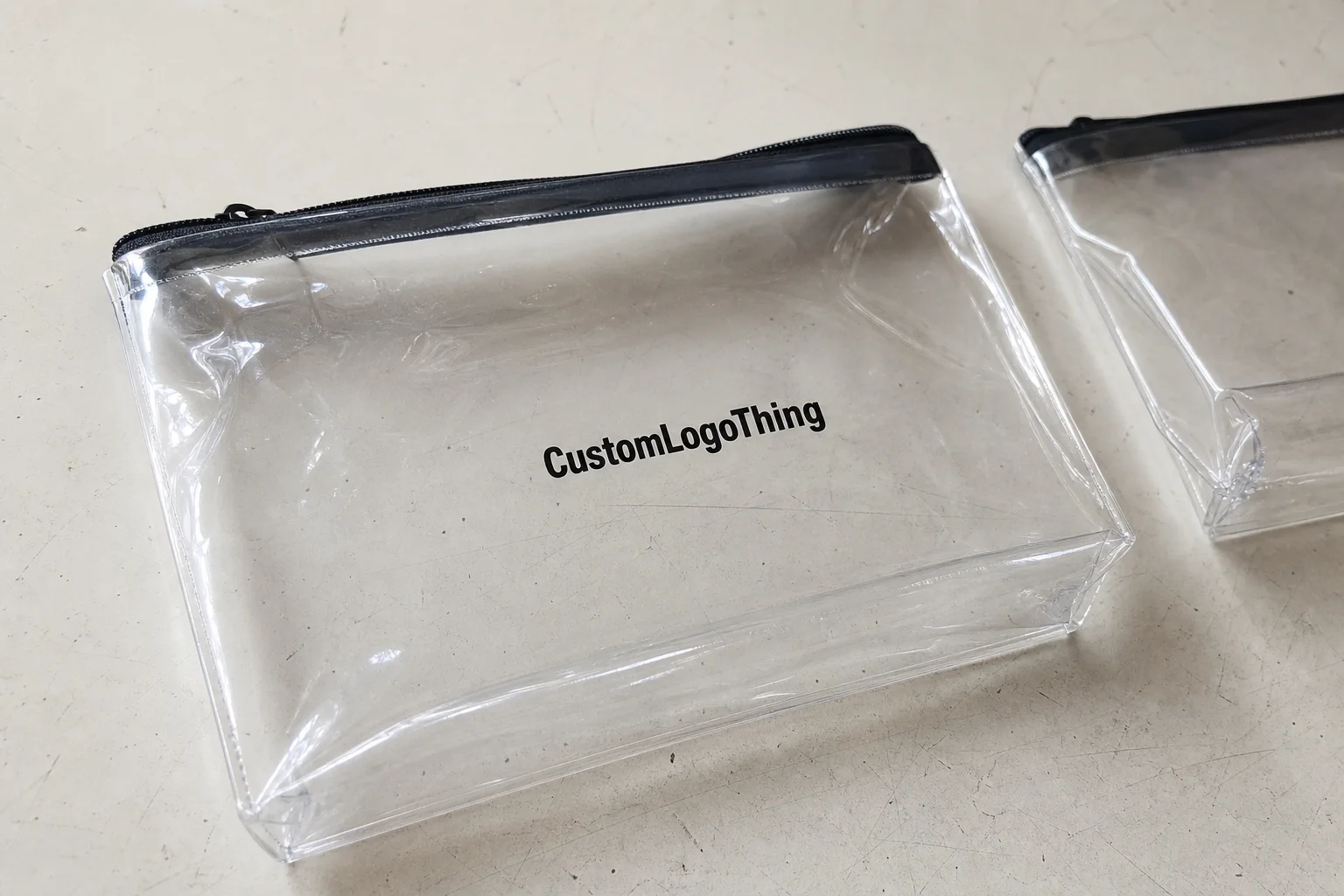
For subscription brands, Clear Zipper Bags Unit Cost for subscription programs can decide whether a box stays comfortably profitable or starts leaking margin one shipment at a time. A single bag rarely looks expensive on its own, but when it is purchased by the tens of thousands and repeated in every fulfillment cycle, the math changes quickly. Packaging waste compounds in a way product cost usually does not, because the bag is reordered month after month.
That is why Clear Zipper Bags deserve more attention than many buyers give them. They are not just a container. They protect goods, support presentation, and make storage easier for the customer after unboxing. If the film looks cloudy, the zipper feels weak, or the seal fails after a few openings, the subscriber notices right away. So does the fulfillment team, usually before the customer does.
The real question is rarely “What is the cheapest bag?” It is “What is the cost per piece once quality, freight, rejects, and replenishment timing are included?” Subscription businesses depend on recurring demand, so their packaging has to support recurring spend without creating surprises. A bag that seems inexpensive can become costly if it slows packing, arrives inconsistently, or has to be replaced because it cannot hold up to repeat handling.
The most useful evaluation criteria are practical:
- Unit cost at the right volume band
- Seal quality and closure consistency
- Clarity and finish under handling, not just on a sample
- Bag size and fit to the product
- Replenishment reliability and reorder lead time
A low headline price means very little if the bag causes rework or irregular packing speeds. The cheapest option on paper is not always the cheapest option on the floor.
Clear Zipper Bag Styles That Fit Subscription Fulfillment
Not every clear zipper bag fits every subscription model. The format has to match the product, the packing line, and how the customer uses the bag after delivery. Flat Clear Zipper Bags, stand-up styles, gusseted pouches, and Resealable Poly Bags all carry different cost profiles and different handling characteristics.
Flat clear zipper bags are usually the simplest and often the most economical. They work well for slim apparel items, small accessories, inserts, and sample packs. Stand-up styles make more sense when the product needs shelf presence or a more premium unboxing moment. Gusseted pouches help when volume matters more than display, since they allow some expansion without forcing a larger footprint. Resealable poly bags are often the lowest-cost option, but they are not always the best choice if the brand wants a more polished retail look.
Subscription categories vary enough that the best bag in one program can be the wrong bag in another. Apparel kits often need a clean, visible package that keeps garments dust-free and sorted. Wellness and beauty boxes may need better moisture resistance. Food-safe retail kits need material compliance and tighter control over film thickness and seal integrity. Accessories usually sit somewhere in the middle, where clarity and repeatable sizing matter more than heavy barrier performance.
There are also small specification choices that influence both function and price:
- Tear notches for easier opening
- Hang holes for retail display or kitting
- Frosted vs. crystal-clear film
- Single zipper vs. double zipper
- Flat seal vs. gusseted construction
The right bag is not just a container. It affects picking speed, packing consistency, and customer perception. If operators have to fight the zipper during fulfillment, labor cost rises. If the bag collapses in storage or scuffs too easily, presentation suffers. For subscription brands, those are commercial issues, not design preferences.
Specifications That Move the Unit Cost Up or Down
When buyers compare clear zipper bags, the quoted price usually comes down to a handful of variables: thickness, size, zipper style, resin grade, and any added features. Thickness is often measured in mils or microns, and even a small change can move the unit cost noticeably at scale. A 2 mil bag is not priced like a 4 mil bag, because the material load is different and the performance expectation changes with it.
Size drives cost too. Larger dimensions use more film and can change the carton count per case, which affects freight efficiency. That matters in subscription fulfillment because case pack configuration changes how quickly cartons are opened, staged, and packed. If a bag style reduces carton count per pallet, the landed cost can improve even when the ex-factory price looks slightly higher.
Clarity is another pricing signal. Higher transparency usually means better resin quality and tighter process control. That tends to cost more. Buyers sometimes assume all clear bags are equal because they all look transparent on a quick sample, but they are not. Some films haze faster, show scuffing sooner, or lose visual appeal after handling. Better clarity often supports a better retail impression, but it also pushes the price upward.
Custom sizing and print coverage add cost as well. A simple stock bag with no print will often sit at the lower end of the market. Add a logo, custom dimensions, matte finish, or a euro slot, and the quote moves into a different bracket. In many cases, tooling fees or setup charges appear if the run requires a new size, a new zipper profile, or special printing plates.
Before quoting, buyers should confirm these specs:
- Thickness in mils or microns
- Exact finished dimensions
- Zipper style and seal count
- Food-contact status, if relevant
- Moisture resistance expectations
- Case pack and carton count
Reusable seal performance gets overlooked more often than it should. If the bag is expected to open and close multiple times, the zipper geometry matters. A weak seal can create returns, and returns are expensive in subscription commerce because they add handling, restocking, and service time. The bag should support the product through its full life cycle, not just the first unboxing.
If sustainability requirements are part of the brief, ask whether the material meets the relevant recycled-content or certification expectations. For paper-heavy programs, buyers often check FSC standards, but for plastic films the bigger issue is usually material reduction, recyclability claims, and packaging waste reduction. For broader packaging guidance, the Institute of Packaging Professionals is a useful technical reference point.
| Bag style | Typical use | Relative unit cost | Operational note |
|---|---|---|---|
| Flat clear zipper bag | Apparel, accessories, inserts | Lowest to moderate | Fast to pack, easy to store |
| Gusseted clear zipper bag | Bulkier kits, sample bundles | Moderate | Better volume capacity |
| Stand-up clear pouch | Premium retail presentation | Moderate to higher | Stronger shelf impact |
| Printed custom zipper bag | Branded subscription programs | Higher | Requires setup, sometimes tooling |
Cost, Pricing, and MOQ: How to Read the Quote
Good quoting is about transparency, not just the final number. A clear zipper bag quote should show how the price changes by volume, what is included, and where the extra charges sit. For subscription buyers, that matters because a lower sticker price can be misleading if the shipment terms or quality controls are weak.
Order quantity has a direct impact on bulk pricing. As volume rises, the per-unit cost usually falls because setup is spread across more pieces and production becomes more efficient. That said, the drop is only useful if the inventory will actually move. Buying too far ahead of demand can improve unit price while hurting cash flow, warehouse space, and flexibility. That is not a real win.
Here is a practical way to read a quote:
- Material cost — film, zipper, resin grade, and any additives
- Conversion cost — cutting, sealing, bag formation, packaging
- Setup charges — artwork prep, plate making, machine setup
- Tooling fees — only if the structure requires it
- Freight — domestic or imported, and whether it is prepaid or collect
The minimum order quantity, or MOQ, can make or break a program. A lower MOQ helps when product demand is still being tested, but the cost per piece is usually higher. A larger MOQ can unlock better pricing, although it also increases storage needs and ties up more cash. The right answer depends on how predictable the subscription volume really is.
For small-batch launches, buyers often focus too hard on the sticker price and too little on landed cost. That is backwards. A bag priced at $0.10 per unit may not be cheaper than a bag priced at $0.13 if the first one carries higher freight, a higher reject rate, or a costly second reorder. In practice, the landed cost tells the truth.
To make supplier comparisons fair, ask for tiered pricing such as:
- 5,000 units
- 10,000 units
- 25,000 units
- 50,000 units
That gives a clearer view of the price curve. It also shows whether the supplier has a rational structure or just a promotional opening number. Ask for sample costs too. Some suppliers include them, others charge a nominal fee. Neither is unusual. What matters is that the quote spells it out.
Example pricing logic: a stock clear zipper bag might land around $0.03-$0.07 per unit at higher volumes, while a custom-size or printed version can move into the $0.10-$0.25 range or more depending on thickness, print coverage, and pack format. Those are broad market ranges, not quotes. They are still useful because they show how quickly the economics change once the specification changes.
For packaging programs that need performance testing, ask whether the bags are assessed against relevant transport or handling expectations. The exact test depends on the product, but packaging teams often reference ISTA protocols for distribution performance. If your program has a sensitive item, that level of discipline is worth the time. The International Safe Transit Association is a credible place to start.
Process and Lead Time From Sample to Reorder
A reliable bag program follows a fairly predictable path: spec confirmation, sample approval, material sourcing, manufacturing, quality check, and dispatch. That sequence sounds simple, but every step can shift lead time if the buyer is vague on dimensions, finish, or pack format. Most delays begin with incomplete information.
Stock bags usually ship faster than custom runs. A stock clear zipper bag can sometimes move in days if inventory is on hand. A custom-sized or printed bag may need a few weeks, depending on artwork approval, material availability, and line scheduling. Add new tooling or special film requirements and the timeline stretches further.
For many subscription brands, the best setup is a standing reorder cadence. That reduces the chance of stockouts and emergency freight, both of which hit margin hard. If a brand runs monthly boxes, the packaging should not be ordered in panic mode every cycle. A stable purchasing rhythm gives the supplier room to plan materials and gives the buyer more control over inventory.
A realistic timeline often looks like this:
- Sample review: 3-7 business days if the spec is standard
- Production prep: 2-5 business days after approval
- Mass production: often 10-20 business days for custom runs
- Final transit: depends on shipping lane and mode
Buyers can keep the schedule tight by approving artwork early, confirming dimensions before sampling, and locking the reorder plan before inventory runs low. It sounds basic because it is basic. Yet packaging programs still stall for these exact reasons.
One operational note: if your bag specification is likely to repeat, standardize it. Reorders are easier when the dimensions, zipper style, carton count, and storage format are fixed. That consistency reduces the chance of receiving a bag that technically matches the drawing but behaves differently on the line.
Why Buyers Stick With a Supplier That Can Scale With Reorders
Reliability is financial. That is the part many packaging suppliers underestimate when they talk only about service. A supplier that ships the same bag spec every time helps protect margin because it reduces packing errors, complaint volume, and the labor spent reworking inventory. Consistency has a dollar value.
For subscription brands, batch consistency matters because the packaging is touched every month, often by different fulfillment staff and under tight outbound schedules. If one batch is slightly stiffer, slightly cloudier, or a millimeter off in size, the whole line notices. So do the customers who receive the box. A stable supplier keeps those variables under control.
Look for measurable signs of supplier capability:
- Documented QC checks on dimensions and seal integrity
- Batch-to-batch consistency across repeat orders
- Responsive communication on stock, timing, and issues
- Reorder memory so specs do not have to be rebuilt each time
There is also a margin protection angle here. Fewer rejects mean less rework. Better packing consistency means less labor friction. Stronger communication means fewer last-minute purchases at inflated prices. None of that is flashy, but all of it is useful.
Buyers should also ask how the supplier handles scaling. Can they support launch volume and later replenishment spikes without changing the spec? Can they hold repeat pricing for a reasonable period? Can they preserve the same film grade if the bag is reordered in a different season? Those questions sound operational, but they are really commercial. The answer determines whether the packaging budget behaves predictably.
If your brand tracks waste reduction or environmental claims, align the supplier conversation with real standards and documentation. The EPA’s packaging and waste resources can help teams frame those goals in practical terms: EPA recycling guidance. It is not about marketing language. It is about having a defensible position when customers or retailers ask hard questions.
Next Steps to Lock in the Right Bag for Your Subscription Program
If you want a quote that actually helps you compare options, prepare the basics before you reach out: finished size, thickness, zipper type, estimated quantity, print requirements, carton preferences, and delivery window. Those details shorten the quoting cycle and reduce the chance of a low number turning into a revised number later.
Order a sample or prototype before committing to a full run. That sounds conservative because it is. In packaging, conservative usually means cheaper. A sample reveals whether the zipper tracks cleanly, whether the film scratches too easily, and whether the bag fits the product without excess air or wrinkling. Those are small details until they affect packing speed or customer perception.
A sensible buying process looks like this:
- Share specs and target volume
- Request tiered pricing and MOQ details
- Compare two or three material or thickness options
- Review a sample under real packing conditions
- Set a reorder threshold before inventory gets tight
That last point matters most for subscription businesses. If the reorder point is set too low, the brand ends up buying under pressure, and pressure always costs money. Build in enough time for sample approval, production, and transit without relying on emergency freight.
For most buyers, the right supplier is the one that gives a fair cost per piece, holds the spec, and can repeat the same result next month and the month after that. That is how Clear Zipper Bags Unit Cost for subscription programs stays under control. Not by chasing the lowest quote, but by choosing a bag that fits the product, the fulfillment line, and the reorder cycle with enough discipline to protect margin.
FAQ
What affects clear zipper bags unit cost for subscription orders?
Order quantity, bag thickness, size, closure style, and custom features all affect unit pricing. Print, special finishes, and freight can increase the landed cost even when the base bag looks inexpensive.
What MOQ should I expect for clear zipper bags for recurring subscriptions?
MOQ varies by whether the bag is stock or custom, but custom sizes and printed runs usually require higher minimums. Ask for tiered pricing so you can compare the MOQ against your monthly replenishment volume.
How do I compare quotes if one supplier has a lower unit price?
Check what is included: sample fees, setup, packaging format, shipping method, and quality standards. A lower unit price can be offset by higher freight, slower lead time, or more rejects.
How long does production usually take for clear zipper bags?
Stock items can ship faster than custom runs, while printed or custom-sized bags need extra time for approval and manufacturing. Lead time depends on spec complexity, order size, and whether the supplier has material on hand.
Can I reorder the same clear zipper bags without changing the unit cost much?
Yes, if the specs stay consistent and the supplier keeps the same material and construction. Reorders are easier to price when your dimensions, zipper style, and carton count are already locked.


