Skincare packaging gets judged quickly, often before anyone opens the carton or tests the formula. A clean-looking clear zipper Bags Wholesale Supplier for skincare can help present sample sets, travel kits, refill packs, and retail bundles in a way that feels orderly, protective, and ready for distribution.
From a buyer’s perspective, the right bag is more than transparent. It has to hold its shape, close reliably, show the contents clearly, and survive the handling that happens in fulfillment, transit, and store-level merchandising. That is where Clear Zipper Bags earn their place in the packaging mix.
The packaging detail customers notice before they test the formula
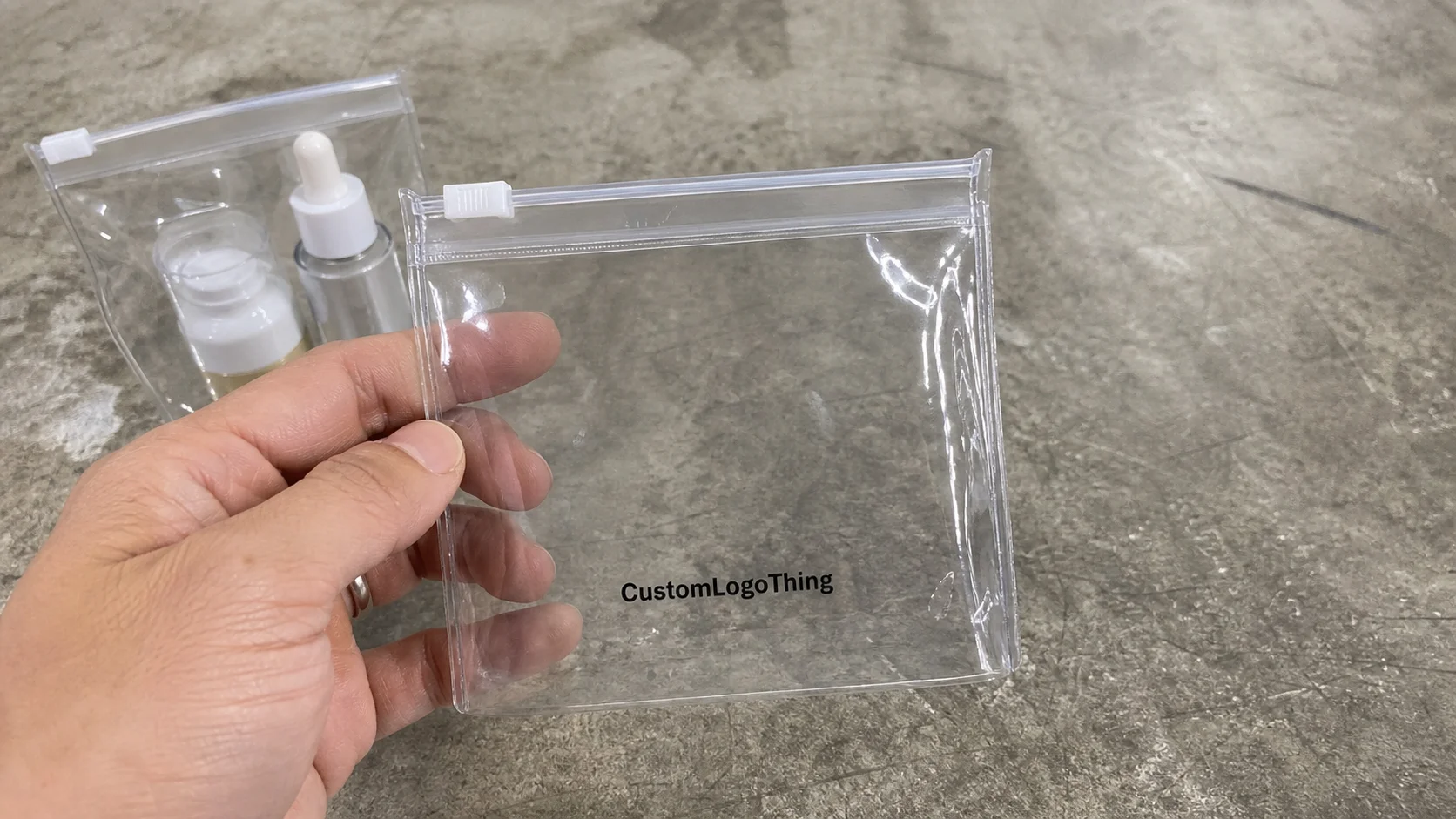
People shopping for skincare notice order and cleanliness almost immediately. If the products are loose, scuffed, or difficult to identify, the set feels less finished even when the formula itself is strong. Clear zipper bags solve part of that problem because the customer can see the components at a glance, whether the set contains a cleanser sample, a serum vial, cotton pads, or a mini spatula.
That visibility matters in more than one setting. For sample programs, the bag keeps the contents together and easy to hand out. For travel kits, it helps the customer spot what they packed without dumping everything out. For refill packs and bundled promotions, it gives the product a lighter presentation while still keeping pieces contained.
There is a practical back-end advantage too. Fulfillment teams can identify SKU contents faster, count units more accurately, and reduce packing errors when the bag is clear enough to verify contents without opening it. That saves time during check-in, pick-and-pack, and final carton review.
A good cosmetic bag has to do two jobs at once: protect the contents and make the contents easy to recognize. If it only does one of those well, buyers usually feel the gap later in the process.
For skincare brands, that combination of visibility and discipline is often the difference between basic packaging and a package that feels retail-ready. The seal matters just as much as the appearance. If the zipper is weak or the edges are inconsistent, the bag can look neat for a moment and then fail the first time it is used.
Brands that source from a Clear Zipper Bags Wholesale Supplier for skincare usually want a format that performs the same way every time, because repeatability is what keeps launches, promos, and replenishment orders looking consistent.
What a clear zipper bags wholesale supplier for skincare should provide
A serious supplier should start with consistent supply and predictable construction. Buyers need bags that match the stated size, close the same way from batch to batch, and arrive with film quality that does not vary so much that the contents suddenly look different from one order to the next.
The most useful formats are usually straightforward. Flat zipper bags work well for sample sets, instruction cards, and lightweight bundles. Gusseted styles are better when the skincare set has more depth, such as a cleanser bottle plus a serum, or a retail assortment with inserts and applicators. Reusable pouches can make sense when the brand wants a more premium presentation and expects customers to keep the bag after use.
Transparency is not just a visual feature; it is a merchandising tool. Clear film lets the brand show off label design, product color, and set composition without making the customer open the package. That can help in retail displays, subscription boxes, event kits, and direct-to-consumer orders where the presentation needs to be clean right out of the carton.
Good wholesale support also means the supplier can handle private label needs without forcing a complete redesign every time you reorder. If the fit changes, if the zipper finish shifts, or if the bag dimension is only close instead of exact, the brand pays for it in packing frustration. A reliable supplier keeps the format stable so the fill process stays predictable.
For buyers comparing suppliers, it helps to ask for three things upfront: exact dimensions, film thickness, and zipper style. Those details do more to determine performance than a generic promise of “good quality.”
Many skincare buyers also use clear bags as part of a broader packaging system. That may include branded cartons, insert cards, outer mailers, and display-ready retail packs. If you need to compare packaging options across formats, the Wholesale Programs page is a practical starting point, especially when an order may expand from samples into broader promotional packaging.
One more point matters: skincare products are not all the same. Oils, creams, wipes, masks, ampoules, and fragrance-adjacent items each create different needs for clarity, stiffness, and closure strength. The right packaging partner does not push one bag style for every use case.
Material, seal, and print options that affect performance
Clear zipper bags are often made from PE, PET, or layered film structures, and each one behaves differently. PE is flexible and widely used for softer pouches and bags that need a bit of give. PET usually offers better stiffness and a clearer, glossier appearance, which can help when presentation matters. Layered films may be used when the buyer needs a balance of clarity, strength, and a more controlled feel in hand.
Thickness is another detail buyers should not skip. A thinner bag may save money, but it can also feel flimsy, crease more easily, and scuff during packing. A thicker film often improves structure and perception, though it can also add cost. For many skincare applications, buyers compare ranges such as 2.5 mil to 6 mil depending on bag size, load weight, and whether the product is meant for retail presentation or simple containment.
The zipper style deserves close attention. A standard press-to-close zipper works for many sample and travel uses. A double-track zipper can give a firmer feel and better closure confidence. Tamper-evident options may be useful for certain product programs where first-open visibility matters, though they are not necessary for every skincare set.
Practical print choices
Clear bags do not have to be printed heavily to work well. In fact, many skincare brands prefer minimal branding so the contents remain visible. A small logo, a product name, or a short compliance mark may be enough. If the purpose is merchandising, restrained print often looks cleaner than a full-surface graphic that hides the product set.
That said, print can still be useful. A subtle logo helps with brand recognition. A small label panel can separate one SKU from another. For regulated or instructional use, the bag may need basic identification or care messaging. The key is not to cover the entire bag unless the design actually benefits from that level of coverage.
For skincare items that contain oils, creams, masks, or moisture-sensitive components, barrier expectations should be discussed early. Clear zipper bags are not all the same in their resistance to scuffing, humidity, or odor transfer. If the contents will be stored for long periods, the right film selection matters more than many buyers expect.
Here is a simple comparison that helps buyers think through the options:
| Bag type | Best for | Typical strengths | Tradeoff to watch |
|---|---|---|---|
| Flat clear zipper bag | Sample sets, cards, light accessories | Simple, economical, easy to store | Limited depth for bulkier items |
| Gusseted clear pouch | Bundles, kits, small retail assortments | More capacity, better shape with multiple items | May need tighter size control |
| Thicker premium pouch | Retail-ready skincare kits | Better structure, stronger perceived quality | Higher unit cost |
| Printed clear bag | Brand-forward promotions and labeled sets | Improved recognition and shelf identity | More setup and print complexity |
If you need a packaging standard reference while comparing protective performance and shipping durability, groups such as ISTA are useful for understanding how packaged goods are commonly tested for transit stress.
Cost, pricing, MOQ, and quote details
Unit price depends on several concrete variables: bag size, film thickness, zipper style, print coverage, and total quantity. A small clear bag with no print and a stock-style closure usually costs less than a larger custom pouch with special sizing and branded artwork. That sounds obvious, but buyers still get tripped up when they compare quotes that are not actually built on the same spec.
For many wholesale programs, MOQ changes based on whether the item is stock or custom. Stock sizes can often start lower because the supplier already has the base format ready. Custom-made runs usually require a higher minimum because tooling, setup, and production efficiency all affect the economics of the order. If you are trying to balance flexibility and cost, that is the first tradeoff to understand.
Useful quote inputs are simple, but they need to be exact:
- finished bag dimensions
- material preference, if known
- film thickness target
- quantity needed
- closure type
- print requirements
- shipping destination
For buyers who want a rough planning range, small-run Custom Clear Zipper Bags may land differently depending on size and print. A simple stock-style order can be far less expensive than a fully custom branded pouch, while a thicker premium run with print can rise noticeably. The real answer comes from the spec, not the category name.
Here is the part many teams learn the hard way: the lowest price is not always the best value. A bag that scuffs easily, varies in size, or fails the zipper test can cost more once you factor in rejected units, repacking time, and customer complaints. That is especially true for skincare, where appearance and cleanliness are part of the product experience.
If you are comparing offer sheets, ask whether the supplier has standard tolerances for size and closure performance, and whether those tolerances are documented. That kind of detail says a lot about whether the seller understands production, not just quoting.
In practice, buyers usually see the cleanest pricing when they simplify the spec. One zipper type, one film thickness, one print method, and a realistic quantity tend to produce the most usable quote. Each extra variation adds cost, and sometimes more than expected.
Production steps, lead time, and order approval process
The normal workflow is straightforward: inquiry, quotation, artwork review if needed, sample confirmation, production, then shipment. That may sound basic, but the quality of the process matters because every skipped step increases the chance of a packaging mistake.
Delays usually happen in a few predictable places. Incomplete specs can stall quoting. Artwork revisions can drag out approval. Sample review can sit idle if the buyer has not tested the bag with the real product load. None of that is unusual, but it does add time.
Stock inventory ships faster because the supplier is not building the bag from the ground up. Custom zipper bags take longer because design approval, production scheduling, and final packing all happen before the goods can leave. A realistic buyer should expect that difference and plan the launch schedule around it.
From a production standpoint, clarity in approval saves money. It is much easier to correct a zipper width, film thickness, or print placement before production starts than after several cartons have already been packed. Packaging errors are usually cheaper to fix early, and that is one reason spec sheets matter.
For teams managing quality expectations, standards and testing resources can help. Brands that need material or environmental context sometimes look at the EPA for broader packaging and waste information, especially if their brand messaging includes sustainability claims or recycling guidance. The packaging itself still needs to be right first.
Lead time is also shaped by seasonality, order size, and how quickly the buyer responds to questions. A fast reply on dimensions and artwork can save days. A slow sample approval can add more time than people expect. If the bag is tied to a launch window or a retail reset, that timing discipline becomes part of the cost equation.
There is also a small but real difference between a quote that looks quick and a quote that is actually complete. A supplier that includes tolerances, material notes, and packing details is usually giving you something more useful than a bare unit price. That extra context helps buyers avoid surprises later.
How wholesale buyers reduce risk on skincare packaging runs
The most useful quality checks are usually the simplest ones: zipper function, seal consistency, transparency, edge finish, and carton packing protection. If those five things are right, the bag is usually fit for purpose. If one is off, the whole run can feel less reliable even when the product itself is fine.
Undersizing is a common mistake. Buyers sometimes measure the largest item and stop there, forgetting that the bag also needs room for inserts, applicators, labels, or a slightly oversized cap. A pouch that is too tight can stress the zipper and make the whole set harder to pack. A little extra room is often better than fighting the bag every time.
Film choice matters too. Some clear films look great on day one but scuff too easily when packed in bulk or stacked in cartons. Others hold up better but sacrifice a bit of softness or clarity. That is why sample testing should use the actual product load, not a placeholder item. Rounded jars, droppers, sachets, and bundled accessories all behave differently inside the bag.
Repeatability is the real test for a wholesale buyer. The first order might be perfect, but if the reorder shifts in film feel, zipper pull, or finish, the packaging line notices immediately. Consistency matters across promotions, product launches, and replenishment cycles because the customer expects the same look every time.
- Test the bag with the full packed load, not just one item.
- Check the zipper at least several times per sample.
- Inspect for haze, scuffing, and edge irregularity.
- Verify carton packing so the bags do not crease under pressure.
- Confirm that the bag still looks clean after handling.
Buyers sourcing from a clear zipper bags wholesale supplier for skincare should ask for enough samples to test the real workflow. One test bag is rarely enough to understand how the material performs across a full packing line.
Packaging teams also benefit from checking how the bag behaves after fill, not just before it is loaded. A pouch that looks perfect flat on the table can warp once a bottle, spatula, or leaflet goes inside. That small shift affects shelf presentation, carton fit, and how the set feels in the customer’s hand.
Next steps to place a wholesale skincare bag order
Before requesting a quote, gather the exact bag dimensions, target quantity, product weight, closure preference, and branding needs. Those details give the supplier enough information to tell you whether a stock size will work or whether a custom run makes more sense.
If the bag will hold a new formula, a fragile component, or a retail launch set, start with a sample or short production trial. That small step can prevent expensive surprises later. A test run also helps you confirm how the bag behaves on the actual packing bench, which is the only test that really matters.
The fastest way to buy well is to compare stock and custom options side by side, then choose based on fit, clarity, and unit cost. That order of priority usually works better than chasing the lowest number on the page. A slightly higher-priced bag can be the better business decision if it closes more reliably and presents better on shelf.
For brands ready to move, ask for a spec review and quote from a clear zipper bags wholesale supplier for skincare that can support repeat orders, stable sizing, and straightforward approval. Good packaging should remove guesswork, not create it.
That is the real value of working with a clear zipper bags wholesale supplier for skincare: you get a packaging format that supports presentation, speeds packing, and stays consistent enough for reorders without unnecessary surprises.
FAQ
What size clear zipper bags work best for skincare sample sets?
Choose a size based on the full packed set, not just the largest item, so inserts, applicators, and labels fit without forcing the zipper. Leave enough room for the products to lay flat if the bag will be displayed or shipped in secondary packaging.
Can a wholesale supplier customize clear zipper bags for skincare branding?
Yes, many suppliers can add logo printing, custom sizing, special zipper styles, or branded insert cards. Keep the artwork simple if you want the product contents to remain visible and the bag to stay easy to merchandise.
What affects MOQ for skincare zipper bags?
MOQ is usually driven by whether the bag is stock or custom, plus the size, film structure, and printing requirements. More customization generally means a higher minimum order because tooling, setup, and production efficiency all affect the run.
How long does production usually take for wholesale orders?
Stock items can ship faster because they do not require full custom setup. Custom runs take longer because approval, production, and packing all add time before shipment.
How do I compare quotes from different packaging suppliers?
Compare the same size, material, thickness, closure type, print coverage, MOQ, and shipping terms so the numbers are actually comparable. Watch for hidden tradeoffs in clarity, seal strength, and consistency, because a lower unit price can cost more if the bags fail in use.


