If you are comparing Clear Zipper Bags Unit Cost for ecommerce, the lowest number on a quote sheet rarely tells the whole story. A bag can look inexpensive and still become costly once you account for wasted film, slower packing, weak seals, oversized dimensions, and the extra handling that comes from bags that do not fit the product cleanly.
For a packaging buyer, the real question is not simply what each bag costs. It is what each packed order costs after fit, protection, appearance, freight, and labor are all added in. Clear Zipper Bags are often chosen because they make small products easier to sort, easier to inspect, and easier to present, which is especially useful for ecommerce operations that ship accessories, apparel add-ons, cosmetics, small parts, and replacement items.
Why unit cost matters more than the bag price alone
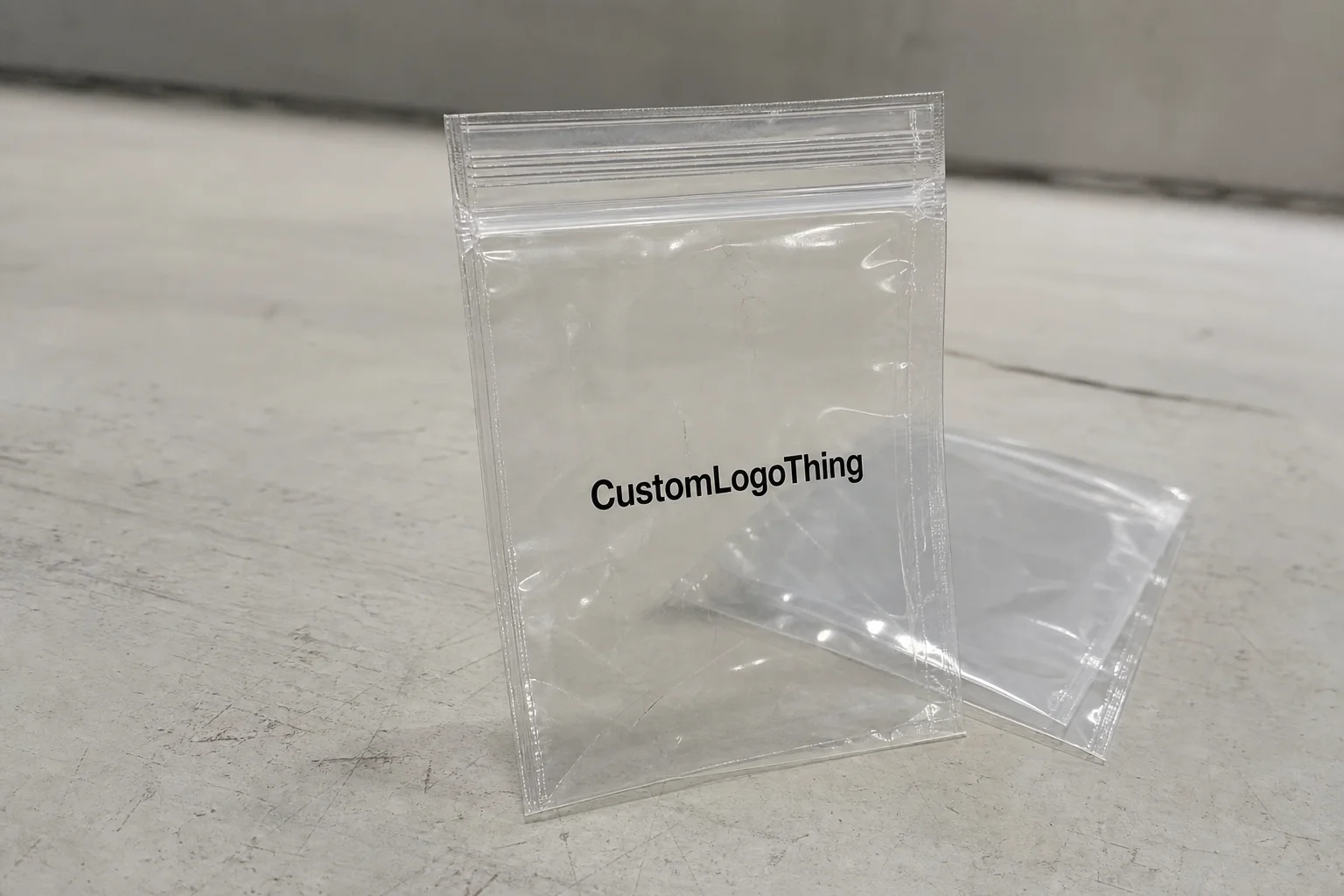
A clear zipper bag seems like a minor line item, but it influences the full fulfillment process. If the bag is too large, you are paying for unused film and the package can look loose or unfinished. If the bag is too thin, the purchase price may be a little lower, yet you may lose more money to tears, leaks, rework, and customer complaints.
That is why experienced buyers pay attention to unit cost together with usable dimensions, closure quality, and how the bag performs on the packing line. A properly sized press-to-close bag can reduce handling time, keep contents visible for barcode checks, and support fast pack-out without adding labels or extra wrap. For high-volume ecommerce, those seconds add up quickly.
The bag also affects perceived product value. Clear film keeps the item visible, which helps with receiving, listing photos, and order accuracy. A neat bag can make a modest product look organized and trustworthy, while a bag that is cloudy, oversized, or hard to close can drag down the entire presentation.
“A bag does more than hold a product. It protects margin by reducing waste, mistakes, and damage at every touchpoint.”
That is why the best way to evaluate Clear Zipper Bags Unit Cost for ecommerce is to compare the quote against the whole job, not just the piece price. The bag should fit the product, move quickly through packing, and survive normal handling without creating hidden cost later.
Clear zipper bag formats, materials, and closure options
Clear Zipper Bags come in a few common formats, and each one serves a different purpose. Flat pouches are usually best for slim items such as documents, cables, accessories, or small flat-packed goods. Bottom-gusseted bags offer more volume and can stand a little better in bins or cartons. Slider zipper bags are easier to open and close repeatedly, while standard press-to-close styles usually cost less and are common in fulfillment and storage work.
Material choice matters just as much as format. LDPE is soft, flexible, and familiar to most packing teams. LLDPE tends to bring better puncture resistance and stretch, which can help when the product has sharper edges or when the fit is a little tighter. Blended polyethylene films are common because they balance clarity, strength, and cost in a practical way.
Thickness is generally measured in mils. A 2 mil bag may be enough for light apparel accessories or flat components, while 3 mil or 4 mil is often a better fit for heavier items, reusable storage, or products that will be handled often. Thicker film usually raises the quote, but it can reduce split seams, torn corners, and repacking.
There is also a noticeable difference between crystal-clear and lightly frosted film. Crystal-clear film shows the product sharply, which helps for ecommerce listings, SKU verification, and retail presentation. Frosted film softens the look and can hide minor scuffs, but it reduces visibility. For most ecommerce pack-out operations, clarity is the more useful choice unless the brand specifically wants a softer finish.
Small features can improve use without pushing the bag into a much higher cost tier:
- Hang holes for retail display or warehouse organization
- Tear notches for faster opening on pick lines
- Writable panels for dates, lot codes, or sorting notes
- Custom sizing when stock sizes leave too much unused space
Those details affect both usability and the final quote, especially if the order is being priced with bulk pricing or a custom production run.
Specifications that change fit, protection, and appearance
Before asking for pricing, confirm the specifications that actually affect the bag’s performance: width, height, gusset depth if there is one, thickness, zipper style, and the internal space after sealing. Product dimensions should drive bag selection, not the other way around. Oversized bags are still one of the most common mistakes in ecommerce packaging, and they usually cost more than they should.
An overlarge bag wastes material and often looks sloppy inside the shipping carton. It can also shift more during transit, which may increase abrasion on soft goods or slow down counting on the fulfillment floor. A snug but not tight fit usually gives the best balance of protection and appearance.
Clarity requirements matter too. If the bag needs to show a barcode, care card, warning label, or SKU sticker, the film must remain readable after sealing and handling. That becomes more important for products with regulated information or specific sorting instructions. Some buyers also need the bag to work with insert cards or tamper-evident labels, and those details should be stated up front.
For food-contact, archival, or other special uses, the material may need a specific grade or statement. Not every polyethylene bag is appropriate for every application, so buyers should request the relevant documentation and verify whether the intended use has any compliance requirement. For general ecommerce packaging, standard polyethylene construction is often enough, but the end use should still guide the spec.
Carton configuration is another detail that affects operations. If one case holds 500 bags and another holds 1,000, your storage needs and receiving speed can change noticeably. That matters for small teams with limited shelf space. A slightly better cost per piece is not always the better deal if it creates space problems or slows put-away.
For general terminology and packaging references, the Packaging Machinery Manufacturers Institute is a useful industry resource, and transport testing guidance from the International Safe Transit Association can help frame how much protection a ship-ready pack may need.
Clear zipper bags unit cost for ecommerce: pricing, MOQ, and quote factors
Most buyers need to slow down here and compare quotes with care. The clear zipper Bags Unit Cost for ecommerce is shaped by several variables at once, and a quote that looks low can turn expensive once freight, samples, and setup are added.
The main pricing drivers are usually size, film thickness, material clarity, zipper style, print coverage, and order volume. A small 2 mil stock bag with a standard press-to-close zipper will usually quote lower than a custom-sized 4 mil slider bag with a logo, a special punch, or a nonstandard closure. That difference can be significant.
MOQ is one of the most important factors for ecommerce buyers. Stock bags often have lower minimums because they are already produced or regularly run in standard sizes. Custom bags usually require a higher MOQ because the line needs to be set up for your dimensions, your film spec, and sometimes your print. Larger quantities usually lower the unit price, but only if the inventory will move at a reasonable pace.
Tooling can also affect the quote, especially with custom formats or print features. Some projects include tooling fees or setup charges for plates, cutter changes, or zipper configuration changes. Those costs may be one-time charges or spread across the first run, so buyers should ask exactly how they are handled before comparing suppliers.
Freight and packaging configuration can matter as much as the bag price itself. A supplier with a slightly higher ex-works price may still deliver a better landed cost if carton counts are efficient and the freight load is easier to move. A lower quote with high shipping charges can erase the savings quickly.
| Bag Option | Typical Spec | Usual MOQ | Indicative Unit Cost | Best Fit |
|---|---|---|---|---|
| Stock press-to-close clear bag | 2 mil, standard size | 500-1,000 pcs | $0.03-$0.10 | Fast-moving ecommerce SKUs, small accessories |
| Stock heavier-duty clear bag | 3-4 mil, standard size | 500-1,000 pcs | $0.08-$0.18 | Heavier items, better puncture resistance |
| Custom-sized clear zipper bag | 2-4 mil, custom dimensions | 5,000-20,000 pcs | $0.12-$0.30 | Better fit, reduced waste, cleaner presentation |
| Printed custom zipper bag | Custom size, logo print | 10,000+ pcs | $0.18-$0.45 | Brand presentation, repeat orders, retail-ready packs |
These ranges are directional, not universal. A small order, a heavier gauge film, or a special zipper style can move the pricing quickly. Even so, the table gives buyers a practical way to sanity-check the clear zipper bags unit Cost for Ecommerce and see whether the quote matches the specification.
When reviewing quotes, use a simple comparison checklist:
- Compare identical dimensions and thickness.
- Confirm zipper type and film clarity.
- Check carton count and pack configuration.
- Ask whether samples are included, credited, or billed separately.
- Verify freight terms and any special handling charges.
- Ask if artwork, tooling fees, or setup charges are included in the first run.
Production steps, sampling, and lead time expectations
A solid order process is usually straightforward. It starts with an inquiry, moves to spec confirmation, then sampling, approval, production, inspection, packing, and shipment. If any one of those steps is rushed, the chance of a mismatch rises, especially when the product dimensions are unusual or the zipper style needs to be checked in real use.
Sampling is not a formality. It is the easiest way to catch fit issues, seal feel problems, clarity differences, or the wrong zipper orientation before a full run begins. For apparel, cables, cosmetics, and small hardware, even a few millimeters can decide whether the bag looks professional or simply too large and stiff.
Typical lead time depends on whether the bag is stock or custom, how much film is available, and how busy the production schedule is. Stock bags can move faster, while custom orders usually take longer because they may require spec confirmation, material allocation, and a production slot. Larger quantities usually extend the timeline, although not always in direct proportion.
For proof approval, buyers should ask for the exact dimensions, zipper orientation, artwork placement if printed, carton labels, and any special pack count. Small mistakes are cheapest to fix at this stage. Once production begins, changes can add cost and delay.
For ecommerce teams planning launches or seasonal restocks, ordering early matters. It reduces rush freight, protects inventory availability, and gives time to correct issues before the goods reach the fulfillment floor. Better planning also improves the true unit cost because it avoids emergency charges and rework.
For buyers who need a broader frame for material choice and transit performance, the EPA provides useful references on materials and waste considerations, while ISTA testing standards are commonly used to think through how packaging survives handling and shipment.
How to choose a supplier that protects margin and packout speed
The best supplier for ecommerce is not always the one with the lowest quote. What matters most is consistency. Film thickness should stay stable from lot to lot, zipper closures should feel dependable, sizing should be accurate, and repeat orders should match the previous run closely enough that the packing team does not have to adjust its process every time.
Fast, clear quoting matters more than many buyers expect. Ecommerce teams often need landed-cost visibility before a campaign or replenishment order goes live. A supplier who answers quickly, asks the right questions, and sends a clean spec sheet saves time and cuts down on preventable errors.
Good manufacturers tend to do something simple but valuable: they recommend the right bag style instead of steering the buyer toward the most expensive one. If a basic press-to-close bag will protect the product well enough, that is usually the smarter answer. If the item needs a heavier film or a better zipper to reduce returns, that should be explained with practical reasons rather than sales language.
Consistency across lots matters for brand presentation too. Packs should look uniform on camera, in storage bins, and on the packing line. If one shipment is slightly cloudy, another is too thin, and a third has weak seals, the whole operation feels less controlled. That inconsistency creates hidden cost even if the first invoice looked attractive.
Support matters as much as product. Clear sample guidance, plain spec sheets, and simple reorder processes help teams move faster. When a supplier understands the intended packout method, it is easier to avoid waste in both material and labor, which is where margin is usually protected.
Next steps to request a quote and lock the right bag spec
Before contacting a supplier, gather three essentials: product dimensions, target order quantity, and the intended use of the bag. Those three details move you much closer to an accurate quote than a general request for “clear zipper bags.”
If possible, request samples of two or three size or thickness options and compare them side by side. That simple step often shows whether the product needs more room, a sturdier film, or a different zipper feel. It also helps buyers avoid overbuying a spec that looks fine on paper but adds unnecessary cost.
Be clear about whether you need stock bags, custom sizing, or printed branding before asking for final pricing. That makes the quote process faster and gives you a cleaner apples-to-apples comparison. It also helps the supplier identify whether setup charges, tooling fees, or artwork charges will apply.
Here is a short buying checklist that works well for ecommerce teams:
- Verify dimensions and usable internal space
- Confirm thickness and zipper style
- Ask about MOQ and carton counts
- Check lead time after approval
- Review freight, samples, and any first-run charges
- Compare landed cost, not just quote price
If the goal is protecting margin while keeping packout speed steady, the best decision balances protection, presentation, and the clear zipper bags unit cost for ecommerce at scale. The right bag should fit the product well, hold up in handling, and support an efficient operation without pushing the packaging budget out of line.
FAQ
What affects clear zipper bag unit cost for ecommerce the most?
Size, thickness, zipper style, material clarity, and order quantity usually have the biggest impact on unit cost. Custom printing, special features, and freight can also change the total landed price, especially on smaller runs.
How do I compare quotes for clear zipper bags fairly?
Compare the same dimensions, thickness, zipper type, carton count, and finish on every quote. Check whether samples, freight, and any setup charges are included before deciding, because those extras can change the real cost per piece.
What MOQ should ecommerce buyers expect for clear zipper bags?
MOQ varies by stock versus custom production, but custom bags usually require higher quantities than plain stock options. Larger orders often lower the per-unit price, so it helps to forecast repeat demand before ordering.
How long does production usually take after approval?
Lead time depends on whether the bag is stock or custom, plus order size and current material availability. Sample approval and artwork confirmation can reduce delays and prevent rework, which is often where projects lose time.
What bag specs should I send when requesting a quote?
Send product dimensions, desired bag size, thickness preference, zipper style, and estimated order quantity. If possible, include a photo or use case so the supplier can recommend the best fit and reduce waste.


