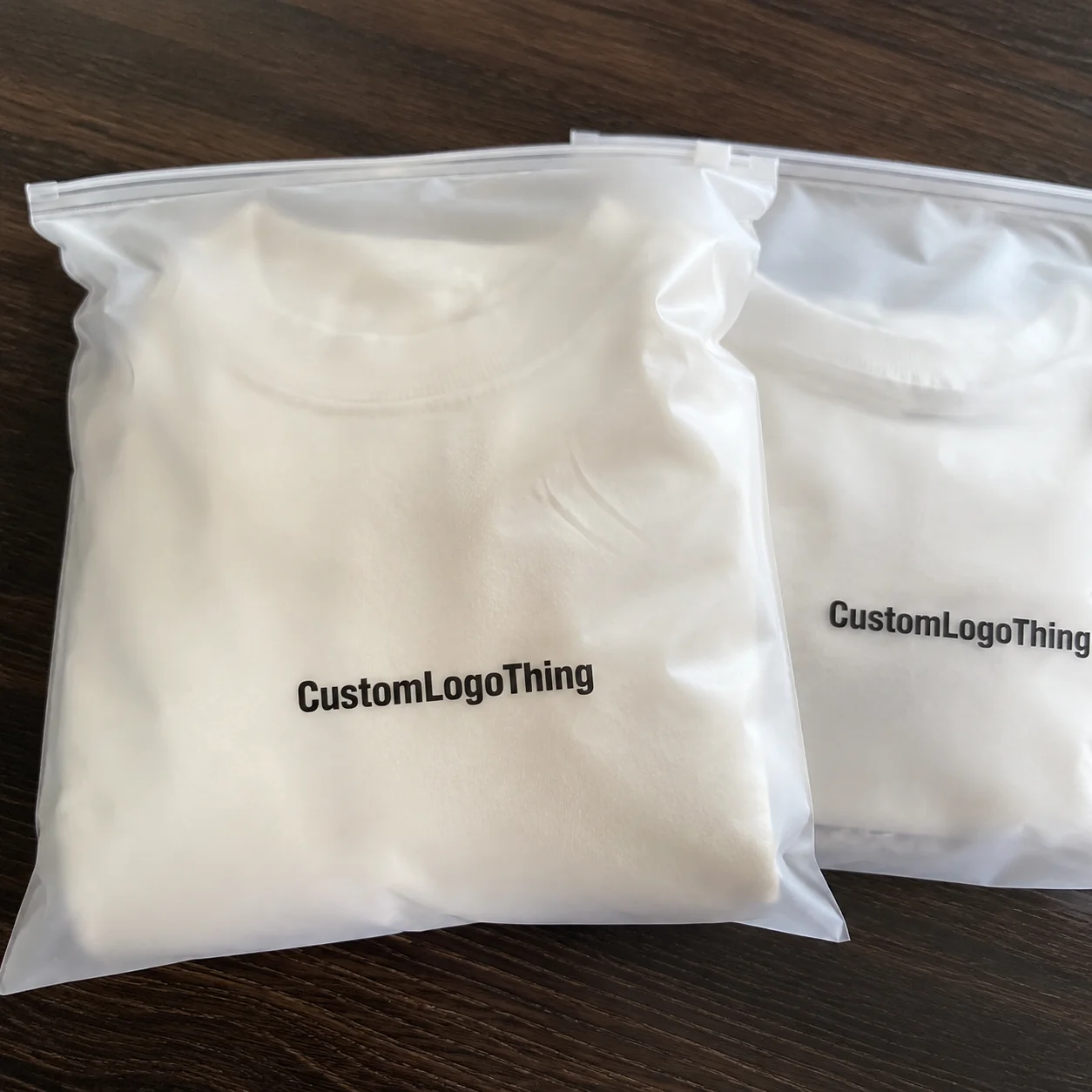
Clear Zipper Bags Unit Cost for Skincare: Buy Smart
Why Skincare Brands Use Clear Zipper Bags Before Boxes
A serum leaks once, and the whole kit looks careless. That is why clear Zipper Bags Unit Cost for skincare deserves more attention than it usually gets. The bag may be the lowest-cost item in the unboxing sequence, but it protects the insert card, cap, applicator, outer label, and anything else traveling inside the kit.
Skincare teams often spend hours comparing carton finishes — soft-touch lamination, foil stamping, spot UV, 350gsm C1S board — and then treat the inner bag like an afterthought. For many sample sets, travel kits, subscription packs, and promotional bundles, that is the wrong order of concern. The clear zipper bag is the component that reduces abrasion, keeps product groups together, and lets fulfillment staff verify contents without opening every pack.
Picture a simple kit: one 15 ml serum, one gua sha tool, two sachets, and a folded ingredient card. A rigid box can look premium, but it increases storage volume, assembly time, and freight weight. A plain poly bag is cheap, but it may not close neatly after inspection. A drawstring pouch feels giftable, yet it hides shade names, cap colors, barcodes, batch stickers, and QR codes. A clear zipper bag sits in a practical middle lane: visible, protective, low profile, and fast to pack.
Transparency also prevents small errors that turn expensive after shipment. Beauty fulfillment teams can check shade, size, cap color, barcode, insert, batch label, and promotional item count before an order leaves the packing bench. A missing sachet in a 10,000-unit program is not just a picking error; it can become a replacement shipment, a customer service ticket, and a damaged launch experience.
Buyer reality: the lowest printed bag price is not always the lowest delivered packaging cost. Labor, rework, freight, damage, and repacking all belong in the calculation.
The useful question is not simply, “How cheap is the bag?” A stronger question is, “What is the total landed unit cost after material, print, packing, freight, and performance risk are included?” That shift changes how quotes should be read and compared.
Clear Zipper Bag Formats That Fit Skincare Kits
Clear Zipper Bags are not one format. The right construction depends on whether the product needs to hang, stand, ship flat, survive repeated use, or present more like a cosmetic organizer than disposable retail packaging.
- Flat zipper bags: economical for sheet masks, sample sachets, cleansing pads, sponges, refill kits, and lightweight insert packs.
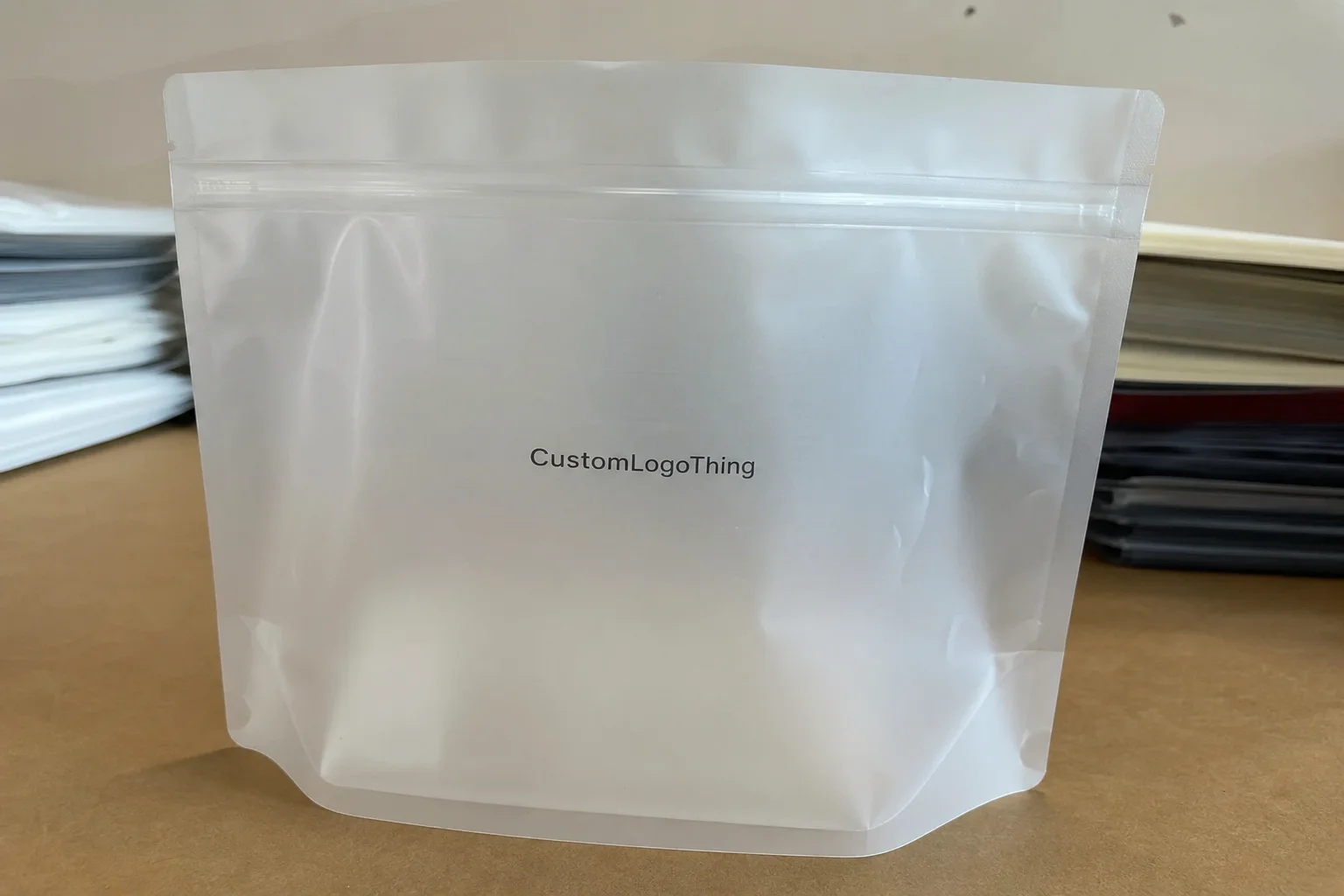
- Stand-up zipper pouches: useful for countertop display, mini jar bundles, refill powders, and multi-piece skincare sets that need shelf presence.
- Slider zipper bags: easier for consumers to open and close, often with a more premium feel than a basic press-to-close track.
- Hang-hole or euro-slot bags: practical for retail pegs, facial tools, sponges, mask sets, and impulse beauty accessories.
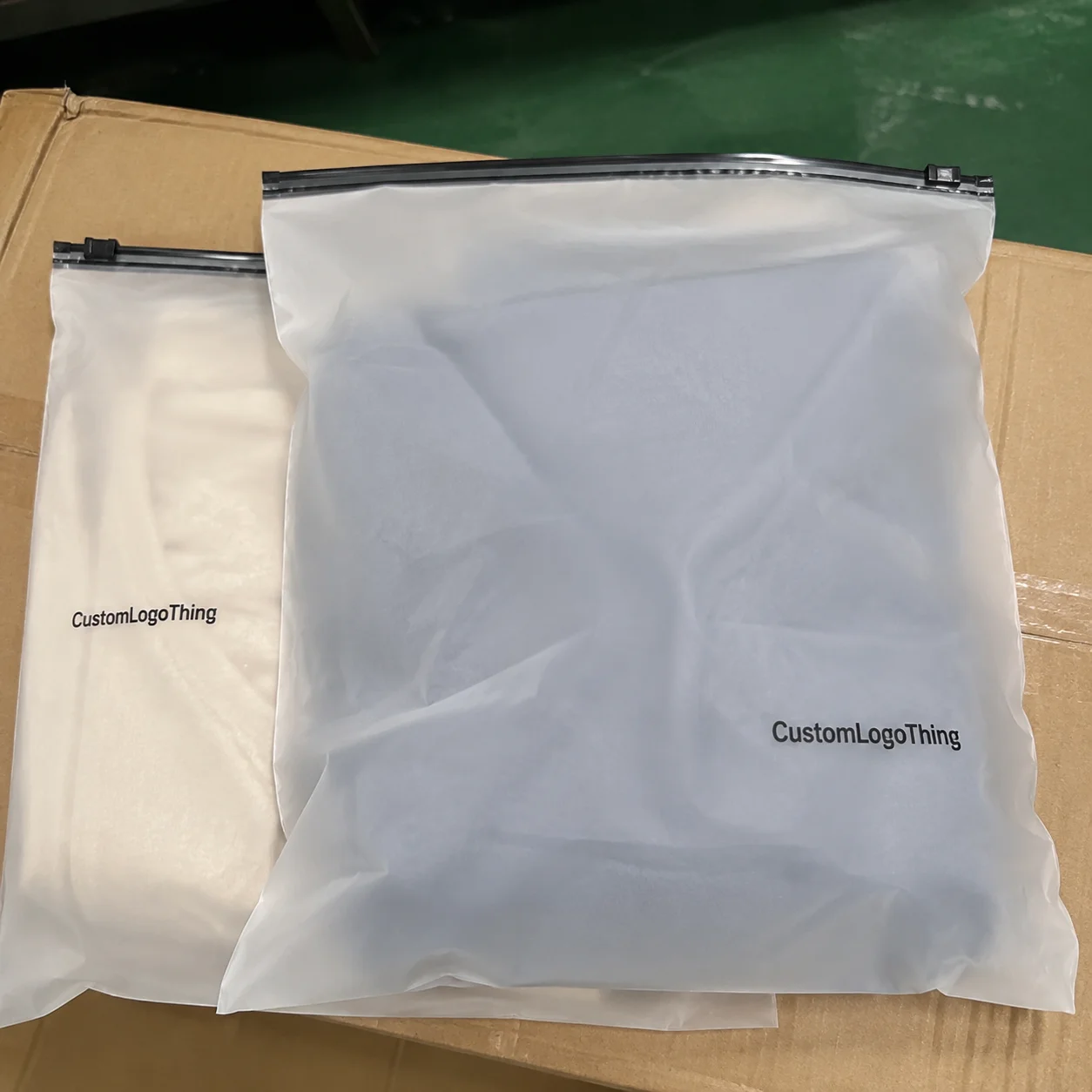
- Frosted clear bags: still show the product outline while softening glare and hiding light scuffs or fingerprints better than high-gloss film.
- EVA-style cosmetic zipper bags: thicker, reusable, and better suited for travel kits, gift-with-purchase programs, and higher-value bundles.
Shape changes the economics. A flat 6 x 8 inch press-close bag can be packed quickly because the opening is obvious and the stack sits flat on the bench. A gusseted stand-up pouch may improve retail presentation, but it can take more time to open, fill, square off, and cartonize. Four extra seconds sounds minor until a co-packer repeats it 10,000 times; that is more than 11 additional labor hours before counting breaks, changeovers, or rework.
Closure choice deserves the same scrutiny. Press-to-close zipper tracks are common for economical runs and one-time retail handling. Slider zippers cost more, but they reduce consumer frustration, especially for travel kits opened repeatedly in bathrooms, hotels, or gym bags. A reusable cosmetic pouch with a welded zipper and thicker body film may cost several times more than a disposable clear bag, yet it can replace a separate gift pouch in a premium launch.
Clear also has levels. High-clarity gloss film makes labels, shades, and contents easy to inspect. Frosted translucent film gives a softer spa-style look and can mask minor handling marks. Tinted clear film adds brand color, although dark tints can interfere with barcode scanning and visual QC. If the barcode, QR code, or batch number must be scanned through the film, test it before bulk production.
Add a hang hole only if the bag will actually be merchandised on peg hooks; unnecessary die features add cost and can weaken the top area if poorly placed. Add a gusset when jars, tools, or bundled products create real depth. Use a reinforced seam for heavier glass, dense facial tools, or multi-item packs above roughly 300–500 grams. In skincare packaging, a few extra cents of structure can be cheaper than repacking damaged kits.
Film, Thickness, Printing, and Compliance Specifications
A useful quote starts with exact specifications. At minimum, confirm size, film structure, thickness, closure style, print colors, quantity, finish, and packed product weight. If those details are missing, the quoted unit cost is only a rough estimate.
Common material choices include PE, CPP, BOPP, laminated PET/PE, frosted PE, recyclable mono-PE structures, and cosmetic-grade EVA-style materials for reusable pouches. Each behaves differently. BOPP can deliver crisp clarity and stiffness for light retail packs. PE is flexible and widely used for economical zipper bags. PET/PE laminates can improve strength and print surface, though they may complicate recyclability claims. EVA-style materials feel thicker and more premium, but they raise cost per piece and increase freight volume.
Thickness should match product risk rather than a vague idea of quality. Lightweight sample sachets may use approximately 2–3 mil film. Small jars, tools, or bundled travel sets often move into the 3–5 mil range. Reusable cosmetic zipper pouches can be much thicker depending on construction, zipper type, seam method, and finish. Thicker is not automatically better; it can make the bag stiff, increase carton cube, slow packing, and raise freight cost.
Printing adds another set of decisions. Silk screen printing works well for simple one-color logos, especially on thicker cosmetic-style pouches. Flexographic printing usually fits higher-volume runs with repeated graphics, warning text, QR codes, or multi-color artwork. Digital printing can support shorter branded runs or test campaigns, though material compatibility and rub resistance must be checked. For very low quantity testing, a stock clear zipper bag plus a pressure-sensitive label may be the most rational option.
Beauty packaging also needs brand control. Confirm PMS color targets, logo placement, opacity, white ink underlay on transparent film, warning text, ingredient card visibility, and barcode readability. Gloss clear film can show fingerprints. Some inks need anti-smudge treatment or curing time before packing. If the bag will rub against a glass dropper bottle during transit, print adhesion deserves a packed product test, not just a visual approval on a flat empty bag.
Skincare creates specific stress points: oil residue, toner leakage, sharp spatulas, glass droppers, metal caps, and heat exposure during storage or transit. Odor matters as well. A pouch that smells strongly of plastic or ink can conflict with clean beauty positioning, even if it passes basic handling checks.
Ask for physical samples when the product has weight, edges, liquids, premium labels, or multiple components. Then test the bag packed, not empty. Open and close the zipper 20 times. Shake it gently. Leave it in a warm area for a day if heat exposure is likely. These are not laboratory protocols, but they reveal practical problems before a purchase order becomes inventory.
For more formal distribution-risk evaluation, brands can reference ISTA procedures. For sustainability and material claims, the EPA recycling guidance is a sensible starting point before making broad recyclability statements on packaging or product pages.
Clear Zipper Bags Unit Cost for Skincare: Pricing and MOQ
Clear zipper bags unit cost for skincare depends on size, material, thickness, print method, number of colors, zipper type, order quantity, packing requirements, and shipping destination. A small blank stock bag with a label is a very different product from a custom printed, frosted, gusseted cosmetic pouch with a slider closure.
The cheapest quote can create expensive problems. Weak seams split. Cloudy film makes product look lower value. Inaccurate sizing slows packing. A zipper track that is hard to align adds seconds to every kit. If a team is packing 5,000 units and loses 6 seconds per pack, more than 8 labor hours disappear into one packaging choice.
Suppliers usually build pricing from a few predictable inputs. Larger runs spread setup charges and artwork preparation across more units. Thicker film increases material usage. Multi-color printing may add plates, screens, setup time, ink control, or digital print time. Custom sizing can trigger tooling fees or a higher MOQ if the bag cannot be made from a standard web width. Special packing, such as inner bundles of 100 pieces, barcode carton labels, or retail-ready master cartons, can also affect the delivered cost.
| Packaging route | Typical use case | Cost profile | Buyer trade-off |
|---|---|---|---|
| Blank stock clear bag + label | Small tests, samples, events, pilot kits | Lowest setup burden; cost per piece depends heavily on label size and application labor | Fast and flexible, but less integrated than direct print |
| Custom printed clear zipper bag | Branded retail kits, subscription packs, influencer mailers | Better bulk pricing at higher quantities; possible setup charges or plate costs | Cleaner branding, but higher MOQ and longer proofing cycle |
| Premium reusable cosmetic zipper pouch | Travel sets, gift-with-purchase, premium bundles | Highest unit cost; thicker material and zipper construction raise freight cube | Higher perceived value and repeat use, but not ideal for every budget |
MOQ varies by route. Stock bags can support lower quantities because the bag already exists. Stock bags with labels can bridge the gap for launch testing. Fully custom printed zipper bags typically require higher volume so setup costs make sense. Premium reusable pouches may also carry a higher minimum because materials, zipper components, and welding processes are more specialized.
Before approving a price, ask direct questions:
- Is freight included or estimated separately?
- Are setup charges, tooling fees, plates, or screens listed?
- Are pre-production samples billed?
- Are inner packs, master cartons, and carton labels specified?
- Is the quote based on confirmed artwork or only a logo concept?
- What size tolerance and count tolerance apply?
- Does the quoted price include delivery to your warehouse, 3PL, or co-packer?
For planning, a small labeled stock bag may win on speed and low initial commitment. A custom printed clear bag often wins once volume rises and the brand needs cleaner presentation. A reusable cosmetic pouch makes sense when it replaces another packaging component or supports a higher retail value.
To compare pricing accurately, send product dimensions, packed weight, desired quantity, delivery ZIP or destination country, and one pack-out photo. A generic price list cannot see seam stress, product depth, barcode needs, or packing labor.
Process and Timeline From Sample to Delivered Bags
A clean packaging timeline is built step by step: product review, size recommendation, material selection, quote, artwork setup, proof approval, sample or pre-production check, manufacturing, quality inspection, packing, and shipping. Skipping the early steps rarely saves time. It usually pushes uncertainty into production, where changes cost more.
Common delays are ordinary but damaging. Incomplete dimensions. Unapproved artwork. Unclear print colors. Last-minute size changes. Missing barcode files. A request for a non-stock material after the quote is approved. None of these sound dramatic, yet each can add days.
Lead time depends on the selected route. Blank stock bags can often move fastest if the size is available. Stock bags with custom labels require label proofing, printing, and either application or separate label delivery. Custom Printed Clear Zipper Bags need artwork preparation, proof approval, production scheduling, printing, forming, inspection, and freight. Premium custom cosmetic zipper pouches may need additional material sourcing or sample approval before bulk work begins.
Send one packed sample if possible. If not, send photos with measurements: width, height, depth, and packed weight. Measure after the product is capped, wrapped, bundled, carded, or combined with inserts. Catalog dimensions are often too optimistic. A 30 ml bottle may look slim on a spec sheet, but the cap shoulder, safety seal, insert card, and tool wrapper can change the bag size completely.
Artwork proofing needs discipline. Confirm logo scale, print area, transparent background behavior, PMS color target, white ink layer, and safe zones around the zipper. Keep small text away from the zipper track and side seams. If the film is transparent, a black logo may disappear against a dark serum bottle unless white ink backs it up.
Shipping choices affect margin. Air freight can rescue an urgent launch, but it may erase savings from careful bulk pricing. Ocean or consolidated freight makes more sense for planned replenishment or larger programs. Split shipments can also work: send a small urgent batch by air for pilot kits, then move the balance by slower freight.
Timeline planning is not administrative decoration. It protects margin. Rushed packaging tends to create expedited freight, partial shipments, overtime packing, and rework. The bag may still look cheap on a spreadsheet while the project cost quietly rises.
Quality Checks That Prevent Leaks, Scratches, and Returns
Skincare packaging carries a different risk profile than apparel, stationery, or dry accessories. Oils migrate. Toners leak. Glass chips. Caps scuff. Spatulas and facial tools create pressure points. A bag that works perfectly for socks may fail quickly around a glass dropper and metal roller.
Inspection should cover more than appearance. Check zipper closure strength, seam integrity, film clarity, print adhesion, rub resistance, odor, size tolerance, bag count, carton labeling, and packing cleanliness. For retail or fulfillment programs, carton labeling is not minor. Wrong counts or mixed sizes create delays at the 3PL dock and can cause inventory discrepancies before the bags ever reach consumers.
Buyer-side testing can be simple and useful:
- Insert the actual product, not a substitute with similar dimensions.
- Close and reopen the zipper repeatedly.
- Shake the packed bag gently to check movement and abrasion.
- Inspect caps, labels, and glass edges after handling.
- Scan the barcode through the film under normal warehouse lighting.
- Check whether fingerprints, dust, or static cling hurt presentation.
Be realistic about leaks. Clear zipper bags are secondary packaging. They are not a substitute for properly sealed bottles, jars, tubes, or sachets. If a toner cap is loose or a dropper bulb fails, the bag may limit the mess, but it should not be treated as the primary liquid barrier.
Glossy clear film can wrinkle and show fingerprints. Frosted film hides handling marks better but may reduce visual sharpness. Static can attract paper dust from insert cards. These issues sound small until a premium kit is photographed for retail content, placed in a launch mailer, or sent to creators who show every detail on camera.
Cost and quality are connected. One failed bag in a subscription box can damage the appearance of every item around it. A leaked oil sample can stain cards, soften cartons, ruin outer labels, and trigger a replacement shipment. The actual loss is not one bag. It is the kit, freight, labor, and customer confidence.
Good specification work aligns the bag with packed weight, fulfillment method, merchandising plan, and presentation requirements before mass production. That may mean a thicker film, a slightly larger size, a different zipper, or a stock option with a label while the brand validates demand. The best choice is not always the most customized one; it is the one that performs predictably for the specific pack-out.
Next Steps to Get an Accurate Bag Quote
A strong quote starts with strong inputs. Before contacting a supplier, collect the basic facts instead of asking for a generic “best price.” Packaging math improves quickly when the product is visible and the pack-out is defined.
- Product dimensions: width, height, depth, and any sharp or raised areas.
- Packed dimensions: measured after capping, wrapping, bundling, or adding insert cards.
- Product weight: especially for glass jars, tools, multi-piece kits, or liquid items.
- Target quantity: pilot run, launch order, or replenishment volume.
- Delivery date: required arrival date, not only launch date.
- Artwork: vector logo file, print colors, QR codes, barcode files, and warning text.
- Closure preference: press-to-close zipper, slider zipper, or reusable cosmetic pouch zipper.
- Material preference: high-clarity gloss, frosted, tinted clear, recyclable PE structure, or EVA-style.
- Shipping address: warehouse, 3PL, co-packer, or retail distribution point.
Measure the product after it is packed the way consumers will receive it. Real pack-out dimensions often exceed catalog dimensions by 5–15 mm because of caps, seals, insert cards, wrappers, and product nesting. That extra space can decide whether the zipper closes cleanly or strains at the top seam.
Also decide what the bag must do. Does it need to hang on a peg? Stand on a shelf? Ship flat inside a mailer? Fit inside a folding carton? Hold multiple items without looking loose? Each answer changes the recommended size and construction.
There are three sensible quote routes. Choose the fastest stock option if the launch date is tight or the quantity is low. Choose the balanced custom printed option if branding and repeat ordering matter. Choose the premium reusable pouch option if the bag is part of the perceived product value, not just protection.
Request a sample if the kit includes glass, liquid, sharp tools, heavy jars, or more than one item inside the bag. Photos help, but packed samples reveal seam stress and presentation issues faster than any spreadsheet.
To compare clear zipper bags unit cost for skincare accurately, judge the quote on delivered cost, fit, production readiness, and performance. A well-specified bag should make the pack-out easier, protect the components, and support the brand presentation without quietly adding labor or freight surprises.
FAQ
What affects the clear zipper bags unit cost for skincare products most?
The biggest cost drivers are bag size, film thickness, order quantity, print method, number of print colors, zipper style, material type, and shipping destination. Custom sizing, premium frosted materials, slider closures, low-volume printed runs, setup charges, and tooling fees can all increase the unit cost.
What MOQ should skincare brands expect for custom clear zipper bags?
MOQ depends on whether the buyer chooses blank stock bags, stock bags with custom labels, or fully custom printed zipper bags. Stock or labeled options can support smaller tests, while custom printed production generally needs a higher quantity to absorb setup and printing costs.
Can clear zipper bags be printed with a skincare brand logo?
Yes. Clear zipper bags can be printed with logos, product names, usage icons, warning text, QR codes, and simple brand graphics. For the cleanest result, provide vector artwork and confirm whether the design needs a white ink underlay for visibility on transparent film.
Are clear zipper bags safe for skincare samples and travel kits?
They are suitable as secondary packaging for sealed skincare items such as sachets, jars, tubes, tools, masks, and sample bundles. They should not be treated as the primary leak-proof seal for liquids; bottles and jars must be properly closed and tested before packing.
How fast can custom clear zipper bags for skincare be produced?
Timing depends on stock availability, artwork approval, sampling requirements, production volume, and shipping method. Blank stock bags or labeled bags are typically faster, while custom printed bags require proofing, manufacturing, inspection, and freight planning before delivery.