Get Frosted Zipper Bags Unit Cost for Boutique Orders
Your Boutique Bag Is Doing More Selling Than You Think
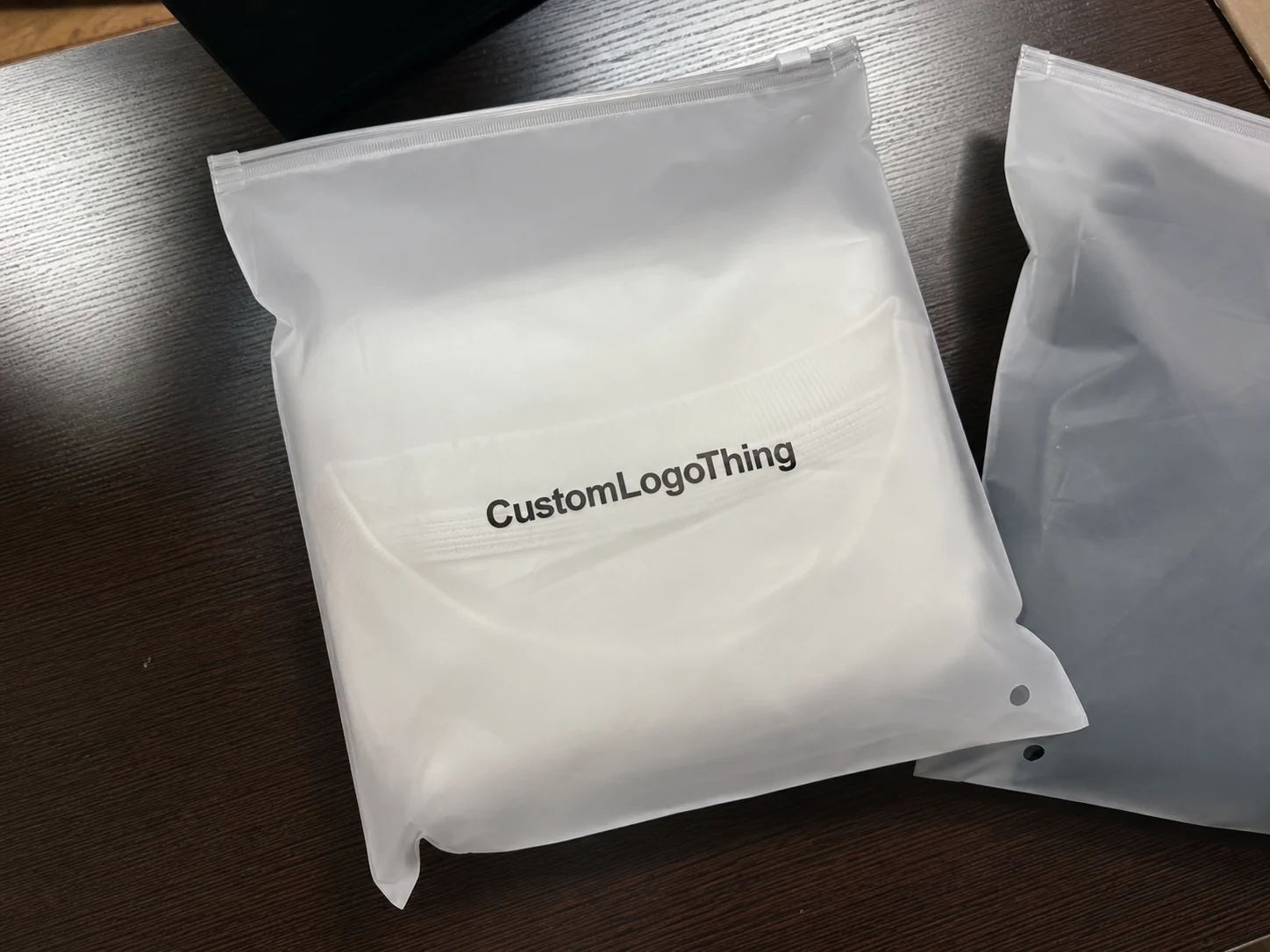
A customer buys a $48 necklace, handmade soap set, lash kit, candle accessory, or small apparel item. Then it arrives in a thin generic pouch that looks like it escaped from a warehouse shelf. The product may be excellent, but the packaging quietly says “budget,” and that mismatch can be expensive because Frosted Zipper Bags unit cost for boutique buyers is not only a packaging math problem. It affects perceived value, repeat orders, giftability, and how confident the customer feels about what they just purchased.
Cheap bags are not always cheap. If a $0.06 pouch makes a $48 product feel like a $19 product, you saved a few cents and lost the plot. Boutique packaging has to protect the item, support the brand, and still make sense on a purchase order.
Frosted zipper bags are popular because they do several practical jobs at once. They protect products from dust, fingerprints, light moisture exposure, and the normal handling that happens during picking, packing, and transit. They also give small products a softer retail presentation than standard clear poly bags, especially when the product has multiple colors, tags, cords, clasps, sample packets, or inserts competing for attention.
The frosted finish is practical, not precious. It hides light scuffs better than fully clear film, reduces glare in product photos, softens busy colors, and looks clean in packing videos or boutique unboxing content. That matters if you sell through Instagram, TikTok, pop-ups, retail shelves, subscription boxes, wholesale kits, or all of the above because apparently sleep is optional now.
Boutique owners do not need packaging hype. They need to know what size, thickness, print option, MOQ, zipper style, and bulk pricing tier will hit the right unit cost without making the package feel like a grocery-store produce sleeve. The buying outline below explains what affects cost, which specifications deserve attention, what timeline to expect, and what to send Custom Logo Things for an actual quote rather than a vague “it depends” answer.
Packaging buyer rule: if the bag slows packing, damages presentation, or makes the product feel cheaper, the lowest cost per piece is not the best deal.
What Frosted Zipper Bags Actually Include
Frosted zipper bags are flexible plastic bags with a semi-translucent matte finish and a resealable zipper closure. They are commonly used for boutique apparel, jewelry, accessories, cosmetics, lash sets, soap samples, gift sets, event merchandise, and product organization inside shipping mailers.
The difference between frosted zipper bags and standard clear zip bags is straightforward. Clear bags show the product directly, which helps with product identification in stockrooms and fulfillment areas. Frosted bags blur the contents slightly, reduce shine, feel more elevated in hand, and create a calmer presentation. For small products, visually busy products, or anything meant to feel gift-ready, frosted usually wins.
Common material structures include LDPE or PE blends for soft flexibility, CPE-style frosted films for a smoother matte handfeel, and heavier reusable materials for boutiques that want customers to keep the pouch. A light pouch may sit around 2 mil, a common retail-feel pouch often lands around 3 mil, and heavier reusable-style bags may run 4 mil or more. Exact performance depends on the film blend, closure, seams, and construction, not just a neat number on a quote sheet.
Closure options matter too. You can choose a standard press zipper, slider zipper, hang hole, bottom gusset, side seams, tear notch, vent holes, or a stronger zipper profile. Not every option deserves your money. A hang hole matters for retail peg display. It is pointless for shipped orders that go straight inside a mailer. A bottom gusset helps bulkier kits stand or fit better, but it usually raises cost and may change the MOQ.
Print options include one-color logo print, spot color branding, warning text, product category labels, QR codes, or fuller custom artwork. For most boutique bags, a clean one-color logo on frosted material looks better than trying to print a tiny rainbow mural. Shocking, I know. Fine-line artwork and tiny taglines can fill in, break up, or print unevenly on flexible film, especially near seals and zipper areas.
Think of the bag as part of the packaging stack. It can be the primary outer pouch, an inner protection bag inside a rigid mailer, a product organization bag, a gift set bag, or retail shelf packaging. Each use pushes the specification in a different direction. Shipping protection wants function. Retail display wants presentation. Gift packaging wants touch and finish. One bag can do more than one job, but only if the specification is chosen on purpose.
Size, Thickness, Zipper, and Print Specifications That Matter
Size drives cost, fit, packing speed, and presentation. Small jewelry, pins, charms, stickers, and sample cards often use compact pouches in the 2 x 3 inch to 4 x 6 inch range. Cosmetics, lashes, mini soaps, scrunchies, hair clips, and small accessories often fit better in mid-size bags around 5 x 7 inch to 8 x 10 inch. Apparel, scarves, swimwear, T-shirts, and gift sets may need larger flat bags or gusseted options around 9 x 12 inch, 10 x 13 inch, 12 x 15 inch, or larger.
Do not size the bag from product dimensions alone. Product thickness, packing style, inserts, hang tags, tissue, backing cards, and staff handling all matter. A necklace card that measures 3 x 4 inches may technically fit inside a 3.5 x 5 inch bag, but if the zipper fights back every time, your packers will hate it. And they will be right.
Leave practical clearance. For flat products, add at least 0.5 inch to 1 inch around the item. For bulkier products such as soap bars, folded fabric, boxed cosmetics, or lash trays, allow more room near the zipper and side seams. A bag that technically fits but forces staff to wrestle with the closure is not saving money. It is creating labor cost, inconsistent presentation, and customer annoyance.
Thickness has tradeoffs. Lighter gauges work for samples, paper goods, and small soft accessories. Mid-weight bags suit most boutique retail items because they feel better in hand without turning freight into a punishment. Heavier options make sense for reusable packaging, sharp-edged accessories, premium kits, or products that need extra structure. More thickness raises cost per piece and sometimes freight. That is not a defect. That is physics.
| Spec Choice | Best Use | Typical Tradeoff |
|---|---|---|
| Light frost, lighter gauge | Samples, flat inserts, low-cost promotions | Lower unit cost, less premium feel |
| Medium frost, mid-weight film | Jewelry, cosmetics, soaps, small apparel | Good balance of feel, protection, and price |
| Heavy frost, heavier gauge | Reusable pouches, kits, premium retail lines | Higher material cost and higher freight exposure |
| Gusseted construction | Bulky products or gift sets | Better fit, higher tooling or production complexity |
Frosted finish choices affect both visibility and brand feel. Light frost shows more product detail. Heavy frost creates more privacy and a cleaner premium effect. Matte textures reduce glare in photography, which helps product pages, packing reels, and retail shelf shots. If customers need to identify scent, shade, size, or style without opening the bag, use a lighter frost, a printed label, or a clear identification system.
Printing specifications are where buyers often create delays. Artwork usually needs a vector file such as AI, EPS, or clean PDF. Pantone or spot color references help if color consistency matters. Safe margins should stay away from the zipper, side seams, bottom seal, and hang holes. Minimum line thickness matters because flexible film is not a luxury paper label. Tiny serif taglines below a logo often print like lint. Skip them or scale them properly.
Compliance and functional details deserve a quick review before ordering. Larger plastic bags may require suffocation warnings depending on size, use, and destination. Retail bags may need barcode space, hang holes, or sticker-friendly areas. Vent holes can help release air during packing, especially for soft goods. For broader packaging testing and distribution planning, ISTA is a useful reference point, particularly if the bag is part of a shipping system rather than only a retail pouch.
Frosted Zipper Bags Unit Cost for Boutique Orders
Frosted Zipper Bags Unit Cost for boutique orders is driven by size, material thickness, zipper type, print color count, order quantity, custom tooling, packing method, and shipping destination. Anyone giving one universal price without those details is either guessing or selling whatever is already on the shelf.
For practical planning, small plain or lightly Printed Frosted Zipper Bags at higher quantities may land around $0.08 to $0.18 per piece. Mid-size printed boutique bags often sit around $0.16 to $0.38 per piece, depending on gauge, print coverage, and MOQ. Larger apparel bags, gusseted pouches, slider zippers, or heavy reusable materials can move into the $0.35 to $0.90+ range. Specialty structures or low-volume custom work can go higher. Not glamorous. Just math.
MOQ changes the whole conversation. A lower MOQ keeps less cash trapped in inventory, which is smart if you are testing a new logo, product category, seasonal campaign, or wholesale kit. A higher MOQ usually improves the cost per piece, but it can be a bad buy if you are still guessing the size or planning a rebrand next month. Boutique buyers should not order 20,000 bags for a logo they may redesign soon. Revolutionary concept.
Setup charges can distort small-run pricing. Custom print plates, artwork prep, sampling, color matching, or tooling fees may apply depending on the print method and bag construction. A $120 setup fee spread over 1,000 bags adds $0.12 per bag. The same fee spread over 10,000 bags adds $0.012 per bag. That is why quantity breaks matter, especially for small businesses trying to compare custom packaging against stock bags and stickers.
| Example Order Type | Common Quantity Range | Typical Unit Cost Range | Notes |
|---|---|---|---|
| Small frosted pouch, one-color logo | 2,000-10,000 pcs | $0.08-$0.22 | Good for jewelry, pins, samples, and small cards |
| Mid-size boutique pouch, one-color print | 3,000-15,000 pcs | $0.16-$0.38 | Good for cosmetics, lashes, soaps, accessories |
| Large apparel bag, frosted zipper | 3,000-20,000 pcs | $0.28-$0.65 | Material weight and carton volume affect freight |
| Heavy reusable or gusseted pouch | 5,000+ pcs | $0.45-$0.90+ | Higher feel, higher storage and shipping cost |
Freight matters more than people expect. Flexible packaging is light, but cartons can be bulky. Larger bags may trigger dimensional weight, especially for air shipment. That means a larger bag does not just cost more to make; it can cost more to ship and store. If your back room is already full of product, 18 cartons of bags are not “free inventory.” They are a tripping hazard with branding.
Compare total landed cost, not just the lowest unit price. Include bag cost, setup charges, proofing, sampling, freight, duties if applicable, and delivery timeline. A supplier quoting $0.19 per bag plus $280 freight may beat a $0.16 quote with $700 freight. Ask for MOQ tiers at 2,000, 5,000, 10,000, and 20,000 pieces if your sales volume can support it. That is how you see where bulk pricing actually improves.
For many boutique buyers, the best starting specification is a proven stock size, moderate thickness, one-color logo, and a quantity high enough to avoid painful setup allocation. That combination often gives the cleanest balance between brand presentation and boutique packaging cost.
Production Steps, Lead Time, and Approval Timeline
The production path is straightforward if the buyer sends complete information. First, you provide size, quantity, material preference, print artwork, and delivery location. Then the manufacturer confirms feasibility and pricing. Artwork proofing follows. If needed, a material swatch, printed sample, or pre-production sample is approved. Production runs after approval, QC checks are completed, cartons are labeled, and goods ship.
Simple stock-size printed bags can often move faster, commonly around 10-18 business days after proof approval for production, depending on workload and order size. Custom sizes, thicker materials, special zippers, color matching, or larger quantities may need 20-35 business days or more. Ocean freight adds time. Air freight adds cost. Pick your pain.
Rush orders may be possible, but they usually cost more and leave less room for sampling or revisions. If your launch date is fixed, approve artwork early and do not change the logo three times after proofing. Packaging suppliers are good at many things. Time travel is not one of them.
Artwork approval is a common bottleneck. If the logo file is a screenshot from Instagram, the timeline does not start cleanly. Vector artwork prevents delays, jagged edges, fuzzy print, and awkward emails. Send AI, EPS, or vector PDF whenever possible. If you only have PNG files, say that upfront so prepress can review the file before the schedule gets optimistic.
Sampling options vary. A digital proof confirms layout, size, print area, and warning text. A material swatch confirms handfeel and frost level. A printed sample confirms artwork scale and ink appearance. A pre-production sample confirms the final construction before bulk production. Not every order needs every sample type, but boutiques launching a premium line should not skip verification just to save a few days.
Production checks should include material gauge confirmation, zipper function, print placement, ink adhesion, seam strength, carton labeling, and quantity counts. Zippers should open and close smoothly without tearing the bag mouth. Side seams should stay intact under normal use. Ink should not scratch off with basic handling. For printed bags, check a few pieces from different cartons rather than only the top sample in the first box.
For sustainability claims, be careful. Recyclability depends on material structure, local collection, labeling, and contamination. If you plan to make environmental claims, review guidance from the EPA recycling resources and keep the claim specific. “Reusable frosted pouch” is usually easier to support than a vague eco promise slapped on a plastic bag.
One timeline tip: finalize bag size before finalizing artwork placement. Moving from 6 x 9 inch to 8 x 10 inch can change logo scale, safe zones, MOQ, carton count, and sometimes the entire quote. If the size changes after proofing, assume the proof needs another review.
Where Boutique Buyers Waste Money on Custom Bags
The first mistake is ordering too many sizes. Boutiques often want a perfect bag for every SKU, then drown in inventory. A smarter starting point is usually two or three versatile sizes that cover most products cleanly. For example, a jewelry and accessories boutique may start with a 4 x 6 inch bag, a 6 x 9 inch bag, and an 8 x 10 inch bag before adding anything custom.
The second mistake is overprinting. Frosted material already has a premium look, so a simple logo often outperforms complicated artwork. Extra colors add cost, slow proofing, increase registration risk, and can look messy on semi-translucent film. If you want more brand personality, use a clean logo print and add a printed insert card, label, belly band, or sticker. That often looks better and gives you more flexibility across seasons.
The third mistake is choosing the thickest material by default. Heavy bags feel better, yes. They also increase material cost, shipping weight, carton volume, and storage space. Use heavier gauges when the customer will reuse the bag or the product needs more protection. For lightweight samples or flat accessories, a mid-weight bag may be enough.
The fourth mistake is ignoring packing speed. A pretty bag with a stiff zipper or tight fit increases labor. If staff pack 300 orders, saving four seconds per order saves 20 minutes. If staff pack 1,500 orders during a launch week, those seconds become hours. Multiply that before bragging about saving half a cent per bag.
The fifth mistake is comparing supplier quotes without matching specifications. A quote for 2 mil bags and a quote for 4 mil bags are not comparable. Same problem with stock size versus custom size, one-color print versus two-color print, standard zipper versus slider zipper, or local delivery versus overseas freight. If the spec sheet is not the same, the unit cost comparison is half fiction.
- Match size: compare the same dimensions and gusset style.
- Match thickness: confirm gauge or material weight before judging price.
- Match print: count colors, print sides, and coverage.
- Match fees: include tooling fees, setup charges, proofing, and sample costs.
- Match freight: compare delivered or landed cost, not ex-works guesses.
A practical buying path is boring, which is usually good for margins: start with a proven size, moderate thickness, one-color print, and enough quantity to bring the frosted Zipper Bags Unit Cost for boutique orders down without betting the entire packaging budget. Then refine after real orders prove what customers and staff actually like.
What to Send for a Fast, Accurate Quote
If you want a useful quote from Custom Logo Things, send the basics in one message. Product dimensions. Target bag size if known. Estimated order quantity. Logo file. Desired print color. Product weight. Whether the bag is for retail display, shipping, reusable packaging, or gift presentation. Delivery ZIP code or destination city. That is enough to start a real quote instead of a pricing shrug.
If you are unsure about sizing, include photos of the product next to a ruler or your current packaging. It sounds basic because it is. It also prevents expensive wrong-size orders. For folded apparel, show the item folded the way your staff will actually pack it. For jewelry cards, include the card thickness and any bows, clasps, charms, or raised details.
Share the packaging goal as well. Lowest unit cost? Premium feel? Reusable pouch? Retail peg display? Fast turnaround? Launch-kit presentation? The quote changes depending on the real priority. A low-cost shipping insert and a retail-ready reusable pouch should not be quoted the same way.
Custom Logo Things can recommend material options, size adjustments, zipper style, print method, MOQ tiers, landed cost estimates, and ways to reduce cost without making the package look sad. Sometimes that means moving from custom size to stock size. Sometimes it means dropping a second print color. Sometimes it means ordering 5,000 instead of 2,000 because the setup charge gets spread out better.
- Approve a stock size if speed and cost matter most.
- Choose custom sizing if product fit and presentation matter more.
- Request a sample if the bag supports a major launch or premium retail program.
- Ask for quantity breaks so you can compare MOQ levels and landed cost.
The clean decision is simple: test carefully, buy smart, and do not let packaging inventory outrun product sales. If you need a real frosted zipper bags unit cost for boutique packaging, send complete specifications and ask for quantity breaks so you can see where the price actually improves.
FAQ
What is a realistic frosted zipper bag unit cost for boutique packaging?
Unit cost depends on size, thickness, zipper style, print colors, order quantity, and freight. Small higher-quantity runs may cost far less per bag than large heavy-gauge custom printed bags. Ask for quantity breaks at several MOQs and compare total landed cost, not just the lowest-looking unit price.
What MOQ should a boutique start with for custom frosted zipper bags?
Start with the lowest MOQ that still gives a usable unit cost if you are testing a new product line, new logo, or seasonal packaging. Move to higher MOQ only after the size, branding, and sales volume are proven. For most boutiques, two or three versatile sizes are smarter than ordering many small custom runs.
Do frosted zipper bags cost more than clear zipper bags?
Often yes, depending on material and finish, because frosted films and matte textures can carry different material costs. The higher cost may be worth it when the bag improves perceived value, hides scuffs, and gives a cleaner retail look. If budget is tight, use a standard frosted material with one-color printing instead of complex custom artwork.
How long does production take for custom frosted zipper bags?
Lead time depends on whether the bag uses a stock size, custom size, special material, or printed sample approval. Simple stock-size printed bags may move in roughly 10-18 business days after proof approval, while custom or higher-volume runs can take longer. Artwork quality affects speed; vector files and clear print instructions prevent delays.
What information is needed to quote frosted zipper bags for a boutique?
Send bag dimensions or product dimensions, order quantity, material thickness preference, zipper type, logo file, print color, and delivery location. Include whether the bag is for retail display, shipping protection, reusable packaging, or gift presentation. Ask for MOQ tiers and landed cost so you can choose the best balance of price, quality, and inventory risk.


