Your Skincare Pouch Is Selling Before the Jar Does
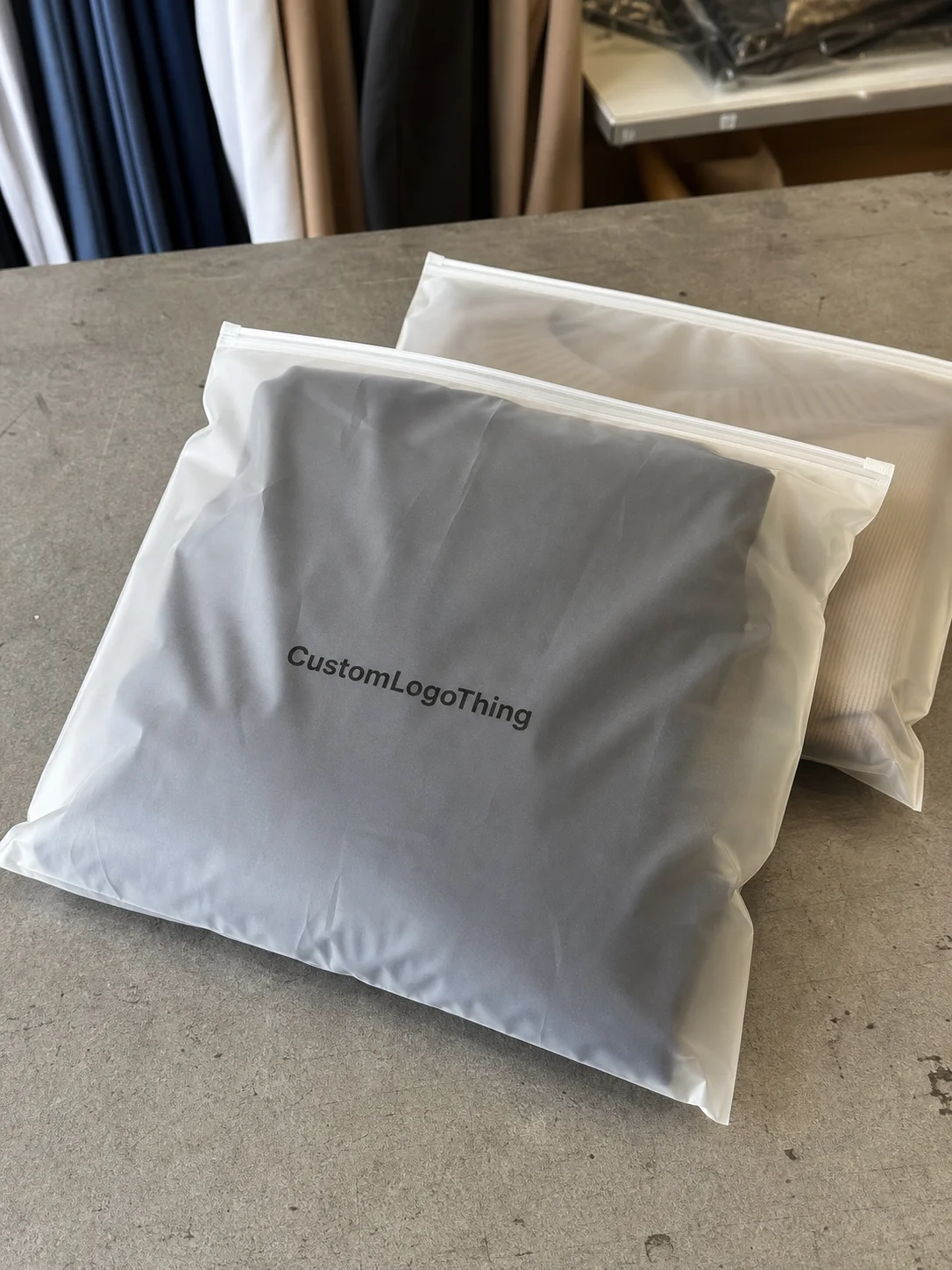
The outer pouch gets judged first. Before a customer touches the serum bottle, sheet mask, balm tin, cleanser mini, or sample sachet, they see the package that holds everything together and decide whether the set feels credible. If you are requesting a Printed Clear Zipper Bags Quote for skincare, you are not shopping for decoration alone. You are checking whether the bag protects the product, presents it cleanly, and stays inside budget.
Clear Zipper Bags work well in skincare because they let the product stay visible while still giving the brand a frame. That visibility builds trust. Customers can see the fill level, shade, bottle shape, label alignment, or product mix before opening anything. The zipper adds repeat use, which is useful for travel kits, facial mask packs, refill bundles, spa samples, and take-home sets from skincare professionals.
Printing gives the bag structure and a clearer brand presence without hiding the contents. A one-color logo, frosted panel, QR code, or routine label can turn a few small items into a packaged set instead of loose pieces in a clear sack. If the artwork is handled well, the pouch supports the product rather than fighting it.
Common skincare uses include:
- Travel and trial kits with 2 to 5 minis, usually packed in 3 to 4 mil film.
- Sheet mask bundles in flat zipper bags, often 2 to 3 mil depending on count.
- Influencer mailers where the pouch keeps products grouped inside the shipper.
- Spa and dermatologist packs with sample tubes, sachets, cards, and aftercare notes.
- Retail gift-with-purchase sets that need a hang hole, euro slot, or front-facing logo.
- Private label launch kits where the pouch carries the brand before cartons are finalized.
From a packaging buyer’s point of view, the bag is not extra decoration. It reduces loose-item chaos, protects labels from scuffing, and gives small products a defined retail shape. Skincare brands, beauty subscription companies, spas, cosmetic labs, promotional distributors, and seasonal retailers all use these bags for the same reason: they make small items easier to sell, store, hand out, and ship.
That said, clear packaging is less forgiving than printed cartons. It shows crooked labels, trapped air, product residue, and dents in the bottle or tube. That honesty is useful, but it also means the inner packaging must be packed neatly if the final set is supposed to look premium.
What Drives a Printed Clear Zipper Bags Quote for Skincare
A printed Clear Zipper Bags quote for skincare depends on more than size and logo. The main inputs are bag dimensions, film material, thickness, print method, color count, print coverage, order quantity, zipper style, hang hole, gusset, artwork complexity, packing method, and shipping destination. Leave out two or three of those details and the quote becomes less reliable very quickly.
A flat 4 mil bag with a one-color logo is a different product from a stand-up pouch with CMYK graphics, a bottom gusset, euro slot, white ink backing, and individual poly packing. They may sit in the same category on a spreadsheet, but they do not share the same cost structure.
For a clean quote, prepare these details before contacting the packaging team:
- Bag width and height, measured in inches or millimeters.
- Gusset depth, if the bag needs to stand or hold bulky items.
- Product weight and the number of items per bag.
- Desired material and thickness, such as 3 mil PE or 4 mil laminated film.
- Print colors, Pantone targets, and whether white ink backing is needed.
- Order quantity, plus one or two alternate quantities for tiered pricing.
- Deadline and delivery address, including ZIP code or country.
- Any cosmetic-safe, food-grade, retailer, recycling, or suffocation warning requirements.
Skincare usually needs a better presentation than a generic promo pouch. Oils, creams, glass bottles, pump caps, and laminated labels can scuff, leak, or shift the bag shape if the pouch is too thin or too tight. A bag that fits on paper can still look poor once it is packed. That usually means the size was chosen before the product details were fully understood.
Do not ask for “a small pouch for skincare samples” and expect a dependable number. That produces a vague quote, then a second quote, then a third. The more the bag is described in exact terms, the more accurate the pricing will be.
Practical rule: send photos, measurements, and the planned product count. If you have a dieline or rough layout, send that too. Fit problems are inexpensive to solve before production and irritating after cartons are already packed.
If you are pricing a real project, send complete specs through Contact Us and include product photos if the kit has bottles, droppers, jars, or mixed items.
Material, Thickness, and Closure Specs That Matter
Clear Zipper Bags look simple, but the material changes the way they behave in production and in use. It affects clarity, stiffness, sealing strength, print appearance, hand feel, and cost. For skincare, the right material usually comes down to how much the bag needs to show, how much it needs to carry, and how polished the final set should feel.
PE is common for soft, flexible clear bags. It has a practical feel and usually works well for sample kits, flat masks, small bottles, and promotional skincare packs. CPP and OPP blends can provide higher clarity and a crisper look, which helps retail presentation. EVA has a softer hand feel and is often chosen when the bag is meant to be reused. Laminated structures cost more, but they can improve durability, print quality, and stiffness for heavier retail sets.
Thickness should match the product load, not someone’s wish for a lower price. These are workable ranges rather than hard rules:
| Use Case | Typical Thickness | Best Fit | Tradeoff |
|---|---|---|---|
| Sample cards, sachets, flat masks | 2 to 3 mil | Lightweight promos and mailer inserts | Lower cost, less premium feel |
| Small skincare kits | 3 to 4 mil | Minis, tubes, travel sets, starter routines | Good balance of cost and structure |
| Retail bundles with bottles or jars | 4 to 6 mil | Heavier sets, reusable pouches, gift packs | Higher unit cost, stronger presentation |
| Premium reusable packaging | 6 mil and up | Luxury kits or long-term storage pouches | May require higher MOQ and longer lead time |
High-transparency film shows the product beautifully, but it also shows crooked labels, air bubbles, dented cartons, and leaked caps. Clear packaging is honest. That is useful for quality control, but it can be unforgiving if the inner products are not packed consistently. If your bottles or tubes vary in height or label position, a frosted panel or partial print block can help control the view.
Zipper style matters as well. A standard press-to-close zipper works for most kits. Slider zippers are easier for customers, but they add cost and bulk. Double-track zippers create a stronger closure for heavier contents. Tamper-evident features may be useful for retail, although they can increase tooling and assembly complexity.
Bag construction changes the way the product sits:
- Flat zipper bags work for masks, cards, sachets, and thin sample sets.
- Bottom gusset bags help kits stand upright on shelves or counters.
- Side gusset bags hold bulkier items or multiple tubes with less stress at the seams.
- Die-cut handle bags work for gift sets, event giveaways, and retail carryout packs.
Optional features include hang holes, euro slots, rounded corners, tear notches, frosted panels, write-on areas, air holes, reinforced seams, and planned size tolerances. Tolerance matters more than many buyers expect. A small shift may not sound serious until the zipper presses against a dropper cap or the top seal catches on a pump.
Allow room for product depth, caps, droppers, pumps, and any secondary cartons. A bag that technically fits but bulges like an overstuffed suitcase is not retail-ready. The most useful sizing decisions come from packing the real product, not from estimating by eye.
Print Options for Clear Skincare Packaging
The decoration method is another major cost driver in a printed clear zipper bags quote for skincare. The right print process depends on quantity, artwork complexity, color count, and how polished the finished pouch needs to look.
Screen printing works well for bold, simple logos and smaller runs where one or two solid colors are enough. Flexographic printing is common for repeat production because it keeps unit cost under control once plates are made. Gravure printing supports high-volume, premium print with strong consistency, but the setup cost and MOQ are higher. Digital printing can make sense for lower-volume testing or complex graphics, although the unit cost may be higher and the material range narrower.
Ink behaves differently on clear film than on paper. White ink is often needed as a base layer when colors must appear opaque. Without white backing, pale pink, beige, mint, light gray, and soft blue can disappear into the product behind the film. A design that looked clean on screen can end up too faint once it is printed on a transparent pouch.
Common artwork approaches for skincare bags include:
- Minimalist front logo with a clean product window.
- Frosted privacy block over uneven inner packaging.
- Ingredient callout zones for hero claims or routine steps.
- Step numbers such as Cleanse, Treat, Hydrate, Protect.
- QR codes for instructions, refill programs, or batch details.
- Warning panels, barcode areas, and retailer-required labeling zones.
For budget launches, one-color printing is often enough. Two to three colors suit many clean beauty brands, especially if the design is logo-heavy and uses a neutral palette. Full-color process printing fits campaign graphics, illustrations, gradients, or photo-style artwork, but it raises cost and usually moves the order into a more demanding production category.
Window placement is not a small detail. If the printed logo lands directly over the bottle label, the package looks crowded. The pouch and the product should work together, not compete for attention. Clear packaging rewards restraint.
Artwork files should be production-ready. Vector AI, EPS, or PDF files are preferred. Fonts should be outlined. Pantone references help when color matching matters. Edge-to-edge artwork needs bleed and safe zones because film can shift during production. For regulated or retailer-facing packs, keep barcode placement, recycling marks, suffocation warnings, and ingredient visibility in the layout from the beginning.
A digital proof confirms layout, size, and color references. A printed pre-production sample confirms ink opacity, zipper feel, seam strength, size, and real product fit. If the kit contains glass, oily tubes, sharp lids, or premium labels, get the sample. Saving a few days is rarely worth the cost of rework.
Pricing, MOQ, and Unit Cost Ranges to Expect
Custom printed clear zipper bags do not have one fixed price. Size, film type, thickness, print coverage, color count, quantity, tooling, packing, and freight all affect the quote. Any serious estimate without those details is still an estimate, not a firm number.
MOQ varies by method and structure. Simple digitally printed or stock-size runs may start around 500 to 1,000 pieces for some sizes. Standard custom production often starts around 3,000 to 5,000 pieces. Highly customized laminated bags, gussets, sliders, or gravure production may require 10,000 pieces or more.
Unit cost usually follows a predictable pattern: smaller runs feel safer, but the per-piece price is higher because setup is spread across fewer bags. Larger runs reduce unit cost, but they require storage space, cash planning, and a stronger demand forecast. The cheapest bag is not always the best choice if it makes the skincare set feel too flimsy or too plain.
| Bag Type | Typical MOQ | Approximate Unit Cost Behavior | Good For |
|---|---|---|---|
| Flat clear zipper bag, 1-color print | 500 to 3,000+ | Often low cents at volume; higher for small runs | Samples, masks, starter kits |
| 3 to 4 mil skincare kit pouch | 3,000 to 5,000+ | Moderate cost with good presentation | Travel sets, minis, subscription packs |
| Bottom gusset retail pouch | 5,000 to 10,000+ | Higher due to structure and film use | Counter displays, gift sets, multi-item kits |
| Slider zipper or laminated premium pouch | 10,000+ | Higher setup and unit cost | Reusable retail packaging and premium launches |
| Full-color custom printed pouch | Varies by method, often 5,000+ | Higher with more coverage and plates | Campaign graphics, illustrated branding |
Setup costs can include plates, screens, molds, sample fees, and custom tooling. These costs are often one-time or reusable if the artwork and bag structure do not change. If you revise the logo, move the zipper, change the gusset, or switch print methods, the previous setup should not be assumed to carry over.
There are a few practical ways to keep the quote under control without harming the final look:
- Use a standard size if it fits cleanly.
- Limit print colors to one, two, or three if full color is not needed.
- Avoid sliders unless the customer experience truly benefits.
- Choose 3 to 4 mil for common skincare kits instead of overbuilding everything.
- Combine SKUs under one artwork version when possible.
- Confirm dimensions before sampling, not after.
- Ask for tiered pricing at three quantities, such as 1,000, 3,000, and 5,000 pieces.
For example, a small flat pouch with one-color print at 5,000 pieces may land far lower per unit than a 1,000-piece full-color gusseted pouch. The larger order requires more cash up front, but the unit economics are often much better. That tradeoff is exactly why tiered pricing is useful.
If sustainability claims matter, discuss material and labeling early. Claims should be defensible. The U.S. EPA recycling resources are a useful starting point for recycling language, although local acceptance varies by material and region.
Production Process, Lead Time, and Approval Steps
A clean order process prevents expensive surprises. The usual flow is quote request, spec review, artwork check, price confirmation, proof approval, deposit, sample if needed, mass production, quality inspection, final payment, and shipping.
Quoting often takes 1 to 2 business days when specs are complete. Artwork proofing usually takes 1 to 3 business days. Sampling may take 5 to 10 business days, depending on print method and material. Bulk production often runs 12 to 25 business days after proof approval and deposit, with complexity and order size pushing that range up or down.
Delays usually come from the same predictable places: unclear artwork, missing bag dimensions, changing print colors after proof approval, late deposits, custom film sourcing, zipper changes, and peak production capacity. If a launch date is fixed, treat proof approval like a real deadline. “We are still deciding between blush and dusty rose” is not a production plan.
Sample options vary:
- Digital mockup: confirms artwork placement and general layout.
- Blank size sample: confirms product fit, thickness, and pouch structure.
- Printed pre-production sample: confirms ink, logo position, zipper feel, and real presentation.
- Production sample: pulled from the live run for final reference.
Quality control should check film clarity, thickness tolerance, zipper strength, seam sealing, print registration, ink adhesion, color consistency, carton count, and packing condition. For e-commerce or mailer programs, test the pouch inside the actual shipper. ISTA packaging tests are designed for transit performance, and the International Safe Transit Association is a useful reference if your products move through parcel networks.
Skincare products need real-world testing. Put the actual tube, jar, bottle, sachet, or carton into the sample pouch. Leave it packed for a few days. Check for label scuffing, pressure marks, zipper strain, oil residue, film clouding, and awkward bulging. If the product ships to hot climates, test for heat exposure too. Oily tubes and overfilled pouches can make a clear bag look tired long before it reaches the customer.
Shipping time is separate from production time. Air freight is faster and more expensive. Ocean freight is slower and better for higher-volume orders. Ground freight depends on origin, destination, carton count, and warehouse timing. Freight still refuses to be free.
How to Request a Clean Quote and Order Without Rework
The fastest way to get a useful number is to send useful information. A printed clear zipper bags quote for skincare should be based on the actual product, not a guess about what “small” means.
Prepare this checklist before sending your request:
- Bag width and height.
- Gusset depth, if needed.
- Product dimensions and product weight.
- Number of items packed in each bag.
- Material preference, such as PE, CPP, OPP blend, EVA, or laminated film.
- Thickness target, such as 3 mil, 4 mil, or 6 mil.
- Zipper type: standard press-to-close, slider, double-track, or tamper-evident.
- Print colors, white ink backing needs, and print coverage.
- Artwork file, preferably vector AI, EPS, or PDF.
- Packing requirements, such as bulk packed, counted bundles, or individual packing.
- Deadline and delivery ZIP code or destination country.
Choose two or three target quantities for comparison. A test run, a standard reorder quantity, and a volume price break will show the real unit cost curve. For example, ask for 1,000, 3,000, and 5,000 pieces, or 3,000, 5,000, and 10,000 pieces if the program already has repeat demand.
Send product photos or a short video of the items being packed. A spreadsheet says “30 ml bottle.” A photo shows the cap shape, shoulder width, label height, glass weight, and whether the tube has sharp crimped edges. Those details often change the bag recommendation.
Ask for a sample if the product is new, the pouch will sit in retail, the kit includes heavy glass packaging, or the bag fit affects customer experience. Premium skincare kits usually deserve a blank size sample at minimum. If the artwork includes white ink, full-color print, frosted panels, or tight logo placement, a printed pre-production sample is the safer choice.
Confirm compliance and labeling needs early. That includes suffocation warnings, recycling marks, barcode placement, ingredient visibility, retailer packaging rules, country-of-origin labeling, and any documentation needed for cosmetic-safe packaging. For paper inserts or FSC-labeled retail components paired with the pouch, check current guidance from FSC before printing certification marks.
Send your bag specs, artwork, product photos, and target quantities through Contact Us to price a real order. The most accurate printed clear zipper bags quote for skincare comes from complete specs, realistic quantities, and a firm deadline, not from a rough guess that has to be revised three times.
FAQ
What details do I need for a printed clear zipper bags quote for skincare products?
Send bag size, product dimensions, order quantity, material preference, thickness, print colors, artwork file, zipper type, deadline, and delivery location. If you are unsure about sizing, send product photos and measurements so the bag can be sized around the actual bottles, tubes, jars, masks, sachets, or cartons.
What MOQ should I expect for custom printed clear zipper skincare bags?
Simple or digitally printed runs may start around 500 to 1,000 pieces for some sizes. Standard custom production often starts around 3,000 to 5,000 pieces. More complex laminated bags, gussets, sliders, or full-color production may require 10,000 pieces or more.
How thick should clear zipper bags be for skincare kits?
Use 2 to 3 mil for lightweight samples or sheet masks, 3 to 4 mil for common skincare sets, and 4 to 6 mil for heavier bottles or reusable retail pouches. Choose thickness based on product weight, sharp edges, shipping stress, and how premium the final package needs to feel.
Can clear zipper bags be printed with white ink or full-color skincare branding?
Yes. White ink can be used as a base layer to make colors look solid on clear film. Full-color printing is also available for detailed artwork, gradients, campaign designs, or illustrations, but cost and MOQ depend on the print method, film type, and total print coverage.
How long does production take after approving a clear zipper bag quote?
Typical proofing takes 1 to 3 business days, sampling may take 5 to 10 business days, and bulk production often takes 12 to 25 business days after approval and deposit. Shipping time is separate and depends on whether the order moves by air, ocean, or ground freight.


