If you are looking for a Clear Zipper Bags Wholesale Supplier for fitness, the practical question is whether the bag protects the product, speeds handling, and still presents well on shelf or in a kit. Fitness packaging usually has to balance visibility, light protection, easy identification, and simple closure without adding box-level cost or bulk.
Clear Zipper Bags work because they remove friction. Warehouse teams can identify products faster, customers can confirm what they received, and bundle contents are visible without opening the package. That reduces mis-picks, repacking, and avoidable service issues.
For sample packs, resistance bands, accessory kits, and small wellness items, a clear zipper bag can serve as both storage and display. The key is choosing the right structure and material, not just ordering transparent pouches by size alone.
Why fitness brands switch to clear zipper packaging
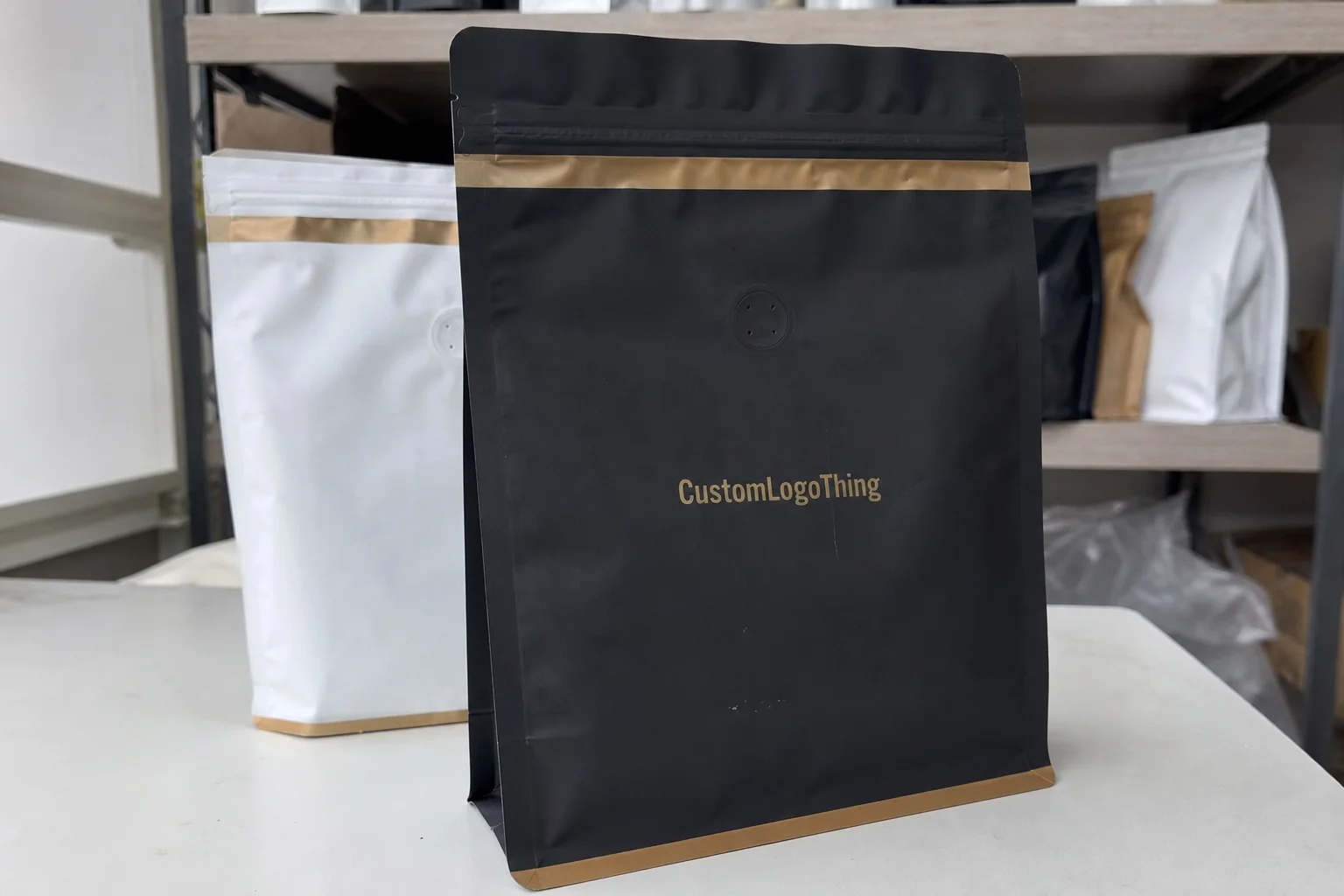
Fitness products are often sold in bundles or handled in repeatable workflows. A pre-workout sample, band set, recovery accessory pack, or event giveaway needs to be easy to inspect and easy to pass along. Clear zipper bags support that because the contents stay visible while the package closes cleanly and stays organized.
Visibility matters at retail and in fulfillment. A shopper can confirm color, quantity, or included pieces without digging through the package. That lowers hesitation at the shelf and reduces “what exactly did I receive?” complaints after the sale.
The back end benefits too. Inventory counts are faster when the contents can be seen, and fulfillment teams can sort product families without opening every pouch. Compared with a box, the bag uses less material, stores flat, and ships more efficiently.
Common fitness and wellness uses include:
- protein powder samples and scoop kits
- resistance band sets
- meal prep accessories and snack packs
- towel, sweatband, and recovery bundles
- promotional kits for launches, classes, and events
That range is why the same bag style can support several SKUs across one line. It works as a display tool, a storage tool, and a simple branded surface without much added complexity.
“The best packaging in fitness usually does three things at once: protects the product, makes the contents easy to identify, and keeps the unit economics under control.”
Product details that matter for gym and wellness use
Clear zipper bags are not interchangeable. Closure style, film thickness, bag profile, and a few usability details can change how well the package performs. A one-way press-to-close zipper may be enough for sample distribution. If the bag will be opened repeatedly, a stronger reclosable zipper usually makes more sense.
Two common constructions matter most. Flat bags are simple and efficient for thin contents. Gusseted bags add depth, which gives bulkier products more usable space and helps the package sit more naturally when filled. If the bag will hang from a peg hook or retail fixture, a hang hole is useful. If it is part of a short-run promo kit, a tear notch improves opening and saves time at the point of use.
Buyers also ask for finishing details that make the package feel more deliberate:
- custom print for logos or product names
- frosted accents to create contrast on clear film
- label panels for SKU, ingredient, or batch details
- writable surfaces for dates, lot codes, or kit notes
- tear notches for faster opening in retail and gym settings
These details matter because fitness packaging is often handled quickly, by more than one person, in less-than-ideal conditions. If the opening point is awkward or the closure feels weak, the package gets noticed for the wrong reason.
Clear packaging also helps when several items need to stay visible inside one kit. A resistance band, a small towel, and a branded insert can all be checked at a glance, which helps both replenishment and quality control.
For warehouses and retail teams, fewer unknowns usually means fewer mistakes, less rework, and better labor control.
Specifications buyers should confirm before ordering
This is where many orders drift. “Clear zipper bags” is not a complete specification. A dependable Clear Zipper Bags Wholesale Supplier for fitness should ask for material, thickness, dimensions, closure style, and intended use before giving a meaningful quote.
Material choice is the first step. LDPE is common because it offers clarity and flexibility. PE blends and recyclable structures may also be available depending on the supplier and application. The right choice depends on whether the bag is meant for short-term samples, repeated opening, or a more presentational retail use.
Thickness matters just as much. It is often described in mils, and that number should not be treated as a minor detail. A lightweight sample pouch may work at 2–3 mils. For a bulkier accessory kit or a bag that will be opened and closed repeatedly, 4–6 mils is often more appropriate.
Dimensions should be chosen based on usable capacity, not only the printed size on a quote sheet. A 4 x 6 inch bag may sound adequate, but actual fill performance depends on zipper placement, gusset depth, and the shape of the contents. A flat pouch and a gusseted pouch with the same nominal dimensions will not perform the same way.
Common specification checkpoints
- Material: LDPE, PE blend, or recyclable option
- Thickness: often 2–6 mil depending on use
- Closure: one-way zipper, double-zip, or press-to-close style
- Profile: flat or gusseted
- Extras: hang hole, tear notch, writable panel, print area
Performance testing should not be skipped. Ask how the zipper behaves after repeated openings, whether the film resists puncture during packing, and how well the closure performs if the contents include powders, small parts, or anything that should stay dry. If the package will hold food-contact or food-adjacent product, request compliance documents and test details that match the intended use.
Shipping performance may matter too. If the packaging must survive cross-country transit or warehouse stacking, ask whether the supplier can reference shipping tests or internal quality standards. Guidance from ISTA is useful when transit resilience is part of the requirement, and EPA recycling guidance can help internal teams evaluate material choices more carefully.
| Option | Best for | Typical thickness | Notes |
|---|---|---|---|
| Flat clear zipper bag | Samples, bands, small accessories | 2–4 mil | Lightweight, efficient, easy to pack |
| Gusseted clear zipper bag | Bulkier kits, bundled items | 3–6 mil | More capacity, better shelf presence |
| Printed clear zipper bag | Retail and branded giveaways | 3–6 mil | Higher presentation value, more setup steps |
| Reclosable sample pouch | Trials and promotional kits | 2–3 mil | Lower material load, suitable for short use cycles |
Pricing, MOQ, and unit cost breakdown
Pricing depends on more than bag size. Thickness, print coverage, closure style, finishing, and order volume all affect the final unit cost. If you are comparing offers from a Clear Zipper Bags Wholesale Supplier for fitness, make sure each quote is built from the same specification set.
MOQ changes based on how custom the order is. Stock bags usually allow lower quantities because the supplier already has the item in production flow or inventory. Custom printed or made-to-spec bags usually require a higher minimum because setup, proofing, and machine adjustment have to be covered.
For planning, many buyers evaluate pricing at 1,000, 3,000, and 5,000 pieces. Those tiers usually show where the price per bag starts to improve. A smaller run may carry a noticeably higher unit cost because the setup is spread across fewer pieces. Larger volumes usually lower the price more efficiently, especially if the bag is simple and the print area is limited.
As a rough guide, a plain clear zipper bag in a standard size will usually sit below a printed or heavily finished version. Add thicker film, a gusset, a hang hole, or full-color print, and the cost rises. The question is whether the higher-cost bag reduces damage, speeds handling, or improves presentation enough to justify it.
Ask for tiered pricing on every quote
That request shows where the real cost break occurs and makes it easier to choose between one larger order and several smaller releases. Ask for freight, sample charges, print setup fees, and any packaging or carton charges as separate lines. Hidden extras can make a quote look attractive at first and expensive once it is ready to ship.
It also helps to think beyond unit cost. A bag that prevents product damage, improves sell-through, or reduces pack-out labor can justify a higher price than a cheaper bag that creates rework later.
Process and lead time from quote to delivery
The order process should follow a clear sequence: inquiry, spec confirmation, quote review, artwork check, sample approval if needed, production, inspection, and shipment. If a supplier cannot explain that flow, delays usually show up later in proofing or production.
Most delays come from the same problems: missing dimensions, unclear artwork files, a late change from flat to gusseted construction, or revisions requested after the proof has already been approved. These are avoidable if the brief is complete at the start.
Lead time depends on the order type. Stock bags are usually the quickest because the base product already exists. Semi-custom orders take longer because one or two elements change. Fully custom printed bags require the most coordination, especially if both the print layout and the bag structure are changing at the same time.
If a launch date is fixed, ask for a schedule that breaks the order into milestones rather than one vague delivery estimate. Useful milestones include proof approval, production start, quality check completion, and shipping window.
“A reliable packaging quote is not just a price. It is a schedule, a specification, and a quality expectation written down in the same place.”
That is the difference between a quote that can actually be used and one that merely sounds good in an email thread.
How to vet a fitness packaging supplier before you commit
If you want fewer surprises, ask direct questions before placing the order. Can the supplier show production capacity that matches the order size? Do they provide samples that reflect the actual film and closure? Can they reproduce the same spec on a reorder without drifting in clarity, zipper feel, or print alignment?
Those questions matter because consistency is what separates a decent vendor from a dependable packaging supplier. One batch that seals poorly or prints off-center can create a chain reaction: damaged goods, customer complaints, repackaging, and time lost in corrections.
Documentation is worth asking for as well. Ask for dimensional tolerances, film thickness ranges, closure expectations, and print position limits. If the supplier works to a recognizable quality or shipping standard, ask which one applies and what the check actually covers. Standards reduce guesswork and make supplier comparisons fairer.
When sample bags arrive, inspect them closely rather than giving them a quick visual pass. A buyer should check a few points every time:
- does the zipper close with consistent pressure?
- is the film clear, or slightly cloudy in certain lighting?
- are the edges cut cleanly?
- does the bag stand or lie flat the way the product needs?
- does the print sit where it was approved?
If the answer is mixed at sample stage, mass production will not correct it. Production tends to reproduce what has already been approved, not improve it.
Custom Logo Things supports buyers who want packaging ready for real use rather than just photo approval. If the order already needs branding support, the more practical starting point is the Wholesale Programs page, where quantity, structure, and artwork expectations can be aligned before production begins.
Next steps to place a faster, cleaner wholesale order
Good ordering discipline shortens the project. Before you request quotes, prepare three things: target size, estimated quantity, and product use case. Those details let a supplier build a realistic proposal instead of guessing.
After that, request a sample pack or a spec sheet. Samples reveal more than a spreadsheet. They show zipper feel, film clarity, thickness, and how the package behaves in the hand. If the bags will hold gym accessories, supplement samples, or wellness kits, that tactile check is worth the time.
Then compare at least two or three quotes using the same criteria: material, thickness, closure style, print area, MOQ, freight, and any setup charges. Do not compare headline price alone. Landed cost tells the real story.
Once you have a direction, send artwork, dimensions, and volume targets together so the job can move from quotation to production-ready status without repeated resets. That is usually the cleanest way to get a usable order moving without unnecessary back-and-forth.
If you want packaging that supports fitness merchandising, sample distribution, and retail presentation without adding needless complexity, start with a supplier that can show spec discipline, realistic lead times, and repeatable quality.
FAQs
What sizes are best when ordering clear zipper bags for fitness products?
Choose size based on product volume and how the bag will be used. Small formats work well for samples and lightweight accessories, while larger gusseted bags suit bundled gym kits, towel packs, or apparel add-ons. Usable capacity matters more than the nominal dimension printed on a quote.
Can a clear zipper bags wholesale supplier for fitness add custom printing?
Yes, many wholesale programs support logo printing, label areas, or branded panels. Confirm the Artwork File Requirements, print area limits, and minimum order quantity before approving the job. If the design includes fine type or small marks, ask for a proof that reflects the actual print method.
How do I compare pricing between suppliers fairly?
Compare the same size, thickness, closure style, print coverage, and quantity tier. Also include sample charges, freight, and the risk of replacement if quality varies. A cheaper quote can become the more expensive option once those factors are added in.
What MOQ should I expect for wholesale fitness packaging?
MOQ depends on whether the bag is stock, custom printed, or made to spec. Stock items usually allow lower quantities, while custom orders often require a higher minimum to cover setup and production costs. Ask for tiered quotes so you can see where unit cost improves at higher volumes.
How long does production usually take after artwork approval?
Lead time depends on order complexity, approval speed, and production capacity. Ask for a written timeline that includes proof approval, production, quality check, and shipping windows. If the order is tied to a launch or seasonal promotion, request milestone dates early so the packaging arrives on schedule.


