If you are comparing mailer packaging for ecommerce, a recycled poly mailer Bags Wholesale Supplier guide is really a guide to controlling landed cost, not just choosing a greener-looking film. A 12 g mailer can still become an expensive decision if the minimum order is too high, freight is quoted loosely, or print setup is treated like an afterthought.
That is the trap many buyers run into. The unit price looks tidy on paper, then pallet counts, plate fees, sample revisions, and packing inefficiencies appear. For brands shipping apparel, soft goods, accessories, and subscription kits, Recycled Poly Mailers can support sustainability targets while still preserving the speed, tear resistance, and low storage footprint that made poly mailers popular in the first place.
Here is the practical view: recycled content helps only if the bag still performs on the line and survives carrier handling. The strongest sourcing decisions usually improve several things at once: outbound weight, warehouse space, packing speed, and component count. That is why a Recycled Poly Mailer Bags wholesale supplier guide should read like a packaging buyer’s checklist, not a marketing brochure.
Why supplier selection changes unit economics
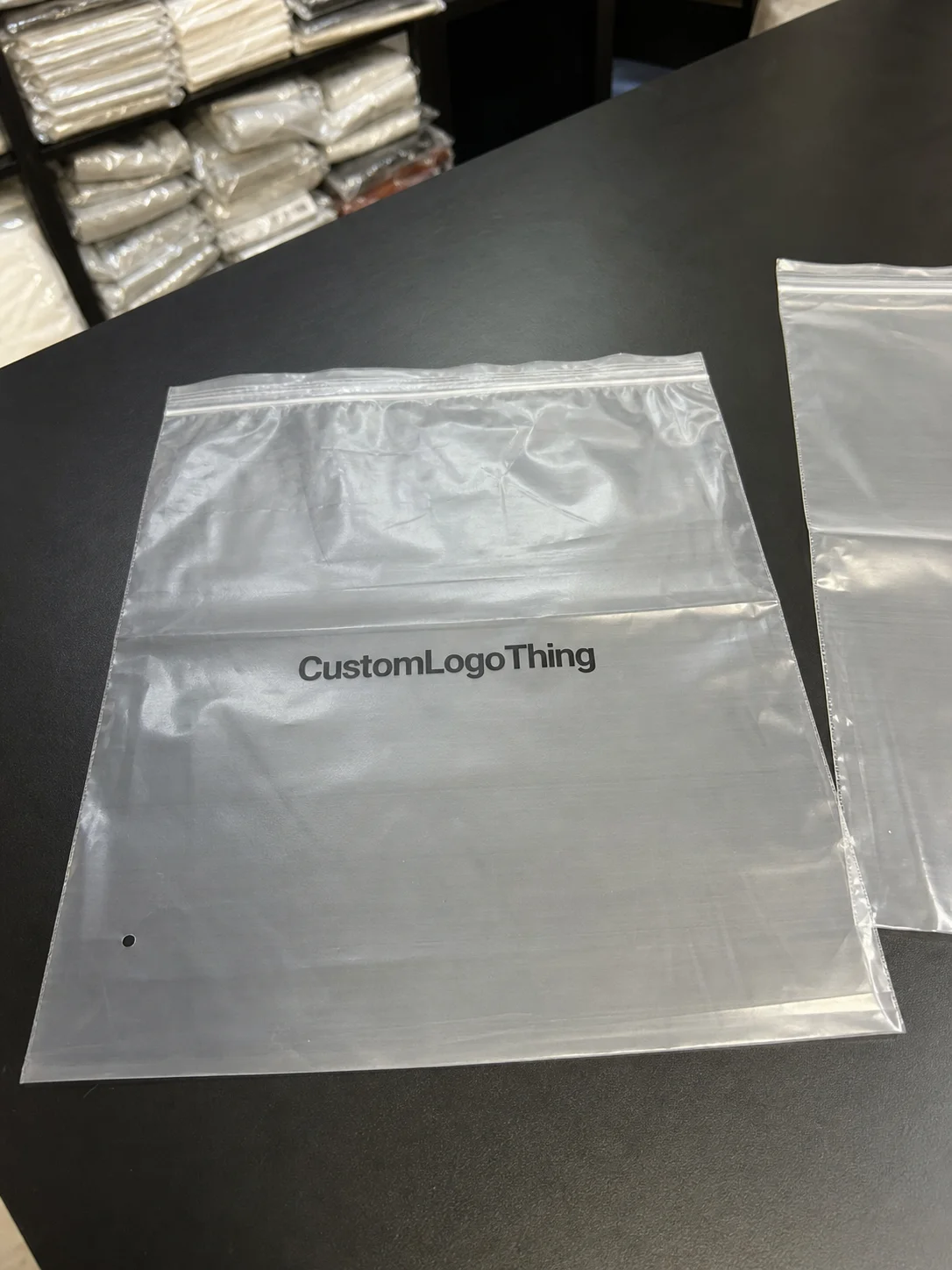
Buyers often start with the bag itself. They should start with the shipment. A lighter mailer can reduce parcel weight by a few grams, which sounds minor until it is multiplied across tens of thousands of orders. It also takes less room than a corrugated shipper, so storage cube shrinks and handling steps drop. In practice, the savings show up in labor and freight as much as in packaging spend.
Recycled poly mailers are usually chosen for one of two reasons: sustainability reporting or cost control. The better programs do both. A well-specified recycled mailer can replace a heavier paper alternative for many non-fragile goods, and that can reduce total material usage while keeping the package compact. The mistake is focusing too much on the resin claim and ignoring the operational math. The cheapest-looking bag is not always the cheapest order.
Supplier quality has a direct effect on economics too. A factory that holds consistent film gauge, prints with clean registration, and quotes freight accurately will often beat a lower sticker price from a less disciplined source. That is the logic behind any serious recycled poly mailer Bags Wholesale Supplier guide: compare the whole program, not one line item.
Where savings usually come from:
- Lower outbound weight versus rigid mailers or small cartons
- Smaller storage footprint in the packing area
- Faster packing because there are fewer components
- Less material waste when the product fits the bag correctly
“A good mailer quote is not the lowest number. It is the one that still makes sense after freight, print, and inventory are added.”
For buyers building a broader packaging program, it can also help to compare mailer options alongside Custom Poly Mailers and other Custom Packaging Products. The right fit depends on product fragility, return rates, and whether brand presentation matters on delivery day.
For sustainability claims, buyers should also understand the difference between “recycled content” and “recyclable” language. Those are not the same thing. The EPA’s packaging guidance is useful for framing material decisions and waste reduction priorities: EPA recycling resources.
Film builds, recycled content levels, and closure options that affect performance
The bag’s performance starts with the film build. Most recycled poly mailers are made from blended resin rather than a single-source material stream, because that balance helps maintain tear strength and seal integrity. Common buyer questions center on post-consumer recycled content, post-industrial recycled content, film thickness, opacity, and surface finish. Each one affects how the bag handles in transit and how it prints.
Typical thickness ranges often run from about 40 to 100 microns, depending on the product load and puncture risk. Thin films reduce material use and cost, but they can feel too soft for sharp-edged apparel accessories or bulkier soft goods. Heavier gauges improve protection and seam strength, though they add material cost and can reduce flexibility. That tradeoff is normal. There is no universal best gauge.
Closure type matters just as much. For ecommerce programs, the most common options are:
- Self-seal for standard outbound shipments
- Tamper-evident closures for higher-trust customer experiences
- Double-adhesive return strips for programs with frequent exchanges
Returns-heavy categories should pay close attention to adhesive performance after the first opening. A bag that is fine for outbound shipping can disappoint on the return leg if the second seal fails under dust, creasing, or temperature swings. That is where the real-world handling details matter. Carrier sorting systems do not care about marketing copy. They care about seam strength, film slip, and whether the package keeps its shape under compression.
Here is a simple comparison buyers can use during sourcing:
| Construction choice | Typical benefit | Main tradeoff | Best fit |
|---|---|---|---|
| Thin recycled blend, self-seal | Lower unit cost, lower weight | Less puncture resistance | Soft apparel, lightweight accessories |
| Mid-gauge recycled blend, tamper-evident | Better handling and presentation | Higher price than basic film | Branded ecommerce orders |
| Heavier gauge, double-adhesive | Stronger protection and returns support | More material and often higher freight | Returns-heavy programs, premium goods |
If you want a clean benchmark for package performance in transit, ISTA testing standards are a sensible reference point. They help buyers think beyond print and toward actual shipping durability: ISTA standards and testing. A supplier does not need to run every test in-house, but they should understand what failure looks like under compression, vibration, and drop conditions.
Size charts, print limits, and compliance details buyers should verify
Size selection seems simple until the wrong dimensions create wrinkles, trapped air, or excess empty space. For apparel and soft goods, common mailer ranges might include small formats for socks and accessories, mid-size bags for folded tees or light knitwear, and larger formats for sweatshirts, outerwear, or bundled sets. The better approach is to map the product’s folded dimensions first, then add enough room for easy insertion and closure without over-sizing the bag.
Do not rely on a single catalog size if your product line varies. A subscription kit may pack perfectly one month and fail the next if inserts change by half an inch. That is why a product sample is so useful. A real sample tells you more than a spec sheet about fit, seal position, and presentation.
Print limits deserve equal attention. With custom-printed recycled poly mailers, artwork usually needs to respect color count, bleed, safe area, and seam avoidance. If the design crosses a seal area or runs too close to the edge, it can distort during production. Barcodes also need clear placement. They should remain scannable after the bag is filled and flattened, not just when the bag is empty on a proof.
Verify these points before approving artwork:
- Exact bag width and length, including flap
- Print area and any non-print zones
- Spot color limits versus full process printing
- Bleed and safe margins for logos and text
- Barcode or address label placement
Compliance is where many buyers get caught. If your program uses recycled-content claims, ask for written support for the stated percentage and the basis of measurement. If your internal reporting team needs documentation, get it early. FSC certification is relevant in mixed-material packaging programs, and while it does not apply to poly film itself, it often matters when mailer programs are part of a wider packaging assortment: FSC certification resources.
Market-specific labeling rules can also matter, especially if you sell across regions with different environmental claim standards. Ask whether the supplier can provide material declarations, recycled-content statements, and any testing or compliance paperwork before you place the order. That is not red tape. It is risk control.
Cost, pricing, MOQ: how wholesale quotes are built
This is where the quote either makes sense or falls apart. The main price drivers are straightforward: resin blend, bag size, thickness, print complexity, and total order volume. But the quote structure often includes more than the bag itself. Tooling, plates, sampling, packing format, and freight all affect the final number. If you compare suppliers only on unit price, you are comparing partial truths.
MOQ is usually the biggest swing factor. Smaller runs carry a higher per-bag price because setup costs are spread over fewer units. Larger orders reduce the unit cost, but they can also create inventory risk if your product size or branding changes later. The sweet spot depends on launch timing and storage capacity. A supplier offering a lower MOQ may still be the better choice if it reduces dead stock and avoids a rushed reprint.
For reference, basic stock-style recycled mailers can sometimes land in a lower cost band, while custom-printed programs commonly rise once plates, proofing, and freight are added. As a rough planning range, buyers may see something like $0.08-$0.16 per unit for larger plain runs and $0.14-$0.30 per unit for custom-printed orders at moderate volumes, though exact pricing depends heavily on size and gauge. Smaller custom orders can price higher. Very high volumes can price lower. There is no substitute for a proper quote.
Quote review checklist:
- Ex-factory price per unit
- MOQ by size and print version
- Plate or setup charges
- Sample cost and refund policy
- Lead time from proof approval
- Freight terms and transit estimate
- Payment terms and currency basis
If the supplier says the bag price is low but freight is “to be confirmed,” treat that as incomplete. Landed cost is the number that matters. Your finance team will not budget on the factory quote alone. Neither should your packaging team. The useful comparison is a fully loaded price, especially when buying from a recycled poly mailer bags wholesale supplier guide framework where every line item should be visible.
Production steps and lead time from proof approval to shipment
A typical order moves through a fairly standard sequence: inquiry, specification confirmation, artwork proof, sample approval, production, inspection, and dispatch. If a supplier cannot explain that sequence clearly, expect problems later. The process is not complicated, but each stage can delay the next if something is missing.
The most common slowdowns are predictable. Artwork files arrive in the wrong format. The recycled-content specification needs written confirmation. A sample is approved verbally but not documented. Or the buyer changes bag size after proofing because a product measurement was guessed instead of checked. Those mistakes cost time and often money.
Standard lead times for custom mailers often sit in the 12 to 20 business day range after proof approval, depending on order size and print complexity. Expedited programs can move faster, but rush fees are common and not every size or film blend can be accelerated. Freight time is separate. That distinction matters when your launch date is fixed and your stock cover is thin.
Production scheduling becomes more complex when a supplier is running multiple widths or multiple print versions in one order. That can be efficient, but it also increases the chance of mix-ups if SKU control is weak. Ask how cartons are labeled, how versions are separated, and whether the supplier verifies count by pack and pallet. Those are boring questions. They save real headaches.
Good planning questions include:
- When does proof approval lock the schedule?
- Can the supplier run a pre-production sample?
- How are print versions identified on the carton?
- What inspection happens before dispatch?
A reliable supplier should also give a realistic transit estimate, not just a manufacturing window. Lead time without shipping time is only half a promise.
How to compare a supplier on quality, documentation, and consistency
The strongest supplier signals are often the least glamorous. Look for documented specs, repeatable film quality, clean sample consistency, and responsive prepress support. If a supplier can explain film gauge tolerance, seal width, print registration, and packaging format without dodging questions, that is a good sign. If they hide behind generalities, expect inconsistency later.
Factory capability matters more than broad claims. Ask what printing methods they use, how they control film extrusion, and what inspection standard they apply before shipment. A decent answer should include actual process controls, not only a promise that “quality is checked.” In practice, the difference between average and dependable supply usually comes down to consistency across runs, not a single perfect sample.
Signals worth checking:
- Written spec sheet with gauge, size, closure, and material blend
- Sample matching the quoted build
- Clear recycled-content documentation
- Consistent print density across a test run
- Count accuracy and carton labeling discipline
Transparency also matters for internal reporting. If your sustainability team needs proof of recycled content, ask how the supplier documents the claim and whether they can provide a declaration with batch references. That level of paperwork may feel tedious, but it protects your brand if procurement, compliance, or sales teams later ask how the bag claim was verified.
Quality control is not just about defects. It is about continuity. A supplier that sends a perfect sample and then varies film thickness on the second order creates hidden costs: packing interruptions, damaged goods, and customer complaints. That is why a sourcing program should treat reliability as a financial metric, not a soft one. This is the practical center of any recycled poly mailer bags wholesale supplier guide worth using.
For buyers building a broader carrier-ready packaging program, Custom Logo Things can also support Wholesale Programs with coordinated packaging formats, so your mailers, labels, and branded shipping materials stay aligned.
Next steps for sampling, quoting, and placing a bulk order
Before requesting quotes, gather three basics: bag size, target quantity, and print requirements. That sounds simple, but incomplete specs are the fastest way to get quotes that cannot be compared. If your product mix includes multiple SKUs, list each one separately and note which bags can share the same size.
Then request a sample pack or a proofed prototype. A digital proof can confirm artwork placement, but it cannot tell you whether the mailer opens easily, seals cleanly, or feels too thin once filled. A physical sample usually exposes the problems that matter most. If you are shipping apparel or soft goods, test the bag with real product, not a dummy insert.
Do not stop at factory price. Compare landed cost. That means product, freight, plates, sampling, payment terms, and any rush charges. Two quotes can look close and still differ by enough to change your margin. A buyer who checks the full number is making a sourcing decision. A buyer who checks only ex-factory price is guessing.
If you are ready to move from research to order planning, use this recycled poly mailer bags wholesale supplier guide to lock in the basics, approve the sample, and then request a final quote once artwork and dimensions are confirmed. After that, the process becomes straightforward: specify, verify, approve, and place the bulk order.
The result should be a mailer program that is easy to pack, accurate to quote, and strong enough to survive shipping. That is what buyers should expect from recycled poly mailer bags wholesale sourcing, and what a disciplined supplier should be ready to deliver.
What should I ask a recycled poly mailer bags wholesale supplier before ordering?
Ask for the exact recycled-content percentage, film thickness, closure type, and available sizes. Confirm MOQ, unit price breaks, sampling policy, and whether freight is included in the quote. Also request proof of print quality and any documentation needed for sustainability claims.
What MOQ is typical for recycled poly mailer bags wholesale orders?
MOQ usually depends on size, print complexity, and whether the bags are stock or custom-made. Lower MOQs are more common for plain bags, while custom printing often raises the minimum order. Ask for separate pricing tiers so you can see how unit cost changes at higher volumes.
How much do recycled poly mailer bags cost in bulk?
Bulk pricing is driven by material blend, gauge, size, print setup, and total quantity. Freight, sample charges, plate fees, and rush handling can change the true landed cost. The best comparison is a full quote, not just a per-bag factory number.
Can recycled poly mailer bags be custom printed for ecommerce brands?
Yes, most wholesale suppliers can print logos, brand colors, and shipping-friendly artwork. Confirm color limits, bleed requirements, and safe zones before submitting files. A print proof or sample is the safest way to verify placement and readability.
How long does production and delivery usually take for wholesale mailer bags?
Lead time depends on proof approval, order size, and whether the bags are stock or custom. Artwork changes and material confirmation can extend the schedule if files are not ready. Ask the supplier for a clear production timeline plus shipping transit time before you commit.


