Overview: Why clear zipper bags matter on a crowded beauty shelf
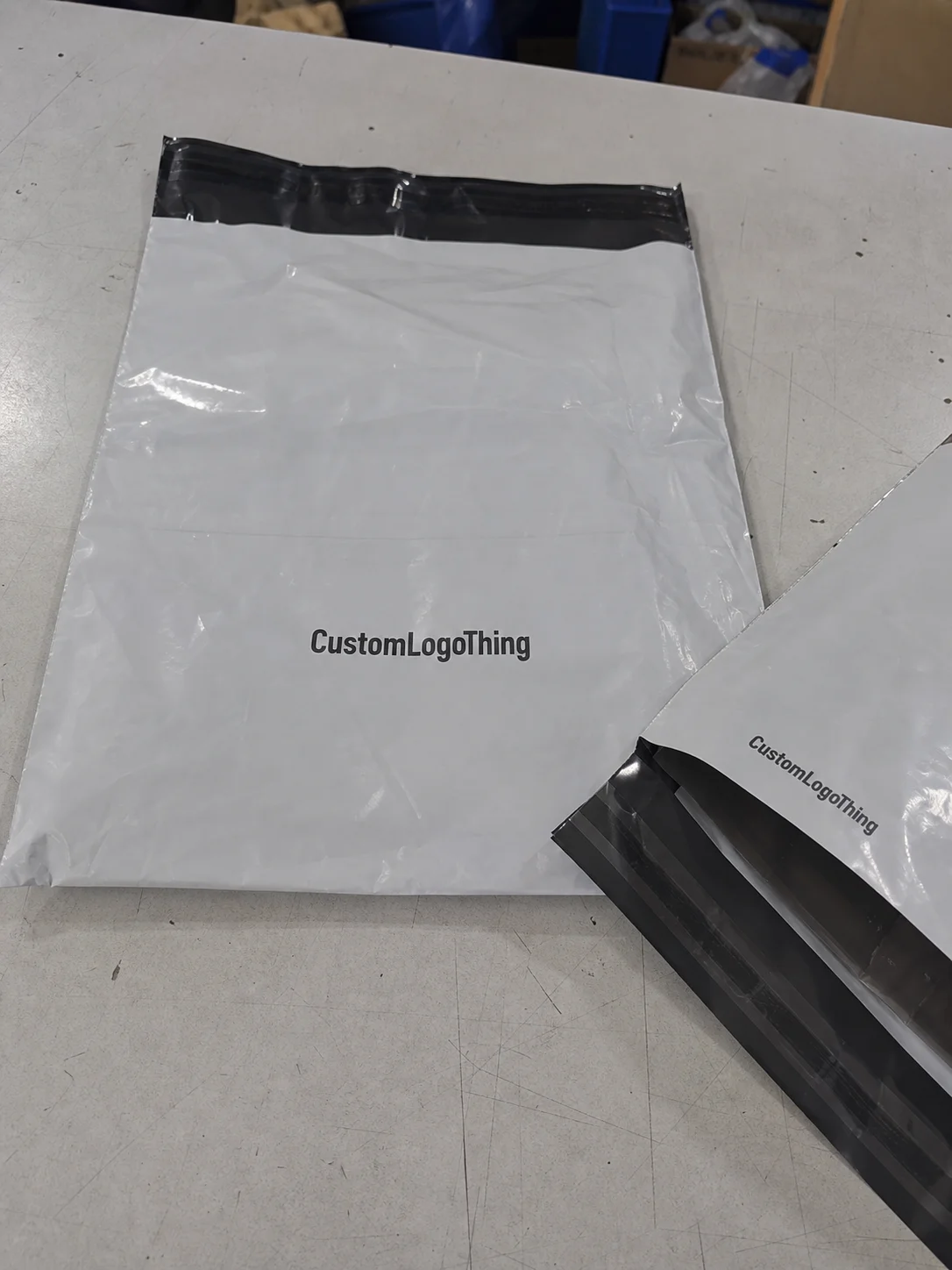
Custom Clear Zipper Bags for beauty brands earn attention for a straightforward reason: people trust what they can see. In beauty, the package is often the first proof of quality, long before a formula is opened or a texture is felt. If the bag shows color, contents, or product variety clearly, the item can feel more concrete and more worth buying. That first impression often carries more weight than teams expect.
These bags are transparent, resealable plastic packages used for kits, minis, samples, accessories, and retail-ready presentation. They show lip gloss, sheet masks, hair clips, travel-size cleansers, swatch cards, and influencer mailers without forcing the buyer to guess what is inside. That visual clarity lowers friction. A shopper can inspect a set quickly, and a retail associate can restock faster because the contents are visible at a glance.
For packaging buyers, the format fits neatly into subscription boxes, event kits, travel sets, in-store promo bundles, and e-commerce launches where the unboxing moment still matters. The tradeoff is direct: clear packaging exposes everything, so branding has to do more work through print, inserts, labels, or colored closures. The bag itself may be simple, but the overall presentation should still feel considered.
Compared with opaque pouches and custom printed boxes, Clear Zipper Bags serve a different purpose. Opaque packaging can feel more luxurious in certain categories, but it also hides the payload. Clear bags are efficient, merchandising-friendly, and easy to inspect. For beauty brands selling mixed assortments or curated kits, that transparency can help buyers commit faster because they know exactly what they are getting.
“A clear bag can do three jobs at once: protect the product, present the product, and help the buyer understand the product in seconds.”
How custom clear zipper bags work in beauty packaging
Most custom Clear Zipper Bags for beauty brands are built from a film, a zipper closure, and, in some cases, a gusset that adds volume. The film might be PVC, PET, or a polyethylene blend, depending on clarity, stiffness, and cost targets. The zipper may be a standard press-to-close style, a reinforced zip, or a slider closure if the bag needs to be opened repeatedly. Some versions also add a hang hole, tear notch, or tamper-evident strip.
Transparency affects operations more than many teams expect. Staff can identify contents quickly, which helps order accuracy and reduces picking mistakes. That matters when a shipment contains multiple kit variations and every error adds labor, freight, and customer service work. In retail packaging, clear bags also help stores rotate inventory faster because the SKU is visible without opening the package.
Customization is not limited to full-color print. Common options include one-color logo printing, frosted accents, tinted clear film, matte finishes, metallic zipper pulls, and label placement. A small logo on a clean bag can look sharp if the rest of the presentation is disciplined. A crowded layout can work against the very thing that makes the format useful: visual clarity.
Use case matters. Skincare samples often need more moisture resistance, makeup kits need strong shelf appeal, and hair accessories need display-friendly packaging that can tolerate repeated handling. For sharp tools like lash tweezers or manicure accessories, puncture resistance becomes more important than it would be for cotton rounds or swatch cards. Barrier strength, seal quality, and thickness all shape real-world performance.
For brands that package outside beauty as well, it helps to think in systems rather than one-off packs. A bag that works for minis may also work for accessories, event kits, and promo bundles if the size and closure are chosen carefully. The same logic applies across broader product packaging decisions, whether the format is a pouch, carton, or hybrid pack.
Key specs to compare before you request a quote
Size is the first detail to lock down. It sounds simple, but bag dimensions drive fit, freight, and unit economics more than many first-time buyers expect. Measure the full packed kit, not just the hero product. If a brand wants a 4 oz cleanser, two sample sachets, a card, and a cotton pad inside the same bag, the internal dimensions need room for all of it plus the zipper closure. A bag that is too tight looks overstuffed; one that is too large can feel wasteful and cheap.
Film thickness matters too. Common ranges for Clear Zipper Bags sit around 0.10 mm to 0.20 mm, though the right spec depends on weight and use. Thinner film can reduce cost, but it may wrinkle more and feel less substantial in hand. For premium gifting or retail presentation, that hand feel influences brand perception. If the bag will hold heavier tools, multiple jars, or liquid products, ask for thickness and seal performance data instead of accepting a vague “durable” claim.
Material choice should match the product. PET usually gives a crisper look and better stiffness, while PVC can be softer and more economical in certain builds. Polyethylene blends are often selected for sealing behavior and flexibility. None of these is automatically best. A buyer should ask how the film behaves under load, how it handles folding, and whether the bag will hold its shape after filling.
Compliance deserves attention as well. If the contents are cosmetics, samples, or items touching skin, ask whether the material is suitable for the intended market and use case. Not every clear bag needs the same documentation, but if the package touches regulatory scrutiny, the supplier should state material composition clearly. That kind of documentation supports internal QA and makes future audits less painful.
Print method changes both appearance and economics. A simple one-color logo often keeps pricing lower and lead times shorter. Full-color graphics may require more setup, a higher MOQ, or extra proofing. If you are comparing branded packaging options, ask whether the logo will be silk screened, heat transferred, or applied through a label system. The visual result can be similar from a distance, but the cost structure is not.
Function upgrades deserve their own line item. Gussets help bags stand upright and hold more volume. Reinforced zippers make repeat opening feel better. Puncture resistance matters if the bag holds metal tools. If the bag needs to hang on a peg display, the hanger hole must be placed accurately or the retail plan falls apart.
| Spec | Best for | Typical effect on cost | Buyer takeaway |
|---|---|---|---|
| Thin, stock-style clear film | Samples, light promo kits | Lowest | Good for volume, but check stiffness and seal quality |
| Thicker clear film with logo print | Retail add-ons, influencer mailers | Moderate | Balances visibility and better shelf appeal |
| Gusseted bag with reinforced zipper | Multi-item beauty kits | Higher | Better for structure and repeated opening |
| Special finish or custom hardware | Premium launches | Highest | Use only when the added presentation is worth the spend |
One more practical point: if the bag needs to stand upright, hang from a display, or pair with inserts and stickers, specify that early. Those details affect the dieline and the final bag shape. Teams sometimes treat the bag as a blank container and then realize too late that the display plan requires more structure. That is an avoidable mistake.
For sourcing context, packaging standards and test methods are not abstract bureaucracy. Organizations such as ISTA and ASTM provide transport and material-related frameworks that help buyers ask better questions about performance. You do not need to become a lab technician. You do need to know which claims are backed by testing and which are only sales language.
Cost, pricing, and MOQ: what drives unit cost
The biggest pricing levers are size, material thickness, print complexity, zipper style, and order quantity. For a simple clear bag with basic branding, a mid-size production run may land around $0.18 to $0.35 per unit, depending on the spec and the market. Once you add thicker film, better closures, or more print coverage, that number can climb quickly. For smaller orders, unit cost usually rises because setup is spread across fewer pieces.
Clear bags can be cheaper than opaque alternatives in some runs because the material and decoration are simpler. That advantage disappears if you add specialty hardware, metallic accents, or full-coverage graphics. Buyers sometimes assume “clear” automatically means “low cost,” but decoration, inspection, and packaging add-ons can matter more than the base film.
MOQ is another place where assumptions cause trouble. Low minimums may exist, but they often come with higher pricing, fewer decoration options, or a longer wait if the supplier is batching jobs. A brand launching a small seasonal bundle may accept that tradeoff. A brand planning a recurring retail program may not.
Do not compare only the quoted unit price. Compare landed cost. Freight, setup charges, plate fees, sample fees, and insert costs can materially change the final budget. Buyers often focus on a quote that looks 10% to 15% cheaper, only to discover the landed total is higher once shipping and production add-ons are counted. A line item in a spreadsheet can be misleading if the table is incomplete.
The cleanest buying framework is to define the bag’s job before asking vendors for numbers. If the goal is retail presentation with a polished shelf look, pay for structure and print quality. If the goal is fast sample distribution, keep the spec simple. That distinction saves money and shortens the approval process.
For teams comparing multiple formats, browsing Case Studies can show how different specs map to different product goals. If the bag is only one part of a broader packaging system, the Custom Packaging Products page can help with side-by-side comparisons before a quote request goes out.
Process and timeline: from artwork approval to delivery
The standard process usually runs like this: inquiry, spec confirmation, dieline or artwork prep, proofing, sampling if needed, production, quality checks, and shipment. That sounds linear, but in practice the time sinks are usually in the middle. Artwork corrections, material substitutions, and late changes to dimensions can push a schedule back by days or even weeks.
Lead time depends on complexity. A stock-style customization with a simple logo can move faster than a fully bespoke run with special printing or zipper hardware. In many cases, simple jobs can be completed in roughly 12 to 15 business days after proof approval, while more involved projects may need longer. Shipping method also matters. Air shipping cuts transit time, but the savings can disappear quickly once freight is counted on a larger order.
Plan a buffer if the bags support a launch, an influencer mailer, a retail reset, or a seasonal kit. Beauty calendars are unforgiving. If the product launch moves, the packaging still has to land on time. Packaging teams usually work best when the timeline is built backward from the launch date rather than forward from the purchase order date.
Sampling is useful when the contents are weight-sensitive or when the visual effect matters a lot. A photo proof can confirm logo placement, but it will not reveal the feel of the zipper, the way the bag stands, or whether the clear film makes your color palette look washed out. Those details show up only in hand.
For sustainability-minded buyers, ask whether the supplier can advise on recyclable options or lower-impact material choices. If your brand has a packaging waste target, the EPA has useful public resources on waste reduction and materials management. Not every beauty bag will be recyclable in every market, so claims need to be checked carefully by region.
Common mistakes beauty brands make when ordering clear packaging
The first mistake is choosing a bag that looks premium in mockups but is too thin in real life. Split seams and weak closures are not small defects; they become brand problems quickly. A bag that fails in transit can turn a neat promo kit into a liability. If the contents are liquid, oily, or heavy, the risk rises.
The second mistake is overdesigning the package and forgetting that clear packaging depends on content curation. If the interior looks random, the bag looks empty even when the products are expensive. Strong package branding is not only about the logo. It is about how the contents are arranged, whether labels are aligned, and whether the color story feels intentional.
Compatibility checks are often skipped, and they matter more than buyers expect. Oils, creams, powders, and sharp tools can affect seal integrity or scratch the bag surface. A product that is stable in a carton may behave differently in a soft, transparent pouch. That is especially true for beauty formulas with oils that can migrate or leave residue over time.
Compliance and labeling also get overlooked. If the bag is used for samples, resale, or kits with multiple components, check whether the labeling requirements change by channel or market. A bag used for a PR mailer does not always need the same regulatory treatment as a retail SKU. That difference is easy to miss and expensive to fix later.
Finally, some teams chase the lowest price without comparing defect risk, setup fees, or freight. A low-cost quote can be a false economy if the supplier’s quality control is loose or the minimum order is awkwardly sized for your inventory plan. Better purchasing is less about finding the cheapest option and more about finding the right total cost for the job.
Expert tips for better shelf appeal and smoother ordering
Use inserts, branded cards, or color-coded labels to make the transparency work for you. Clear film can look elegant, but it can also look unfinished if the contents float around without structure. A simple card insert can create hierarchy, frame the products, and make the whole pack feel more deliberate. That matters whether the bag is for retail display or a PR gift set.
Ask for pre-production samples or photo proofs when the bag is tied to a launch. Clarity, seal feel, and print placement all matter more in person than in a PDF. A proof can confirm the art. A sample tells you whether the whole package reads as premium or merely functional.
Match bag style to channel. Retail needs display polish. E-commerce and PR kits need better protection and easier unboxing. Influencer mailers often benefit from a bag that can be opened and resealed without looking flimsy on camera. Store shelves, by contrast, punish weak structure and sloppy alignment.
Think about content weight and shape variance. Beauty items shift more than rigid goods, so a bag can distort as soon as the contents settle. If the bag is sized too tightly, the logo may warp. If it is too loose, the product can slide and look careless. That is one reason custom clear zipper Bags for Beauty brands should be specified with the full kit in mind, not just the hero item.
One smart approach is to build one core format that can handle multiple uses. Minis, accessories, and promo kits often share enough dimensional overlap that a single bag spec can serve several campaigns. That reduces complexity in procurement and can simplify artwork management too.
“Better sourcing usually starts with a better spec sheet, not a better sales pitch.”
Next steps: how to move from idea to a usable spec
Start with a simple audit. List the exact products you want to pack, including dimensions, weight, and whether they can leak, puncture, or shift during shipping. That one exercise prevents a lot of bad quoting. A supplier can work with a vague idea, but they can work much better with numbers.
Next, decide the bag’s main job. Is it for display, protection, bundling, sampling, or resale packaging? The answer changes the spec. A display-first bag may prioritize clarity and print quality. A logistics-first bag may prioritize thickness, closure integrity, and tamper resistance.
Then build a one-page spec sheet with size, print area, quantity estimate, and target budget. Send the same brief to every vendor so the quotes are actually comparable. If one supplier is quoting a 0.12 mm bag and another is quoting a 0.18 mm bag, the lower number is not really lower. It is just different.
Before you place the order, confirm the final proof, the production timeline, and the replacement plan for defects. Ask what happens if there is a small print variation or a zipper failure in transit. Then run a test order if the bag is new to your line. Beauty packaging often looks simple until the first shipment lands and real handling exposes the weak points.
That is the real reason custom clear zipper bags for beauty brands deserve careful sourcing. They are not just containers. They are part of the product story, part of the logistics plan, and part of the brand’s retail presence. Buy them with the same care you would apply to any other piece of branded packaging, and the bag will do far more than hold items. It will help sell the idea behind them.
What are custom clear zipper bags for beauty brands usually used for?
They are commonly used for samples, minis, kits, travel sets, accessories, influencer mailers, and retail add-ons. Their biggest advantage is visibility: customers can see the product instantly, which supports merchandising and perceived value.
How do I choose the right size for a beauty kit bag?
Measure the full packed kit, not just the main item, because inserts, cards, and closures add bulk. Leave room for zipper closure and product movement so the bag does not look overfilled or distort the branding.
What affects the cost of custom clear zipper bags the most?
Size, film thickness, print complexity, zipper style, and order quantity are the biggest cost drivers. Freight, setup fees, and any sampling or proofing charges can also change the final landed cost.
How long does the process usually take from artwork to delivery?
Timeline depends on whether the bag is stock-based or fully custom, plus how fast artwork and proofs are approved. Shipping method matters too; air is faster, while ocean or ground options can lower cost but extend delivery time.
Can clear zipper bags work for premium beauty packaging?
Yes, if the brand uses strong content curation, quality materials, and intentional branding elements like inserts or labels. Premium feel comes from the total package: clarity, structure, print quality, and unboxing presentation all matter.


